REVIEW · NAIROBI
Excursion to Kiambethu Tea Farm
Book on Viator →Operated by Safari Port · Bookable on Viator
Tea in Kenya means more than you think. This door-to-door day trip to Kiambethu Tea Farm takes you from Nairobi into tea country, with a guided walk through working fields and a forest-style stretch where birds and colobus monkeys may show up. I especially like the small group size (up to 15), which means you get more time to ask questions and actually hear what your guide is pointing out. I also love the planned break for a proper 3-course buffet lunch. The main drawback to plan for: it’s a full 9-hour day, so you’ll want a calm start and an easy evening afterward.
One more detail that matters: your ride isn’t just transport. In one standout note I saw, Obed was praised for being punctual, pleasant, and strong on practical explanations during the drive to and from the farm. If you’re the type who likes to understand how a place works, that kind of local guidance makes the whole day feel less rushed. And it’s worth knowing the farm is closed Mondays and on Christmas Day and Happy New Year’s Day, so dates can’t be casual.
In This Review
- Key things to know before you go
- Getting Nairobi to Kiambethu: Pickup, timing, and smart-casual comfort
- A quick reality check on dates
- Kiambethu Tea Farm: the 1910 plantation walk you’ll actually remember
- What to pay attention to while walking
- Tea tasting and included drinks: turning a lecture into a habit
- Lunch on the farm: why the 3-course buffet is more than just a break
- Food tips you’ll be glad you thought about
- The second stop: seeing how people handle everyday life
- Price and what $140 really covers in a Nairobi day
- Who should book Kiambethu Tea Farm, and who might feel out of place
- Final take: should you book this tea farm day trip?
- FAQ
- What is the duration of the Kiambethu Tea Farm excursion?
- What time does the tour start?
- How much does the tour cost?
- Is pickup and drop-off included?
- How big is the group?
- What’s included in the price?
- What should I wear?
- Is the farm open every day?
- Can I cancel for free?
Key things to know before you go
- A working plantation experience at Kenya’s first tea estate, established in 1910
- Small group feel with a cap of 15 people for a more personal pace
- Forest stroll + wildlife spotting with a chance to see colobus monkeys and birds
- Tea tasting and included drinks (coffee and/or tea) during the day
- 3-course buffet lunch with farm-fresh ingredients included in the visit
Getting Nairobi to Kiambethu: Pickup, timing, and smart-casual comfort
This is built as an easy day out of Nairobi. The plan starts at 9:00 am and runs about 9 hours total, including travel time. You’ll get hotel pickup and drop-off, and you won’t have to figure out routes, schedules, or bargaining in the middle of a long day. That alone is a big quality-of-life win if you’re only in Nairobi for a short time.
The dress code is smart casual, which is helpful because it’s not a formal event, but it also isn’t a flip-flops-and-sunblock situation. Plan on clothing that lets you move comfortably for walking in outdoor areas. If you have questions about what that means in practice, ask when you book.
Your group size matters here. With a maximum of 15 and only your group participating, you get a closer-to-coach-tour flow than a chaotic scramble. You’ll still share the day with other people, but it’s not the kind of trip where you lose your guide in a crowd.
You can also read our reviews of more tours and experiences in Nairobi.


A quick reality check on dates
Kiambethu Farm is closed on Mondays, plus Christmas Day and Happy New Year’s Day. If you’re traveling during a holiday window, double-check your calendar early so you don’t end up stuck choosing a different activity.
Kiambethu Tea Farm: the 1910 plantation walk you’ll actually remember
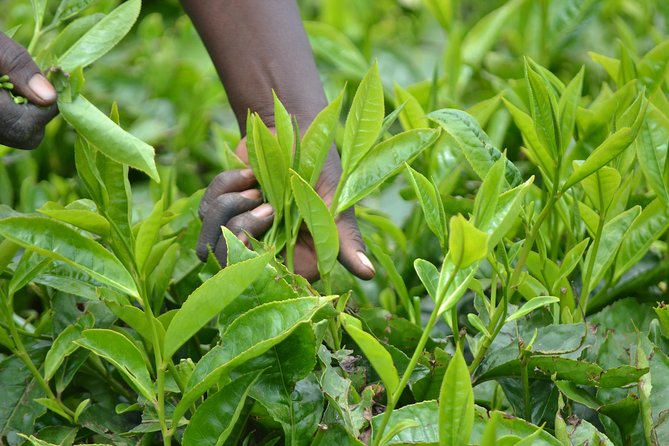
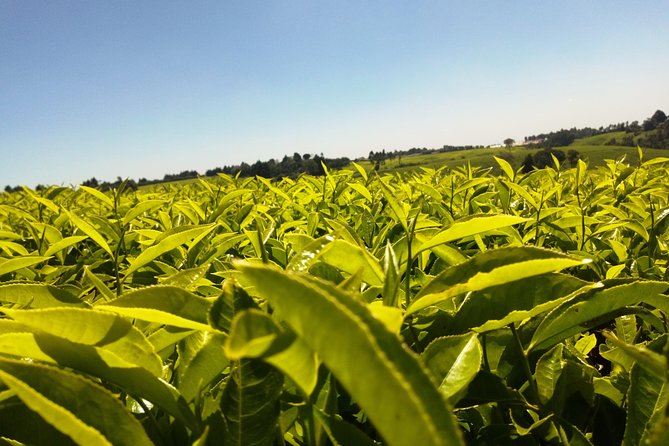
This visit is focused on the tea itself—how it’s grown, where it’s grown, and what makes this part of Kenya special for tea production. You spend about 4 hours at the farm, and the experience is guided. That time block is long enough to see the tea fields without it turning into a quick photo stop.
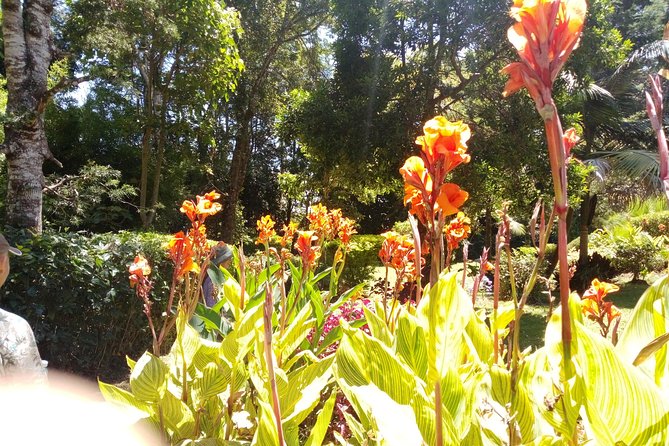
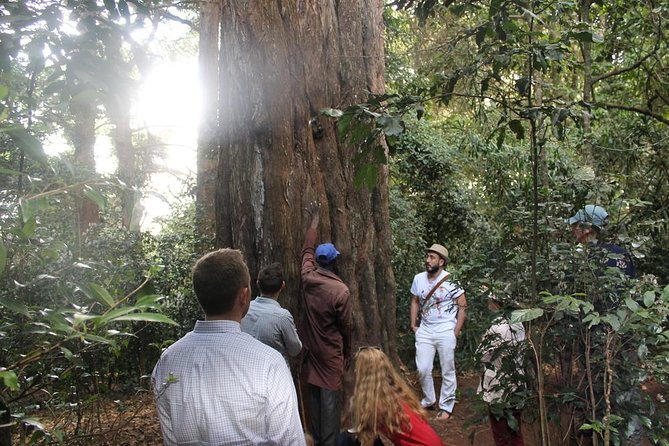
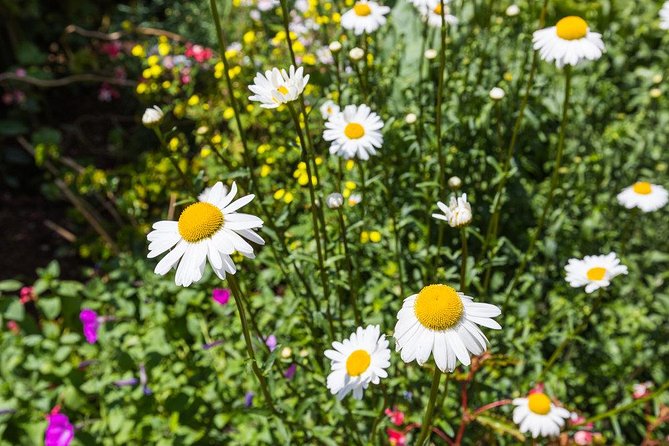
You’ll tour the farm garden and the tea farm area, and you’ll likely spend time outdoors enough to notice the rhythm of a working plantation. The day is designed to include more than just rows of plants. You also stroll through a forest section and learn about indigenous plants in the area.
Wildlife is part of the package. The farm experience includes a chance to see colobus monkeys and birds. You’re not guaranteed a sighting, but the way the day is structured (tea fields, then a greener forest stretch) gives you a better shot than if the tour were all open ground.
Here’s what I like about this approach: tea farming often gets treated like a boring agriculture lesson. This tour treats it like nature + work. You’re looking at leaves, yes, but you’re also learning how the environment supports the crop and why that matters.
What to pay attention to while walking
If you want this day to feel more personal, ask your guide a couple of simple questions as you go. Things like how the plantation is maintained, what conditions tea plants need, and what makes the local growing area different can turn a standard tour into a story you’ll remember on the drive back.
Tea tasting and included drinks: turning a lecture into a habit
Tea tasting is built into the farm portion, which is exactly how it should be done. You’ll get a chance to taste African tea during the visit. The broader day also includes coffee and/or tea, so even if you’re not a tea obsessive, you still get a real taste of the experience rather than just looking at plants.
What I recommend is to treat the tasting like you would a food stop on a market tour. Don’t overthink it. Take a small sip, notice aroma first, then flavor, then how it feels after. If your guide offers tips on what you’re noticing, take them. This is where a good guide can make the difference between learning something new and walking away with only pretty photos.
If you’re someone who prefers clear takeaways, ask your guide what makes the tea from this region distinct. With a guided day, you’re not left guessing.




Lunch on the farm: why the 3-course buffet is more than just a break
By the time you reach lunch, you’ll have walked through outdoor areas and spent time paying attention. That’s why the meal here is such an important part of the value.
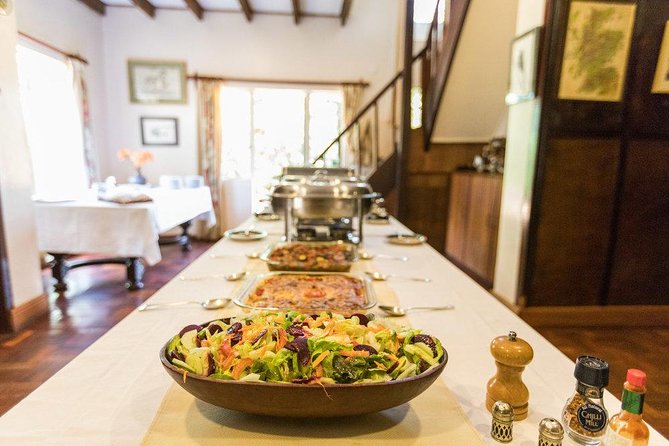
You get a 3-course buffet lunch at the farm, described as including farm-fresh ingredients. That’s a big deal on a Nairobi day trip, because lunch can be the weak link on some excursions. Here it’s positioned as a proper sit-down break, not a hurried snack.
One of the best signals I saw in feedback was praise for the luncheon being fantastic. That matches how this tour is built: you’re meant to slow down and eat somewhere connected to the place you came to learn about.
Food tips you’ll be glad you thought about
No specific dietary options are stated in the info provided. If you have allergies or strict dietary needs, I’d contact the provider before booking so you don’t get surprised on the day.
Also, since the farm visit is outdoors, eat what’s offered and keep water in mind. The tour is planned for a long day, and you’ll feel better if you don’t treat lunch like a rush-through.
The second stop: seeing how people handle everyday life
After the farm portion, the day includes a chance to see how locals live and conduct their normal day-to-day activities. The details aren’t heavy on specifics here, so the best way to approach this part is with a respectful, curious mindset rather than expecting a museum-style explanation.
This stop is valuable because it balances the plantation focus. Tea farming is one piece of the local picture. Everyday life around it is the rest of the story. Even if you only get a short visit, it can shift your understanding from product to people and place.
Practical advice: keep your expectations flexible. This part is about observation and interaction, not a timed checklist of attractions.
Price and what $140 really covers in a Nairobi day
At $140 per person, this isn’t a budget outing. But it also isn’t a random half-day excursion. You’re paying for a full day with door-to-door transfers, a guided experience at a historic working plantation, and a lunch with multiple courses.
Here’s where the value starts to make sense:
- Hotel pickup and drop-off removes friction and cost you’d otherwise spend on arranging transport.
- You get a professional guide and driver/guide support.
- The farm includes an entrance fee (listed as 35 USD per person), plus the activities inside the farm visit.
- Lunch is included, and it’s not just one plate. It’s a 3-course buffet.
- Coffee and/or tea is included, with tea tasting on top.
In other words, you’re not paying only for a gate ticket. You’re paying for guided time plus a full meal plus transport plus planned stops.
One more practical note: the average booking lead time is 148 days. That doesn’t mean every day is sold out, but it does suggest this is something people line up well ahead of time. If your dates are firm, booking sooner is smart.
Who should book Kiambethu Tea Farm, and who might feel out of place
This tour fits best if you want a structured day from Nairobi that isn’t just city sightseeing. You’ll likely enjoy it if you:
- like agriculture and nature without needing a technical background
- want a chance at colobus monkeys and birds during an outdoor portion
- appreciate a small group pace (up to 15)
- value a guided, easy plan with pickup and a proper lunch
It might feel less ideal if you:
- only want a very short outing (this is about 9 hours)
- travel on a Monday or during major holidays when the farm is closed
- dislike walking outdoors, since you’ll be on your feet for parts of the day
Also, if you’re going with kids, note that children must be accompanied by an adult. The info doesn’t say the tour is specifically designed as a kid-focused program, so it’s better for families who are okay with a guided day and a decent amount of walking.
Final take: should you book this tea farm day trip?
I’d book it if you want a Nairobi day that swaps traffic and malls for a real working plantation, a guided forest walk, and a lunch that feels like part of the experience. The best sign here is the way the day is balanced: tea fields and nature, then food, then a look at everyday local life. Add the small group size and the strong feedback around drivers like Obed—punctual, friendly, and quick with explanations—and it’s an easy yes for many first-timers to Nairobi.
If you’re visiting on a closed day or you hate long travel days, choose another option. Otherwise, this is one of those tours that pays off the moment you step into the tea area and realize you’re learning with your senses, not just reading facts.
FAQ
What is the duration of the Kiambethu Tea Farm excursion?
The duration is approximately 9 hours, with about 4 hours spent at Kiambethu Farm.
What time does the tour start?
The start time is 9:00 am.
How much does the tour cost?
The price is $140.00 per person.
Is pickup and drop-off included?
Yes. Hotel pickup and drop-off are included, with door-to-door round-trip transfers from Nairobi.
How big is the group?
The group is capped at no larger than 15 people. The activity is also described as private, with only your group participating.
What’s included in the price?
Included items are lunch, driver/guide, a professional guide, hotel pickup and drop-off, coffee and/or tea, and an entrance fee (listed as 35 USD per person).
What should I wear?
The dress code is smart casual.
Is the farm open every day?
Kiambethu Farm is closed every Monday, Christmas Day, and Happy New Year’s Day.
Can I cancel for free?
Yes. Free cancellation is available, with full refund if you cancel up to 24 hours in advance of the experience’s start time.