REVIEW · LUANG PRABANG
Luang Prabang: Bamboo Forest Cooking-class & Farm Visit
Book on GetYourGuide →Operated by Laos SPIRIT · Bookable on GetYourGuide
Bamboo cooking starts with a machete in hand. This 6-hour class is one of those rare Luang Prabang experiences where you build your own tools and learn forest plant knowledge as part of cooking Khmu-style. The food is the goal, but the real pull is the hands-on forest work. One heads-up: you’ll be walking and getting very hands-on, so it’s not ideal if you’re not comfy in uneven forest terrain.
You’ll run the day with a small group (up to 10) and real local instruction, usually from a Khmu guide (you might meet Peng). Expect a simple rhythm from 9 AM to 3 PM: farm picking, bamboo tool making, then cooking and eating in the woods. Transfers from your hotel and back are included, which makes it easier to focus on the experience instead of logistics.
Before you go, plan for a practical, slightly rustic day: long pants, proper shoes, mosquito spray, and a hat help a lot. If you’re looking for a polished, sit-and-watch cooking class, you may find this too active. But if you want the real how and why of Khmu cooking, it’s a strong yes.
In This Review
- Key Points You’ll Care About
- A Khmu Day That Starts on the Vegetable Farm
- Why this farm start matters (and a small caveat)
- Going Into the Primary Forest to Learn Wild-Cooking Techniques
- A guide who knows the system
- Foraging Plants: Edible, Medicinal, and Everyday-Use Knowledge
- Practical tip for your comfort
- Making Your Bamboo Utensils (and Why It’s Better Than a Souvenir)
- Bamboo-Cooked Meal: Fragrant Rice and Grilled Fish or Meat
- Included ingredients mean you can focus
- Lunch in the Forest: A Meal With Context
- What you should expect from the pace
- What’s Included, What You’ll Pay Extra, and Real Value
- Optional craft village stop on the way home
- Timing, Group Size, and the Comfort Tips That Matter
- Language coverage (so you don’t get lost)
- Who This Luang Prabang Bamboo Class Is Best For
- If you might skip it
- Should You Book This Forest Cooking and Farm Visit?
- FAQ
- Where does the tour meet?
- How long is the experience?
- Is hotel transfer included?
- What group size is this tour?
- What languages are available for the guide?
- What does the price include?
- What’s not included?
- Can the tour accommodate dietary restrictions?
- What should I bring?
- Is there flexibility if my plans change?
Key Points You’ll Care About
- Hands-on bamboo utensils you craft for eating and drinking, plus chopsticks and cups to take home
- Vegetable farm picking first, so you start with ingredients you actually gather
- Khmu forest plant learning, including edible and medicinal plants and everyday-use varieties
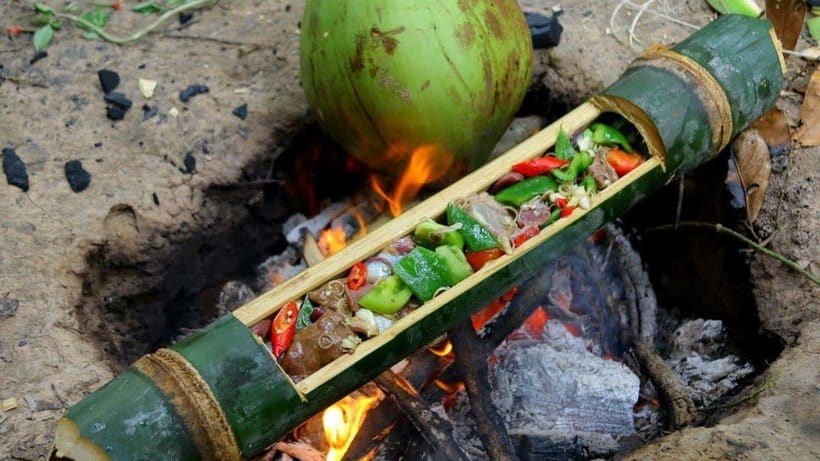
- Bamboo cooking methods for fragrant rice, plus grilling meat or fish
- Forest lunch with real conviviality, not a rushed stop-and-go meal
- Small group feel (max 10) with a multilingual guide (English/French/Lao/Thai)
A Khmu Day That Starts on the Vegetable Farm
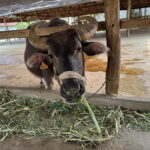
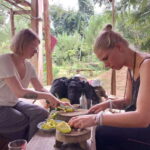
Most Luang Prabang food experiences begin with a market stall. This one starts earlier, at an authentic vegetable farm. You arrive for the ingredient hunt as the core warm-up for the day: you pick vegetables and plants you’ll use later in your meal.
What I like about starting here is that it changes how you taste. You aren’t guessing what’s in front of you. You’re helping gather it, then learning how those plants fit into Khmu cooking and village life. It also gives the day a grounded feel—forest cooking doesn’t float in the air. It starts with what grows near people’s daily routines.
Your Khmu guide will walk you through how to recognize different plants used by the community: edible options for meals, medicinal varieties, and plants that show up in day-to-day village use. That plant-identification part isn’t just trivia. It’s a mindset shift. You start to see the forest as a pantry plus a small pharmacy, not just scenery.
You can also read our reviews of more tours and experiences in Luang Prabang.
Why this farm start matters (and a small caveat)
The farm pick makes the later bamboo work feel purposeful. It’s hard to “go through the motions” when your hands are already collecting ingredients for your own lunch.
The caveat: this is still an active outdoor start. If you don’t like bending, carrying, and walking around a farm, you might feel it by the time the forest part begins.
Going Into the Primary Forest to Learn Wild-Cooking Techniques
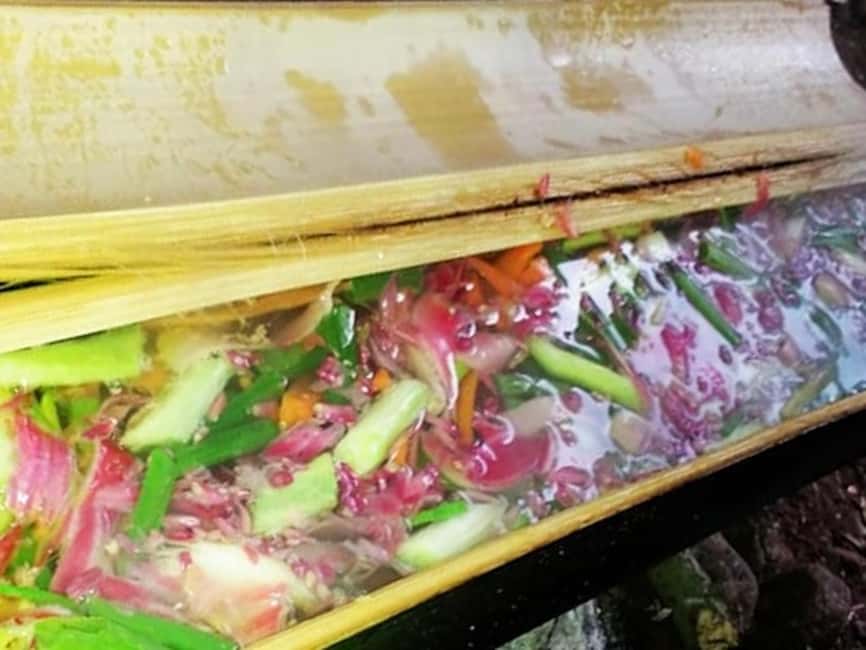
After the farm, you head into the primary forest for the core skills: ancestral wild-cooking methods using bamboo. This is where the class turns from a cooking workshop into a cultural technique day.
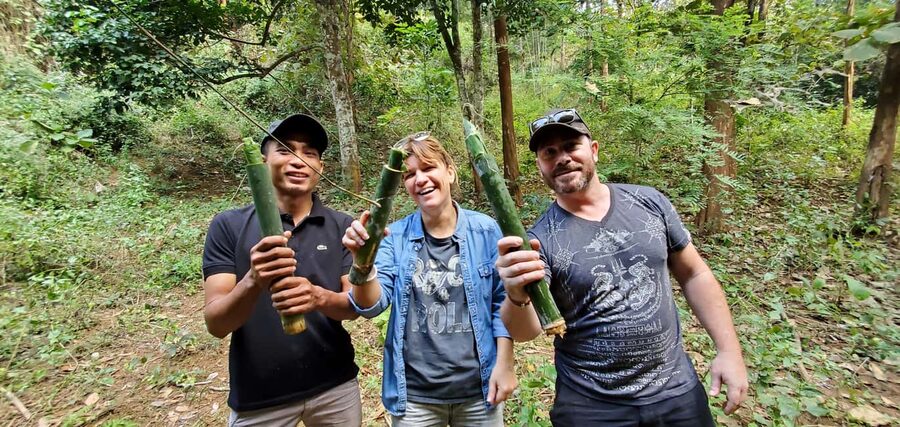
You’ll learn how to work with bamboo for cooking and eating. That includes making your own bamboo utensils for drinking and eating, plus bamboo cooking tools. You also learn how to select and prepare bamboo—important, because bamboo isn’t just “a stick.” The right preparation matters if you want good results and a meal that tastes clean instead of woody or off.
And yes, you’ll be cutting and handling bamboo. That’s the point. One of the best parts of the day is realizing you’re not just learning a recipe—you’re learning a process.
A guide who knows the system
If you’re paired with a guide like Peng, the instruction can be unusually detailed. A Khmu guide with an agriculture background (degree in agriculture, in one case) tends to explain not only what to do, but why it works—how plants grow, how bamboo is used, and how forest-based cooking fits into life.
Even when your personal style is more quiet and observant, the guide can still calibrate the activity level. You should expect interaction, but not chaos.
Foraging Plants: Edible, Medicinal, and Everyday-Use Knowledge
One of the most memorable elements is the plant learning itself. You’re not only shown what’s edible; you also get introduced to plants that are used for medicinal or everyday purposes in Khmu village life.
This is where you start paying attention to details you would normally ignore. The tour doesn’t ask you to taste random things on the spot (and you shouldn’t expect that). Instead, you learn recognition and common uses. It’s more practical than it sounds.
If you like food that carries a story, this is the section. You’ll understand that the flavors in the meal aren’t random—they’re connected to local knowledge of what grows nearby and what people rely on.
Practical tip for your comfort
Bring long trousers and mosquito spray. If you’re sensitive to bites, this one matters. A hat also helps because forest days can mean more shade changes than you expect.
Making Your Bamboo Utensils (and Why It’s Better Than a Souvenir)
There’s a reason this tour includes bamboo utensils you take home. It’s not just a nice gesture. Making your own cup and chopsticks forces you to understand the material.
You’ll craft utensils from natural materials, learn how bamboo is used for drinking and eating, and then at the end you’ll bring those items back with you. It’s the difference between buying a craft village trinket and carrying something you made with your own hands during a real cultural activity.
One more perk: taking home your crafted items is also a memory anchor. Months later, when you use the bamboo chopsticks or cup, you’ll remember the forest steps that led to them—farm picking, bamboo selection, and your own cooking work.
Bamboo-Cooked Meal: Fragrant Rice and Grilled Fish or Meat
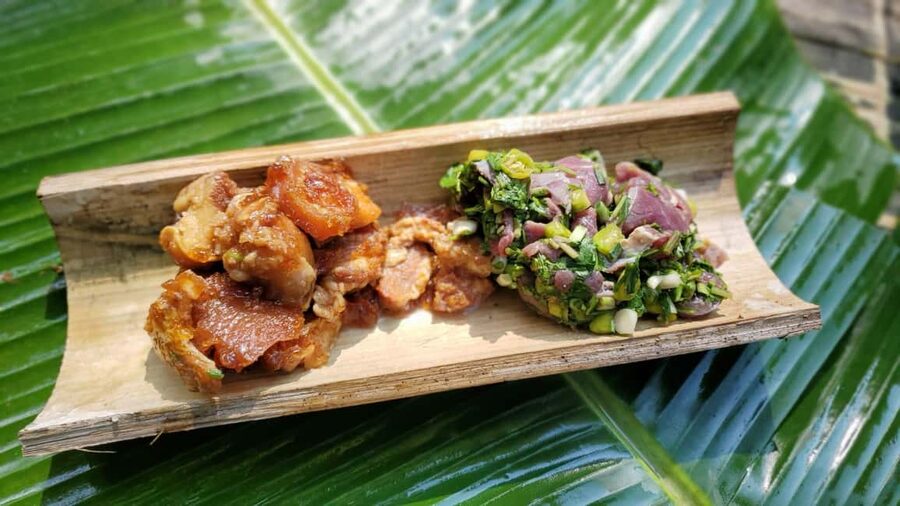
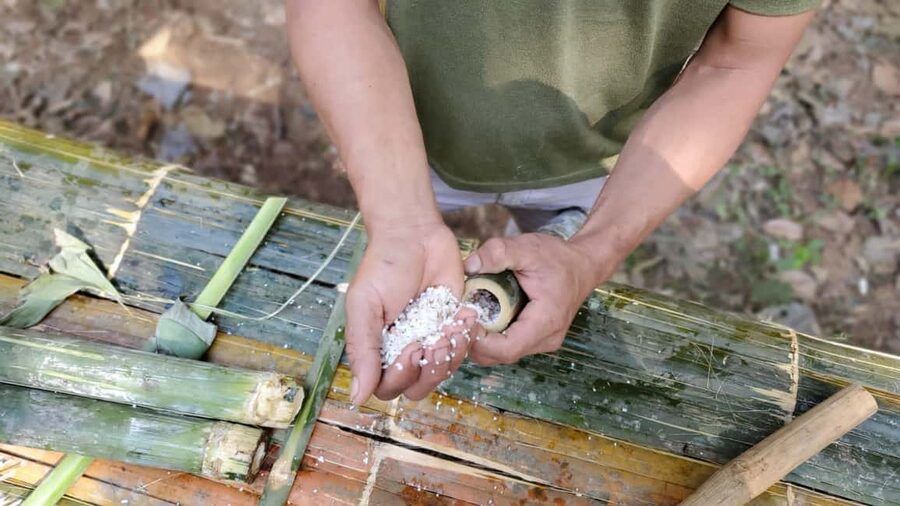
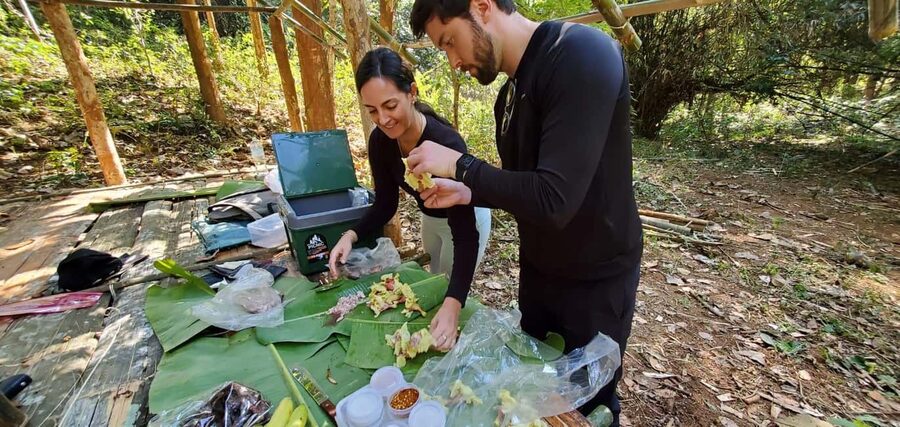
Once your tools and ingredients are ready, the meal moves from learning to cooking. Your guide will teach bamboo cooking methods, including how to cook fragrant rice in bamboo and how to grill meat or fish.
This is where the day’s skills connect. If you paid attention during bamboo prep, your cooking tends to go smoother. If you listened during plant learning, you’ll understand what the meal is built around.
You’ll also be shown how to present dishes the way Khmu families still do. That might sound formal, but it’s really about respect and habit—how food is arranged, served, and shared in village settings.
Included ingredients mean you can focus
All the basic ingredients are provided: rice, meat, fish, fruits, and drinking water. That matters for value. You’re not worrying about what you’ll buy or how you’ll assemble a proper lunch. You’re also not stuck paying extra for missing items once you’re already deep in the forest rhythm.
You should still bring personal preferences into the conversation. Let the operator know your dietary preferences or restrictions, and they’ll tailor the experience to your needs.
Lunch in the Forest: A Meal With Context
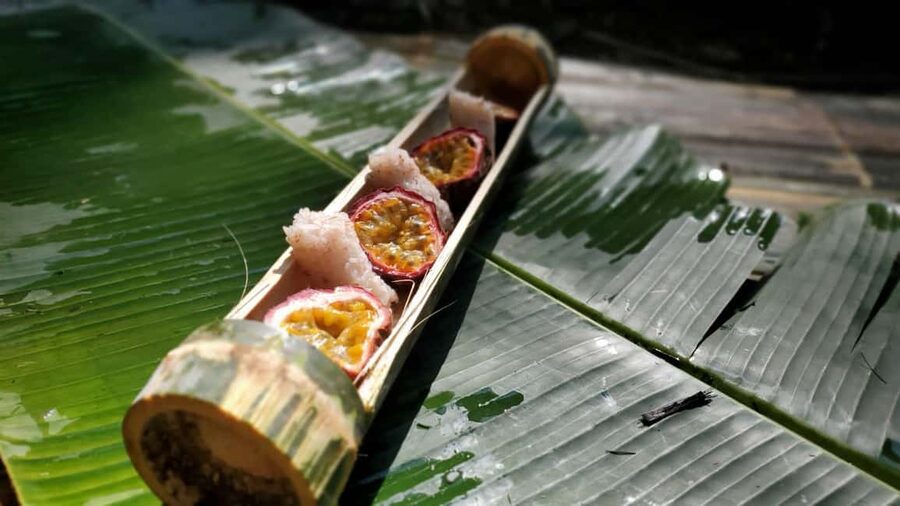
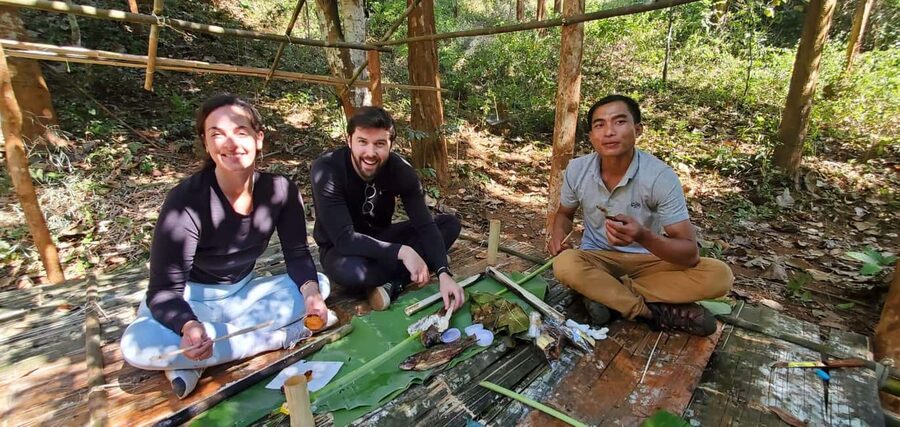
You don’t just eat quickly and run. Lunch happens in the forest, with nature around you and a shared focus on what you made and learned. This is one of those moments where the “why” catches up with the “what.”
Sharing the meal with your small group adds to the feeling of conviviality—everyone has their own bamboo utensils and their own role in the day’s process. It’s also a good time to ask questions. If you’re curious about village life, plant uses, or bamboo cooking, lunch is the calm window to get clarity.
What you should expect from the pace
The full activity runs from 9 AM to 3 PM. That’s enough time for real learning without turning into a never-ending day. Still, it’s a full day outdoors, so bring your patience and good shoes.
What’s Included, What You’ll Pay Extra, and Real Value
At $100 per person for a 6-hour experience, the price sits in the “worth it if you actually want the hands-on part” category.
Here’s why it can feel like good value:
- Hotel transfers are included, so you don’t lose time (or spend cash) arranging transport in Luang Prabang.
- Food is provided, including ingredients and drinking water, so you’re not paying for lunch twice.
- You take home crafted items (bamboo cup and chopsticks). That’s more meaningful than most souvenirs because you made them during the process.
- A guide leads in multiple languages (English/French/Lao/Thai depending on the option), plus tax and entrance fees are covered.
What’s not included is simple: additional food and drink, and gratuity. If you like to keep your day budget tight, you’ll probably only need to think about personal snacks or extra drinks if you want them.
Optional craft village stop on the way home
There’s an optional stop at a craft village on the return. This can be a nice add-on if you want a quick look around the broader craft scene. If you’d rather keep your energy for the forest memories, you can decide based on your mood once the day ends.
Timing, Group Size, and the Comfort Tips That Matter
The tour is designed for a small group—limited to 10 participants. That’s a big deal. It usually means more hands-on time and fewer long waits while you’re trying to learn bamboo techniques.
The day runs 9 AM to 3 PM. Plan on being outside for most of it. The tour recommends:
- long trousers/pants
- suitable footwear for forest walking
- mosquito spray
- a cap or hat
- any essential personal items like medication
Those aren’t casual suggestions. Forest days can mean uneven ground, insects, and sun coming and going under trees.
Language coverage (so you don’t get lost)
The guide works in English, French, and Lao/Thai options. If you’re more comfortable in one of those, mention it when you book so the communication is smooth from the start.
Who This Luang Prabang Bamboo Class Is Best For
This experience fits best if you like learning by doing. You’ll enjoy it most if you:
- want a food experience beyond cooking instructions
- enjoy nature and outdoor activities, even when it gets hands-on
- are curious about Khmu culture and how daily life connects to cooking
- appreciate taking home something you made yourself
It’s also a good match for couples or solo travelers who want a guided cultural day without a huge crowd.
If you might skip it
If you’re hoping for an easy, mostly seated class, or if bamboo cutting and forest walking would feel stressful, you may prefer a more traditional cooking setup.
Should You Book This Forest Cooking and Farm Visit?
If your idea of a great Luang Prabang day is food with real context, this is a strong booking choice. The most praised parts are the same things that matter most for value: hands-on bamboo utensil making, forest cooking methods, and the guide-led learning about edible and medicinal plants. Add in hotel transfers, included ingredients, and take-home items, and you get a day that feels more like cultural transmission than a simple class.
Book it if you’re willing to be active, ask questions, and enjoy learning in nature. Skip it if you need low walking, low mess, and lots of sitting.
If you go, do it with the right mindset: you’re not just making lunch. You’re learning how a Khmu family tradition turns farm and forest into a meal you can actually taste.
FAQ
Where does the tour meet?
The meeting point is Notre showroom in Luang Prabang.
How long is the experience?
It lasts 6 hours, running from 9 AM to 3 PM.
Is hotel transfer included?
Yes. Transfer to and from your hotel is included.
What group size is this tour?
It’s a small group limited to 10 participants.
What languages are available for the guide?
The guide is available in English, French, Lao, and Thai.
What does the price include?
It includes transfer, all meal ingredients (including rice, meat or fish, fruits, and drinking water), tax and entrance fees, and you take home handcrafted bamboo items (a bamboo cup and chopsticks). An optional craft village stop is also offered on the way home.
What’s not included?
Additional food and drink are not included, and gratuity is not included.
Can the tour accommodate dietary restrictions?
Yes. You can share dietary preferences or restrictions so the experience can be tailored to your needs.
What should I bring?
Wear long trousers and suitable footwear for forest walking. Bring mosquito spray and a cap or hat. Also bring any essential personal items like medication.
Is there flexibility if my plans change?
There is free cancellation up to 24 hours in advance for a full refund, and you can reserve now and pay later.