REVIEW · NAIROBI
Coffee farm tour, coffee roasting and tasting experience
Book on Viator →Operated by All Seasons services company · Bookable on Viator
Coffee trees beat the city noise. If you want a real look at how Kenyan coffee goes farm-to-cup, this small-group tour near Nairobi is a smart way to spend a couple hours. I love that you get hands-on time roasting your own beans, and even better, you bring that roasted coffee home.
You’ll also get a relaxed, personal feel thanks to a cap of 10 people, and the guides bring the story to life—Stanley welcomes you warmly, and Duncan brings plenty of energy and Kenya-and-coffee context. One heads-up: getting to the farm can be bumpy at the very end of the drive, so plan for a slightly rough ride.
In This Review
- Key Highlights You Should Care About
- How This Nairobi Coffee Farm Tour Works in Real Life
- All Seasons Coffee: Walking the Trees and Meeting a Working Estate
- Processing to Cup: What You Learn Beyond the Smell of Coffee
- Roast Your Own Beans: The Hands-On Part That Makes It Stick
- Fresh Brew Tasting, Snacks, and the Simple Joy of Sitting a Moment
- Guides Who Actually Make It Personal (Stanley and Duncan)
- Price and Value: Why $35 Is Not Just a Coffee Sip
- Road Reality Check: Getting to the Farm Outside Nairobi
- Who Should Book This Coffee Farm Tour
- Should You Book This Nairobi Coffee Farm Tour?
- FAQ
- FAQ
- How long is the coffee farm tour outside Nairobi?
- How much does the tour cost?
- Is the tour limited to a small group?
- What will I do during the tour?
- What’s included in the price?
- Is transportation included from Nairobi?
- Can kids join the tour?
- Is free cancellation available?
Key Highlights You Should Care About

- Max 10 people keeps it personal, not lecture-and-rush.
- Roast-your-own coffee plus coffee you can take home as a souvenir.
- All Seasons Coffee farm walk: see the trees and learn how the estate runs.
- Freshly brewed tasting with snacks and refreshments included.
- Stanley and Duncan are repeatedly praised for friendly hosting and clear explanations.
- Round-trip Nairobi transfers help you avoid the hassle of finding a rural farm.
How This Nairobi Coffee Farm Tour Works in Real Life
This is a short, two-hour farm experience built for people who like coffee but also want the backstory. You’re not stuck on a bus for half the day. The point is simple: get out of Nairobi, see a working coffee farm outside town, and come back with a better sense of what turns beans into the cup you actually drink.
The group stays small—10 people max—so you’re more likely to ask questions and get answers that match what you care about. If you’re the kind of person who always wonders why coffees taste different, you’ll get plenty of material to chew on.
Timing is also friendly. With round-trip transfers from Nairobi (as described in the tour highlights), you can slot this into a day without needing to figure out rural transport on your own. You’ll receive a mobile ticket, and confirmation comes at booking time, so you should feel set once your dates are locked in.
You can also read our reviews of more tours and experiences in Nairobi.
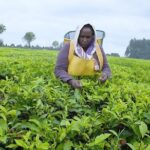
All Seasons Coffee: Walking the Trees and Meeting a Working Estate
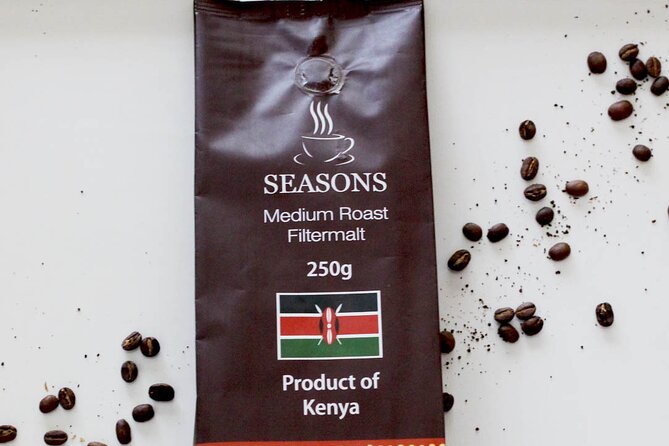
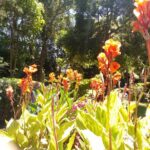
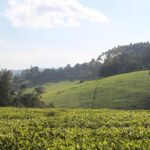
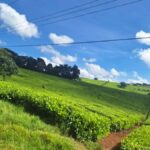
The visit starts with a farm walk at All Seasons Coffee. Expect to actually see coffee plants in the field—coffee trees aren’t just a photo background here. You’ll move through the working parts of the farm and get a sense of how the estate operates day to day.
This part matters because it sets your frame of reference. When you can see the plants and talk about how they’re grown and cared for, roasting and tasting later makes way more sense. You’re not just doing a fun activity; you’re building context.
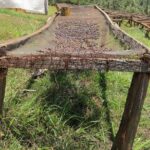
You’ll also get a view and talk on processing of coffee during this first segment. The key is that you’re hearing explanations while you’re standing in the environment where the process happens. That kind of on-site learning sticks better than a slideshow.
A couple practical notes. It’s a farm setting, so expect to be outdoors for some time. Also, since this is outside Nairobi, the surroundings tend to feel quieter and more rural than city life. It’s a nice reset, especially if Nairobi has already filled your day with traffic and noise.
Processing to Cup: What You Learn Beyond the Smell of Coffee
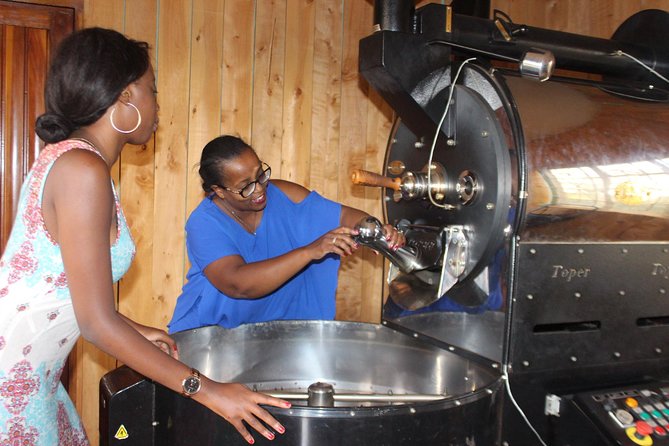
Coffee processing can sound like one big mystery until someone puts it into plain language. On this tour, you’ll get an estate-style perspective on what happens after coffee is grown—how the beans move from harvest to a form that can be roasted and brewed.
The tour doesn’t market itself as a lab course, and that’s a good thing. You’ll get the “what and why” you can actually use. In the spirit of the guides’ repeated strengths, you can expect clear, friendly talk about the coffee making process and the industry behind Kenyan coffee.
This is where the guide personalities really show up in the experience. Stanley and Duncan are both praised for sharing industry context in a way that feels more like conversation than classroom mode. One guest highlighted how much they learned from the coffee making process and Kenya’s coffee industry itself, and that lines up with what you’ll be doing here: asking questions, hearing explanations, and connecting the dots between farm life and what arrives in your cup.
Roast Your Own Beans: The Hands-On Part That Makes It Stick
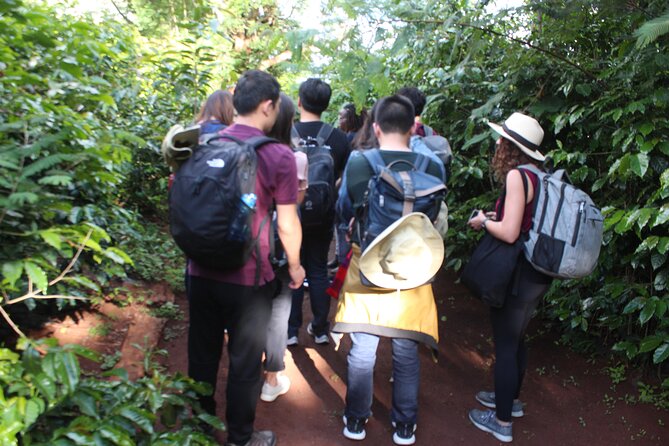
Now for the fun part: you get to roast your own coffee. This is the moment most people remember, and for a good reason. Roasting is where coffee stops being abstract. You’ll see how the same green material can become something totally different once it’s transformed by heat.
And you don’t just roast and then forget. You take the roasted coffee home. That turns the tour into a lasting souvenir rather than a short tasting you rinse out of your memory the next morning.
If you care about quality, this hands-on step is extra satisfying. It forces you to pay attention to details like aroma and how coffee changes through the roasting process. Even if you’re not trying to become a home roaster, you’ll likely understand why freshness and treatment matter. One barista in the group said it gave them real respect for every bean after learning how the process works—exactly the kind of shift you’re after.
Also, roasting your own brew usually changes how you taste later. After you’ve gone through the work, the final cup feels like closure rather than a random sample.
Fresh Brew Tasting, Snacks, and the Simple Joy of Sitting a Moment
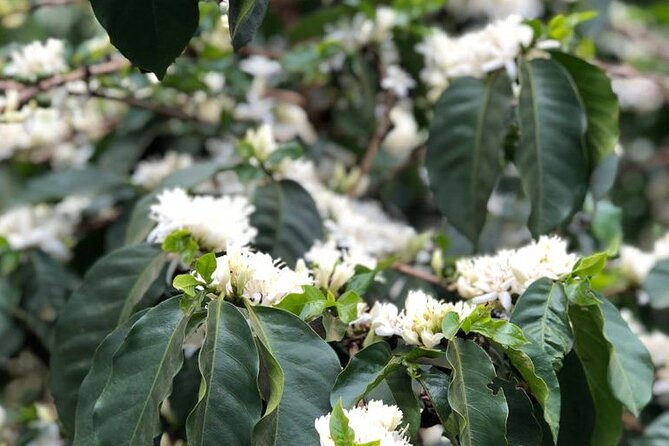
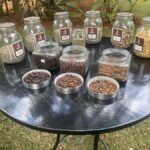
After the farm walk and roasting session, you sit down for freshly brewed coffee with refreshments. This is where the tour shifts from active to relaxed, and it’s built that way for a reason: it gives you time to connect the lessons to flavor.
You’ll have snacks and bottled water included, and the tour includes coffee and/or tea. That means you’re not trying to manage hunger or hydrate on a rural schedule. It’s a small detail, but for a short tour, included food and drink make it feel complete.
One guest described the final cup as Arabica, which hints at the kind of coffee you can expect in your tasting experience. If you’re a coffee nerd, you’ll probably find the end-of-tour sampling particularly useful because you’re tasting with the farm context in your head.
Practical tip: keep an easy pace in the last stretch. If you’re outside, then roasting, then drinking, you’ll enjoy it more if you’re not rushing. This is one of those tours that feels best when you slow down and let the guide talk.
Guides Who Actually Make It Personal (Stanley and Duncan)

A big part of the value here is the human side. Stanley is repeatedly mentioned as an exceptional guide and host—warm welcome, lots of helpful explanations, and the kind of hosting that makes a farm tour feel inviting instead of intimidating.
Duncan also comes up often, with praise for deep Kenya-and-coffee context and the overall fun of the experience. In plain terms: you’re not just being shown a farm. You’re being walked through it by people who can answer the questions you didn’t know you had.
There’s another layer, too. Susan, connected to the tour operation/ownership, is praised for communication and helpfulness, including being understanding if someone ran late. That matters because a short tour is only “easy” if the handoff before arrival goes smoothly.
Price and Value: Why $35 Is Not Just a Coffee Sip
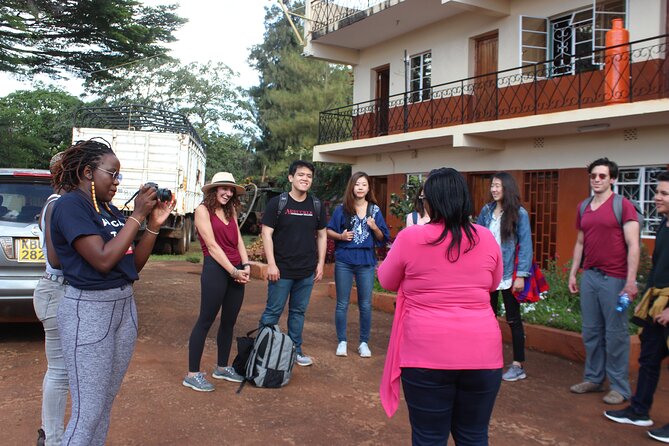
At $35 per person for about two hours, this tour is priced like an experience that covers more than tasting. The inclusions are a big deal:
- bottled water and refreshments
- snacks
- coffee and/or tea
- and the highlight: you roast your own coffee and take it home
So you’re paying for time, access, and hands-on instruction—not just entry to a farm. In many places, you might pay a similar price for a tasting with no practical roasting component. Here, you’re getting that workshop-style element, plus the farm walk and processing talk that give the tasting meaning.
It’s also built for value through group size. With only 10 people allowed, the guide attention doesn’t get diluted into a big crowd dynamic. That’s one of the reasons the reviews are so consistently high: it feels personal and properly hosted.
Road Reality Check: Getting to the Farm Outside Nairobi
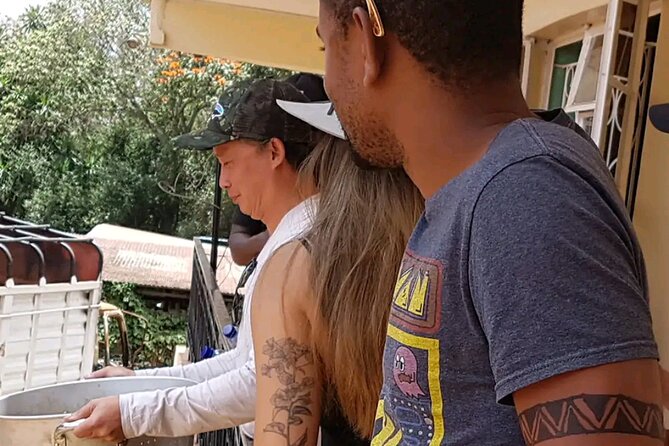
One honest consideration to keep in mind: reaching the farm can involve a rougher segment near the end of the road. A guest specifically called out that it isn’t so easy to get to the farm because of the last part of the drive.
What to do with that info? If you’re sensitive to bumpy rides, go a little prepared. Wear supportive shoes and expect an uneven stretch at the end. If you’re traveling with anyone who gets motion discomfort, plan accordingly.
This doesn’t sound like a deal-breaker—most people handle rural roads just fine—but it’s the kind of practical detail that helps you set expectations. A tour can be perfect and still involve a slightly rough ride. That’s life in farm country.
Who Should Book This Coffee Farm Tour
This one fits best if you:
- love coffee and want more than a basic tasting
- enjoy hands-on activities like roasting
- want a short Nairobi day trip with round-trip transfers
- like learning through questions while standing in the real setting
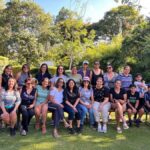
It’s also a good pick if you’re traveling with a small group of friends or family. The limit of 10 makes it easy to feel like you’re part of the group rather than swallowed by it.
Children are allowed, as long as they’re accompanied by an adult. And the tour says most travelers can participate, so it shouldn’t feel overly complicated to join.
Should You Book This Nairobi Coffee Farm Tour?
If you’re on the fence, here’s the simple test: do you want to roast your own coffee and take something home that you actually helped create? If yes, book it. This is one of the rare short tours where the “activity” part isn’t an afterthought.
If you hate anything hands-on—like cooking-class style activities—or you only want a passive stroll, you might find it too interactive. But for most coffee lovers, the mix of farm walk, processing talk, roasting, and a fresh tasting makes the $35 feel very fair.
FAQ
FAQ
How long is the coffee farm tour outside Nairobi?
The tour lasts about 2 hours.
How much does the tour cost?
It costs $35.00 per person.
Is the tour limited to a small group?
Yes. The maximum group size is 10 travelers.
What will I do during the tour?
You’ll walk through the farm and see the coffee trees, hear a talk about coffee processing, roast some coffee yourself, and then drink freshly brewed coffee with refreshments.
What’s included in the price?
Bottled water, snacks, coffee and/or tea, and light refreshments are included, along with all local taxes.
Is transportation included from Nairobi?
Round-trip transfers from Nairobi are listed in the highlights. Hotel pickup and drop-off are not included unless that option is selected.
Can kids join the tour?
Children must be accompanied by an adult.
Is free cancellation available?
Yes. You can cancel up to 24 hours in advance for a full refund.