REVIEW · HIROSHIMA
Miyajima Guided Tour and Fresh Oyster Farm Tour
Book on Viator →Operated by Discover Chugoku Shikoku (DiCS) · Bookable on Viator
One island. Two ways to understand Miyajima. Itsukushima Shrine’s torii feels bigger when you learn why it’s built like that, then you see it again from the water. I like that this tour blends culture and food instead of treating them as separate stops. You also get a real oyster-producer-style perspective, not just a seafood lunch photo op.
My other favorite part is the small group size—max 8—so you can ask questions without getting lost in the crowd. The English-speaking guide (Takeshi-san is named in feedback) makes the shrine details click fast, especially the worship customs you might otherwise miss. The one thing to consider: this experience depends on good weather, and the sea cruise is part of the plan.
In This Review
- Key highlights at a glance
- Morning starts at Miyajimaguchi, then you’re on island time
- Itsukushima Shrine torii: what you notice with a guide
- Omotesando shopping street: a useful hour to wander on your terms
- The cruise moment: seeing the Great Torii from the sea
- Shimada Suisan oyster farm time: the lesson behind the feast
- Lunch at Shimada Suisan: grilled oysters, plus what’s included
- Value check: is $97.55 a good deal for all this?
- Who should book this Miyajima + oyster farm tour
- Smart planning tips so your day runs smoothly
- Should you book? My take
- FAQ
- What time does the tour start?
- How long is the Miyajima Guided Tour and Fresh Oyster Farm Tour?
- Where does the tour meet, and where does it end?
- Is this tour a guided experience with English support?
- What’s included in the price?
- Is the Great Torii included in the cruise?
- Do I get to grill oysters myself?
- Are alcoholic drinks included with lunch?
- What is the group size limit?
- What if the weather is bad?
Key highlights at a glance
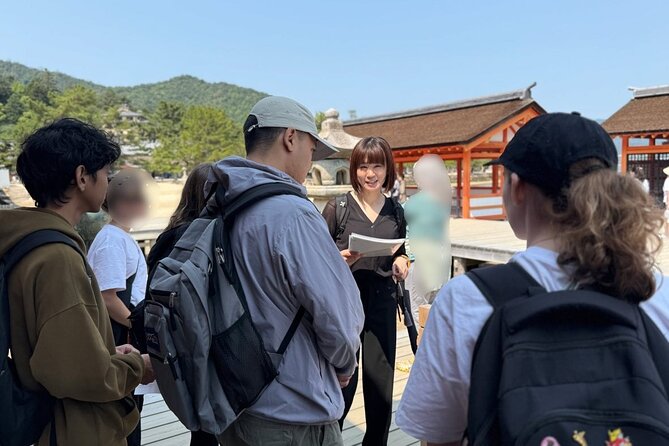
- Itsukushima Shrine with practical worship-culture context so you know what you’re looking at
- Small-group pacing (up to 8 people) that keeps the walk and photo stops manageable
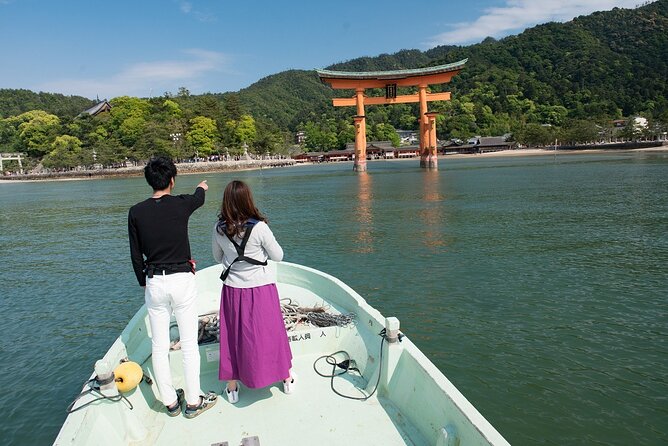
- Cruise views of the Great Torii plus up-close scenery from the sea
- Oyster rafts observation with commentary from local oyster producers
- Lunch at Shimada Suisan with hands-on grilling of your own oysters
- What’s included is real and specific: transport, ferry/charter, shrine admission, lunch, and bottled water
Morning starts at Miyajimaguchi, then you’re on island time
You meet at Miyajimaguchi (1 Chome-11 Miyajimaguchi, Hatsukaichi) with a 9:00 am start, and the whole thing runs about 4 hours 30 minutes. The day is built to feel efficient: ferry access is handled for you, then you jump straight into the two big reasons people come to Miyajima—Itsukushima Shrine and Hiroshima oysters.
I like that the tour uses a mobile ticket, which means less fiddling and more walking. Also, the tour includes private transportation from Miyajimaguchi to the ferry fare and a charter boat segment from Miyajima to Shimada Suisan, so you’re not piecing together multiple transfers while hungry.
You can do this as a solo traveler, and the group size stays small. That matters on Miyajima, where waiting around for people and herding groups can be a problem on bigger tours.
Itsukushima Shrine torii: what you notice with a guide
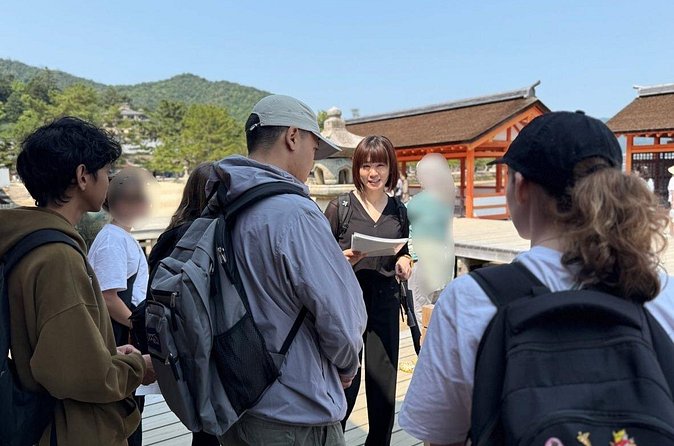
The first stop is the Itsukushima Shrine torii area. You get about 1 hour, and the shrine admission is included. The big value here isn’t only admiring the UNESCO site—it’s learning how worship works on Miyajima so you understand the little choices people make while they visit.
With the guide’s explanations, the torii and shrine setup stop being just scenery. You start noticing things like how visitors interact with the sacred space, and what certain customs mean. If you’ve ever wandered a temple and felt like you were missing the point, this is designed to fix that feeling quickly.
One detail I really appreciate: you’re guided at a comfortable pace with an English-speaking guide, so you can focus on the site instead of translating your way through it. Takeshi-san is specifically referenced in feedback, and the general theme is clear explanations you can follow on the move.
Possible drawback: you’ll still be walking through a shrine area where crowds and foot traffic can happen. If you’re hoping for a super quiet, off-the-beaten-path experience, you may feel the island’s popularity even with a guide.
Omotesando shopping street: a useful hour to wander on your terms
After the shrine, you get free time on Miyajima’s Omotesando shopping street for about 1 hour. This is the spot for snack sampling, souvenir browsing, and resetting your energy before lunch.
I like that the shopping time is structured enough to keep the day flowing, but open enough that you can do what you actually came for: grab something small to eat, shop for items that feel Miyajima-specific, and take photos without feeling rushed.
If you’re the type who hates shopping loops, this hour is still worth it. The street gives you a sense of daily life on the island—what people buy, what’s practical to take home, and what kinds of food are geared toward visitors.
The cruise moment: seeing the Great Torii from the sea
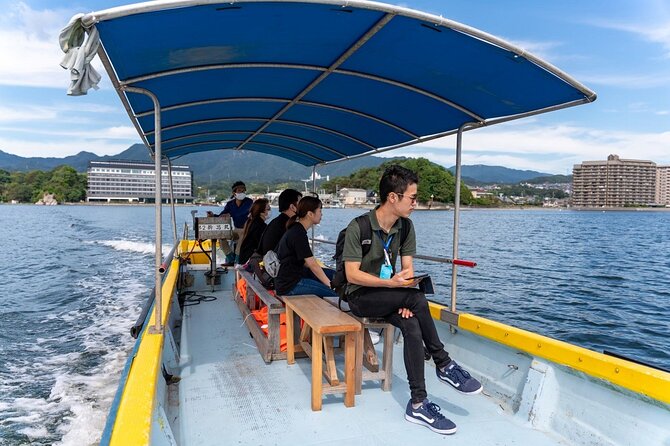
Then the day shifts to the water. At Shimada Suisan, you get a standout experience: a cruise with up-close views of the Great Torii of Itsukushima Shrine. This isn’t just another photo stop. The sea angle changes how the shrine reads, and it also sets up the oyster story.
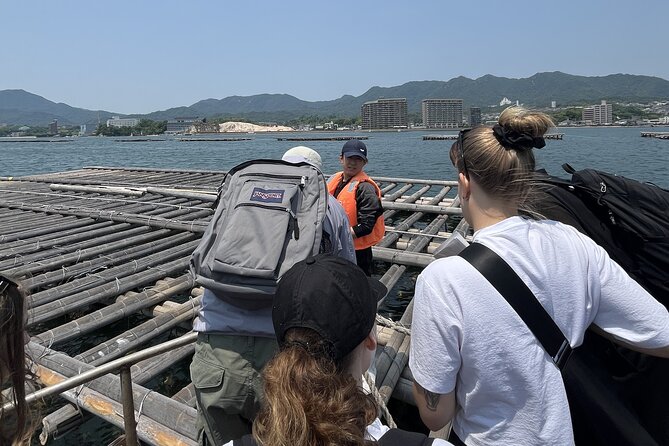
You’ll also see Hiroshima’s oyster rafts from the water, and the commentary comes from local oyster producers. That producer-style explanation is where this tour earns its name. Instead of treating oysters like a generic food, you understand the farming setup that makes them possible.
Why this matters: when you know what the rafts are and how they’re arranged, the lunch isn’t just delicious. It turns into a cause-and-effect story—place, water, farming method, then what lands on your plate.
Practical note: this part is weather-dependent. The operator says the experience requires good weather, and if it’s canceled due to poor weather, you’ll be offered a different date or a full refund. If you’re traveling in a season with frequent rain, keep a backup day in mind when booking.
Shimada Suisan oyster farm time: the lesson behind the feast
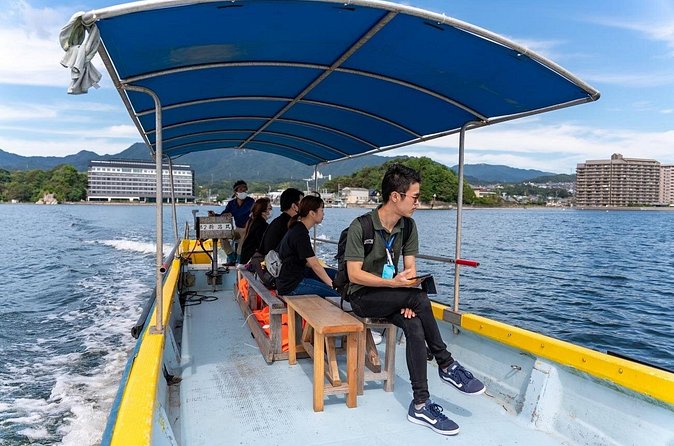
The tour’s middle chunk is focused on Shimada Suisan, with about 2 hours there. This is where you go from watching oyster gear from the sea to learning what makes Hiroshima oysters special in the first place.
You’ll get time to observe the oyster rafts and hear commentary connected to oyster cultivation. You’re not just looking at equipment—you’re learning how local producers interpret quality, harvesting, and the environment.
This is also a key reason the tour feels more meaningful than a basic “eat oysters and go” format. By the time lunch happens, you’re paying attention to what you’re tasting.
Lunch at Shimada Suisan: grilled oysters, plus what’s included
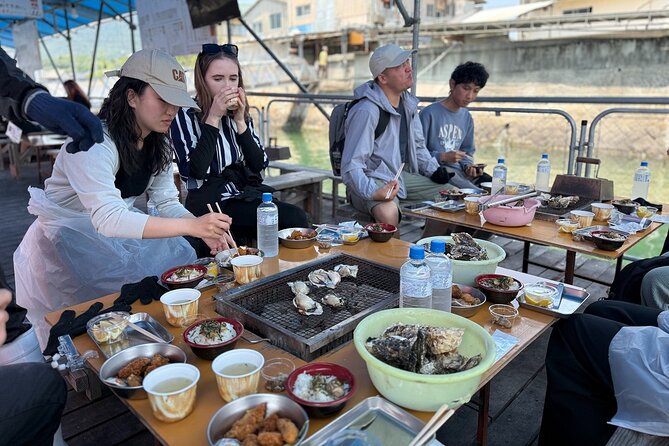
Lunch is a big part of why this tour is worth the price, and it’s not a passive meal. You’ll enjoy a delicious oyster feast at Shimada Suisan, including a hands-on grilling experience where you grill your own oysters.
The included lunch is timed so it fits naturally after the cruise and farm viewing. That sequencing helps. You arrive with curiosity, you learn about the oyster system, then you cook what you just saw up close.
What you do get included:
- Lunch at Shimada Suisan
- Bottled water (mineral water)
What you don’t get included:
- Beverages during lunch beyond the mineral water
- Alcoholic beverages, unless you add them separately
There’s an option to add white wine from Hiroshima Miyoshi Winery served to world leaders at the G7 Hiroshima Summit, with the note that it costs 8,000 yen. If you want a full pairing moment, it’s there. If you don’t, you’re not forced into it—you still have the mineral water included.
A practical consideration: oysters are not just a flavor here. They’re an experience. If you’re sensitive to seafood smells, or you dislike grilling-your-own formats, it can feel intense. But if you like food experiences that go beyond eating, this part is the payoff.
Value check: is $97.55 a good deal for all this?
At $97.55 per person, this tour isn’t the cheapest way to see Miyajima. But when you break down what’s included, the value makes more sense.
You’re paying for a package that covers:
- English-speaking guided time at Itsukushima Shrine
- Entrance fee to Itsukushima Shrine
- Miyajima tourism tax
- Ferry-related transport and a charter boat segment
- The cruise and oyster-raft viewing
- Lunch at Shimada Suisan
- A hands-on oyster grilling experience
- Bottled water
Also, the tour caps at 8 travelers. In Japan, small group value is real—less waiting, fewer missed explanations, and more chance to ask why things are done a certain way.
If you already know Miyajima deeply and prefer total freedom, you might do it cheaper on your own. But if you want a guided cultural explanation plus a production-focused oyster experience in one smooth half-day, the pricing feels fair.
Who should book this Miyajima + oyster farm tour
I’d point you toward this tour if you want:
- A guided Itsukushima Shrine visit that explains worship customs, not just photo angles
- A real seafood experience tied to oyster farming, not only eating oysters
- A morning schedule that gets you back to your start point without complicated planning
- A small-group feel (max 8) and support while moving between ferry and island activities
- A plan that works well for solo travelers
It may be less ideal if:
- You need lots of solo downtime on the island between major sites
- You dislike cruises or you’re traveling during a time with frequent bad weather
- You only want one focus (either shrine-only or food-only) and don’t care about the farming context
Smart planning tips so your day runs smoothly
A few practical moves help:
- Wear shoes you’re comfortable walking in. The shrine grounds and island paths mean a lot of steady footwork.
- Expect a weather-based schedule. The operator notes the experience requires good weather, and sea time is central to it.
- If you’re a wine person, decide early. Optional alcohol exists, including that G7-linked white wine option, but it’s an added cost.
- Bring your appetite. Lunch is an oyster feast, and the day is structured around that main meal.
One more small comfort: the tour ends back at the meeting point, so you’re not left figuring out how to get home after the cruise and grilling session.
Should you book? My take
Book it if you want Miyajima to feel like a complete story: shrine beliefs in the morning, sea views of the Great Torii, then oysters you actually understand because you saw the farming setup first. The small-group size and the guide’s explanations (Takeshi-san is specifically called out) are what turn a nice outing into a memorable half-day.
Skip it only if you prefer wandering without structure, you dislike cruises, or you’re traveling when weather is unreliable and you can’t flex your schedule.
If you do book, aim to bring curiosity. This tour rewards attention: you’ll learn what you’re looking at, then taste the result.
FAQ
What time does the tour start?
The tour starts at 9:00 am.
How long is the Miyajima Guided Tour and Fresh Oyster Farm Tour?
It runs for about 4 hours 30 minutes.
Where does the tour meet, and where does it end?
You start at Miyajimaguchi (1 Chome-11 Miyajimaguchi, Hatsukaichi, Hiroshima 739-0411, Japan). The activity ends back at the meeting point.
Is this tour a guided experience with English support?
Yes. The tour includes an English-speaking guide.
What’s included in the price?
The price includes lunch, bottled mineral water, Itsukushima Shrine admission, Miyajima tourism tax, private transportation (Miyajimaguchi to the ferry fare), and charter boat fare from Miyajima to Shimada Suisan.
Is the Great Torii included in the cruise?
Yes. Part of the experience includes a cruise with views of the Great Torii of Itsukushima Shrine, including seeing it from the sea.
Do I get to grill oysters myself?
Yes. Lunch includes a hands-on experience where you grill your own oysters.
Are alcoholic drinks included with lunch?
No. Mineral water is included, but other beverages (including alcohol) are not included. Alcohol can be added separately, including white wine for 8,000 yen.
What is the group size limit?
The tour has a maximum of 8 travelers.
What if the weather is bad?
The experience requires good weather. If it’s canceled due to poor weather, you’ll be offered a different date or a full refund.