REVIEW · NAIROBI
Day Tour To Kiambethu Tea Farm in Limuru
Book on Viator →Operated by Perfect Safaris · Bookable on Viator
This is a slow-down day with tea, trees, and wildlife. What makes the Kiambethu Tea Farm outing special is the mix of tea-production storytelling and a guided walk through the indigenous forest. You get picked up in Nairobi, taken to Limuru, and shown how tea grows and gets processed—without feeling like you’re trapped in a classroom.
The main drawback to plan for is that you’ll spend much of the day outdoors, including a forest walk, so comfortable shoes matter. If rain hits, the grounds and gardens still work, but your pace may feel a bit wetter and slower than you hoped.
In This Review
- Key things I’d circle on your plan
- Nairobi to Limuru: Kiambethu’s tea-farm day in plain terms
- The 9:45am pickup drive: where the day starts to feel local
- Tea in the field: seeing the crop up close (and hearing the process)
- The indigenous forest walk: plants, uses, and the Colobus moment
- The verandah views and a proper farm lunch
- How tea production becomes a real story (not a lecture)
- Price and value: what you’re paying for at $115
- Timing, comfort, and what to bring for an easy 8 hours
- Who should book Kiambethu, and who might prefer something else
- Should you book this Kiambethu Tea Farm day tour?
- FAQ
- What is the duration of the Kiambethu tea farm day tour?
- What time does pickup start in Nairobi?
- Is lunch included?
- Are drinks included?
- Is admission included?
- Is this tour private?
- Does the tour include transportation from Nairobi?
- Can I cancel and get a refund?
Key things I’d circle on your plan
- Round-trip Nairobi CBD pickup so you don’t waste time organizing transport
- Indigenous forest guide who identifies plants and explains traditional uses
- Colobus monkeys spotted close to the garden and forest areas
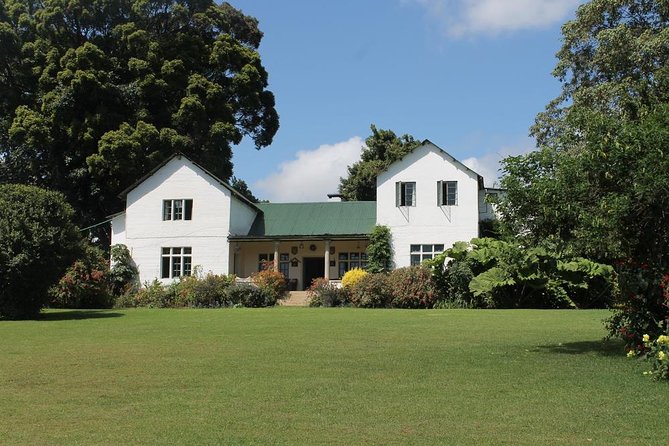
- Tea fields plus Ngong Hills views from the farm house verandah
- Lunch and farm drinks included for a real break in the middle of the day
- Private group experience with only your group participating
Nairobi to Limuru: Kiambethu’s tea-farm day in plain terms
If Nairobi feels like it’s all roads and horns, this is the antidote. Kiambethu Farm in Limuru is a classic day-trip style outing: you leave the city in the morning, spend the middle hours among tea plants, gardens, and forest, then return after lunch and time to relax.
I like this setup because it’s not just a quick look at tea fields. You get a guided feel for the property: the farm house area, the gardens, and the indigenous forest walk all connect into one theme—how tea is grown, how the land supports it, and how people use the native plants around it. Even the timing helps. You start with travel, land when the day is still fresh, and end while you still have energy.
You’ll also notice this tour is built for stress-free logistics. Pickup and drop-off are part of the price, and fees and admission are covered, so you don’t end up doing math in the gift shop.
You can also read our reviews of more tours and experiences in Nairobi.

The 9:45am pickup drive: where the day starts to feel local
Your day begins with pickup in Nairobi CBD at around 9:45am (with the start time listed as 9:30am). The drive up to Limuru matters more than you might think. It’s not just getting from point A to point B—it’s time to adjust your mindset from city pace to countryside pace.
A couple of names popped up in the experience: drivers like Victor and the guide called Santa (who gets the nickname Black Santa) are known for being punctual and chatty in a good way. On the road, you can expect local anecdotes and helpful background about the White Highlands, plus practical info you can file away for the rest of your trip.
Two practical notes for you:
- Plan for car time. The full day runs about 8 hours, and the drive is part of the experience.
- If you’re sensitive to roadside stops or traffic rhythms, bring a snack or water bottle for before you reach the farm—even though drinks are included once you’re there.
Tea in the field: seeing the crop up close (and hearing the process)
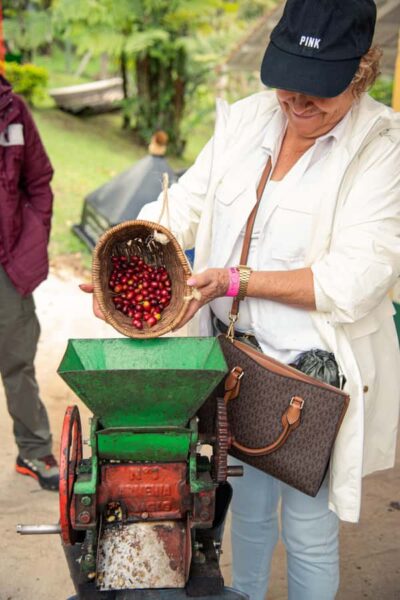
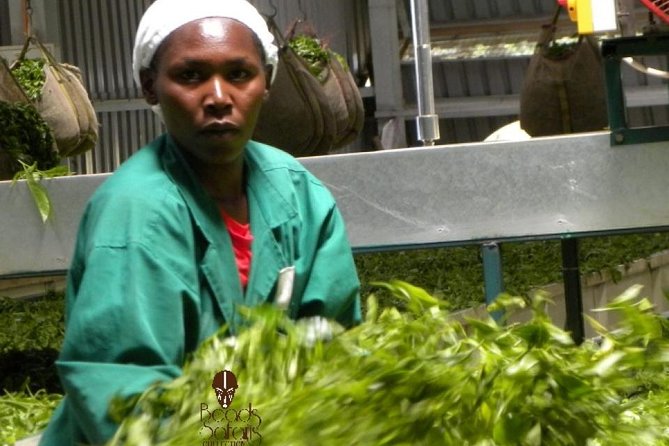
Once you arrive (around 11am), the day shifts quickly to the farm itself. You’ll start with tea or coffee, and you’ll get an informal explanation of the farm and the process of making tea. It’s not presented like a rushed sales talk. It’s more like a guided orientation that helps you understand what you’re looking at in the fields.
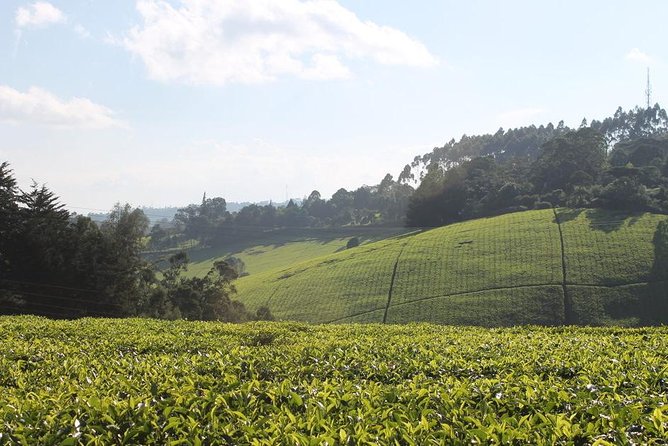
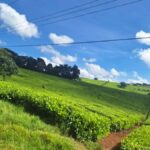
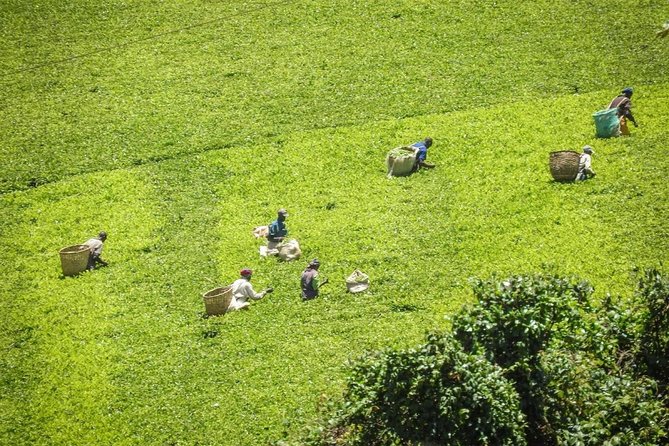
Then you’ll have a chance to see tea growing right there in the field. This is where the tour really pays off. Tea farms can look similar from a distance, but up close you start noticing details like how the plants are kept and how the growing area is managed. The guide gives you enough context to make those observations meaningful.
You should also know this tour is designed as a private experience. That matters because you can ask questions without feeling like you’re cutting in line with strangers. And because the tour is private, the pace tends to be calmer—especially useful when you’re trying to take photos without constantly dodging other groups.
The indigenous forest walk: plants, uses, and the Colobus moment
After the tea-field time, you’ll head into the indigenous forest for a guided walk. This is one of the most memorable parts on the itinerary because it changes the scenery from tea rows to native trees and understory plants.
The resident Kenyan guide identifies plants and explains how they’re traditionally used. That’s a big deal if you like understanding the land beyond just scenery. Tea is the headline crop, but the forest is the backbone of the setting—shade, habitat, and native species that local people have relied on for generations.
And then there’s wildlife. You can look out for Colobus monkeys close up. You don’t get a zoo-style guarantee in any forest walk, but the chance is real enough that you’ll want to keep an eye on treetops and listen to the guide when they call something out.
The gardens around the property are also part of the fun. Expect birds and flowers in the home-garden areas, plus a slow wandering vibe. If you’re the type who enjoys small moments—like watching a bird flit across a branch—you’ll probably love this section as much as the tea talk.
The verandah views and a proper farm lunch
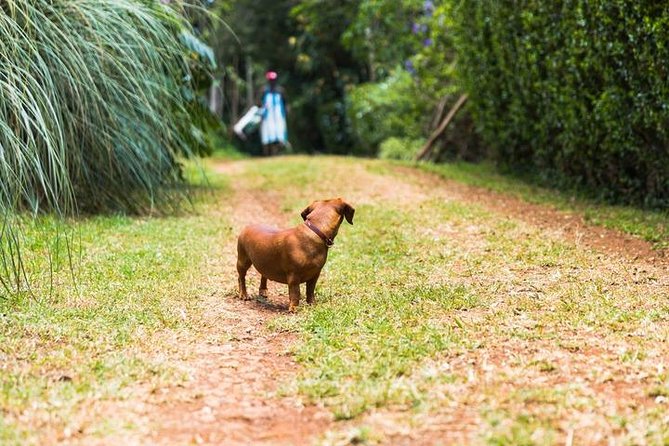
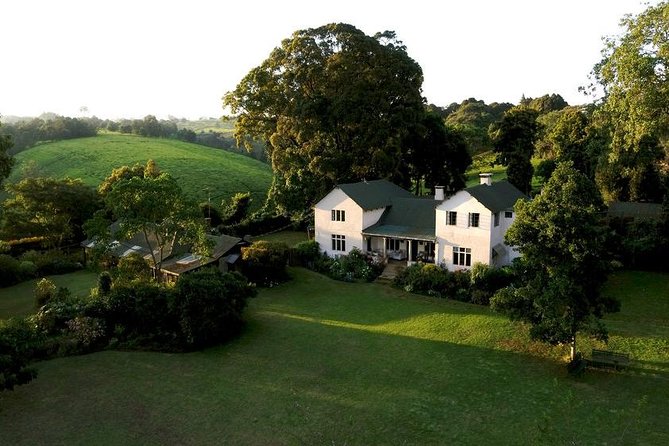
When you return to the house area, you’ll get a pre-lunch drink on the verandah. The setting is described as having sweeping views across the tea fields toward the Ngong Hills. That view isn’t just for photos. It also changes the energy of the day. You’ve been walking and looking closely for a couple of hours, and now you sit with a drink and reset.
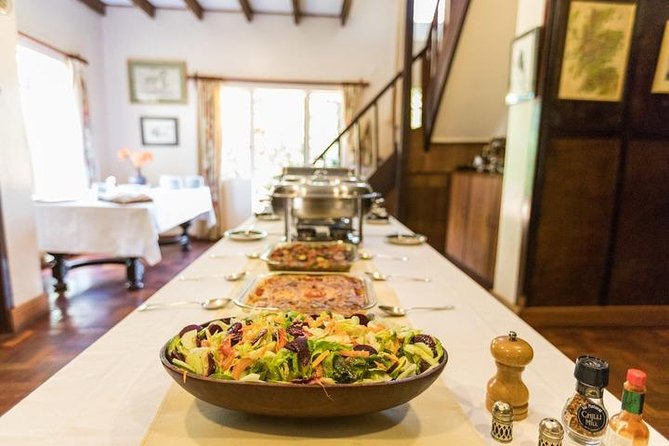
Lunch is included, and it’s described as a home-cooked style meal. One of the standout details is that many foods are grown in the garden. That’s the kind of touch that makes a farm lunch feel connected to the place instead of just like a generic meal break.
Practical advice for you:
- Eat it slowly. This is the moment when the day becomes enjoyable rather than structured.
- If you’re sensitive to sun or breeze, the verandah is a great spot to adjust your clothing for the next leg.


How tea production becomes a real story (not a lecture)
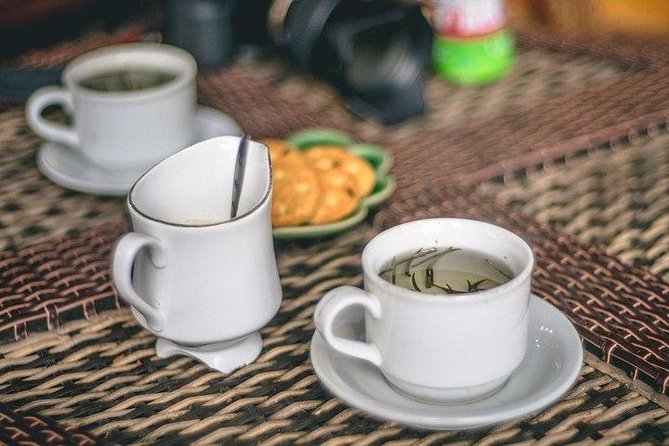
The best tours help you connect the dots. Kiambethu’s approach—starting with tea or coffee, moving to tea fields, adding an indigenous forest walk, then finishing with a verandah-and-lunch break—turns tea production into a lived story.
Here’s what you can actually learn from the way the day is arranged:
- Tea cultivation makes sense after you see the plants. You can’t fully grasp the process until you’ve watched the crop being grown.
- Native forest context adds depth. When a guide explains traditional uses of plants, tea becomes part of a bigger landscape of local knowledge—even if the main focus is tea.
- Processing is easier to remember when you’re standing on the farm. Instead of memorizing steps, you see the logic behind them.
The guides also seem to add little extra value through the drive and in conversation once you arrive. If your driver or host leans into questions, you’ll get more than the basic itinerary rhythm.
Price and value: what you’re paying for at $115
At $115 per person, you’re not just paying for tea tasting. You’re paying for:
- Private transport with hotel/residency pickup and drop-off within Nairobi CBD
- All transport and fees
- Lunch and drinks at the farm
- A guided experience covering tea production and the indigenous forest walk
In other words, the price includes the stuff that usually adds up on day trips: admission, driving time support, and meal costs. Since admission and fees are already covered, you avoid the common problem of paying twice.
Also, this tour is noted as being booked on average about 40 days in advance. That’s a hint there’s steady demand for this exact kind of escape. If you’re traveling at a busy time or you want a specific pickup slot, it’s smart to reserve early.
One more value note: mobile ticketing is included. That sounds minor, but it usually reduces friction on the day—especially if you’re moving between a hotel lobby, a car, and a farm gate.
Timing, comfort, and what to bring for an easy 8 hours
This outing runs about 8 hours, and it’s active enough to deserve some basic planning. You’ll likely be walking in the garden areas and taking a guided walk in an indigenous forest.
To keep it comfortable:
- Wear closed-toe shoes with grip (especially if it rained earlier).
- Bring a light layer. Farms can feel cooler in the morning and then warm up later.
- Pack sun protection. You’ll spend time outdoors, and the tea-field viewing areas are open.
- If you’re a camera person, keep your phone or camera ready for monkey-and-bird moments—though do so respectfully and follow the guide.
One small consideration: the tour is listed as near public transportation, and most travelers can participate, but that still doesn’t mean it’s a heavy-access day. It’s best viewed as a standard walking day, not a sit-and-watch tour.
Who should book Kiambethu, and who might prefer something else
This is a strong fit if you want:
- a tea-focused day trip with a real guide
- nature time outside Nairobi, including a forest walk
- a calmer pace than most city tours
- lunch and drinks included so you can enjoy without budgeting mid-day
It might not be the best match if you:
- hate long car rides and want the shortest possible trip
- want a strictly wildlife-heavy itinerary (the forest walk is guided, but animals are still wild)
- expect a deep museum-style presentation. This is more field-based learning—walking, looking, and asking questions.
That said, the review pattern is clear: the parts people remember most are the education plus the setting. The gardens, the birds, and the monkey sightings are what make it feel like more than just transportation to tea rows.
Should you book this Kiambethu Tea Farm day tour?
Yes—if you want a Nairobi break that feels authentic and not rushed. Kiambethu delivers on the core ingredients: round-trip pickup, a guided story about tea, time in an indigenous forest, and lunch and drinks that keep you from spending your day thinking about meals.
Before you book, do one quick check with yourself: are you comfortable with a forest walk and spending a good chunk of your day outside? If the answer is yes, this is the kind of outing that turns into a memorable stop, not just another day trip.
FAQ
What is the duration of the Kiambethu tea farm day tour?
The tour lasts about 8 hours.
What time does pickup start in Nairobi?
Pickup is arranged within Nairobi CBD at around 9:45am, with the listed start time as 9:30am.
Is lunch included?
Yes. Lunch is included in the tour price.
Are drinks included?
Yes. Drinks at the farm are included, including a pre-lunch drink on the verandah.
Is admission included?
Yes. All fees and admission are included.
Is this tour private?
Yes. It’s a private tour/activity, and only your group participates.
Does the tour include transportation from Nairobi?
Yes. Pickup and drop-off to your hotel or residency within Nairobi CBD are included, along with all transport.
Can I cancel and get a refund?
Free cancellation is available up to 24 hours in advance for a full refund. If you cancel less than 24 hours before the experience starts, the amount paid is not refunded.