REVIEW · CUSCO
Private Ollantaytambo, Pisac Ruins Tour with Farm Visit, Gourmet Picnic Lunch
Book on Viator →Operated by Valentins Pachamama Journeys · Bookable on Viator
A Sacred Valley day with food in mind. This private tour strings together Ollantaytambo, Pisac, and hands-on Andean farm and market time, so you get more than stone and views. I especially like the mix of Inca engineering plus day-to-day food culture through chicha and local produce, and I also like the fact that it’s truly private with room for questions. One thing to consider: there’s moderate walking and some stairs at Ollantaytambo, so plan for that pace.
The value here is that your guide, Valentin, connects the dots between ruins and real life in the Sacred Valley. You’ll spend time learning how agriculture and everyday routines shaped what the Incas built, and you’ll eat lunch made from local organic ingredients instead of settling for a generic stop. The day is full, so if you prefer slow sightseeing with long breaks, you might find the schedule slightly packed.
In This Review
- Key Points at a Glance
- Private Sacred Valley Day: Ollantaytambo Meets Pisac Without the Crowds
- Entering Ollantaytambo: Terraces, Aqueducts, and a Town You Can Still Wander
- Yanahuara Farm Visit and Chicha Making: The Real Reason Lunch Feels Special
- Urubamba Market Time: Tastings, Medicinal Plants, and How Food Builds Culture
- Pisac Ruins at the Sacred Valley Summit: Terraces, Astronomy, and an Inca Tunnel
- Price and What You’re Actually Paying For at $197
- Who This Works Best For (and Who Might Prefer Something Different)
- Should You Book This Private Ollantaytambo and Pisac Tour?
- FAQ
- FAQ
- How long is the tour?
- What does the private tour cost?
- What’s included in the price?
- Are entrance tickets included for Ollantaytambo and Pisac?
- What happens during the farm visit?
- Is there a lot of walking or stairs?
- Can I cancel for free?
Key Points at a Glance
- Private guide and private transport means fewer crowds and more flexibility to ask questions
- Ollantaytambo + Pisac in one day saves hassle and keeps your planning simple
- Farm visit with guinea pigs and chicha turns food culture into something you can see and taste
- Gourmet picnic lunch at an organic farm with produce you might recognize from the market
- Urubamba non-touristy market time with tastings like passion fruit, lucuma, and chirimoya
- Add-ons at Pisac can include an Inca tunnel and a seldom-used trail segment (when your timing allows)
Private Sacred Valley Day: Ollantaytambo Meets Pisac Without the Crowds
This is the kind of tour I like for the Sacred Valley: not just a checklist of ruins, but a full day that links people, farming, and Inca leftovers in the same story. At 8 hours (approx.), it’s long enough to feel satisfying without turning into an all-day slog that eats your energy.
You also get the big advantage of a private setup. That means you’re not stuck in a noisy group rhythm, and you can move at your pace when you want to read, ask, or take a slow photo. Your hotel pickup and drop-off are included, with timing depending on where you’re staying: Cusco pickup at 7:00 am or Ollantaytambo pickup at 8:30 am.
One more practical note: the tour is active. There’s a moderate amount of walking and some stairs at Ollantaytambo, plus you’ll climb around both ruin areas. If you’re traveling with mobility concerns, this might be better as a custom version where you control the steps.
You can also read our reviews of more tours and experiences in Cusco.
Entering Ollantaytambo: Terraces, Aqueducts, and a Town You Can Still Wander
Ollantaytambo is where this itinerary starts, and it’s a smart choice. You’ll begin at the Archaeological Park Ollantaytambo, one of those Inca sites where the layout still makes sense even if you’ve never studied the empire.
Here’s what you can expect to focus on:
- A guided look at the terraced ruins, including fountains and aqueducts
- Time to see the storage houses used by the Incas to maximize winds and help keep crops cool and preserved
- A chance to wander the streets of Ollantaytambo, where many 15th-century Inca buildings still stand
This is more than scenic ruins. The way the site uses terraces and water tells you why this place mattered in real life—storage, irrigation, and climate-aware farming in one package. I like tours that help you spot function behind the visuals, and Ollantaytambo does that fast.
The downside is simple: you’ll be moving around terraces and getting your steps in. It’s not described as strenuous, but there are stairs to climb, so wear good footwear. Also, admission isn’t included, so you’ll want your tickets sorted before you arrive.
Yanahuara Farm Visit and Chicha Making: The Real Reason Lunch Feels Special
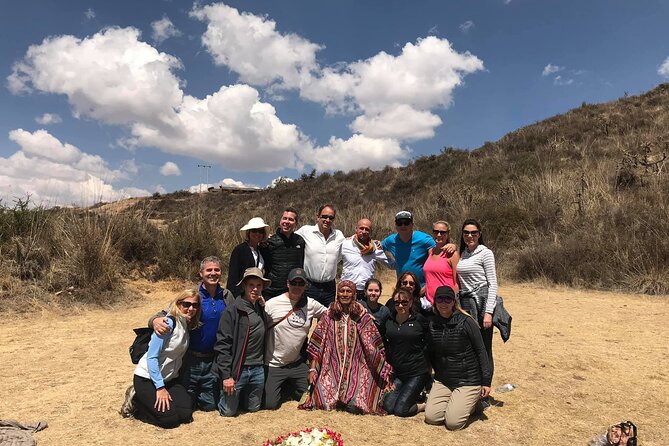
Then the day turns toward agriculture and food—exactly what I think a Sacred Valley visit should include. You’ll drive about 20 minutes to the Yanahuara area and then head into a farm in the Sacred Valley where you’ll tour the lands and get hands-on.
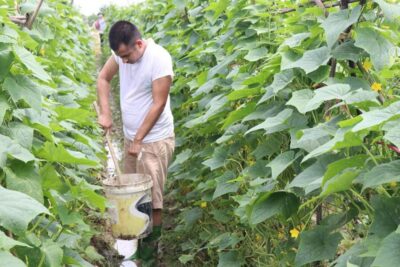
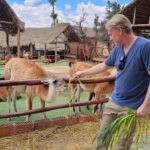
This is the part people remember because it’s not pretend. You may help with farm tasks like cutting alfalfa to feed guinea pigs, and you’ll see first hand how chicha is made. That single shift matters: when you understand that chicha is tied to corn, seasons, and local traditions, it stops being a novelty drink and becomes part of Andean culture.
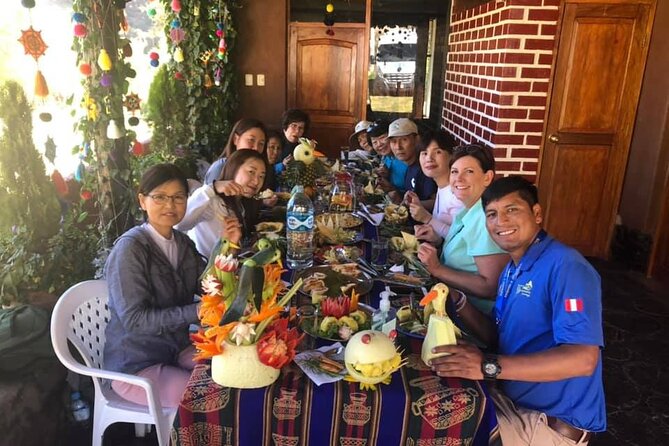
And then comes the lunch that turns this from a fun stop into a meal you’ll actually talk about later. You’ll have a private gourmet picnic lunch prepared by a chef using local organic produce, including some ingredients grown by the farm. You eat outdoors with views over the Sacred Valley, which makes the meal feel like it belongs here rather than being forced into a schedule.
If you’re the type who always tries to find the best food stop, this will likely satisfy that instinct. If you’re more into ruins only, you might wonder why farm life is on the agenda. The answer is that it makes the later ruins feel less abstract.
Urubamba Market Time: Tastings, Medicinal Plants, and How Food Builds Culture
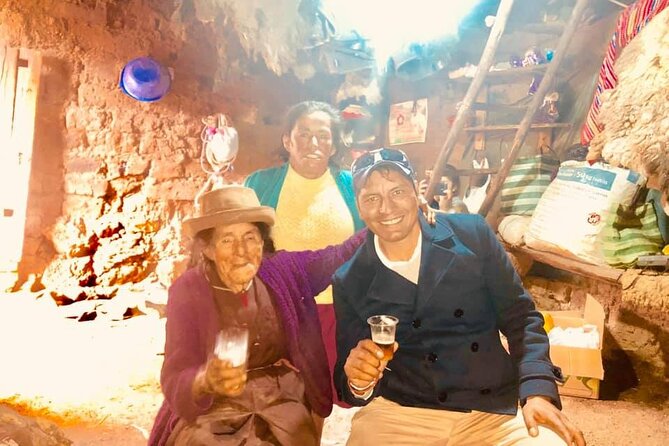
After lunch, you’ll head into Urubamba for an authentic, non-tourist market visit. This is where you see ingredients before they become a plate. Families sell everyday items like fruits, vegetables, flowers, and natural medicinal plants.
Your guide’s role here is important: you get a walk-through that’s about meaning, not just shopping. You’ll also be able to taste Peruvian fruits and foods such as:
- passion fruit
- lucuma
- chirimoya
Even better, you’ll connect the tastings back to the chicha conversation. You’ll learn about the ingredients needed to make chicha, a corn beer that’s been part of Peruvian culture since Inca times. That link is what makes this market stop feel like it belongs in the same day as Ollantaytambo and Pisac.
Practical tip: markets move fast. If you like browsing, go at a slow pace while you still have your guide’s attention, then decide what you want to buy at the end. It’s much easier than trying to remember things while your group is waiting.
Pisac Ruins at the Sacred Valley Summit: Terraces, Astronomy, and an Inca Tunnel
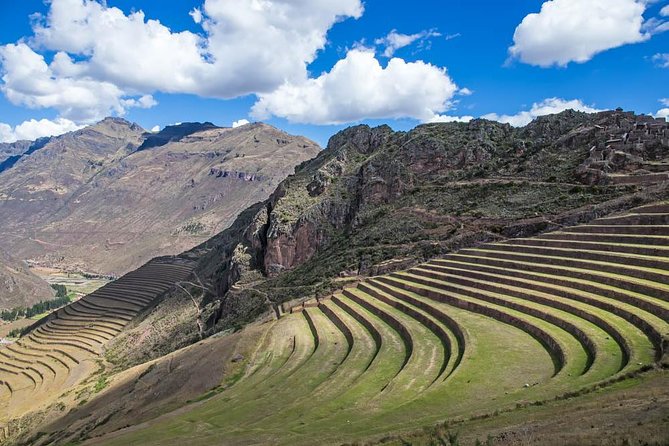
After Urubamba, you’ll drive roughly one hour to Pisac. Pisac is the dramatic counterpart to Ollantaytambo: Inca ruins laid across steep slopes, with terraces that look engineered for both farming and control.
At Pisac, you’ll focus on:
- terraced ruins high on the mountain
- views across the Sacred Valley
- how the site served religious, astronomical, and military functions
- terraces that allowed growing food above 11,000 feet
That altitude detail is exactly why Pisac matters. It’s not just a viewpoint; it’s proof that the Incas understood how to work with mountain agriculture, not fight it.
You’ll also have a chance to hike a little known, seldom used original Inca trail, including a tunnel built by the Incas. That’s a rare-feeling bonus on many days like this, and it adds a sense of movement beyond standing in one spot.
If you still want more, the ruins include one of the largest Inca cemeteries, and you can tour that area as well. This portion may be emotionally heavier for some people, so keep your pace comfortable.
You’ll end with time for Pisac town’s handicraft market, where you can browse ceramics, jewelry, and weaving. It’s a nice wrap because it gives you something tangible to take home, and it also helps you avoid feeling like your day ended in a rush.
Price and What You’re Actually Paying For at $197
At $197 per person, this tour isn’t the cheapest option, but it’s priced for a full-day private experience with real food components. Here’s what’s included:
- lunch
- food tasting
- private transport
- local professional guide
- hotel pickup and drop-off
What you’re paying for is not only transport and ruins time. You’re paying for the chef-prepared picnic lunch and the farm + market structure that turns Andean food culture into a guided experience.
Entrance fees are the main extra cost. Entrance is described as requiring a Boleto Turístico for access to Pisac and Ollantaytambo (and more). The listed options are:
- 130 soles (about $37): covers Pisac, Ollantaytambo, Chinchero, Moray, multiple museums in Cusco, and Sacsayhuaman
- 70 soles (about $23): covers only some of those sites
Since ticket details can change how much you spend, I suggest doing quick math based on which other Cusco sites you plan to hit. If your trip already includes several of those places, the full ticket may pay off quickly. If you’re doing only a couple, you might not need the biggest bundle.
Who This Works Best For (and Who Might Prefer Something Different)
This tour fits you best if you want:
- private guidance and a slower, more explainable experience
- Sacred Valley ruins paired with food and farming culture
- a chef-made lunch and structured tastings rather than eating on the run
- a guide who can connect the dots between agriculture, tradition, and what you’re seeing in the stone
It’s also ideal for repeat-minded travelers who feel like they’ve seen ruins before and want something more human. The farm visit and Urubamba market time give you that. The guide name Valentin comes up strongly in the feedback because he’s tied to the Sacred Valley and explains how daily life connects to the sites.
You might choose a different option if:
- you strongly dislike stairs and varied terrain
- you want a very relaxed schedule with lots of free time
- you’re only interested in ruins and would rather spend the day in one area than switch between Ollantaytambo, the farm, Urubamba, and Pisac
Should You Book This Private Ollantaytambo and Pisac Tour?

I’d book it if your ideal Sacred Valley day includes both Inca ruins and Andean food culture. The tour’s biggest strength is the way it holds two themes together: how people grew food, made drinks like chicha, traded ingredients at markets, and then built systems that supported those routines.
If you’re on the fence, decide based on your priorities:
- Want the best meal day in the middle of ruins time: this does it.
- Want private attention and a guide who can answer real questions: this does it.
- Don’t want steps or a busy itinerary: skip or request a lighter version.
FAQ
FAQ
How long is the tour?
It runs for about 8 hours.
What does the private tour cost?
The price is $197 per person.
What’s included in the price?
You get hotel pickup and drop-off, private transport, a local professional guide, lunch, and food tastings.
Are entrance tickets included for Ollantaytambo and Pisac?
Entrance fees are listed as not included, and you’ll need a Boleto Turístico for admission to Ollantaytambo and Pisac.
What happens during the farm visit?
You’ll tour farm lands, help with an activity like cutting alfalfa for guinea pigs, and see how chicha is made. You’ll then enjoy a chef-prepared gourmet picnic lunch using local organic produce.
Is there a lot of walking or stairs?
There’s a moderate amount of walking with some stairs to climb at Ollantaytambo.
Can I cancel for free?
Yes. You can cancel up to 24 hours in advance for a full refund, based on the experience’s local time.