REVIEW · CUSCO
Cusco: Alpaca and Llama Farm Tour w/ Transfer & Weaving Demo
Book on GetYourGuide →Operated by Andina Expeditions · Bookable on GetYourGuide
Furry neighbors, and a quick escape from Cusco. This short guided visit to Manos de la Comunidad mixes up-close alpacas and llamas with a hands-on look at how Andean wool becomes textile, plus a story tied to Inca-era life. You’ll also get a chance to meet other camelids like vicuñas and huanacos, so it’s not just cute animals.
What I like most is the animal time and the way the guide turns it into something you can actually understand. I loved getting close enough for great photos and learning how different camelids relate to wool and domestication. I also liked the weaving part, because you don’t just watch a finished product—you see how native people make textiles and learn the practical skills behind it.
One thing to keep in mind: the visit is only about 150 minutes total. If you like to linger slowly with every animal, you may feel the pacing is brisk, and the shop at the end can feel like it’s there to sell.
In This Review
- Key highlights to know before you go
- Leaving Cusco: the short ride to Manos de la Comunidad
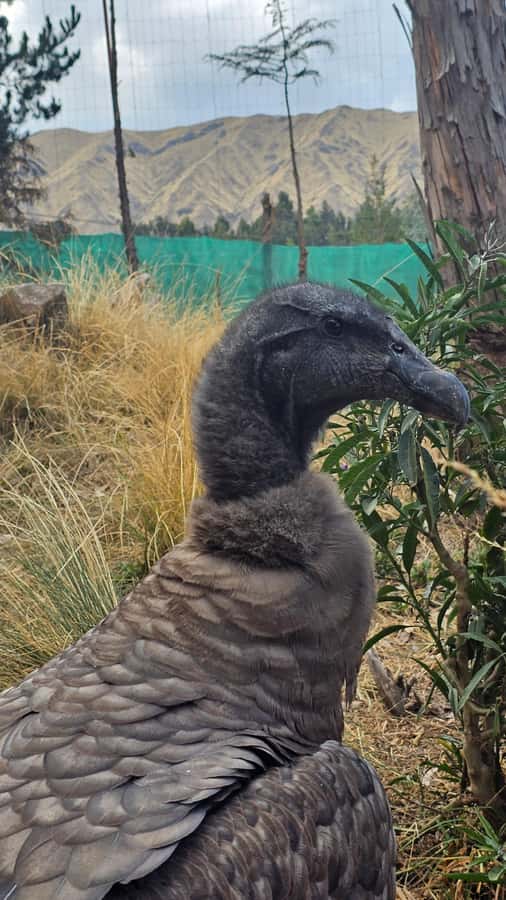
- Up close with alpacas and llamas, plus vicuñas and huanacos
- Quick guide to what you’re seeing (so it clicks)
- The Inca connection: why camelids mattered on a practical level
- Weaving demonstration: turning fiber into textiles the old way
- What you’ll likely take away
- Timing and pacing: how 150 minutes can feel
- The role of the guide: what to look for when you arrive
- Price and value: does $34 make sense?
- Shopping at the end: how to avoid feeling cornered
- Who should book this alpaca and llama farm tour
- Should you book it? My decision guide
- FAQ
- How long is the Cusco Alpaca and Llama Farm Tour?
- What languages is the live tour guide available in?
- Does the price include hotel pickup and drop-off?
- What’s included in the farm experience?
- Is this tour wheelchair accessible?
- Can I cancel for a full refund?
Key highlights to know before you go
- 20-minute transfer from the historic center, so this feels easy even with limited time
- Manos de la Comunidad guided farm visit with live context (Inca and camelid history)
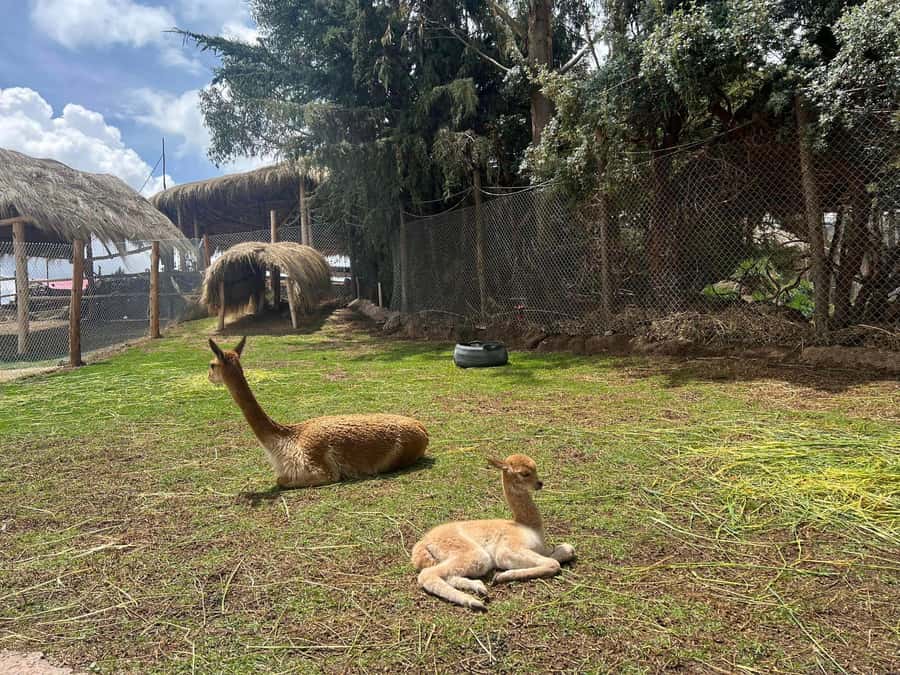
- Alpacas, llamas, vicuñas, and huanacos—multiple species in one stop
- Weaving demonstration focused on traditional skills used to produce textiles
- Photo-friendly animal time with plenty of chances to ask questions
- Skip-the-line via a separate entrance, plus water included
Leaving Cusco: the short ride to Manos de la Comunidad
Cusco is loud. This tour gives you a fast route away from the noise. You get picked up from your hotel and transferred to the farm, located about 20 minutes from the historic center. That matters because it keeps the outing feeling low-stress—especially if you’re still adjusting to altitude.
Once you arrive, the setting does the work. It’s calmer than the city streets, and you can focus on what the guide is telling you. Even the ride up helps you feel like you’re leaving the “tourist zone” behind, without giving up half a day.
You can also read our reviews of more tours and experiences in Cusco.
Up close with alpacas and llamas, plus vicuñas and huanacos
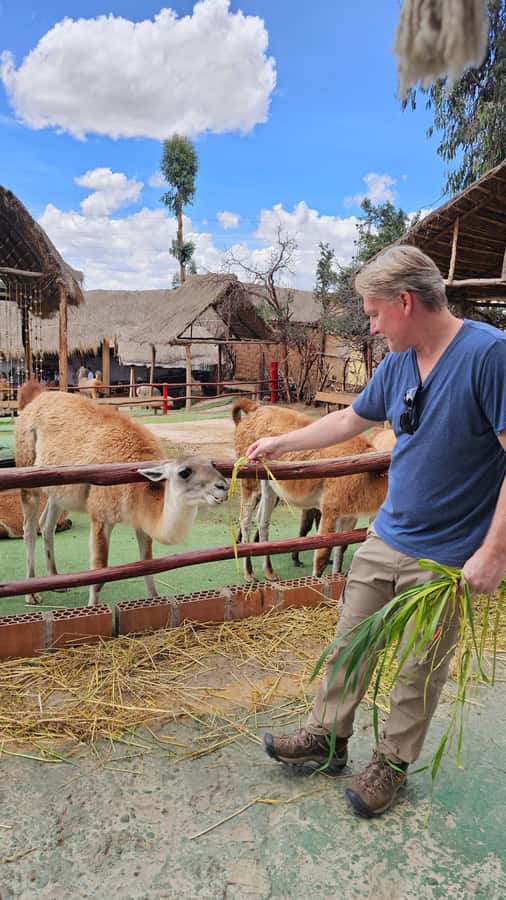
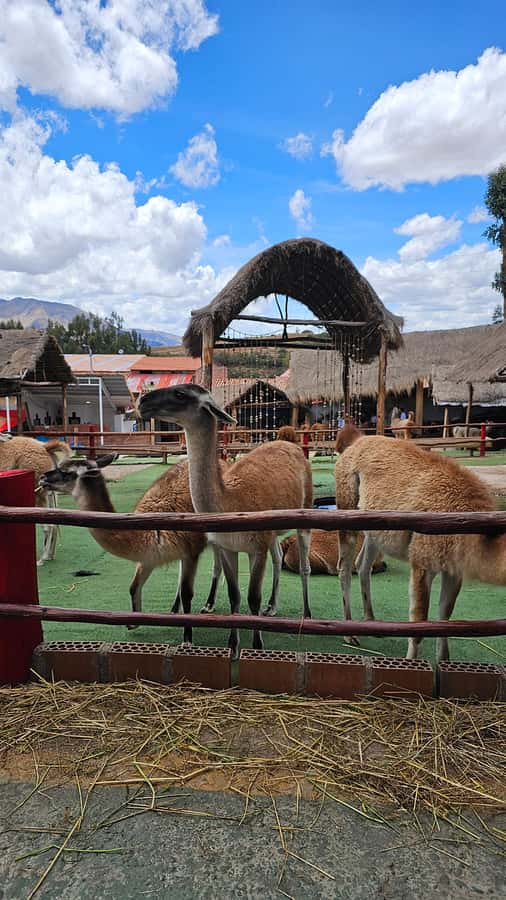
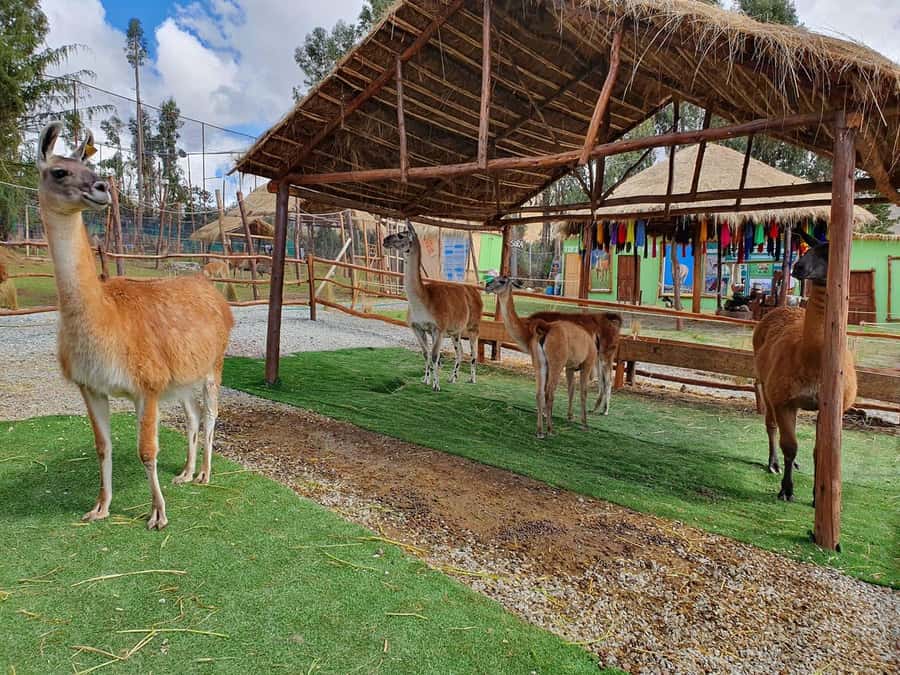
The whole point is the animals, and the farm is set up so you can actually see the differences. You start by learning about ancient South American camelids and how domestication changed their relationship with humans. The guide explains what the Incas developed and why these animals mattered beyond just farming.
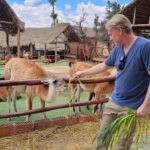
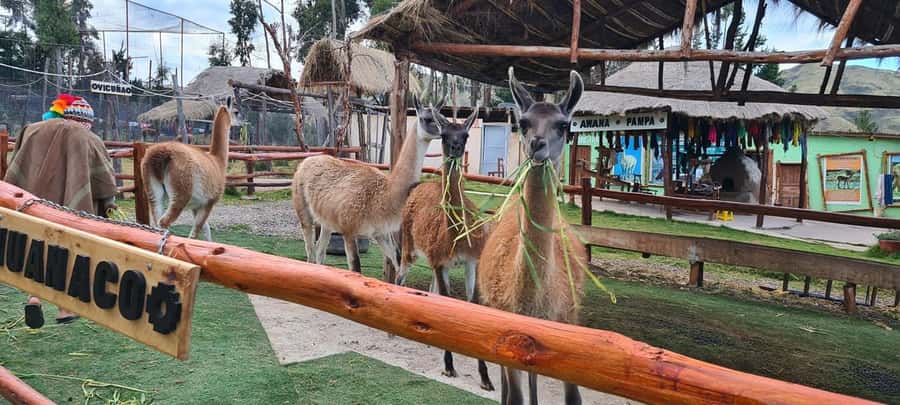
Then you move from story to sight. You’ll discover two varieties of alpacas and llamas, and you’ll also meet their ancestors and relatives—specifically huanacos and vicuñas. You’re not stuck in “look but don’t touch” mode either. In many instances during this kind of visit, you’ll get hands-on time like petting and even feeding the animals by hand. If that’s your style, you’ll likely love how close you get.
Quick guide to what you’re seeing (so it clicks)
Here’s the mental framework I found most useful while watching the animals and listening to the explanations:
- Alpacas and llamas are the domesticated stars of the wool-and-textile world.
- Huanacos and vicuñas help you understand the broader camelid family and the “who came first” story.
- Once you know that relationship, the rest of the tour—especially weaving—makes more sense.
If you’re the type who likes to ask questions, this is a strong stop. Many guides on these tours are very willing to answer and help with photos, including tips on where to stand for the best shots.
The Inca connection: why camelids mattered on a practical level
It’s easy to treat alpacas as a modern souvenir. The tour tries to do the opposite. You’ll hear about ancient days in Peru and how camelids were tied to daily life. That’s the value of the guided part: it connects animal care, fiber, and textile work back to a longer timeline.
The best part is that you’re not stuck with vague history. The guide ties what you’re seeing—coat type, species differences, and fiber quality—to why these animals were valuable in Inca-era life. It also sets you up to appreciate the weaving demonstration as more than a craft show. It becomes a system: animal to fiber to cloth to clothing to identity.
Weaving demonstration: turning fiber into textiles the old way
After the animal time, you shift gears to textiles. You’ll watch a weaving demo that focuses on traditional weaving techniques and the skills used to produce textiles. This is where the tour becomes more than a farm visit.
If you care about authenticity, pay attention to how the guide explains the materials and the process. One strong benefit of these tours is that they often include practical details. In past sessions, guides have talked about how to spot real alpaca-related textiles versus fakes, and they’ve also covered dyeing alongside weaving. Even if you’re not trying to buy anything, that kind of info changes what you notice when you see sweaters and scarves later.
What you’ll likely take away
When the weaving part works (and it usually does here), you leave with three clear ideas:
- Wool isn’t just wool—it comes from specific camelid types and different fiber traits.
- Weaving is skill-based. It takes time and training, not shortcuts.
- Textiles carried economic and cultural weight, not just fashion value.
Timing and pacing: how 150 minutes can feel
On paper, the total experience is about 150 minutes. In practice, you’ll spend part of that time traveling, part in guided farm exploration, and part on weaving. One guide-led segment runs around 80 minutes, so you’ll have enough structure to cover the key topics without turning it into a long slog.
That said, there’s a common warning to respect: the schedule can feel a bit fast if you want maximum face-time with every animal. A few people have noted it felt rushed or shorter than expected. I’d treat that as a cue to set your expectations: this is a short, efficient tour, not a half-day wandering session.
My advice: enjoy what you can, ask questions when they matter, and don’t plan on lingering at the last animal enclosure forever. If you want a slower pace, consider pairing this with another shorter cultural stop elsewhere.
The role of the guide: what to look for when you arrive
The guide is the difference between a farm you visited and a farm you understood. Many sessions shine because the person leading the tour is friendly, answers questions, and helps with photos. Different guides have been mentioned by name in past bookings—people like Marileth, Marlith, Holger, Olga, Marley, and Maylith. You might not get the exact same guide, but this gives you a sense of the kind of leadership that tends to make the experience work.
When the guide is good, you’ll notice it in small ways:
- They explain the camelid differences in plain language.
- They keep the tour moving without making it feel like you’re being herded.
- They connect the animal care and wool story to the weaving demo in a way that makes sense.
If you’re traveling with kids or you just get curious fast, bring that energy. The structure is built for questions.
Price and value: does $34 make sense?
$34 per person is not a bargain price, but it also doesn’t feel like a tourist-tax. For that amount, you typically get:
- Hotel pickup and drop-off
- A live guide in English or Spanish
- A guided farm visit
- A weaving demonstration
- Water included
That’s a lot packed into roughly 2.5 hours. In other words, you’re paying for convenience plus guided learning, not just the ability to stand near animals.
Is there any “what to watch for” around value? Yes: the ending shop. Many people like the craft items, but some have flagged that prices can feel high. If you don’t want to overspend, treat the shop like a viewing area. If you do want to buy, compare prices and ask what the yarn is made from before you commit.
Shopping at the end: how to avoid feeling cornered
A lot of Cusco-area experiences include a shop, and this one is no exception. There can be a sizable retail area at the end, and some people have felt it was a bit too watchful. Still, others noted there was no pressure to buy, and that the outlet can be educational too.
My practical take:
- If shopping isn’t your priority, plan to browse, take your time, then walk away.
- If you do buy, go in with a budget and a question or two about fiber type.
- If you’re sensitive to sales attention, keep your headphones off and your boundaries clear—politely.
And yes, a few people have pointed out price differences for similar yarn or products elsewhere. That doesn’t mean the shop is bad. It just means you should shop intentionally, like you would anywhere.
Who should book this alpaca and llama farm tour
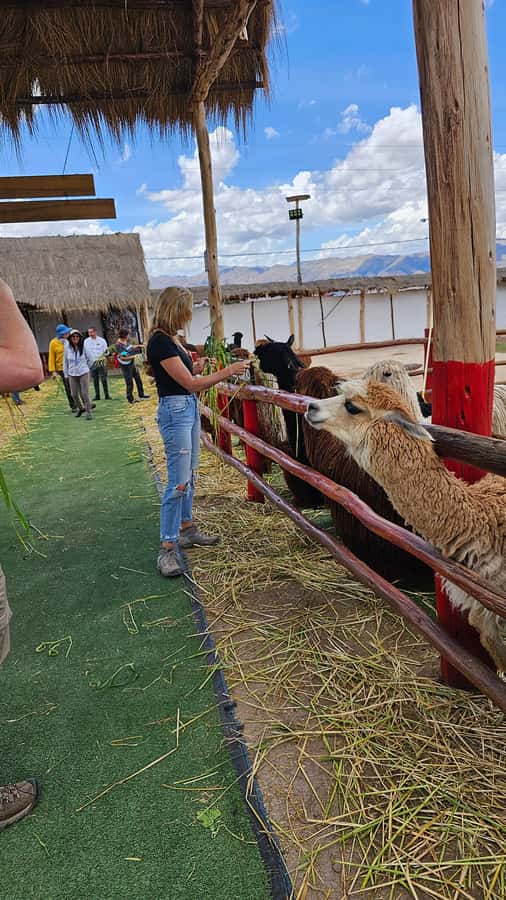
This is a great fit if you want a “best of” visit without long travel. It works well for:
- First-timers in Cusco who want a quick win that doesn’t eat a whole day
- People who like animals but also want cultural context (Inca story + textiles)
- Travelers who enjoy hands-on demos and photo time
- Anyone who wants a gentle activity while adjusting to altitude
If you prefer solitude, you might find it less ideal, because it’s a guided group experience with a set schedule. And if you’re a slow-and-steady “take my time” type, you may want to plan extra downtime afterward instead of rushing to the next stop.
Should you book it? My decision guide
If you want a practical, short Cusco outing that combines real animal encounters with a weaving demonstration, I’d book this. The value comes from the pairing: camelids aren’t treated as a one-note gimmick. You learn why they matter and you see how that matters again when textiles are made.
I’d hesitate only if:
- You hate shops that feel too sales-focused
- You need very slow pacing and lots of time per enclosure
- You’re only interested in animals and don’t care about weaving or the cultural links
If you’re on the fence, here’s an easy strategy: go hungry for questions during the animal portion, then enjoy the weaving demo as your “take-home knowledge.” Do that, and the $34 becomes easier to justify.
FAQ
How long is the Cusco Alpaca and Llama Farm Tour?
The total duration is 150 minutes.
What languages is the live tour guide available in?
The guide leads in English and Spanish.
Does the price include hotel pickup and drop-off?
Yes. Hotel pickup and drop-off are included.
What’s included in the farm experience?
You get a guide, the farm visit, a weaving demonstration, and water.
Is this tour wheelchair accessible?
Yes, it’s wheelchair accessible.
Can I cancel for a full refund?
Yes. You can cancel up to 24 hours in advance for a full refund.