REVIEW · NAIROBI
Nairobi: Tea Farm Day Trip with Lunch at kiambethu
Book on GetYourGuide →Operated by SAFARI LINKS AFRICA LTD · Bookable on GetYourGuide
Tea country is an easy Nairobi day. I love the tea tasting right where it’s grown and the chance to pick tea leaves, then make your own orthodox tea samples; the main drawback to plan for is that pickup timing and on-time arrival can be inconsistent.
This tour is built around the real work of tea—from the fields to roasting, hand-rolling, drying, and packaging—and it does it in a beautiful setting that includes gardens and an indigenous forest. You’ll also get a proper farm day feel, with a host talk, a forest walk to a waterfall, and a garden bonfire to wrap things up.
For most people this is a fun break from city time, and it’s wheelchair accessible. The one consideration: the tour runs on a tight schedule (welcome at 11:00 AM, lunch around 1:00 PM), so build in a little buffer if you’re sensitive to delays.
In This Review
- Key Highlights You’ll Feel in Real Life
- Why Kiambethu Tea Farm Works as a Nairobi Day Trip
- How the Day Unfolds: 11:00 AM Tea Welcome to Bonfire Wrap-Up
- Practical timing reality
- Tea Fields and Purple Tea: What the Farm Tour Really Teaches
- Tea Picking and Orthodox Tea-Making: Hands-On Skills You Can Take Home
- Forest Trek to a Local Waterfall: A Cooler, Calmer Midday Break
- Lunch at the Farm: Three Courses, Local Ingredients, Real Calories
- Price and Value: The $44 Base Plus the Cash Entry Fee
- Getting There: Pickup Timing and Language Fit Matter
- What to Bring (and What to Skip) for a Smooth Tea Day
- Who Should Book This Tour at Kiambethu?
- Should You Book This Kiambethu Tea Farm Day Trip?
- FAQ
- What is the tour duration?
- What time does the day start, and when is lunch?
- Is pickup included, and where does it start?
- What does the price include?
- Is there an extra entry or activity fee?
- Which languages is the live tour guide available in?
- What should I bring and wear?
Key Highlights You’ll Feel in Real Life
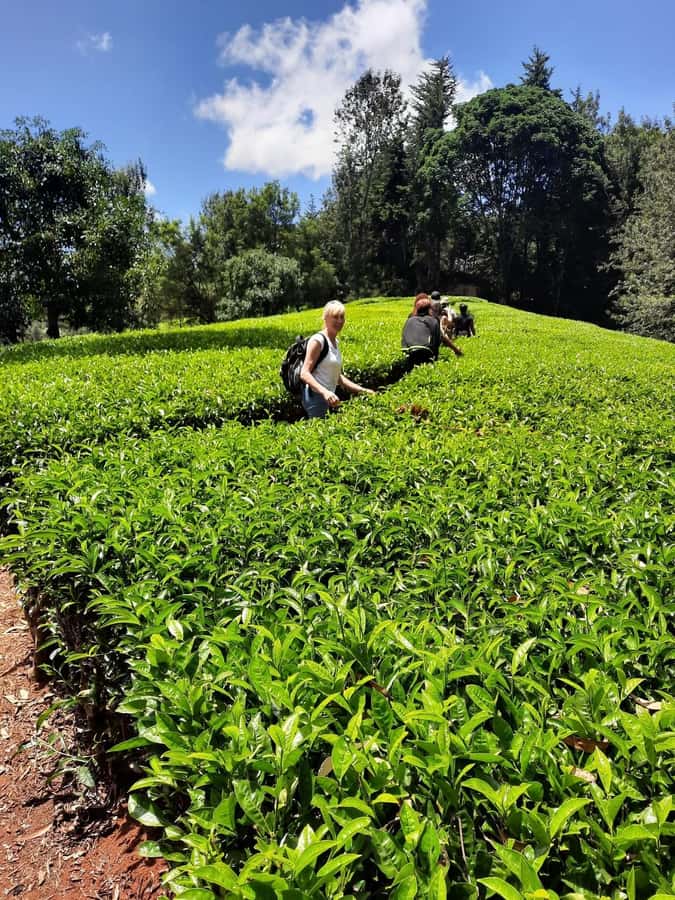
- Purple tea is part of the guided explanations in the fields, and it’s more than a label on a brochure.
- Hands-on tea picking with guidance from experienced tea pickers gives you a feel for how labor-intensive tea really is.
- Orthodox tea production is taught step-by-step: roasting, hand-rolling, drying, and packaging.
- Historic farm site includes gardens plus an indigenous forest for a more rounded Kenyan countryside experience.
- Forest walk to a waterfall includes time to cool off with a refreshing dip.
- Three-course buffet lunch is served around 1:00 PM, and it’s farm-fresh and included.
Why Kiambethu Tea Farm Works as a Nairobi Day Trip
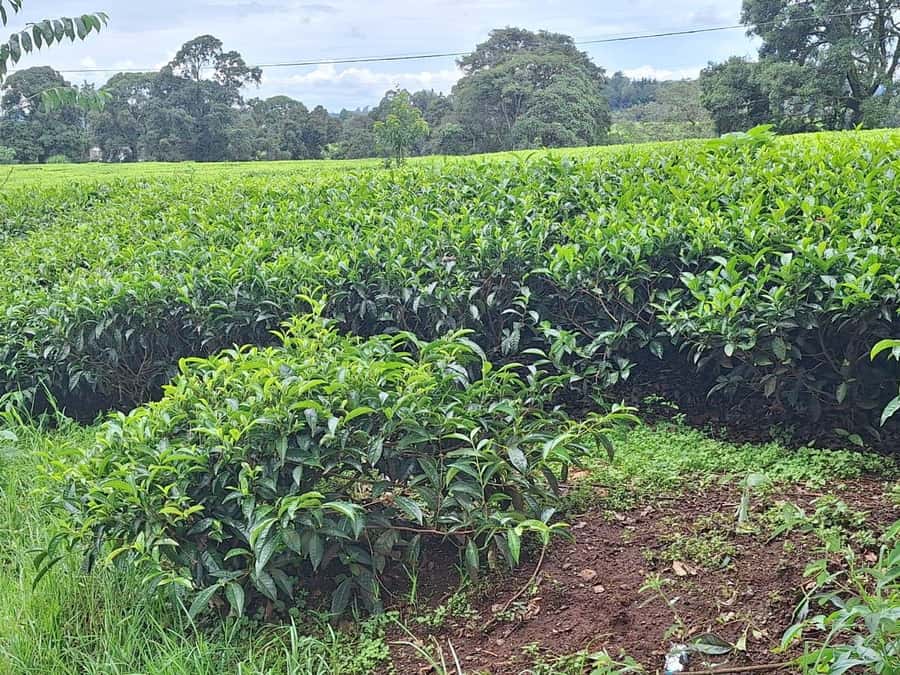
Kiambethu Tea Farm is the kind of outing that makes Nairobi feel closer to nature. You’re not just looking at tea plants—you learn how the farm runs and what turns leaves into the cups you know.
The value here is that the tour connects three things most day trips separate: tea tasting, tea picking, and tea processing. Even if you’ve toured factories before, this feels more human because you see the work happening in the fields and understand the steps that happen after harvest.
It’s also a setting where time slows down. Gardens, indigenous forest, and a waterfall stop turn the day into more than a classroom. If you like practical experiences—hands, taste, walking—you’ll have an easy time enjoying the schedule.
You can also read our reviews of more tours and experiences in Nairobi.

How the Day Unfolds: 11:00 AM Tea Welcome to Bonfire Wrap-Up
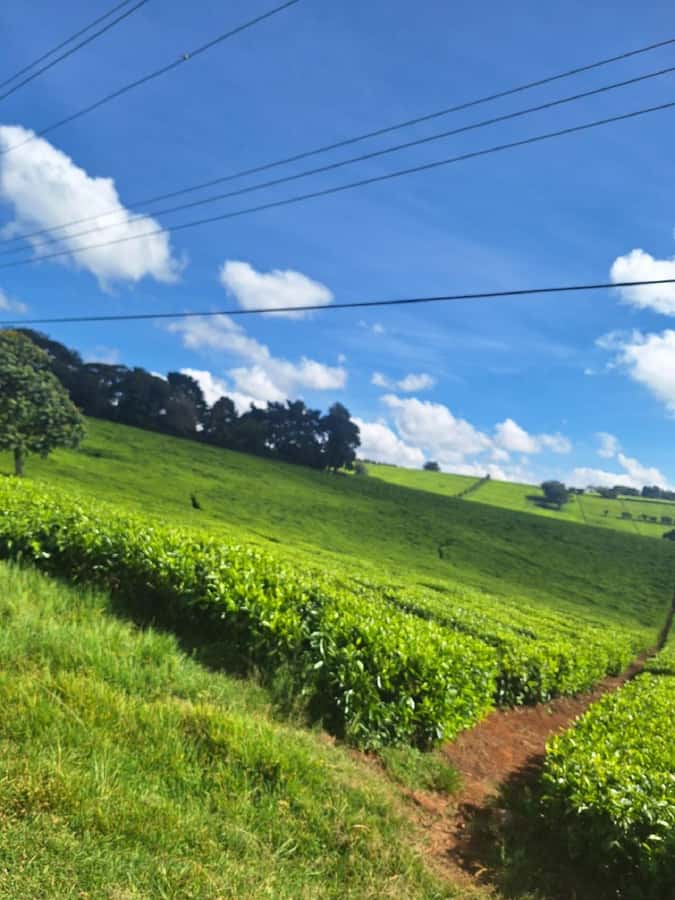
The day is built around an 11:00 AM start, with a morning welcome that includes freshly brewed tea and snacks. Expect the first stretch to set context: you’ll hear the story of the farm and what makes this place special.
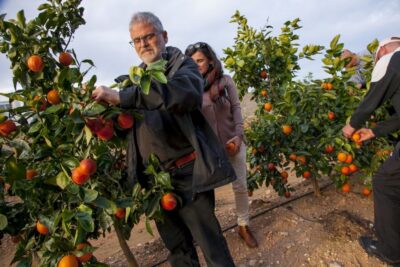
A short time later, you shift into the farm experience with guided exploration through the tea fields. This is where you’ll learn how tea is grown and harvested, and you’ll also hear about special traits like purple tea.
Lunch is served at about 1:00 PM and is a three-course buffet from the tour’s set menu. After that, the pace picks up again with the tea processing experience (roasting, rolling, drying, packaging) and a forest trek that ends at a local waterfall.
The day finishes with a bonfire in the gardens, which is a nice, low-pressure ending. It’s a good moment to compare what you tasted in the morning with what you took part in later—without rushing back out the door.
Practical timing reality
Because pickup and arrival timing can vary, I’d treat the first hour as the most schedule-sensitive part. If you want the full host talk, arrive early at your pickup spot and keep your phone ready.
Tea Fields and Purple Tea: What the Farm Tour Really Teaches
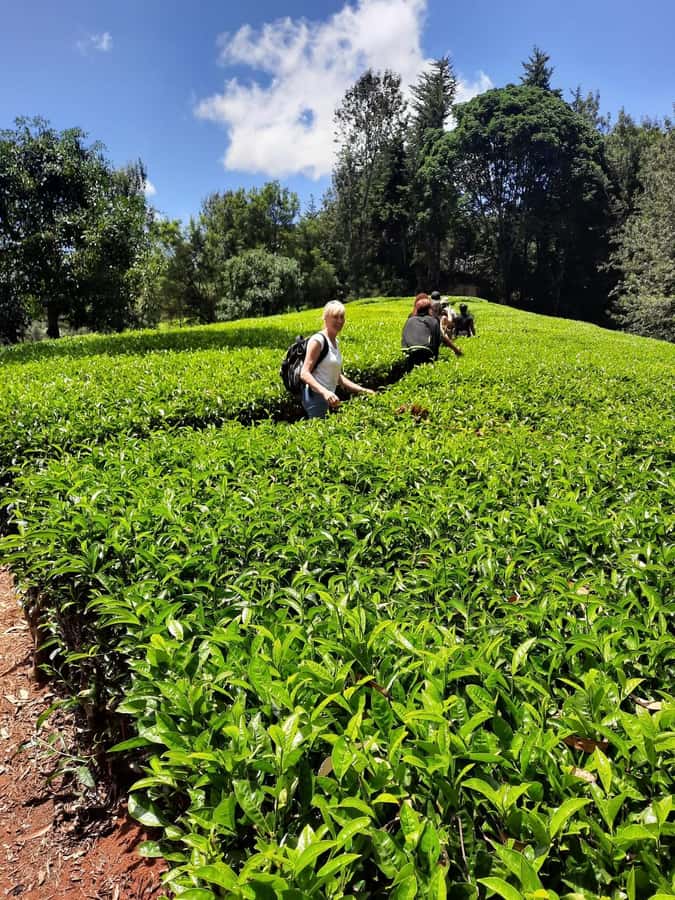
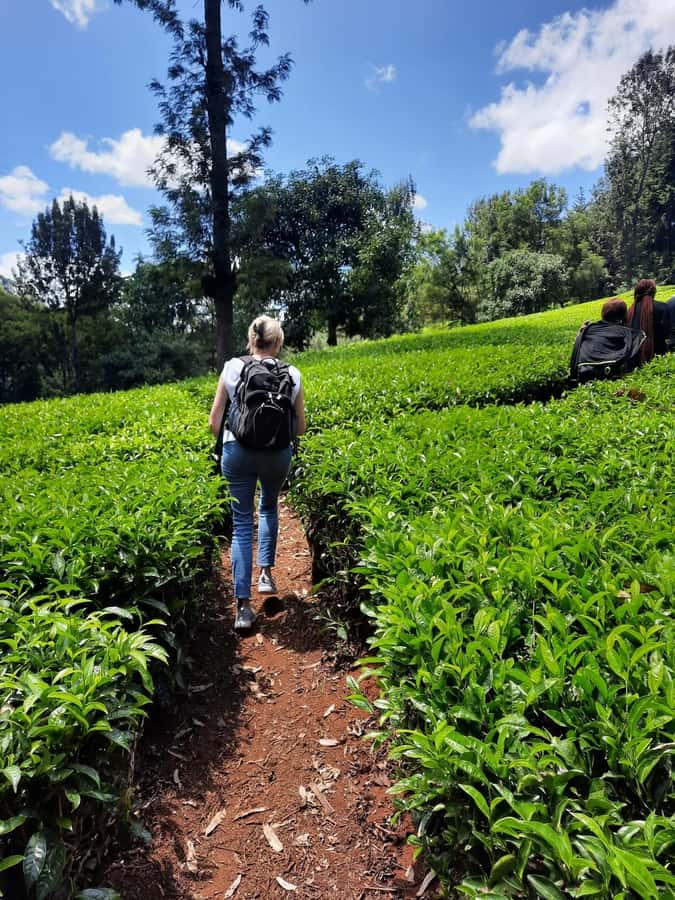
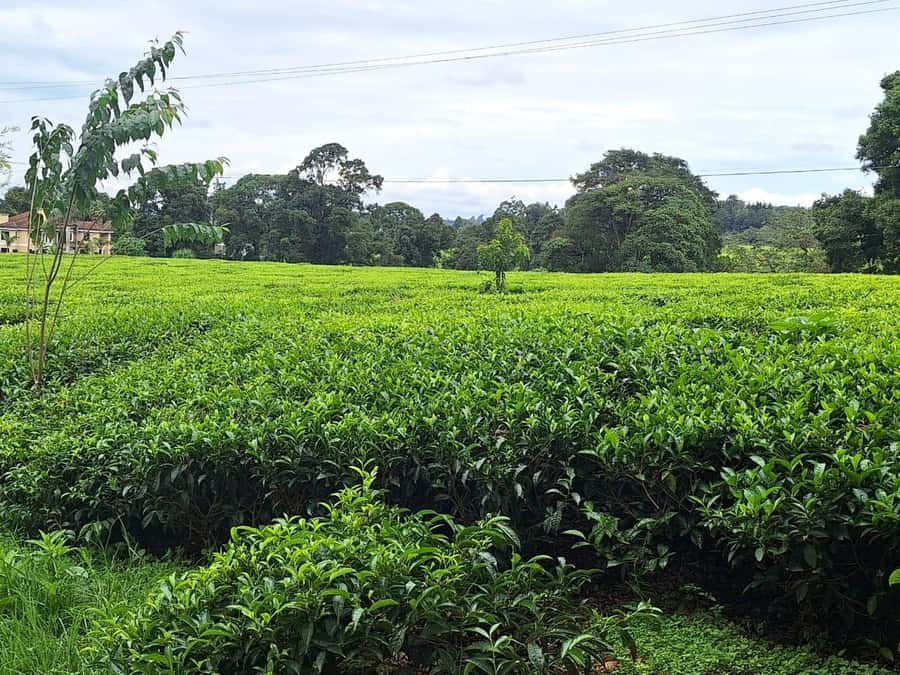
On the guided tour, you’ll walk through the tea fields while your guide explains the basics of how tea plants are cultivated and why harvest timing matters. This is the part that turns tea from a supermarket item into a crop with seasons and handling.
One detail worth paying attention to is the mention of purple tea. Even if you’re not deep into tea science, it helps to hear how farmers talk about unique qualities and what people look for in different teas.
This is also where the historic farm context lands. You’ll see the plantation setting and the way the site includes more than just production—gardens and indigenous forest are part of the day. That matters because you’re not only learning about leaves; you’re also understanding the place tea lives.
You’ll likely get small tasting moments as you go. The point isn’t to become a tea critic—it’s to connect the plant to the cup while it’s still fresh in your mind.
Tea Picking and Orthodox Tea-Making: Hands-On Skills You Can Take Home
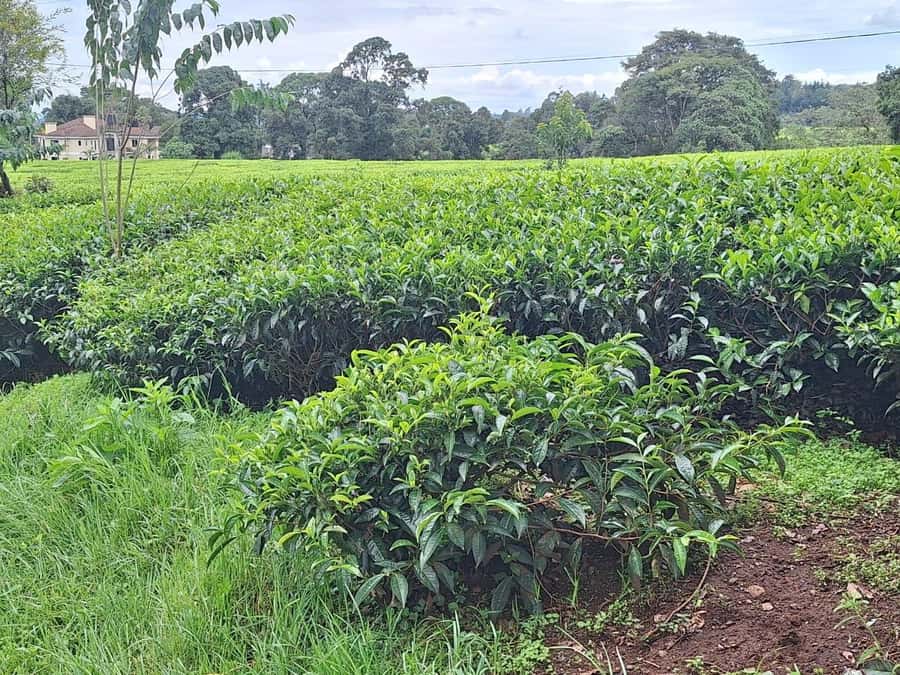
Tea picking is one of the most satisfying parts of this tour because it’s physical and practical. You’ll try your hand at picking tea leaves with guidance from experienced tea pickers, and you’ll learn the right techniques instead of just being handed a basket.
What makes this step valuable is that it shows you why tea isn’t just “growing.” Picking is careful work. It also helps you understand why processing steps exist—leaves have to be handled in a way that creates the flavor you’ll taste later.
After picking, the tour moves into orthodox tea production, where you get a real look at the workflow behind specialty tea. You’ll participate in the process stages described on the schedule:
- roasting
- hand-rolling
- drying
- packaging
That “packaging” part is especially memorable, because it gives you a souvenir that feels earned. It’s one thing to buy tea in a shop; it’s another to understand the steps that shaped it.
You’ll also have tea tasting and tea-based sampling during the day. If you enjoy food experiences where you can taste the impact of each step, this part of the tour is where the “why” starts to click.



Forest Trek to a Local Waterfall: A Cooler, Calmer Midday Break
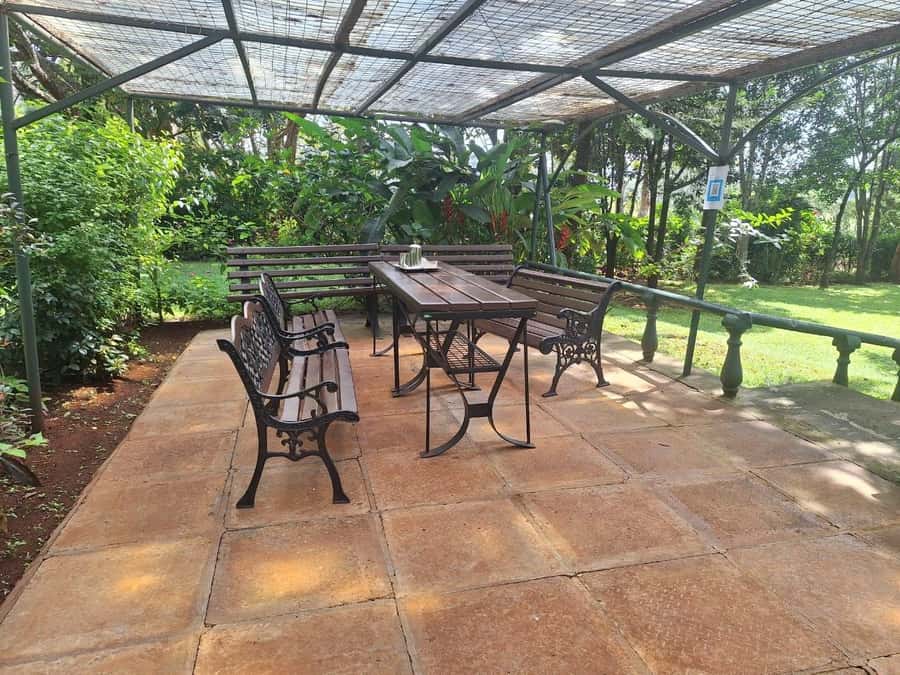
After the tea-heavy learning, the day shifts into nature. You’ll take a nature walk through the nearby forest, focusing on indigenous plants and the wildlife you might spot along the way.
The trek culminates in a visit to a local waterfall, where you can take a refreshing dip. This is a smart design choice for a day tour: it gives your body a change of pace from walking between fields and workshop activities.
Because the schedule includes multiple walking blocks, comfortable shoes really matter here. You’ll also want sun protection—sunscreen is listed as a must-bring item for a reason.
If you’re the kind of person who likes to step out of the “tour” mode and just move, this is the stretch that usually delivers the best reset.
Lunch at the Farm: Three Courses, Local Ingredients, Real Calories
Lunch is served around 1:00 PM and is described as a three-course buffet lunch from the tour’s set menu. It’s included, which helps keep the day feeling like a true all-in experience rather than a series of add-ons.
The meal is built around farm-fresh, locally sourced ingredients. That tends to make a big difference when you’re spending hours in a rural setting—food becomes part of the journey instead of something you squeeze in.
One extra detail that shows up in firsthand feedback: you may see how the farm connects dairy to treats, including cream and milk used in ice cream. You’ll also likely encounter tea-time biscuits in the garden setting.
If you’ve toured tea places before, here’s what you should appreciate: they’re not treating lunch as filler. It’s scheduled, it’s included, and it fits the farm rhythm.
Price and Value: The $44 Base Plus the Cash Entry Fee
The tour price is listed as $44 per person, but you should plan for an additional cash payment on arrival: an activity and entry fee of $42 payable in USD or Kenyan shillings.
So for budgeting, think of it as roughly $86 total before any personal extras like tips or extra souvenirs. The question is whether that’s worth it.
In my view, it can be, because you’re not just paying for transport. You’re paying for:
- pickup and drop-off
- transport in a car or tour van
- tea tasting and tea-based sampling
- tea picking and the tea processing experience
- lunch
- soft drinks and bottled mineral water
If you’re the kind of traveler who enjoys food education with hands-on moments, that combination adds up. If you only care about a quick sightseeing photo, it’s easier to feel the cost—because the day is structured around the tea work.
Getting There: Pickup Timing and Language Fit Matter
This tour includes hotel pickup from multiple Nairobi areas, with seven pickup options (including Parklands, Karen, Westlands, Embakasi, Syokimau, and others). Drop-off is also offered at multiple Nairobi locations.
Here’s the practical part: multiple write-ups highlight problems with pickup timing and occasional confusion about addresses. In one case, the driver arrived much later than expected, which caused a late start and meant missing part of the earliest farm discussion. Another issue that showed up is that the transport person and the tour guide may be different people, which can add a layer of coordination.
You can reduce stress with two simple moves:
- Be ready at your pickup point early, not exactly on time.
- If you need a specific language, confirm in advance that your guide can match it (the tour guide language options listed are Esperanto, French, and English).
If you’re easygoing about timing and you treat the day like a countryside experience rather than a clock-based event, you’ll likely be fine. If you’re strict about punctuality, this is the one area to manage carefully.
What to Bring (and What to Skip) for a Smooth Tea Day
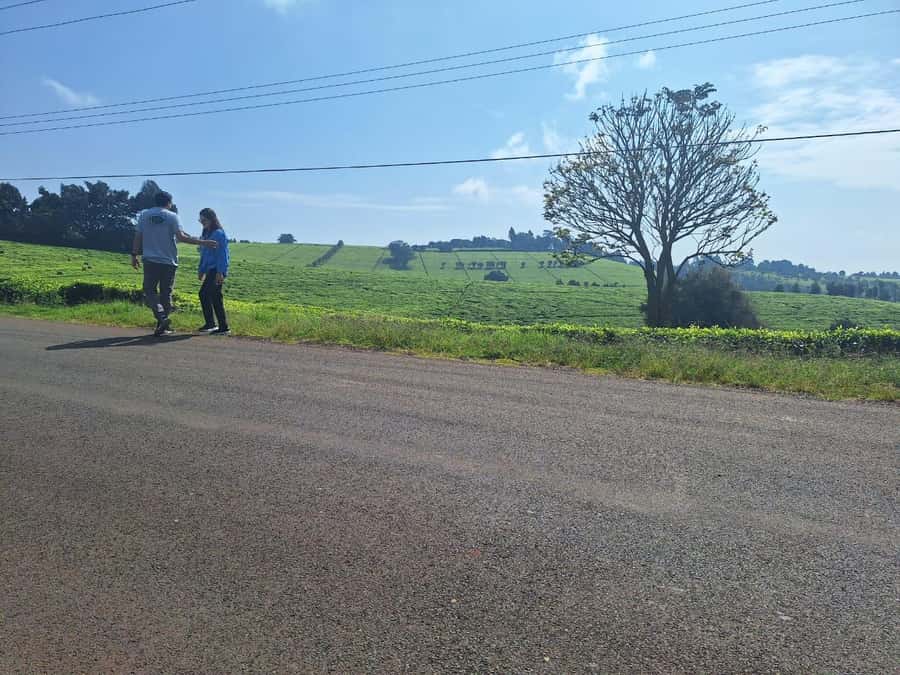
The essentials are clearly listed, and following them makes the day easier:
- comfortable shoes
- camera
- sunscreen
- comfortable clothes
- cash
- a jacket or sweater (helpful to have, given the recommendation)
You’ll also want to remember you’re moving between fields, a workshop-style area, and a forest path. That means you want clothes you can walk in, not just look good in.
On the no-go list: pets, plastic bags, littering, fireworks, and nudity. (Yes, it’s good that it’s spelled out.)
Who Should Book This Tour at Kiambethu?
This tour fits best if you want a full farm day, not just sightseeing. I’d point it toward:
- food lovers who like learning by doing
- travelers who enjoy tasting and want tea to make sense
- families and friends who can share picking and production moments
- anyone who likes a mix of countryside walks plus a planned meal
It may be less ideal if you’re primarily chasing a short, stress-free trip where timing always stays perfect. Because the schedule starts at 11:00 AM and lunch is around 1:00 PM, late pickup can compress your experience.
Also consider your comfort with hands-on participation. Tea picking and production steps are part of the core appeal here.
Should You Book This Kiambethu Tea Farm Day Trip?
If you want the best odds of satisfaction, book it for the tea picking + orthodox tea-making experience and the farm setting that includes gardens, indigenous forest, and a waterfall. The fact that tea tasting and lunch are included makes the day feel complete.
Before you go, plan for the one real risk: transport punctuality and language match. If you’re flexible and you show up early for pickup, you’ll likely end the day with more than photos—you’ll leave with a sense of how tea becomes tea.
If you’re after a quick photo stop only, or you can’t handle schedule slippage, you might prefer a simpler tea tasting option. But for a full 7-hour farm day with hands-on learning, Kiambethu is a strong pick.
FAQ
What is the tour duration?
The tour duration is listed as 7 hours.
What time does the day start, and when is lunch?
The schedule indicates a morning welcome with tea and snacks, with the start at 11:00 AM. Lunch is served about 1:00 PM.
Is pickup included, and where does it start?
Yes, hotel pickup and drop-off are included. Pickup is offered from multiple Nairobi locations including Parklands, Syokimau, Karen, Westlands, and Embakasi.
What does the price include?
The included items are hotel pickup and drop-off, transport in a car or tour van, tea tasting and tea-based sampling, tea picking and the tea process, lunch, soft drinks, and free bottled mineral water.
Is there an extra entry or activity fee?
Yes. An activity and entry fee of $42 is payable by cash in USD or Kenyan shillings.
Which languages is the live tour guide available in?
The live tour guide languages listed are Esperanto, French, and English.
What should I bring and wear?
Bring comfortable shoes, a camera, sunscreen, comfortable clothes, and cash. The tour also recommends packing a jacket or sweater.