REVIEW · NAIROBI
Riara tea farm tour with lunch and tea tasting from Nairobi
Book on Viator →Operated by Eric Munene · Bookable on Viator
Tea day can quiet the city fast. This Riara tea farm tour pairs a Limuru highlands drive with a guided plantation walkthrough, lunch, and a tea tasting session.
Two things I really like: the tour is run by people who know the process, and you get a hands-on explanation of how tea grows in Kenya, not just a quick photo stop. I also like that lunch is included (BBQ style), with options for vegan and vegetarian diets if you request them ahead of time.
One thing to keep in mind is pacing. It’s about a 5-hour total outing with multiple Nairobi stops before you even reach the tea farm, so if you want only plantation time, you’ll feel the city portions take up part of the day.
In This Review
- Key things that make this tour worth your time
- Nairobi pickup to Limuru Highlands: a structured tea day
- City stops (museum, art gallery, malls) and why they work
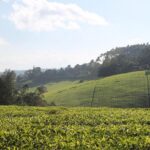
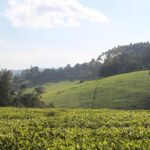
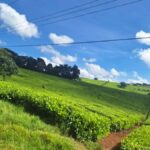
- Entering the Riara tea fields in Limuru
- The farm visit rhythm: tour, lunch, then tea tasting
- Price and value: why $150 can make sense
- What’s included vs what you should plan for
- Who this tour fits best (and who might want to skip it)
- Practical tips to get the most out of the day
- Should you book the Riara tea farm tour?
Key things that make this tour worth your time
- Hotel pickup and drop-off so you spend less effort figuring out transport
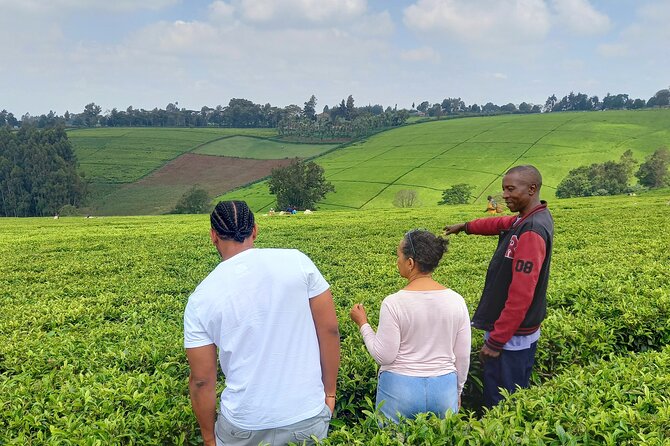
- Farm manager-led tea tour focused on how tea is grown in Kenya
- Lunch plus tea tasting as part of the farm visit, not tacked on later
- Limuru tea country in one morning/afternoon with a clear timing plan (about 3 hours at the farm)
- A full Nairobi orientation drive with museum, malls, and a couple of cultural stops
Nairobi pickup to Limuru Highlands: a structured tea day
This is the kind of day trip that starts with an easy win: hotel pickup and drop-off. You’ll leave Nairobi behind in a private vehicle with all the core costs handled upfront, so you’re not juggling tickets and separate transport once you’re moving.
The drive is about an hour to Limuru, which matters because it turns the tour from a simple farm visit into a real break from the city rhythm. Limuru sits in one of Kenya’s tea-growing zones, so you’re heading into the landscape you came to see—not just stopping near it.
The rest of the outing is built as a loop. Before the tea farm, you’ll make several Nairobi stops that help you place what you’re seeing: a stop at Nairobi National Museum (described as a meeting point of nature, culture, history, and art), then a drive where you see how people live and run business in the city. You’ll also stop by one of the biggest art galleries in Nairobi.
After that, you reach the tea region, where the day becomes more focused and calmer.
If you’re short on time in Nairobi, this format is practical: you get a slice of city life and shopping landmarks (Two Rivers Mall and Village Market in Gigiri) without sacrificing the main goal, which is the plantation experience.
You can also read our reviews of more tours and experiences in Nairobi.

City stops (museum, art gallery, malls) and why they work

This is not a “skip straight to the farm” trip. You’ll see several Nairobi landmarks along the way, and that can be good or annoying depending on what you want from the day.
Here’s what’s on the route:
- Nairobi National Museum area stop, tied to the idea of nature, culture, history, and art meeting in one place
- A drive through Nairobi that’s meant to show everyday life and local business
- A stop at one of the city’s biggest art galleries
- A stop at Two Rivers Mall, described as the biggest shopping mall in East and Central Africa
- A stop at Village Market in Gigiri, described as one of the oldest shopping malls in Nairobi
Why I think this approach makes sense: it gives your brain context. Nairobi can feel like a set of separate places—museum one day, shopping another. This route tries to stitch it together into a single story: city life now, culture in view, then tea country in the next part of the day.
The drawback is obvious: time. A few of those stops are more about seeing than deep exploring. If your only priority is the tea farm, you’ll want to protect your main expectation: most of your attention should go to the Limuru portion, which is where the full tour and tasting happen.
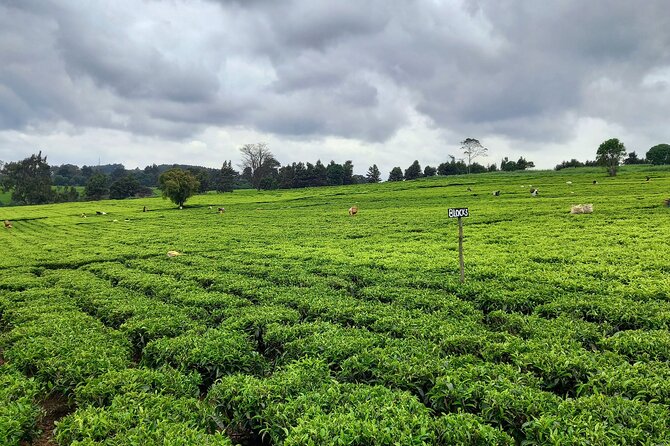
Entering the Riara tea fields in Limuru
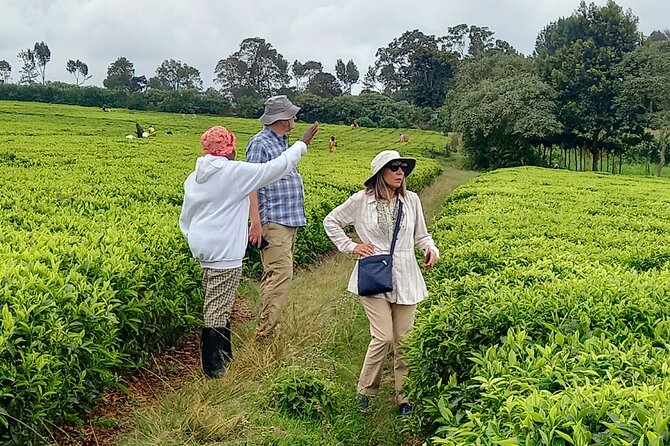
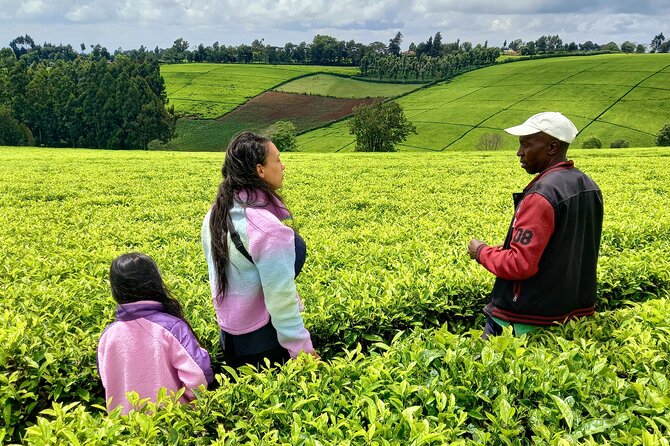
Limuru is one of Kenya’s tea-growing areas, and the Riara tea farm sits right there. When you arrive, you’re welcomed by the farm manager. That’s an important detail. This isn’t just a scenic walk; it’s structured as an education experience led by someone who runs the operation and can answer process questions.
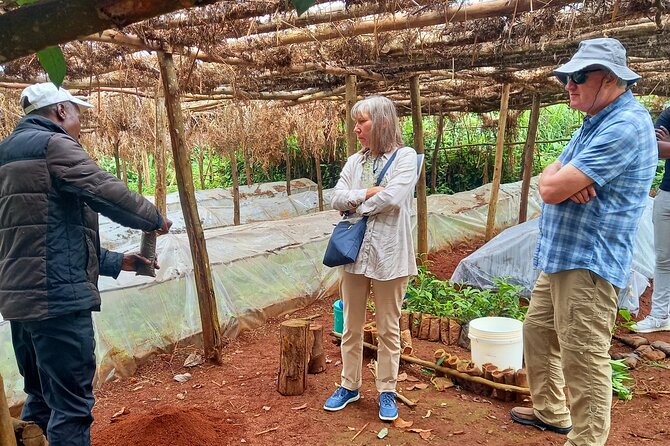
The core plan is a complete tea farm tour. You’ll learn about the process of tea growing in Kenya, step by step, as you move through the farm. The goal is to connect the cup in your hand to what’s happening in the fields—how tea is grown, how it becomes harvest-ready, and how the farm operation fits into the broader tea story of Kenya.
What I like about a farm manager-led visit is that it usually stays grounded. You’re less likely to get vague “tea is special” talk and more likely to get practical explanations tied to real production. And because this tour is private for your group, it’s easier to ask questions without feeling rushed.
There’s also time set aside for an optional tea purchase before you leave. That’s a small but smart touch. If you fall in love with a flavor during tasting, you can actually take some of it home, instead of hoping you’ll find the same brand later.
The farm visit rhythm: tour, lunch, then tea tasting
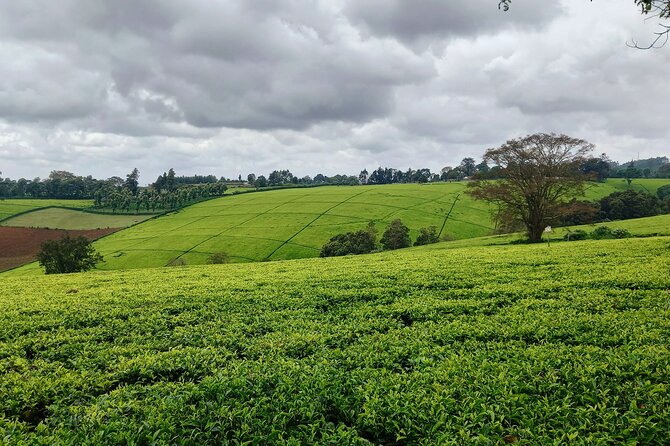
The tea farm portion includes three connected experiences: guided farm tour, lunch, and tea tasting ceremony. The timing is designed so you don’t have to choose between learning and eating.
After the farm manager tour, you’ll be served lunch. The included meal is BBQ style, but there’s real flexibility here: vegan and vegetarian options can be provided if you indicate your dietary requirements when booking.
That matters because tea tours can turn annoying fast when food is one-size-fits-all. Here, you’re not just hoping the kitchen can handle your needs; the tour explicitly offers dietary options with advance notice.
Then comes the tea tasting ceremony. This part is the payoff. It’s where the farm education turns into something sensory. You get to taste tea, compare flavor notes, and connect what you learned about growing and processing to what you taste in the cup.
In the groups led by Eric Munene and Grace, the standout theme from the experience descriptions is how well the guides manage the “from field to flavor” connection—making the explanation understandable and keeping the day friendly rather than stiff.
If you like interactive experiences—asking questions, tasting, and learning in a calm setting—this farm schedule is a good fit.
Price and value: why $150 can make sense
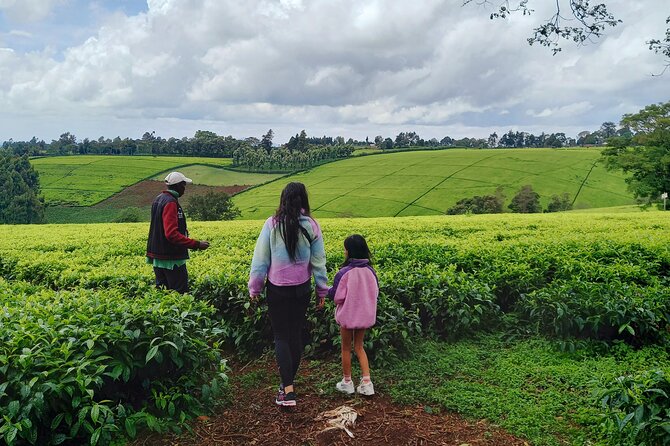
At $150 per person, this is not a budget-only activity. But it’s also not overpriced for what you’re getting, because the cost folds in several major pieces:
- Private transportation plus hotel pickup and drop-off
- All fees and taxes
- Tea farm admission
- A guided farm experience with a farm manager
- Lunch (BBQ style) plus tea tasting
- A guide for the day
Think about the alternative. If you try to do this on your own, you’d likely pay for transport, pay separately for a guided farm visit, and still need to cover lunch and tasting. Here, you’re buying one bundled day with less friction.
Also, the tour is often booked around a month and a half in advance on average. That’s a clue about demand. If you’re traveling in a busy season or with limited dates, booking earlier is smart so you don’t have to compromise your day.
If you’re traveling in a group, ask about the group discount mentioned in the offer. The tour also runs as a private activity for your group, so it can work well for couples, families, or small friend groups who want a less rushed pace.

What’s included vs what you should plan for
Included items are clear and helpful for planning:
- Private transportation
- All fees and taxes
- Admission fees to the tea farm
- Lunch
- Hotel pick up and drop off
- Guide
Not included:
- Tips and gratuities
That last one is where you’ll want to be intentional. If you felt the guides explained things clearly and made the tasting enjoyable, it’s reasonable to budget extra for gratuities. The tour itself does not include tips, so set aside a bit so it doesn’t surprise you on the day.
You’ll also receive a mobile ticket, and confirmation is provided at the time of booking.
Who this tour fits best (and who might want to skip it)
This tour is a strong match if:
- You want a real tea farm experience with a guided explanation, lunch, and tasting
- You’d like Nairobi context on the same day instead of treating the city as separate activities
- You prefer a private-group format with hotel pickup and drop-off
It might not be the best choice if:
- You have very limited time and want to maximize only plantation hours
- You dislike city stops and prefer a straight ride to the farm only
Because the offering says most travelers can participate, it’s broadly welcoming. Just keep in mind that it’s still a full half-day plan with travel time, so it’s not a short, slow stroll.
Practical tips to get the most out of the day
Since the day blends city viewing with a farm visit, I’d plan for comfort more than anything else.
Wear comfortable shoes. You’ll be walking through the farm environment as part of the guided tour. Also, bring something small for your personal comfort, like water and a light layer if you get chilly after being in a vehicle for a while.
And when the tasting starts, slow down enough to notice differences. The point isn’t to rush through flavors; it’s to connect your tastes to what you heard during the farm manager’s explanation.
Finally, if you have dietary restrictions, confirm them when booking. The tour states vegan and vegetarian options can be offered with advance notice, so you’ll get a smoother meal if you tell them early.
Should you book the Riara tea farm tour?
If you’re visiting Nairobi and you want one well-rounded half-day that includes a real tea farm tour, lunch, and tea tasting, I’d book it. The structure is thoughtful: hotel pickup, a guided tea-learning experience in Limuru, then tasting that turns education into something you can actually remember.
I also like that the team behind the experience includes guides such as Eric Munene and Grace, and the overall focus stays authentic rather than “tea factory shopping.” The optional tea purchase is a nice bonus too, because it gives you a way to keep the experience after the day ends.
Book this if you want: learning + food + tasting, with Nairobi context layered in. Skip it only if your priority is strictly plantation time and nothing else.
If you’re ready for a calm, guided day away from traffic, Riara is a solid pick.

![Day out to Galle[Stilt Fishing. Turtle watching.Cinnamon Farm] - Kosgoda Sea Turtle Conservation Project: five types and a short, focused viewing window](https://4.farmtouring.com/wp-content/uploads/day-out-to-galle-stilt-fishing-turtle-watching-cinnamon-farm-400x267.jpg)