REVIEW · NAIROBI
From Nairobi: Kiambethu Tea Farm Tour & Lunch
Book on GetYourGuide →Operated by GRACEPATT SAFARIS · Bookable on GetYourGuide
A tea farm tour can feel surprisingly personal. This one mixes Kenyan history, a walk through an old forest, and a properly guided look at how tea became one of Kenya’s biggest export crops. I especially like the small-group pace and the chance to spot colobus monkeys in the surrounding forest, not just pose for photos. One thing to consider: it’s not a city stop-you-can-squeeze-in kind of outing, since you’re in the car for a big chunk of the day.
You’ll start with pickup from your Nairobi accommodation at 9:30 am and arrive at Kiambethu Tea Estate around 11 am for a warm welcome of homemade biscuits and tea. Then you’ll move through gardens, the tea plantation setting, and a well-preserved indigenous forest with a guide who connects what you see to how tea farming and local wildlife fit together. The 3-course lunch is a real payoff, built around locally sourced ingredients, soft drinks, and tea and coffee—just note that tips aren’t included in the cost.
If you’re hoping for a fast, one-and-done activity with big-name wildlife like you might see on other major parks, keep your expectations calibrated. The forest here is about atmosphere and education, and your wildlife moment is most likely the colobus monkey sightings and smaller forest life.
In This Review
- Key things I’d circle on your itinerary
- Why Kiambethu feels like more than a tea stop
- Getting from Nairobi: pickup timing and what the drive should feel like
- Arriving at Kiambethu: biscuits, tea, and the garden intro
- The tea plantation setting: learning why Kenya’s tea mattered
- Forest walk and colobus monkeys: wildlife viewing that doesn’t feel like a chase
- Lunch at the estate: how to turn a meal into part of the tour
- Price and value: is $160 per person fair for a 6-hour day?
- The practical details that shape your comfort
- Who should book this tour, and who should skip it
- Should you book Kiambethu Tea Farm & Lunch?
- FAQ
- What time is pickup in Nairobi?
- How long is the tour?
- Is lunch included?
- Is tea included when you arrive?
- What wildlife might I see during the forest walk?
- What’s included in the price?
- Are tips included?
Key things I’d circle on your itinerary
- Homemade biscuits and tea at Kiambethu’s main house to start the day the right way
- Tea-making context: you’ll learn how tea became a major export crop in Kenya
- Indigenous forest walk with a focus on wildlife, including colobus monkeys
- 3-course lunch using locally sourced produce, plus tea and coffee
- Full Nairobi transfer from your accommodation, keeping your day stress-free
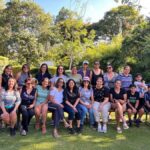
- Small group of up to 15 so questions don’t get swallowed in the crowd
Why Kiambethu feels like more than a tea stop
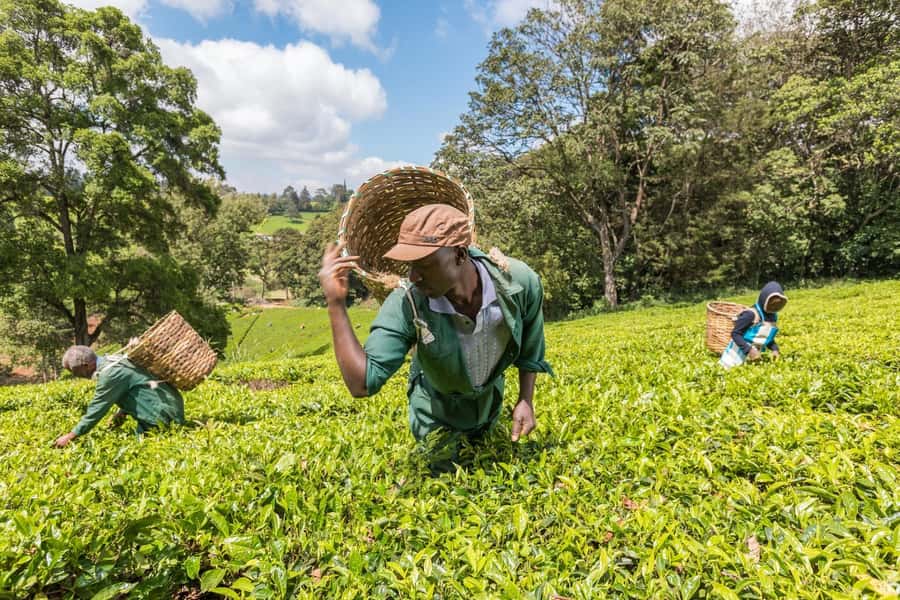
Kiambethu isn’t just a pretty farm with a gift-shop breeze. You’re there to understand the human story and the landscape story at the same time: how tea farming became central to Kenya’s economy, and how the estate’s forest edge supports wildlife. That blend is what makes this outing worth your time.
I like that the tour is built around guided interpretation, not a self-guided stroll. You’ll walk with a professional English-speaking guide described as an expert in African wildlife and culture, which matters because tea plants and forests can look similar across different farms unless someone explains what you’re actually seeing.
The other reason I think it works is the pacing. You start with a snack and orientation, then you walk, and you end with a relaxed lunch. It’s a simple rhythm that helps you absorb both the plants and the history without feeling rushed.
You can also read our reviews of more tours and experiences in Nairobi.

Getting from Nairobi: pickup timing and what the drive should feel like
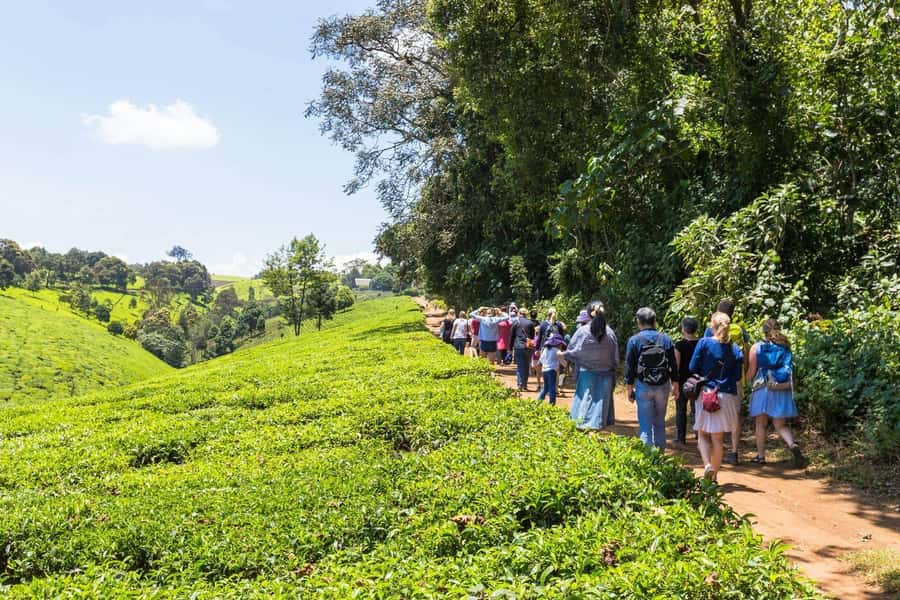
Your day starts with a pickup from your Nairobi accommodation at 9:30 am. From there, you’ll ride toward Central Kenya and arrive at the Kiambethu main house around 11:00 am, which gives you time to settle in before the walking begins.
This tour is designed as a full, guided block, so you shouldn’t plan to stack other activities the same day. You’re giving up a lot of your daylight for transport and the outing itself, and that’s only a “problem” if you’re trying to squeeze too much into Nairobi.
What you can control is your comfort. Wear breathable clothes for the farm walk and bring sun protection because farm and forest edges can get bright even when the day feels mild. If you’re sensitive to car rides, it helps to bring water and something small to snack on before pickup ends, since the day’s first welcome is baked into the estate schedule.
Arriving at Kiambethu: biscuits, tea, and the garden intro
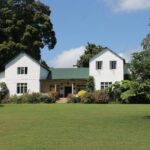
Once you get to Kiambethu Tea Estate’s main house, you’re welcomed with homemade biscuits and tea. This is more than a nice touch. It gives you a “slow start” so you can ask early questions and get the farm layout in your head before you start walking.
After that snack, you’ll stroll through the gardens surrounding the main house. This section works like a bridge between the modern visitor area and the older landscape you’ll explore next. Even if you’re not a plant person, it helps you notice details—how the estate is arranged, where forest lines begin, and how the grounds change as you move toward the indigenous area.
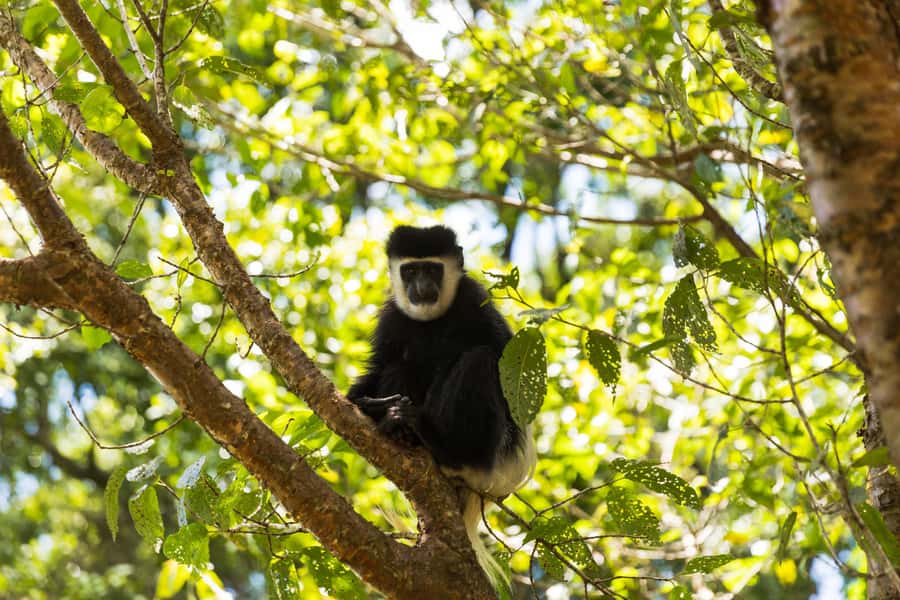
You may also catch a glimpse of the resident colobus monkeys from the property. You’re not guaranteed a close encounter, but seeing them from the grounds is a strong start and sets up the later forest walk.
The tea plantation setting: learning why Kenya’s tea mattered
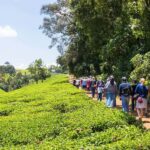
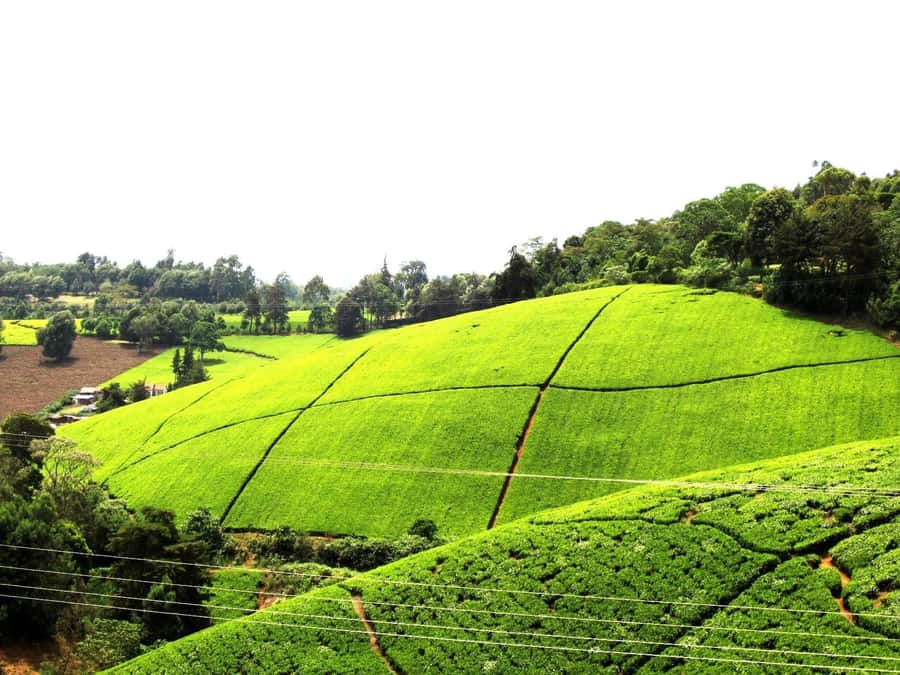
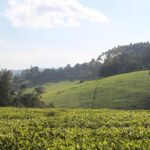
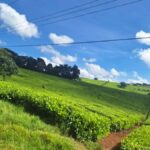
This is where the tour earns its keep. You’ll learn about local history as you walk through the tea plantation area and the surrounding forest. The focus isn’t only on the plant; it’s on what tea farming became for Kenya—one of the largest export crops and a long-term economic engine.
When you hear the story this way, tea becomes less of a generic product and more of a real landscape practice. You start to understand why estates preserve forest patches and how the farm environment connects to wildlife corridors and water cycles. Tea is often explained like a commodity; here it’s explained like a system.
Also, the walk format matters. A guide can point out what to look for as you move—small differences in vegetation, the way the plantation sits against forest edges, and how that shapes what animals choose to do. Without that guidance, you’d likely miss the “why” and just see rows.
Forest walk and colobus monkeys: wildlife viewing that doesn’t feel like a chase
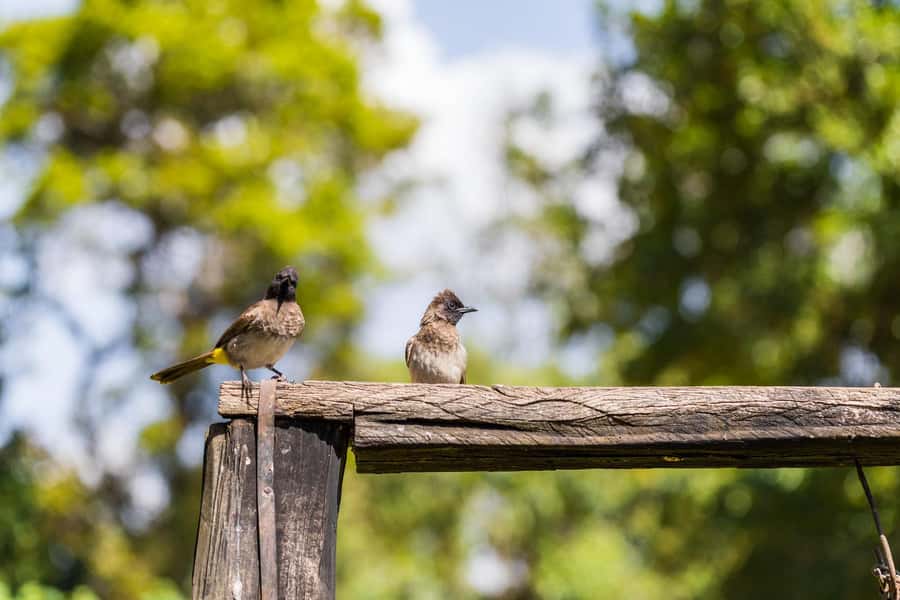
One of the highlights is exploring a well-preserved indigenous forest with your guide. This is the part that feels most grounded in “Kenya nature,” not just agriculture. The guide’s wildlife expertise is key here because it’s not always obvious where animals are active.
Your big wildlife target is the colobus monkey. The tour doesn’t promise a guaranteed sighting, but the odds are better when you walk with someone who knows where these monkeys tend to move and what signals to watch for. Colobus monkeys also tend to be heard or spotted briefly before you get a good view, so patience helps.
Even if you don’t get perfect close-ups, the forest walk gives you something that many short tours skip: the feel of the ecosystem. You’ll understand how the forest edge supports wildlife and why indigenous forest matters in a working agricultural landscape.
Practical note: keep your voice low and your pace calm during any monkey-spotting moment. It’s not just etiquette. It helps your guide read the situation and it makes the experience more rewarding for everyone.
Lunch at the estate: how to turn a meal into part of the tour
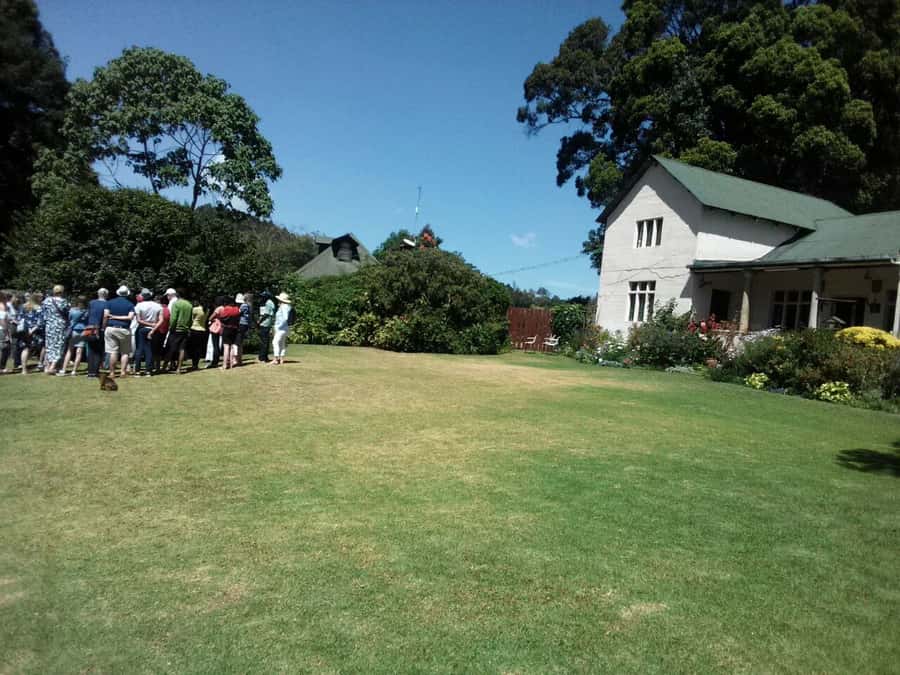
After the walking, you’ll end with a relaxed lunch at Kiambethu. This is a 3-course meal made from fresh, locally sourced ingredients, and it typically includes soft drinks, along with tea and coffee.
What I like about this structure is that it makes the day feel complete. You’re not leaving the farm hungry or eating something generic that tastes like it was designed for speed. Instead, the meal becomes another way to connect you to the region’s food and everyday life.
The lunch timing also helps you reset. If the walk and forest section has you a bit warm or dusty, the meal is a natural decompression point. You’ll have time to cool down, hydrate, and ask follow-up questions before you head back toward Nairobi.
Price and value: is $160 per person fair for a 6-hour day?
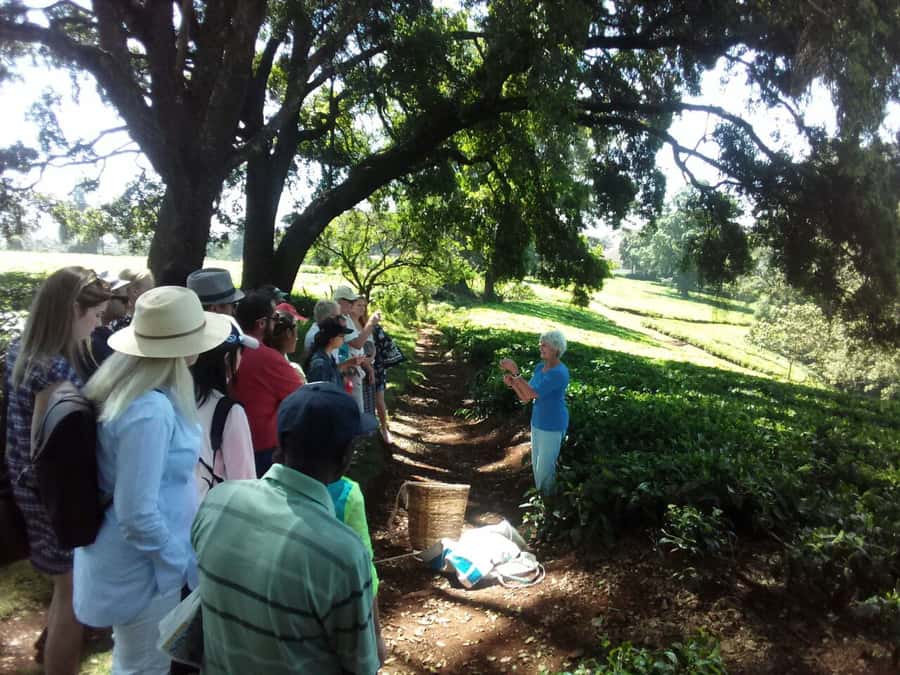
At $160 per person for a 6-hour experience, you should judge value by what’s included rather than just the sticker price. In this case, you’re not paying only for a meal or only for a guided walk.
Your cost covers pickup and drop-off from your Nairobi accommodation, the entrance fee, lunch plus afternoon tea at the estate, and professional English-speaking guiding. You also get the small-group setting (limited to 15 participants), which tends to make the questions better and the pace more comfortable.
So the real question becomes: do you want a guided cultural-and-nature day with a proper meal, without having to arrange a car and navigate timings yourself? If yes, the price is easier to justify because the logistics are handled.
If you’re the type who prefers to DIY everything, or if you’re mainly hunting for the biggest wildlife moments, you might feel like this is too specific. This is a tea-and-forest experience, not a “go big or go home” safari day.
The practical details that shape your comfort
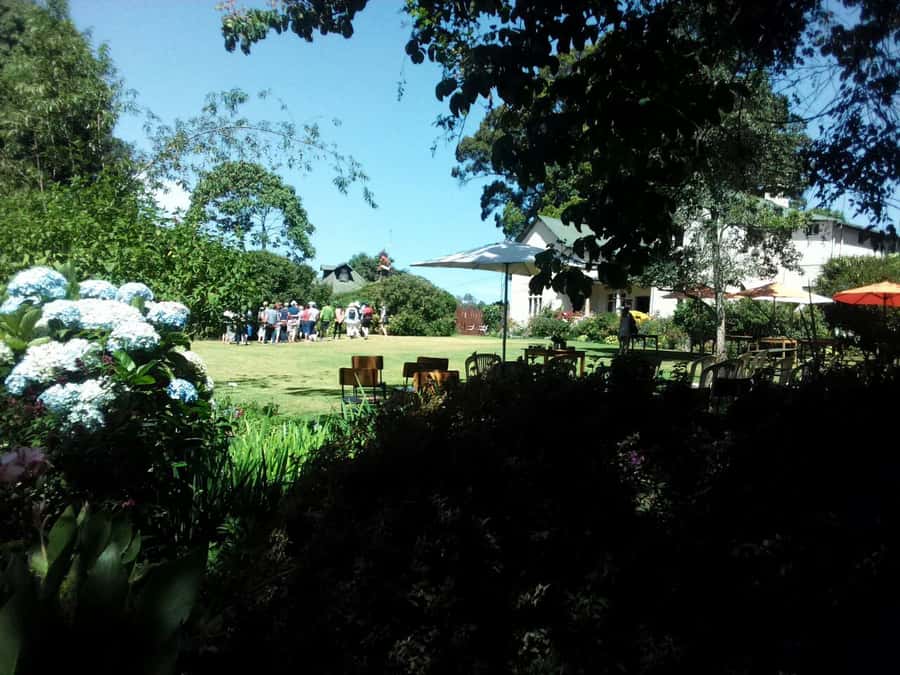
This tour runs with pickup at 9:30 am and returns you to the Haile Selassie Avenue area after your time at the estate. You’ll be with a live English-speaking guide, and the group stays small.
A couple of details matter for planning:
- Tips aren’t included, so set aside some extra cash if you plan to tip your guide and/or driver.
- Pack for comfort on uneven ground. Farms and forest edges can be damp or dusty, and you’ll be walking at least part of the day.
- Bring a hat and sunscreen. Even if the forest gives shade, plantation areas can be sunny.
One more thing: the van ride is part of the day. Even though the schedule is tight, the road time is where you should treat the day as a “whole outing,” not just an activity. It’s easier to enjoy when you’re not trying to squeeze other Nairobi stops between appointments.
Who should book this tour, and who should skip it
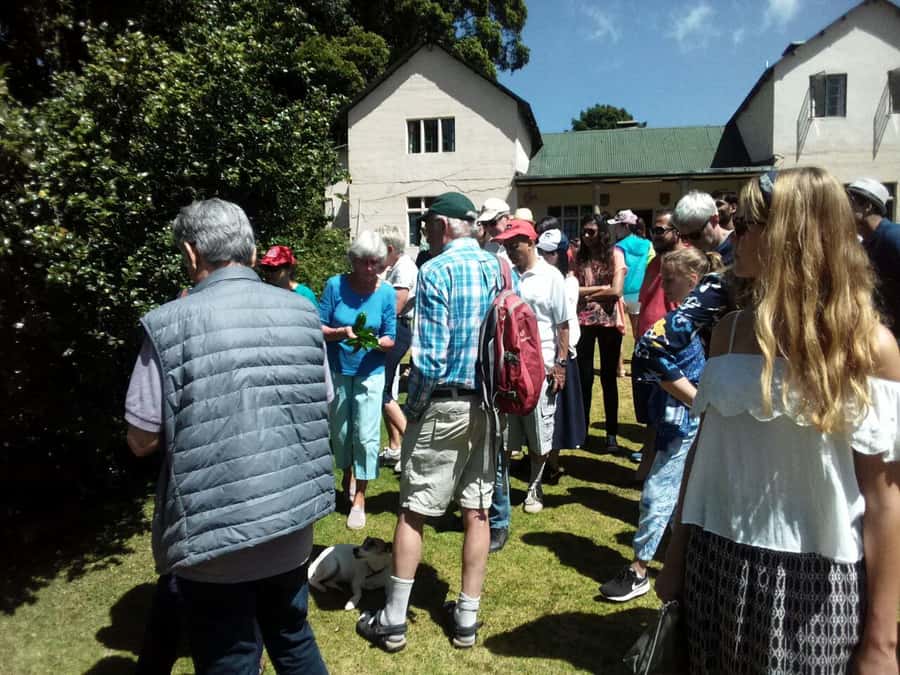
Book it if you want:
- A guided Kenyan experience that mixes agriculture, history, and nature
- A chance to see colobus monkeys during a forest walk (where wildlife viewing depends on patience)
- A real sit-down 3-course lunch that’s included
Skip it if you:
- Want only big-ticket wildlife in huge numbers, like you’d expect from major national parks
- Prefer DIY tours where you control your pace completely
- Are short on time in Nairobi and can’t spare a full half day plus travel
This is also a good choice for couples and small groups who want a calmer day outside the city. The small-group limit helps keep the experience personal, not crowded.
Should you book Kiambethu Tea Farm & Lunch?
If you’re excited by the idea of Kenya seen through tea—how it shapes the land, the economy, and the daily rhythm of the estate—then this is an easy yes. The combo of a guided forest walk, colobus monkey chances, and a properly planned lunch makes it feel like a real outing, not a rushed stop.
If you’re only looking for a quick checklist item, or you’re expecting the kind of wildlife density found in top safari destinations, you may feel underwhelmed. In that case, you’ll likely get more excitement from a longer wildlife-focused day trip.
My simple advice: if you enjoy learning while you walk, and you’re happy to let the forest do its own thing, Kiambethu is a strong use of a half day outside Nairobi.
FAQ
What time is pickup in Nairobi?
Pickup is from your Nairobi accommodation at 9:30 am, and you should arrive at the Kiambethu main house around 11:00 am.
How long is the tour?
The tour duration is listed as 6 hours.
Is lunch included?
Yes. You’ll have a 3-course lunch at Kiambethu Estate, along with soft drinks and tea and coffee.
Is tea included when you arrive?
Yes. You’re welcomed at the main house with homemade biscuits and tea.
What wildlife might I see during the forest walk?
The tour focuses on spotting forest wildlife, with a specific highlight of colobus monkeys.
What’s included in the price?
Included are pickup and drop-off from your Nairobi accommodation, lunch and afternoon tea at Kiambethu Estate, entrance fees, and a professional English-speaking guide.
Are tips included?
No. Tips are not included in the cost.