REVIEW · ZANZIBAR CITY
Spice farm,Stone town and Jozani forest tour with lunch
Book on GetYourGuide →Operated by Mtende Tours & Safaris · Bookable on GetYourGuide
A Zanzibar spice tour hits you fast—your nose leads the way. This one pairs a walking shamba spice farm with tastings, then moves on to Jozani Forest for red colobus monkeys and a Stone Town heritage centre stop. I love that the experience is hands-on, and I also like how guides like Mohamed keep things organized so you reach key spots before they get crowded.
The tour also includes lunch, so you are not hunting for food between excursions. One thing to plan around: transfers are not included, and the spice stall at the end is cash only, so you’ll want some money ready (and a simple way to get there).
In This Review
- Key highlights
- A Zanzibar shamba walk is the fun part (and it starts with your nose)
- Inside the spice farm: what you’ll smell, taste, and learn
- Tips are handled on the farm, but bring cash for the spice stall
- Your included lunch: local spice pilau to keep you moving
- Jozani Forest for red colobus monkeys: the best payoff is in the trees
- Stone Town heritage centre: culture after the outdoors
- Guides and pickup timing: what Mohamed and Eddy suggest about the day
- Price and value: is $85 fair for Zanzibar?
- What to bring (and what Zanzibar says is not allowed)
- Who this tour fits best (and who might want to adjust expectations)
- Should you book the Spice Farm, Stone Town and Jozani Forest tour with lunch?
- FAQ
- What is the price of the Spice farm, Stone town and Jozani forest tour with lunch?
- What locations are included in the tour?
- What is included in the tour price?
- Are transfers included?
- Is lunch included?
- What will I be tasting and smelling on the spice farm?
- Will I see wildlife in Jozani Forest?
- Do I need cash during the tour?
- What should I bring and wear?
- What is not allowed during the tour?
- Is the tour suitable for children or very elderly travelers?
Key highlights

- Smell-and-taste spice education on a real Zanzibar shamba, with examples from clove to turmeric
- Jozani Forest red colobus sightings as your wildlife payoff
- Lunch included with local spice pilau to keep energy up
- Stone Town heritage centre stop for a dose of culture after the outdoors
- Good pacing with guides like Mohamed, plus a driver like Eddy when included in your pickup
A Zanzibar shamba walk is the fun part (and it starts with your nose)

Spice tours in Zanzibar can be either showy or genuinely useful. This one is the useful kind: you walk through a spice farm and learn what you are looking at while you’re surrounded by the real plants, not just labels on a table. If you like travel that engages your senses first, you will probably enjoy this format.
The “shamba” setting matters. A spice farm here is not a museum. It is a working patch of land where spices, herbs, and tropical fruits grow and are cultivated through the year.
You can also read our reviews of more tours and experiences in Zanzibar City.



Inside the spice farm: what you’ll smell, taste, and learn
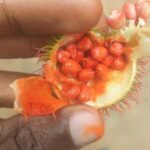
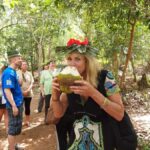
This is a walking spice farm tour, so wear shoes you trust on uneven ground and bring a camera. You’ll move plant to plant while your guide explains what each one is used for and how it fits into daily life on Zanzibar.
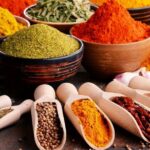
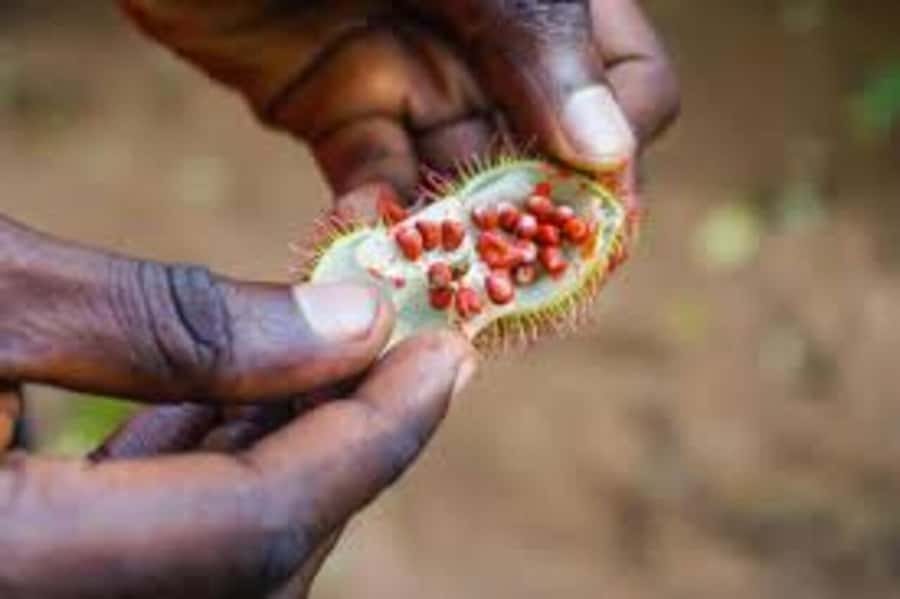
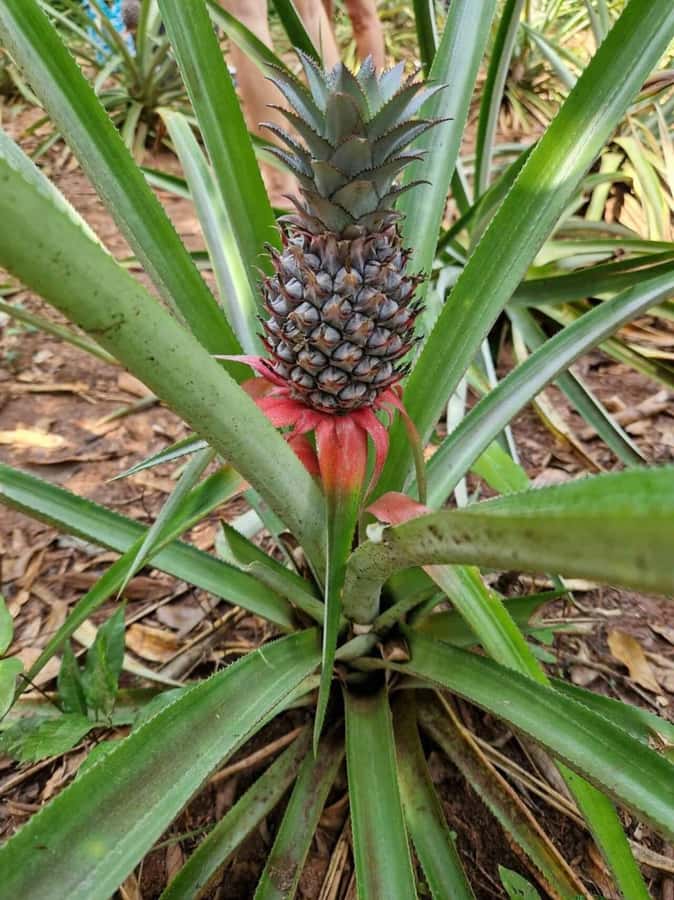
Here is what you can expect to smell and taste during the farm walk. Depending on what is at its best and what the guide has ready, you may sample aromatics and fruits such as:
- clove, lemongrass, nutmeg, cinnamon
- turmeric and vanilla
- coconuts, papaya, chili
- black pepper and cardamom
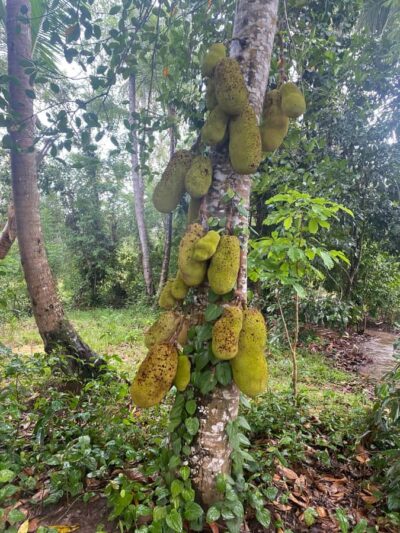
- cassava, jackfruit
- and oranges
To me, the best part is that the food experiences are tied to the living source. Instead of only hearing about spices, you connect them to leaves, pods, or fruit you can point at. Your nose does half the learning, and you do not have to be a plant expert to follow along.
Tips are handled on the farm, but bring cash for the spice stall
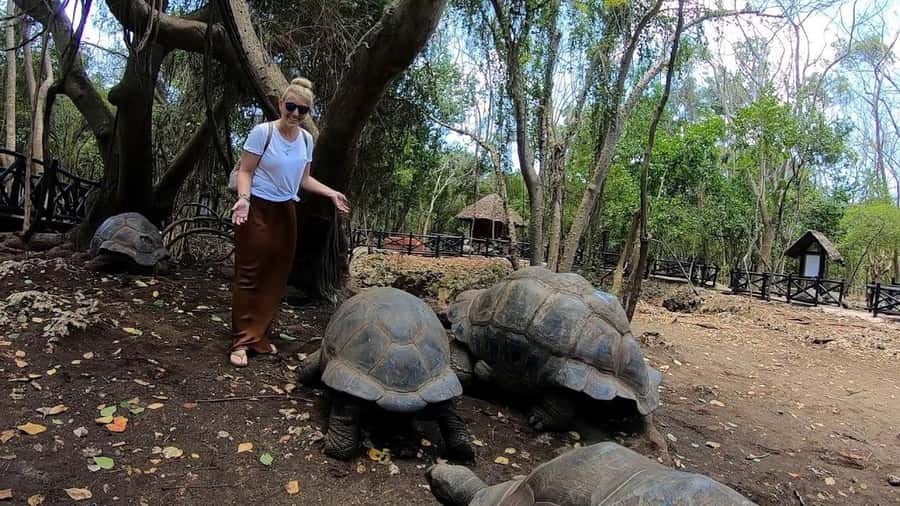
The tour price includes entry fee, guide time, government tax, and lunch. It also states that tips for farm workers are already covered, so you do not need to manage that awkward moment mid-tour.
But there is one cash moment you cannot avoid: the tour finishes with a stop at a spice stall selling fresh packaged spices, and it is cash only. If you hate last-minute ATM scrambles, plan for it up front and bring enough cash for what you actually want to buy.
I like that the tour includes tasting first and shopping after. It is much easier to decide what to take home once you’ve smelled and tried the real thing.
Your included lunch: local spice pilau to keep you moving
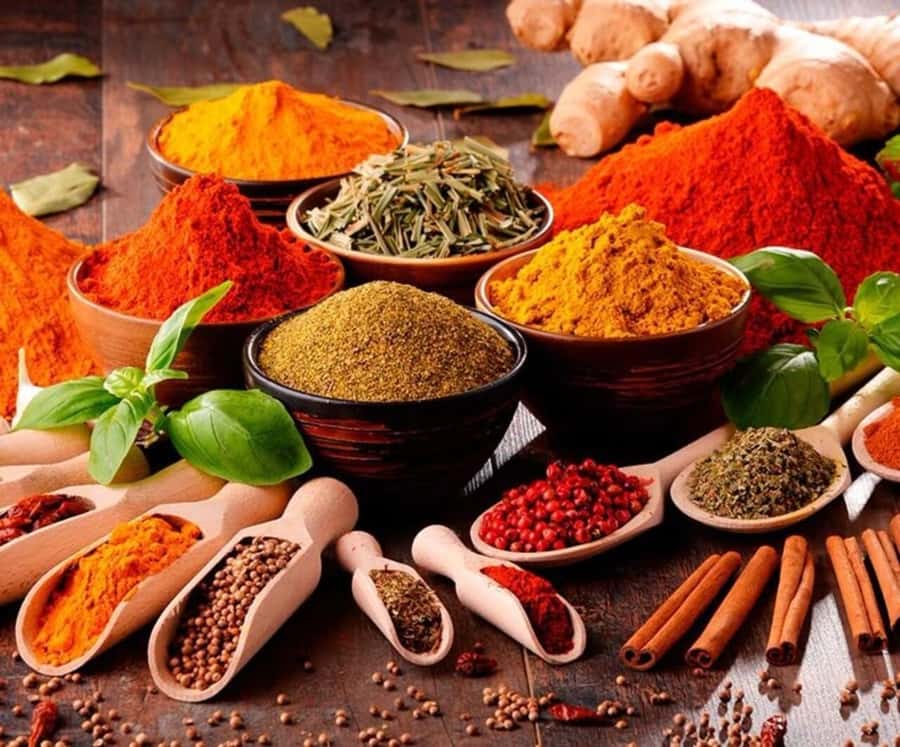
After the spice farm portion, you get lunch included: local spice food pilau. This is a practical win for two reasons.
First, you don’t lose time trying to find something decent between stops. Second, the meal theme fits the day, so the spices you learned in the morning show up again on your plate.
If you are sensitive to spice, you might still want to mention it to your guide, since Zanzibar food can be flavorful. The data does not say the pilau is mild, so consider it as a heads-up rather than a guarantee.
Jozani Forest for red colobus monkeys: the best payoff is in the trees
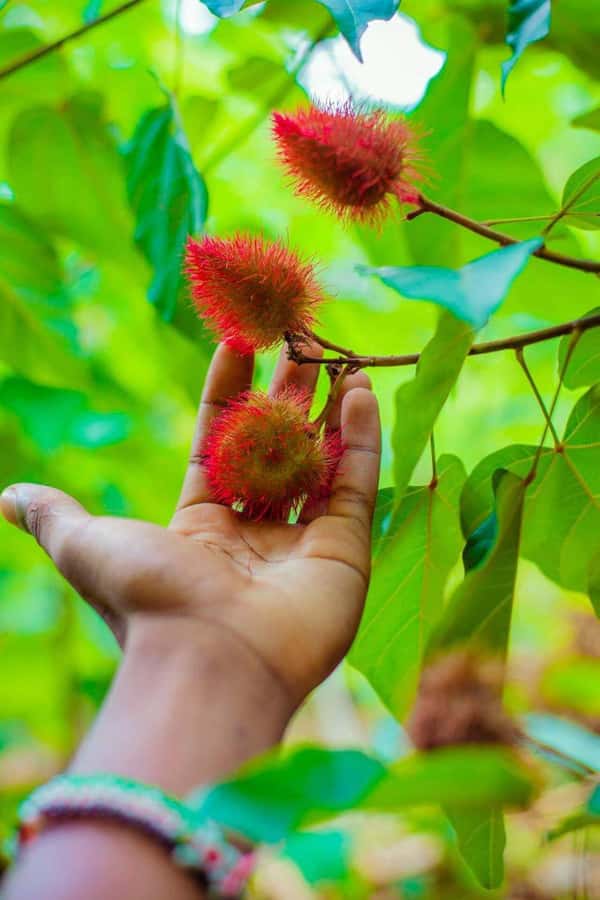
Then you move on to Jozani Forest, Zanzibar’s best-known nature stop. This is where you go looking for red colobus monkeys, and it is a completely different feel from the spice farm.
A farm walk is all about careful observation of plants. A forest walk is about reading movement—watching branches, scanning for activity, and staying patient. Even if you do not get a perfect view the second you arrive, this stop is still worth it because Jozani is the place where these monkeys are part of the experience.
Bring your camera, keep some patience, and give the forest a few minutes before you decide you are not seeing anything. The tour structure means you will be there as part of a guided window, not just wandering with no plan.



Stone Town heritage centre: culture after the outdoors
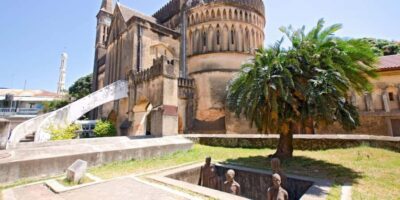
After the nature and food focus, the day ends with a visit to the Stone Town heritage centre. Stone Town is one of Zanzibar’s most recognizable places, and a heritage stop is a good way to add context after you’ve spent hours with living plants and forest wildlife.
This segment is also a nice change of pace. If your day is mostly outdoors, you might appreciate having a more indoor or interpretive stop to reset your energy and refocus your brain.
Tip for you: if you are the kind of traveler who loves photos, use this part of the day to take pictures with purpose. Capture details, signs, doorways, and textures. You’ll remember the spice farm for your senses, and Stone Town for your eyes.
Guides and pickup timing: what Mohamed and Eddy suggest about the day

The overall quality of a tour often shows up in small logistics: when you’re picked up, how you get to each place on time, and whether you feel rushed.
From the feedback you’re given here, Mohamed is a standout guide. People highlight that Mohamed explained things at each destination and helped the group arrive early, before it got really busy. That matters because red colobus viewing and popular town stops are easier when you beat the crowd surge.
There is also mention of a driver named Eddy doing well with pickup and transport. Even if your specific day runs smoothly, it is useful to know the operation is set up to handle the day in a real-world way, not just a checklist.
Price and value: is $85 fair for Zanzibar?
At $85 per person, you are paying for a full combined day: spice farm tour with tasting, entry fees and government tax, a guided experience, lunch, then Jozani Forest and a Stone Town heritage centre stop.
What makes the value feel stronger than a basic transfer-and-tour package is the mix:
- You get active time at the spice shamba (not just a quick photo stop)
- You get meals handled (lunch included)
- You get a forest wildlife stop (red colobus monkeys in Jozani)
- You get a cultural anchor in Stone Town
The main thing you should mentally account for is transportation. Transfers are not included. If you are booking without a clear pickup plan, the true cost can creep up once you pay for your own way to meeting points.
Still, if your lodging is set up for pickup and you’re ready to bring cash for the spice stall, this $85 price looks like a solid day out, not a nickel-and-dime arrangement.
What to bring (and what Zanzibar says is not allowed)
This tour is straightforward, but you do want to come prepared.
Bring:
- camera
- comfortable clothes
- cash
Not allowed:
- weapons or sharp objects
- alcohol and drugs
- flashlight
That last one can matter if you think you might need a light in darker areas. Follow the rules and plan on daylight and guided timing.
Also, do the basic weather and health check before you go. Zanzibar days can change fast, and you’ll be walking through the farm and outdoors during forest time.
Who this tour fits best (and who might want to adjust expectations)
This is a great fit if you like:
- interactive, sense-based learning (smell and taste)
- a walking format at a real farm
- a mix of nature plus culture in one day
It is not the right fit for everyone. The data says it is not suitable for babies under 1 year and not suitable for people over 95 years. If mobility is a concern for you, consider the walking time and uneven ground on a shamba.
Also, if you dislike spending time outdoors, your experience will depend on comfort with the forest walk and the farm walking portion.
Should you book the Spice Farm, Stone Town and Jozani Forest tour with lunch?
Book it if you want a single Zanzibar day that connects spices you can taste with wildlife and then culture in Stone Town. I think the combination is the whole point: you leave knowing what cloves, cinnamon, turmeric, and more actually look and smell like up close.
Skip or compare other options if you do not want a walking day, or if you cannot easily manage transport since transfers are not included. Also, if you hate shopping stops, remember the spice stall is part of the tour and is cash only.
If you line up pickup smoothly and bring the right cash, this is a practical way to experience Zanzibar beyond beaches—hands on, outdoorsy, and genuinely local.
FAQ
What is the price of the Spice farm, Stone town and Jozani forest tour with lunch?
The price is $85 per person.
What locations are included in the tour?
The tour includes a Zanzibar walking spice farm (shamba), Jozani Forest, and a visit to the Stone Town heritage centre.
What is included in the tour price?
Entry fee, a tour guide, government tax, and lunch (local spice food pilau) are included.
Are transfers included?
No, transfers are not included. You can request transfers for a cheap price.
Is lunch included?
Yes, lunch is included and it’s local spice food pilau.
What will I be tasting and smelling on the spice farm?
You may smell and taste spices, herbs, and tropical fruits such as clove, lemongrass, nutmeg, cinnamon, turmeric, vanilla, coconuts, papaya, chili, black pepper, jackfruit, cardamom, cassava, and oranges.
Will I see wildlife in Jozani Forest?
Yes. The tour visits Jozani Forest for red colobus monkeys.
Do I need cash during the tour?
Yes. The tour includes a spice stall where fresh packaged spices are sold, and it is cash only. You should also bring cash as part of the recommended essentials.
What should I bring and wear?
Bring a camera, wear comfortable clothes, and bring cash.
What is not allowed during the tour?
Weapons or sharp objects are not allowed. Alcohol and drugs are not allowed. Flashlight is also not allowed.
Is the tour suitable for children or very elderly travelers?
It is not suitable for babies under 1 year and not suitable for people over 95 years.