REVIEW · KIWENGWA
Zanzibar: Spice Farm & Stone Town Tour with Lunch
Book on GetYourGuide →Operated by TripTrek · Bookable on GetYourGuide
Spices hit you before you even enter. This tour pairs a guided spice farm tasting experience with a walk through Stone Town’s market lanes, fort area, and historic stops. I like the hands-on part (you’ll taste and smell spices such as turmeric, cardamom, cinnamon, black pepper, cloves, and nutmeg) and I like that the Stone Town side isn’t just a drive-by. The main caution: pickup can be a little tricky if your hotel is outside the exact pickup zone, so build in a buffer in the morning.
It runs about 7 hours, with hotel pickup and drop-off, an English-speaking guide, spice farm entrance fees, and lunch included. You’ll travel by van between the spice farm and Stone Town, then do two guided walking blocks (around 2 hours each). With a rating around 4.5/5 from a solid number of bookings, it’s a popular way to combine nature smells and city history in one day.
In This Review
- Key highlights to know before you go
- Why Zanzibar’s spice farm is more than a smell-and-buy stop
- 7 hours on Zanzibar time: pickup, van rides, and pacing
- The spice farm walk: tasting spices, meeting the garden, and buying smarter
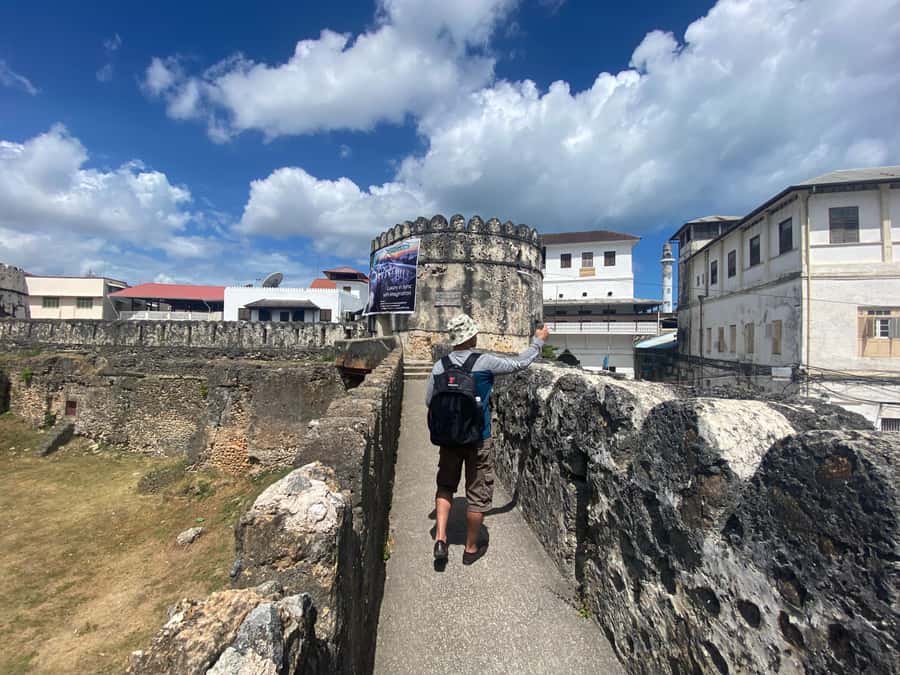
- Stone Town on foot: Arab design, Darajani markets, and the old fort area
- Lunch at the spice farm: simple, included, and worth planning around
- Price and value: what $50 buys you (and what costs extra)
- Who this tour suits best in Zanzibar
- Should you book Zanzibar Spice Farm and Stone Town with Lunch?
- FAQ
- How long is the Zanzibar Spice Farm & Stone Town tour?
- Where do you pick me up?
- Is hotel pickup and drop-off included?
- What’s included in the price?
- What happens at the spice farm?
- Which spices are mentioned for tasting?
- Does the tour include Stone Town markets and sights?
- Is the slave market ticket included?
- Is alcohol allowed?
- What’s the cancellation policy?
- Is English available for the tour guide?
- Are private or small group options available?
Key highlights to know before you go
- Spice farm tasting with real sensory focus: you’ll experience spices by smell and taste, not just photos.
- Stone Town walking with market visits: Darajani fish/food market area plus old fort sights on foot.
- Historically layered stops: you may see the former slave market area and the Freddie Mercury house.
- Lunch included at the farm: a proper break in the middle of the day, though it may be casual.
- Small-group feel possible: private or small groups are available, which helps on crowded streets.
Why Zanzibar’s spice farm is more than a smell-and-buy stop
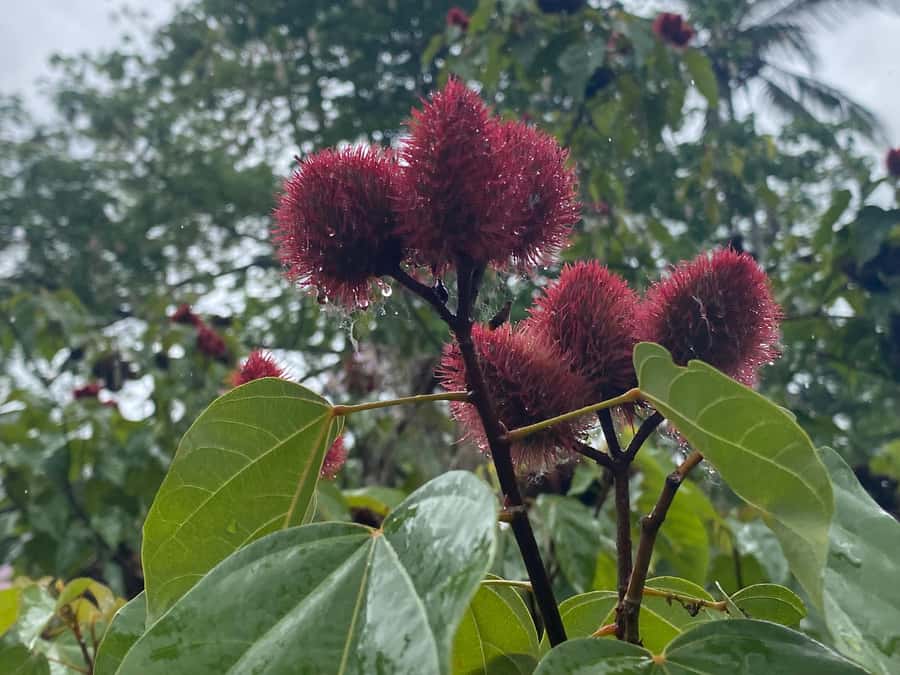
The spice farm portion is the main event for your senses. You’ll take an approximate 2-hour guided walk through what’s described as rainforest-style nature with tropical plants, trees, and spice crops. Rather than treating spices like souvenirs, the tour leans into how they actually behave: how they smell when crushed, how they taste, and how they’re connected to Zanzibar’s “Spice Island” reputation.
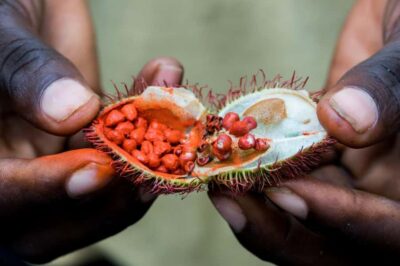
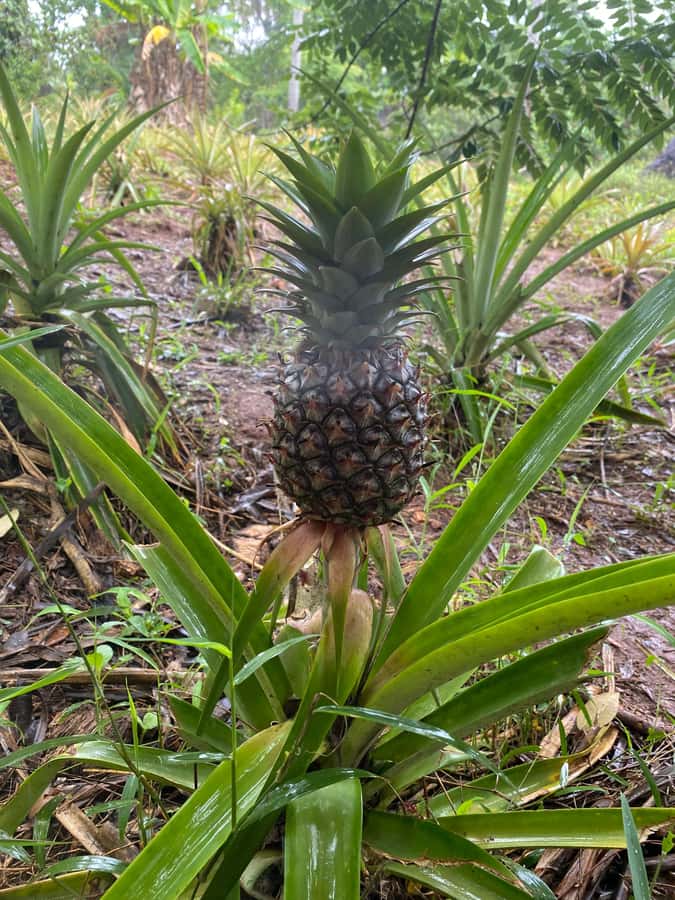
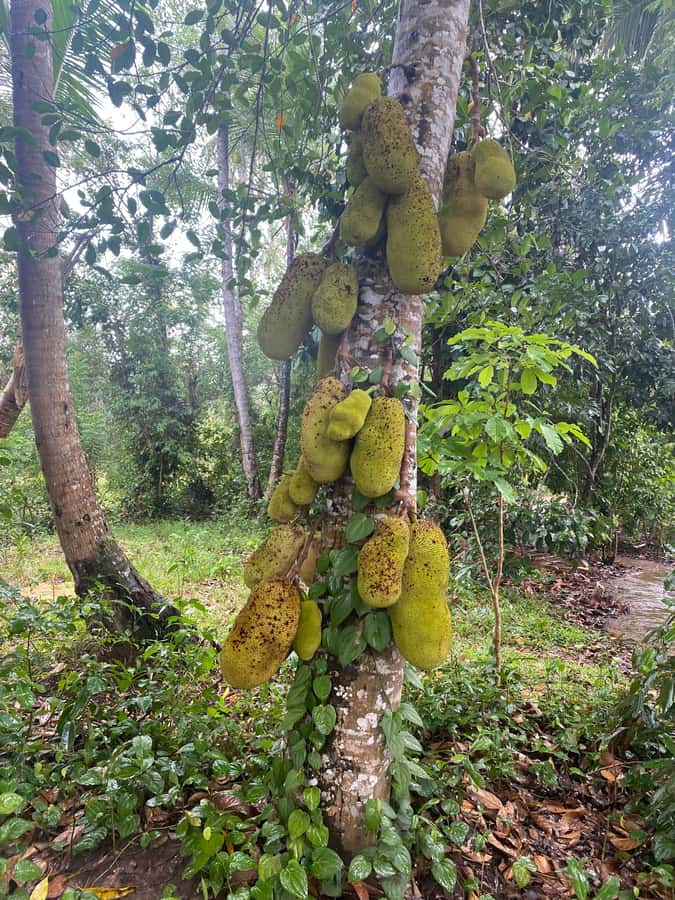
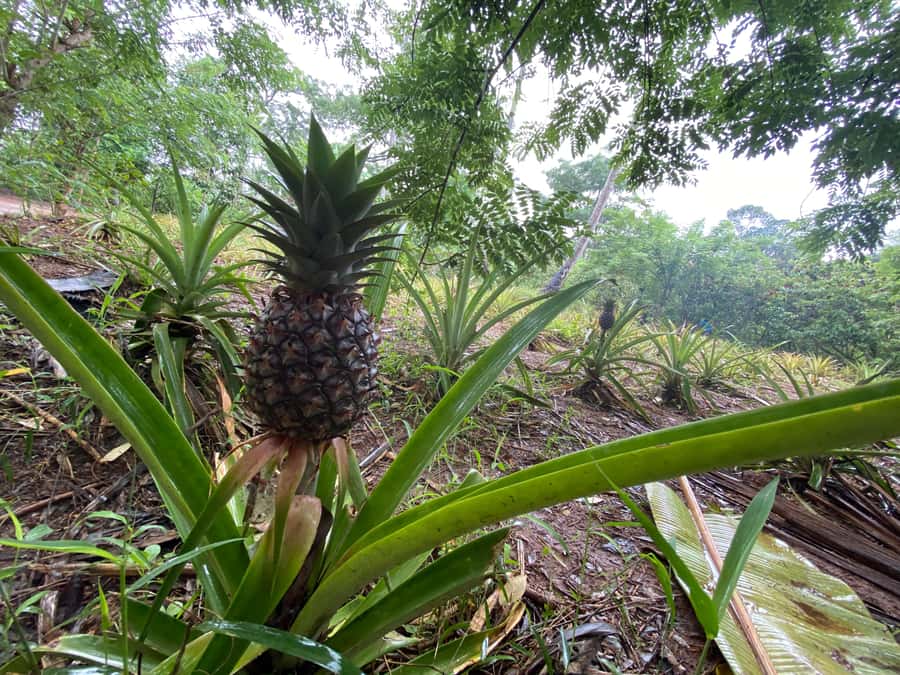
You’ll specifically encounter spices like turmeric, cardamom, cinnamon, black pepper, cloves, and nutmeg. That matters because it turns Zanzibar’s spice nickname into something you can recognize later—back home, in a kitchen, or even when you smell something in a spice shop. You’ll also get to experience tropical fruits as part of the farm focus, which keeps the day from becoming all about “spice facts.”
At the farm, there’s also time for shopping. This is where you’ll want a little patience and a clear head. If you’re shopping, compare prices and don’t feel pressured by the first tag you see—some people feel souvenir pricing can creep up once you’re already in the buying mood.
7 hours on Zanzibar time: pickup, van rides, and pacing
This is a full-day tour, and the structure explains the vibe. Your day starts with hotel pickup from a set of locations, then a van ride of about 75 minutes. You’ll do the spice farm walk, then another short transfer (around 15 minutes) before you reach Stone Town. After Stone Town, it’s back on the van for the return drop-offs—again around 75 minutes.
The practical benefit: you don’t have to arrange transport or worry about finding the right meeting point in the city. The practical challenge: pickup needs a little attention. The driver recognizes you through room number, but if your hotel sits outside the pickup zone, you might be asked to walk to a nearby restaurant to meet the van (think roughly 20 minutes on foot). If you’re traveling with limited mobility, plan extra buffer time and keep your phone handy.
Also note the “rules of the day”: alcohol and drugs aren’t allowed. That’s worth remembering if you’re thinking of pairing the tour with a longer beach night right after—keep the day clean and you’ll avoid stress.
The spice farm walk: tasting spices, meeting the garden, and buying smarter
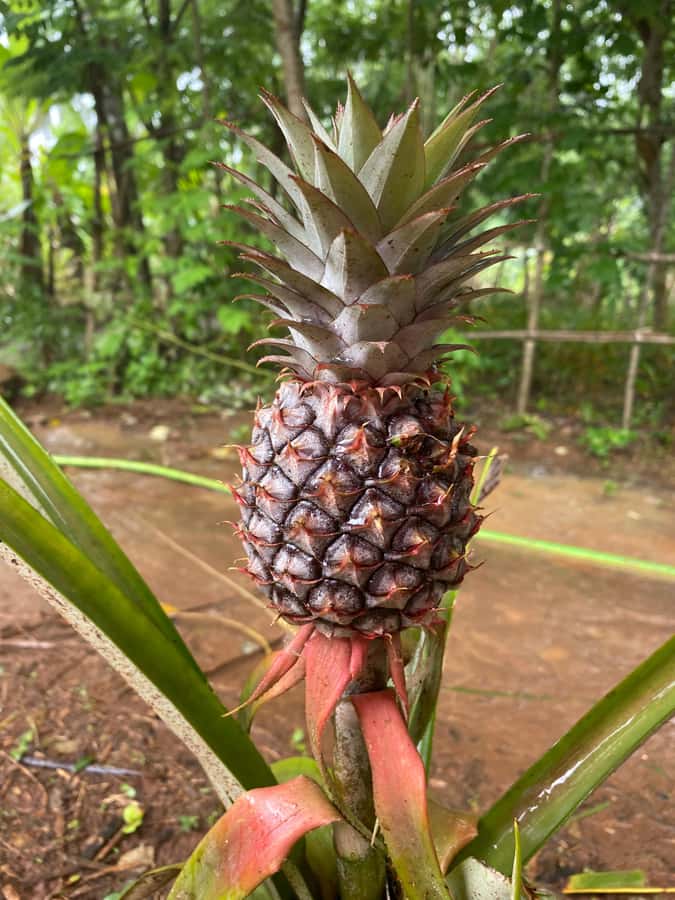
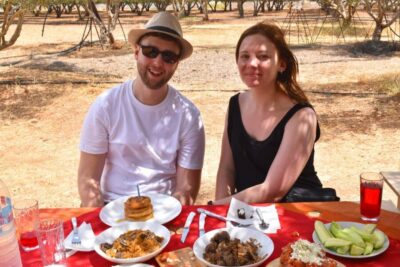
On the farm, your guide leads the walk and builds context while you experience the plants. You’ll have the chance to taste and smell a range of spices grown on Zanzibar, and you’ll likely see how tropical fruit and spice plants share the same environment. This is a great stop if you enjoy learning with your hands (or at least your nose) instead of only listening.
Here’s what this sensory approach does for you: it gives you a memory. Turmeric’s earthiness, cloves’ sharp sweetness, cinnamon’s warm note—once you connect those to real plants in the soil, the whole story sticks. It also makes it easier to shop later, because you can identify what you’re actually buying.
There’s often a fun side here too. One highlight noted from a guide-led farm visit was a playful craft moment—making small crowns using flowers and leaves. You shouldn’t count on every group getting the same add-on, but it’s a good reminder that this farm stop isn’t only educational. It’s meant to feel like a visit to a working spice garden.
Shopping advice: you’ll probably be offered spice bundles and farm products. Set a simple goal before you arrive—maybe just one or two spices you’ll actually use. Then ask for the price, compare if you can, and avoid buying a big collection on impulse.
Stone Town on foot: Arab design, Darajani markets, and the old fort area

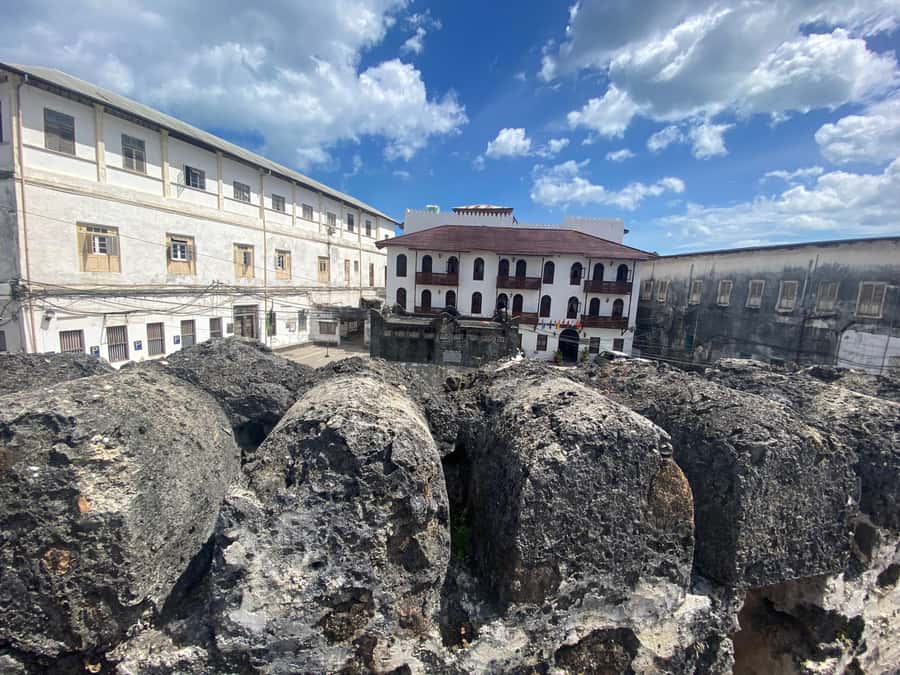
Stone Town is where the day becomes urban. After the transfer, you get about 2 hours of guided walking and sightseeing, plus time for shopping and a food market visit in the Darajani area. This is where you see the city’s street-level energy and the architectural mix that gives Stone Town its look—especially the Arab-influenced design elements that show up in the streetscape.
Your guide should also connect the dots across Zanzibar’s influences while you walk. You may visit:
- Darajani fish market in the market zone
- The Darajani area food and spice-market environment
- The old fort area
- The former slave market area as part of the city history stops
- The Freddie Mercury house as a well-known landmark
These stops work best when you go slowly. On a guided walk, that means you’re less likely to miss the details tucked between storefronts and corners. It also makes the history easier to digest because your guide can explain why these places mattered.
One more practical note: markets can attract loud salespeople. If you’re offered help that feels pushy or confusing, step back, stick with your guide, and keep your decision calm. There’s a big difference between a curious conversation and a pressure tactic. Having a guide who keeps you moving and helps you navigate choices can make the difference between feeling excited and feeling on edge.
Lunch at the spice farm: simple, included, and worth planning around
Lunch is included at the spice farm, and it’s one of the reasons this tour is such good value. It gives you a break at the midpoint, and it keeps the day from turning into “spice farm, then scramble for food.”
That said, lunch can be casual. One concern you should keep in mind is that the meal may be served in a more basic style—sometimes eaten in an informal way rather than in a polished dining setup. Wear clothing that’s comfortable for a garden environment and walking beforehand. If you prefer proper table service, mentally downgrade expectations and focus on the fact that lunch is already built into the price.
If you’re sensitive to smell, remember: you’ve been around spices all morning. A midday meal there will likely carry those same spice notes in the environment. That’s part of the charm, but it’s worth knowing.
Price and value: what $50 buys you (and what costs extra)
At $50 per person for roughly 7 hours, this tour is priced as a “do two things in one day” package. What’s included is the important part:
- Hotel pickup and drop-off
- A guide
- Spice farm entrance fees
- Lunch
Those items usually cost extra when booked separately. You’re also saving time: the van transfers and guided timing remove a lot of planning work, especially if it’s your first time in Stone Town.
What’s not included:
- Tipping
- A slave market ticket if you choose an add-on
So, to budget accurately, plan for a tip (based on your comfort and service quality). And if you want the former slave market visit handled the add-on way, you’ll likely need to pay separately for that ticket.
If you’re someone who enjoys structured walking plus cultural stops, $50 can feel like a fair deal. If you’re expecting a luxury day with lots of private downtime, it may feel more like a guided outing than a personal retreat.
Who this tour suits best in Zanzibar
This experience fits well if you:
- Want a guided, sensory introduction to Zanzibar spices and tropical fruit
- Like walking history-heavy areas without trying to plan everything solo
- Want Stone Town highlights in one day: markets, fort area, and major landmarks like the Freddie Mercury house
- Prefer having an English-speaking guide help you make sense of what you’re seeing
It may not be ideal if you:
- Dislike market areas and prefer quiet museums
- Need a very predictable pickup with no flexibility at the start of the day
- Want a formal sit-down lunch experience
Should you book Zanzibar Spice Farm and Stone Town with Lunch?

Book it if you want a day that actually connects Zanzibar’s food, plants, and city history in a practical way. The spice farm section gives you real smell-and-taste learning, and Stone Town keeps the momentum with markets and key sights on foot. With pickup, entrance fees, and lunch included, it’s also a straightforward value choice.
I’d only hesitate if you’re picky about casual meals, or if morning pickup timing is a big deal for your schedule. If that’s you, message ahead, confirm pickup expectations clearly, and give yourself a little extra time in the morning.
FAQ
How long is the Zanzibar Spice Farm & Stone Town tour?
The tour lasts about 7 hours.
Where do you pick me up?
Pickup is available from multiple locations including Pwani Mchangani, Matemwe, Kizimkazi Mtendeni, Paje, Uroa, Kiwengwa, Nungwi, and Kendwa.
Is hotel pickup and drop-off included?
Yes. Hotel pickup and drop-off are included.
What’s included in the price?
The price includes a guide, spice farm entrance fees, lunch, and hotel pickup and drop-off.
What happens at the spice farm?
You’ll take a guided walk (around 2 hours), experience tropical fruits and spices by tasting and smelling, and you’ll have time for shopping.
Which spices are mentioned for tasting?
Spices listed include turmeric, cardamom, cinnamon, black pepper, cloves, and nutmeg.
Does the tour include Stone Town markets and sights?
Yes. The plan includes guided walking and sightseeing in Stone Town, including visits in the Darajani market area and stops such as the old fort and the Freddie Mercury house, plus an opportunity to see the slave market.
Is the slave market ticket included?
The base package does not include the slave market ticket. It may be available as an add-on.
Is alcohol allowed?
No. Alcohol is not allowed during the activity.
What’s the cancellation policy?
Free cancellation is available up to 24 hours in advance for a full refund.
Is English available for the tour guide?
Yes. The live tour guide is English.
Are private or small group options available?
Yes. Private or small groups are available.