REVIEW · UBUD
Farm-to-Table Balinese Cooking Experience
Book on Viator →Operated by Genuine Bali Experience · Bookable on Viator
Market colors guide you from the start. I love the hands-on market-to-kitchen flow, and I love that you cook with organic, farm-fresh ingredients instead of whatever’s convenient. The main drawback to watch is value: one past guest felt the total ended up high once converted, so double-check the final amount before you book.
With a max group size of 15 and pickup in the Ubud area, this is an easy 3.5-hour plan if you’re short on time. You’ll get countryside views while cooking, a included lunch you make yourself, and a recipe PDF you can use later at home.
In This Review
- Key things that make this cooking experience work
- Farm-to-table Balinese cooking in Ubud: What you’re actually buying
- The one value check I’d do first
- The market tour in Ubud: Picking ingredients the Balinese way
- Why this market stop is more than a photo opportunity
- The hands-on cooking class: Organic ingredients meet real technique
- What the countryside setting adds
- A realistic consideration
- The Balinese family home visit: Daily life, not a staged set
- Keep expectations grounded
- Lunch you cook: Eating what you made (and how to get the most out of it)
- How to turn lunch into a learning moment
- Price and logistics: Is $47.31 per person good value?
- Practical way to protect yourself on value
- What kind of traveler should book this?
- Weather, minimum numbers, and timing: The stuff that affects your plans
- Should you book this farm-to-table Balinese cooking class?
- FAQ
- How long is the Farm-to-Table Balinese Cooking Experience?
- Is lunch included?
- Do you get pickup and drop-off in Ubud?
- What’s the maximum group size?
- Is bottled water included?
- What happens if the weather is poor?
- What is included besides the cooking and lunch?
Key things that make this cooking experience work
- Start at a real Balinese market and pick ingredients from local vendors
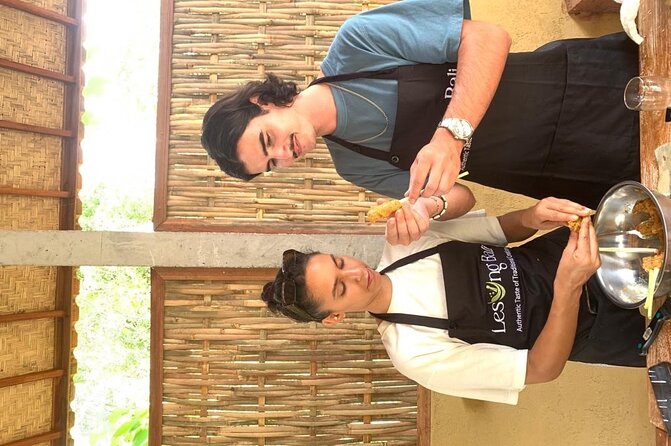
- Cook with organic, farm-fresh produce guided by a local expert
- Stay in a small group (up to 15) so you don’t get lost in the back row
- See daily life at a Balinese family home rather than only a photo stop
- Lunch is included and it’s the food you prepare
- Take home a recipe PDF for a repeat performance later
Farm-to-table Balinese cooking in Ubud: What you’re actually buying
This is a 3 hours 30 minutes food-focused tour built around three wins: market shopping, hands-on cooking, and eating a lunch that comes from your own work. You’re not just watching someone else cook while you take Instagram photos. You’re choosing ingredients, learning the basics behind Balinese flavors, and then tasting the result right after.
The farm-to-table promise matters here because you’re using organic ingredients harvested from a farm. That tends to change how food tastes and how it behaves in a pan. In plain terms: if the base ingredients are better, your seasoning and technique make more sense. You also get a calm, scenic setting in the countryside, which turns a cooking class into a real break from traffic and noise in central Ubud.
You can also read our reviews of more tours and experiences in Ubud.
The one value check I’d do first
The listed price is $47.31 per person, and the tour includes pickup/drop-off in the Ubud area plus lunch, bottled water, and a recipe PDF. Still, one review flagged that the final cost felt high after conversion (they mentioned around AUD180). Before you confirm, check your checkout total in your local currency and factor in any exchange rate surprises. Small differences can feel big on this kind of half-day experience.
The market tour in Ubud: Picking ingredients the Balinese way
The day starts with a guided market tour. This is where you get the most practical payoff, because you’re not learning cooking theory from a page—you’re choosing real ingredients from local vendors.
In a market setting, you’ll typically see the kinds of things that define Balinese cuisine: herbs, aromatics, chiles, and produce used for pastes and sauces. The guide’s role is important. They help you understand what to look for, what to smell, and how certain ingredients change the final flavor. Even if you’ve cooked before, this part helps you connect ingredients to taste rather than treating recipes like math.
Why this market stop is more than a photo opportunity
A lot of classes include a quick stop for atmosphere. This one is structured around selection. You’ll pick ingredients yourself, which makes the cooking section feel less like a show and more like you’re building a dish.
Also, the market tour sets expectations for what you’ll see later in the kitchen. If you’ve already handled the ingredients, the cooking steps feel clearer. You won’t just remember instructions—you’ll remember the ingredient choices behind them.
The hands-on cooking class: Organic ingredients meet real technique
After the market, you move into the cooking portion with a local expert. This is the heart of the experience, and it’s where the “farm-to-table” idea becomes practical.
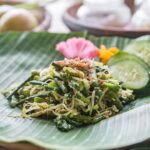
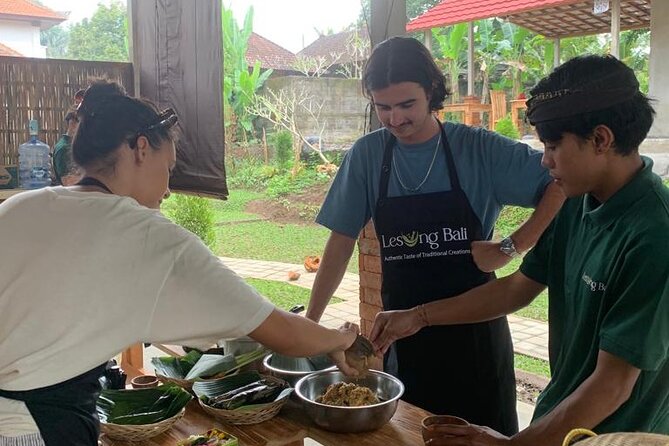
You’ll prepare traditional dishes using organic, farm-fresh produce. The key word there is hands-on. You’re expected to do the work—cut, mix, assemble, and cook—so you leave with something more useful than a plateful of food. You’ll learn how the flavors come together and how Balinese seasoning decisions can be adapted if you can’t find the exact same ingredients back home.

What the countryside setting adds
While you cook, you get views of the surrounding countryside. That matters more than you might think. Cooking classes in busy areas often turn into a race: noise, heat, people constantly passing by. Here, the scenery and calmer setting help the class feel like a pause. You can focus on what you’re doing and on the guide’s tips.
A realistic consideration
If you’re the type who hates chopping or mixing, be aware this is a hands-on class by design. You can still enjoy it—but you should go in expecting to do some active prep work, not just eat and observe. That’s not a complaint; it’s the whole point of this style of experience.
The Balinese family home visit: Daily life, not a staged set
One of the most interesting segments is the visit to a local Balinese family in their home. This isn’t just a “look at a house” moment. It’s meant to give you insight into daily life and the island’s way of living.
This kind of stop can add context to everything you taste and cook. When you understand how meals fit into everyday routines—how ingredients are sourced, how families think about food, and how culture shapes habits—your cooking class becomes more meaningful.
Keep expectations grounded
A home visit is always sensitive. You’ll want to be respectful, keep your voice down, and follow whatever guidance the host provides. This is where good manners do the heavy lifting. If you treat it like a theme park, you’ll miss the value.
Lunch you cook: Eating what you made (and how to get the most out of it)
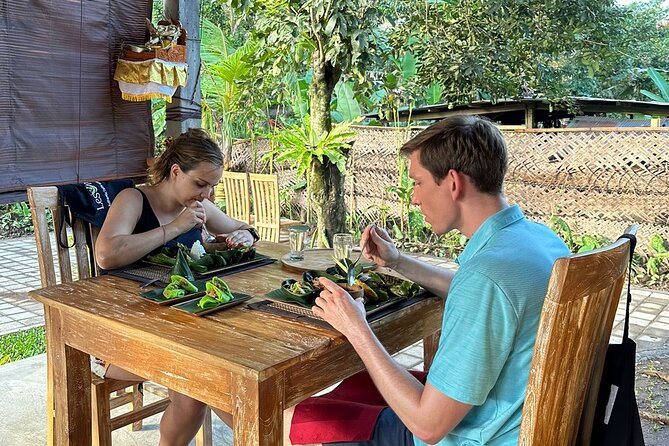
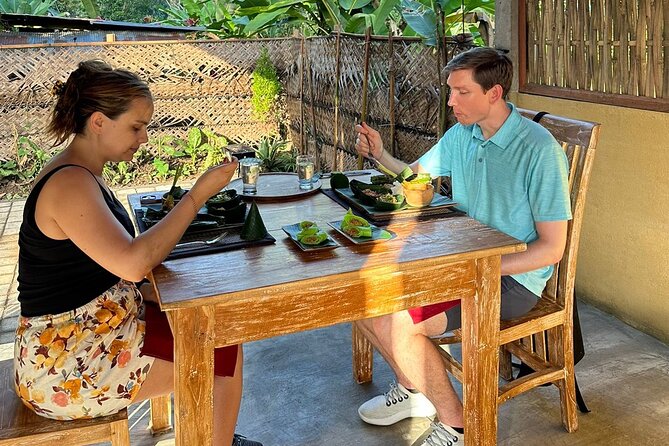
At the end, you sit down to enjoy lunch made from what you prepared. Lunch is included, along with bottled water. That means you don’t need to plan a separate meal, and you won’t waste your 3.5-hour window hunting food afterward.
Eating right after cooking is a smart way to learn. If something tasted too strong, too mild, or off-balance, you can connect it to a step you just did. If the flavors click, you remember the technique that created it.
How to turn lunch into a learning moment
When you sit down, pay attention to:
- the balance of spice versus herbs
- how sauces or pastes change the dish
- which aromas stick around after the first bite
If you take mental notes during the meal, the included recipe PDF becomes much more useful later. You’re not just collecting ingredients and steps—you’re matching them to what worked for your palate.
Price and logistics: Is $47.31 per person good value?
Here’s the value math the way I’d look at it.
You’re paying for:
- a guided market tour
- a hands-on cooking class
- organic, farm-fresh ingredient use
- lunch (included)
- bottled water (included)
- pickup and drop-off in the Ubud area (included)
- a recipe PDF (included)
- a small group size with a max of 15
For Ubud, that could feel like a reasonable deal when the cooking experience is truly hands-on and the lunch is fully included. But one review raised a concern that the final total felt expensive after conversion. That suggests the price can land differently depending on how you’re billed and what exchange rate you see.
Practical way to protect yourself on value
- Confirm the total price in your own currency at checkout.
- If you’re booking with friends, ask about group discounts since they’re listed as a feature.
- If you’re very budget-focused, compare it against other cooking classes that may not include market shopping or organic farm sourcing.
In short: I’d consider it fair value if you care about the full arc—market to cooking to lunch—and not just the cooking portion.
What kind of traveler should book this?
This experience is a strong fit if you:
- want a hands-on cooking class in Ubud, not a passive one
- enjoy markets and ingredient selection
- like learning how culture shows up in daily food
- want lunch handled for you
- prefer small groups (up to 15)
It may be less ideal if you:
- mainly want a quick, low-cost activity and would rather skip the market stop
- don’t like doing any cooking prep yourself
- are very sensitive to price when converted to your home currency (given that one review flagged cost concerns)
Weather, minimum numbers, and timing: The stuff that affects your plans
This experience requires good weather. If it’s canceled due to poor weather, you’ll be offered a different date or a full refund. It also requires a minimum number of travelers, so there’s a chance it could be rearranged or refunded if that minimum isn’t met.
The good part: free cancellation is available, so you can adjust if weather forecasts change. The bad part: if you’re traveling tightly scheduled days, keep a bit of flexibility.
Should you book this farm-to-table Balinese cooking class?
Yes, if you want a true market-to-kitchen day and you’ll enjoy learning through doing. The combination of ingredient selection, organic farm-fresh produce, countryside views, a family home visit, and a lunch you make yourself is the kind of structure that tends to stick with you.
But book with your eyes open on price. If you hate surprises after currency conversion, check your final checkout total carefully. If the all-in price still feels right to you, this is a solid way to experience Balinese flavors and culture without spending the whole day in transit.
FAQ
How long is the Farm-to-Table Balinese Cooking Experience?
It runs for approximately 3 hours 30 minutes.
Is lunch included?
Yes. Lunch is included in the experience.
Do you get pickup and drop-off in Ubud?
Yes. Pickup and drop-off are included for the Ubud area.
What’s the maximum group size?
The experience has a maximum of 15 travelers.
Is bottled water included?
Yes. Bottled water is included.
What happens if the weather is poor?
The experience requires good weather. If it’s canceled due to poor weather, you’ll be offered a different date or a full refund.
What is included besides the cooking and lunch?
You also receive a recipe in PDF form, plus bottled water and the pickup/drop-off in the Ubud area.