REVIEW · CHIANTI
Cooking Class on a Family Farm in Chianti with Lunch
Book on Viator →Operated by Cofferi1242 - Camilla Romoli · Bookable on Viator
A Chianti cooking lesson is more than recipes.
On a family farm in the hills near Il Ferrone, this class mixes hands-on cooking with a real look at how ingredients get grown, then ends with lunch in the garden when weather cooperates.
I love that you work as a group with a host who teaches step-by-step: you’ll make pasta dough, shape classics like ravioli and tagliatelle, and learn bread plus schiacciata from the same versatile dough base. I also love the farm-to-table angle, especially when you’re using the farm’s olive oil, garden herbs, and tasting local wine with what you cook.
One thing to consider: getting to the property can involve a rough, bumpy drive on a dirt road, and the setting can feel more rustic than polished, so this is best if you’re okay with an authentic farm vibe over a showroom patio.
In This Review
- Key Highlights Worth Your Time
- Arriving at a Chianti Hilltop Farm (and Why the Views Matter)
- The Morning Flow: Introductions, a Quick Farm Tour, Then Dough Work
- Making Homemade Pasta Like You Mean It
- Tagliatelle: Practice Your Touch
- Ravioli and Tortelloni: Stuffing With Confidence
- Bread and Schiacciata: The Dough Skills That Carry Home
- Assembling a Full Tuscan-Style Menu (From Starters to Dessert)
- Main Courses You’ll Likely Make and Eat
- Dessert: Apple Pie With a Crumble Top
- Wine and Olive Oil: Part of the Lesson, Not an Add-On
- Lunch Outdoors in the Garden: When It Works, It’s the Point
- What You’ll Bring Home (Besides the Recipe Book)
- Who This Class Is Best For
- Price and Value: Is $175.43 Worth It?
- Small Logistics That Make or Break Your Day
- Should You Book This Chianti Farm Cooking Class?
- FAQ
- What time does the cooking class start?
- How long is the experience?
- Where is the meeting point?
- What will I cook and eat?
- Is lunch included?
- Is wine included?
- Is the class offered in English?
- What’s the group size?
- Are service animals allowed?
- What is the cancellation policy?
Key Highlights Worth Your Time
- Olive grove + saffron field tour before you cook, so you understand the ingredients you’ll use
- Pasta shaping practice (tagliatelle, ravioli) plus stuffed options like tortelloni
- Bread and schiacciata dough skills you can repeat at home
- Al fresco lunch outdoors with vineyard views when conditions allow
- Small groups (max 20) with a patient, interactive host experience
Arriving at a Chianti Hilltop Farm (and Why the Views Matter)
Chianti cooking classes often start with a kitchen and a recipe. This one starts with the countryside. You meet at Via dei Cofferi, 12, Loc. Il Ferrone (50026, FI), and you’re led into the day at a relaxed pace rather than being herded straight to a workstation.
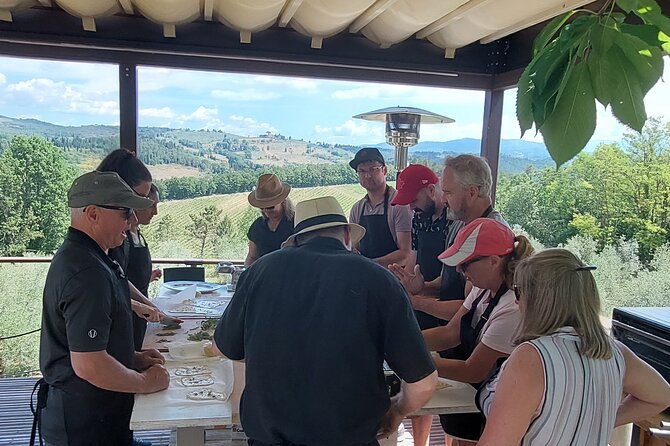
The farm sits high on a hill, surrounded by vineyards and olive trees, with woods stretching out in all directions. That matters because it changes how you cook. When your surroundings look like Tuscan postcards, you pay more attention to textures and smells—flour, olive oil, warm dough—and less to the clock.
Reality check: the drive up can feel bumpy. One review called out potholes and warned not to bring a low sports car. Plan to go slowly, give yourself extra time to find the place, and don’t expect smooth asphalt all the way.
The Morning Flow: Introductions, a Quick Farm Tour, Then Dough Work
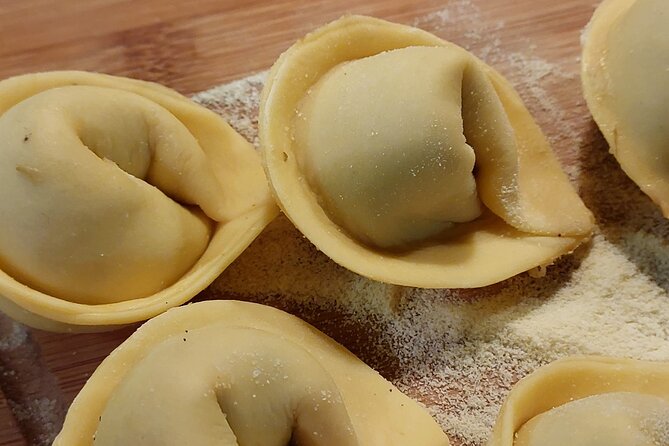
The lesson starts around 10:30 am, but the day doesn’t begin with an apron snap. You typically spend a little time getting to know your host and others in the group. It’s a friendly setup, not a lecture.
After that, you’ll get a short tour of the property—specifically the olive grove and the field where saffron is grown. That’s a clever touch. Saffron is expensive and easy to treat like a mysterious spice. Seeing the plant in its natural setting helps you understand why it’s a real ingredient, not just a label.
Then you move to the practical part: pasta and bread.
Making Homemade Pasta Like You Mean It
This class is built around real technique, not just rolling dough and hoping for the best. You learn to make homemade pasta using herbs from the garden and extra virgin olive oil. Even if you’ve tried pasta at home before, you’ll likely appreciate the “why” behind the steps—how dough should feel, how to handle it, and how to get the shapes right.
Tagliatelle: Practice Your Touch
Tagliatelle is one of those shapes that looks simple but teaches control. You’ll learn how to shape it so it holds up with sauce. Afterward, you’ll eat it with either a fresh tomato sauce or a fresh courgette pesto, depending on the flow of the menu that day.
Ravioli and Tortelloni: Stuffing With Confidence
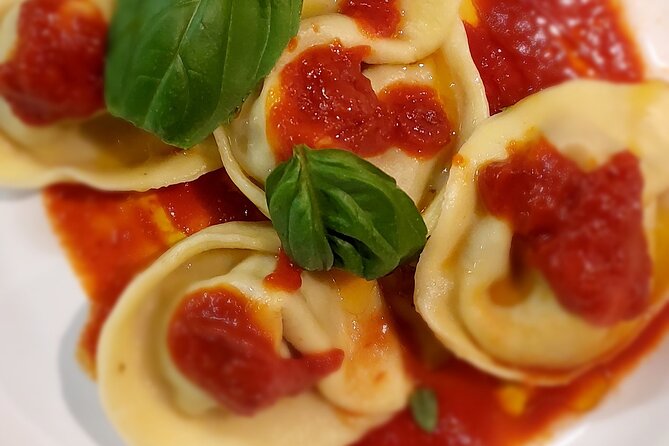
You also make stuffed pasta, including homemade ravioli and tortelloni. The sample menu includes ravioli filled with fresh ricotta, parmesan, and lemon zest, seasoned with sage, parmesan, and pepper butter.
Stuffed pasta has a learning curve: sealing edges, keeping filling from leaking, and not overworking the dough. The format here supports that. With a group size capped at 20, you can ask questions and get corrections when you need them.
Bread and Schiacciata: The Dough Skills That Carry Home
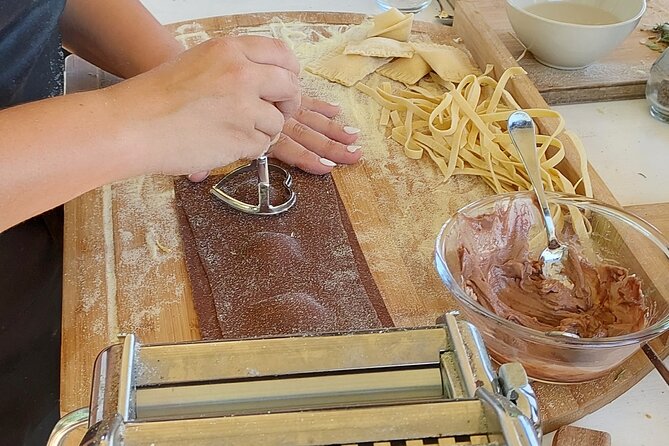
A big reason to book this instead of a generic cooking tour is the focus on dough. You’ll learn how to prepare dough to make bread and schiacciata. One of the nicer surprises in the experience is that the dough basics help you understand how to adapt recipes—so you’re not just copying a single dish.
Schiacciata is a Tuscan favorite for good reason: it’s flexible, great for sharing, and it fits the farm-lunch rhythm. Reviews also mention focaccia and multiple kinds of bread. So expect you’ll be tasting what you make, not only watching it happen.
Practical tip: be ready to get hands-on. If you’re traveling with kids, this kind of tactile cooking tends to work well because there are many small tasks within the bigger process.
Assembling a Full Tuscan-Style Menu (From Starters to Dessert)
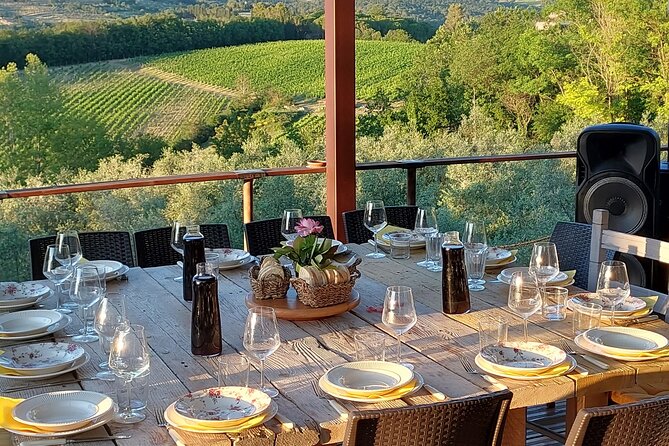
The day aims for a complete meal—appetizers, first courses, second courses, side dishes, and dessert—plus wine. You’re not just learning one technique; you’re learning how the pieces work together like a real Tuscan table.
Main Courses You’ll Likely Make and Eat
The sample menu highlights:
- Homemade ravioli and tortelloni with sage butter and parmesan
- Homemade tagliatelle with either fresh tomato sauce or courgette pesto
Dessert: Apple Pie With a Crumble Top
For dessert, you’ll make apple pie with a crumble topping—simple, comforting, and ideal after a pasta-heavy meal.
Wine and Olive Oil: Part of the Lesson, Not an Add-On
The class includes sipping good local wine, and you may have a Chianti from the area. Also, the farm’s olive oil and wine are part of the experience in a way that feels integrated rather than tacked on.
Several reviews called out how good the olive oil and wine tasted. That lines up with the whole premise: you’re cooking with ingredients you can actually trace back to the property.
Lunch Outdoors in the Garden: When It Works, It’s the Point
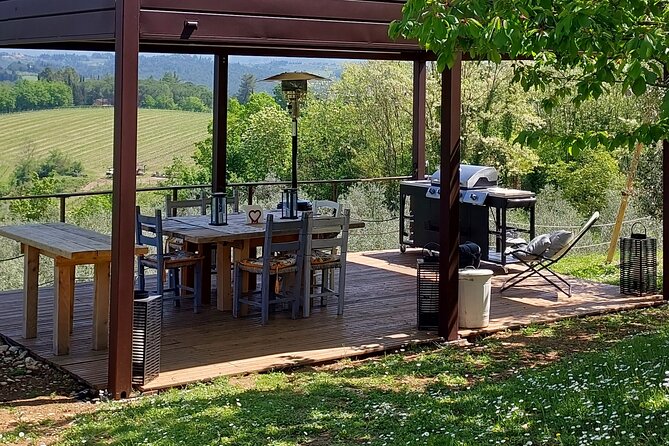
After cooking, if the weather permits, you eat outside in the garden overlooking vineyards and olive trees. The farm’s hilltop position makes the view part of the meal—peaceful, wide, and quiet in a way that’s hard to replicate in town.
Al fresco lunch is often listed as a bonus. Here, it’s more like a reward for finishing the hard work: rolling, stuffing, shaping, and cooking.
One drawback to know: the setting is a working farm. A review noted that online pictures can look more comfortable and curated than the reality, mentioning weeds and a more rugged feel in some outdoor areas, plus a kitchen that wasn’t spotless. Most other feedback stayed positive about the hospitality and the food. Your best bet is to treat this as a home-farm experience, not a spotless cooking studio.
What You’ll Bring Home (Besides the Recipe Book)
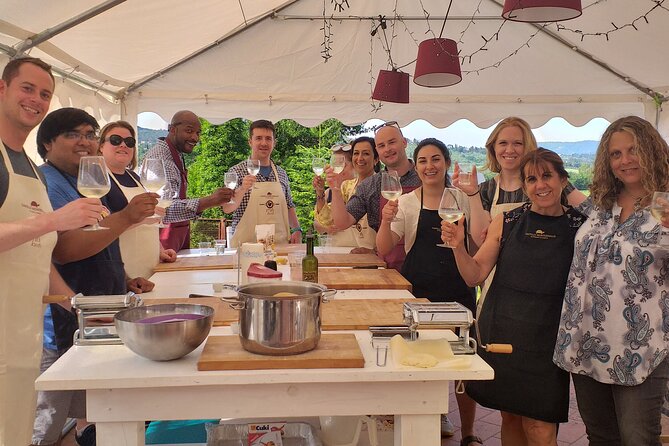
Food tours can leave you with photos. This one should leave you with skills.
You’ll learn:
- how to make pasta dough and handle it well enough to shape tagliatelle and stuffed pasta
- how to work with dough for bread and schiacciata
- how to build a meal that flows from savory to dessert
Some participants also mentioned getting recipes afterward, such as email recipes, and one review specifically mentioned a recipe book. That’s extremely useful because it keeps the lesson from fading after you fly home.
Pro move: take notes during the tasting stages—especially around sauce consistency and how the dough should feel at each step. Those are the details that matter when you try again later.
Who This Class Is Best For
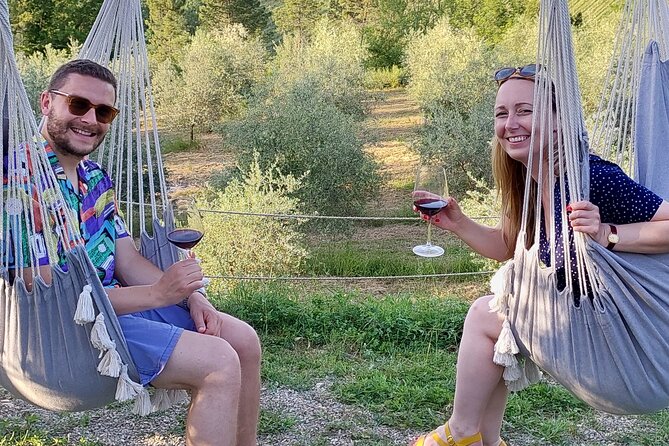
This is a strong match for:
- couples who want a slow, scenic day with wine and a shared project
- families (including kids) because the class is hands-on and the hosts are described as patient
- food lovers who want more than a one-dish demonstration
- travelers who like authenticity and don’t mind a rustic setting
It may be less ideal if you’re chasing:
- a perfectly polished facility
- a strict vegetarian-only focus (the menu includes items like ricotta-filled ravioli; the provided info doesn’t mention vegetarian substitutions)
- a “watch only” experience (this is about cooking, shaping, and tasting what you make)
Price and Value: Is $175.43 Worth It?
At $175.43 per person, the cost isn’t low. But for Chianti, it can make sense if you treat it as a full experience rather than a cooking show.
Here’s what you’re paying for:
- 4 hours (approx.) of structured, hands-on instruction
- a farm tour (olive grove, saffron field) plus cooking in context
- multiple dishes across a full meal, not just one pasta format
- local wine and farm-associated ingredients like extra virgin olive oil and garden herbs
- a small group limit (maximum 20), which helps you get feedback
In other words, you’re not just buying ingredients. You’re buying time with a teacher and a whole table’s worth of practical skills.
If you’re the type who loves learning one technique and then tasting it, this will land well. If you’re only interested in eating a nice meal with minimal involvement, look for a different style of food tour.
Small Logistics That Make or Break Your Day
A couple of details can help your experience go smoother:
- Give yourself extra time to find the place. One review highlighted difficulty finding the site and recommended verifying directions.
- Expect a rough drive. If you rent a very low car, reconsider. Go slow regardless.
- Dress for hands-on cooking. You’ll be working with dough, so comfortable shoes and clothes you don’t mind getting flour on help.
- Plan for weather. Lunch is outdoors when conditions allow. If rain hits, the cooking still happens—you just might eat indoors.
The overall tone from the experience is warm and welcoming, with hosts who handle questions well and keep the pacing moving without rushing.
Should You Book This Chianti Farm Cooking Class?
Book it if you want a hands-on Chianti day that combines practical cooking skills with a real farm setting and a full meal. The standout value is the mix: pasta shaping + bread/schiacciata dough learning + lunch with the kind of olive oil and wine you can actually link back to the farm.
Skip it (or at least lower your expectations) if you need a highly polished venue, perfect roads, or a totally predictable, studio-like cleanliness level. Since the experience is lived-in and rustic, you’ll enjoy it more if you come for authenticity.
If your goal is to leave Tuscany with dinner skills you can repeat at home—and a stomach full of food you made yourself—this one is an easy yes.
FAQ
What time does the cooking class start?
It starts at 10:30 am.
How long is the experience?
The duration is about 4 hours (approx.).
Where is the meeting point?
The meeting point is Cofferi 1242 – Cooking Class-Olive Oil-Saffron, Via dei Cofferi, 12, Loc, 50026 Il Ferrone FI, Italy.
What will I cook and eat?
You’ll make homemade pasta (including shapes like tagliatelle and ravioli), learn bread and schiacciata dough, and prepare a full meal that includes starters and dessert. The sample menu includes ravioli/tortelloni with sage butter and parmesan, tagliatelle with tomato sauce or courgette pesto, and apple pie with crumble.
Is lunch included?
Yes. You’ll enjoy lunch as part of the experience, typically outdoors if weather permits.
Is wine included?
Yes. You’ll sip local wine, and it may include Chianti from the area.
Is the class offered in English?
Yes, it’s offered in English.
What’s the group size?
The experience has a maximum of 20 travelers.
Are service animals allowed?
Yes, service animals are allowed.
What is the cancellation policy?
Free cancellation is available. You can cancel up to 24 hours in advance for a full refund.