REVIEW · UBUD
Balinese Cooking Class at Organic Farm
Book on Viator →Operated by Mai Organic Farm · Bookable on Viator
Six dishes, one wood-fired stove, and a real garden. You get a true farm-to-table cooking day at Mai Organic Farm, starting with ingredient picking and ending with a shared meal in a traditional gubuk hut. I also love how the class stays small, so you’re not just watching from the sidelines. One possible drawback: the outdoor farm walk and cooking rely on good weather, so plans can shift if it rains.
This is also a culture lesson that doesn’t feel like a lecture. You’ll learn about organic growing and Bali’s UNESCO-protected Subak System, then cook with what you gathered—spices, herbs, fruit, and vegetables—using traditional tools like a wood-fired stove. If you want a hands-on morning where the food actually teaches you something, this one fits.
In This Review
- Key Things to Know Before You Go
- A Balinese Cooking Class That Begins in the Garden
- UNESCO Subak and Organic Farming, Explained the Practical Way
- Walking Mai Organic Farm: What to Do in the Shaded Welcome Moment
- Ingredient Picking That Makes the Cooking Stick
- Your Balinese Menu: Six Dishes Plus Herbal Drinks
- Wood-Fired Stove Cooking: Traditional Heat, Real Technique
- The Communal Meal in a Gubuk Hut
- Price and Time: Is $40 Worth It?
- Who This Cooking Class Is Best For
- Should You Book Mai Organic Farm’s Balinese Cooking Class?
- FAQ
- How long is the Balinese cooking class?
- What does the class include?
- Do I get to pick ingredients from the farm?
- Is pickup from Ubud included?
- How many people are in the group?
- Where does the experience start?
- What happens at the end of the class?
- Is the experience dependent on weather?
- What is the cancellation policy?
- When will I receive confirmation?
Key Things to Know Before You Go
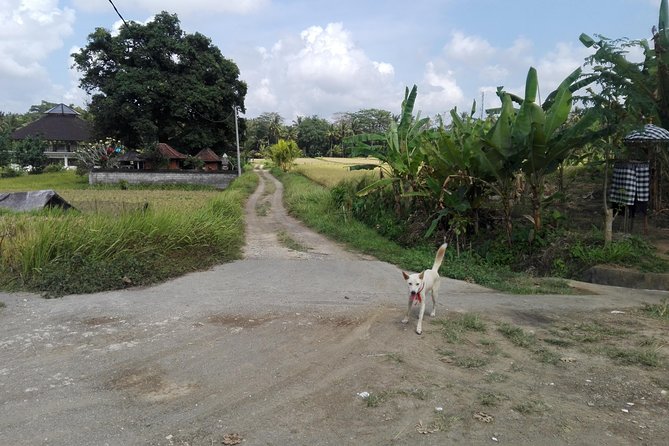
- Mai Organic Farm, outside Ubud: You start on the land, not in a kitchen studio.
- Tiny group size (capped at 8, up to 10): More hands-on time, less waiting.
- Pick your own ingredients: Herbs, fruit, and vegetables come from the community farm.
- Wood-fired cooking: You’ll cook Balinese food on traditional heat, not a tourist hotplate.
- Six dishes plus drinks: Sate lilit kebab, juices, infused water, coffee, and lemongrass tea.
A Balinese Cooking Class That Begins in the Garden
If you’ve done a few cooking classes before, you know the pattern: show up, get a quick demo, then assemble something you could’ve made at home. This one breaks the script. The day starts at Mai Organic Farm, where you walk through the growing area, learn how produce is handled, and help choose what ends up on your plate.
That matters because you don’t just taste food. You understand where the ingredients came from and why they’re used. When you pick herbs and vegetables straight from the garden, you notice the flavors differently. It’s the same reason a market meal hits harder than something packaged.
The setting is in the Pejeng area (near Tampaksiring), not right in central Ubud. The trade-off is you get fewer of the city distractions and more quiet time in a working farm environment.
You can also read our reviews of more tours and experiences in Ubud.
UNESCO Subak and Organic Farming, Explained the Practical Way
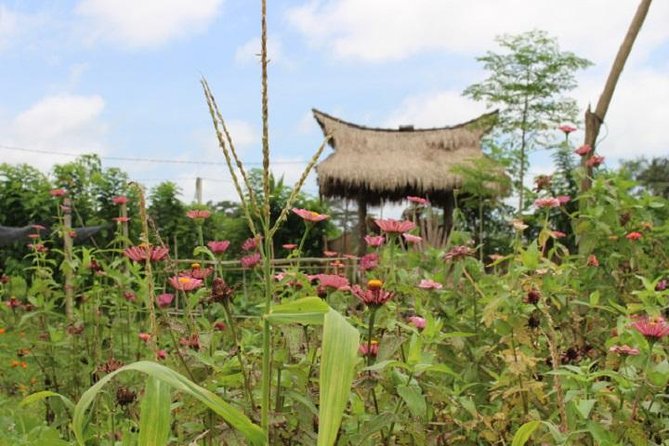
The farm portion isn’t random sightseeing. You’re shown how the farm works and how organic produce gets grown and maintained. You’ll also hear about Bali’s UNESCO-protected Subak System, which is tied to how farming communities organize water and agriculture.
I like this part because it turns cooking into a bigger story. Instead of treating the dishes like a checklist of recipes, you see the farming logic behind the flavors. Even if you remember only a few key ideas, you’ll still leave with a better sense of why Balinese food leans on fresh aromatics—herbs, spices, and produce that’s harvested close to when you cook.
And because you’re walking while you learn, you’re not stuck sitting through a long talk. You’re moving, smelling, looking, and asking questions as you go.
Walking Mai Organic Farm: What to Do in the Shaded Welcome Moment
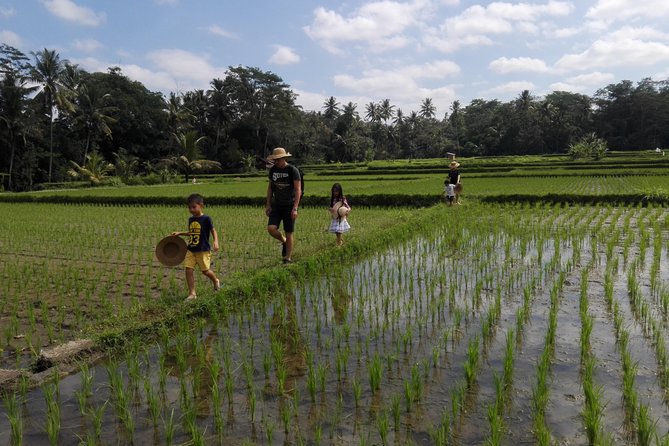
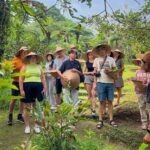
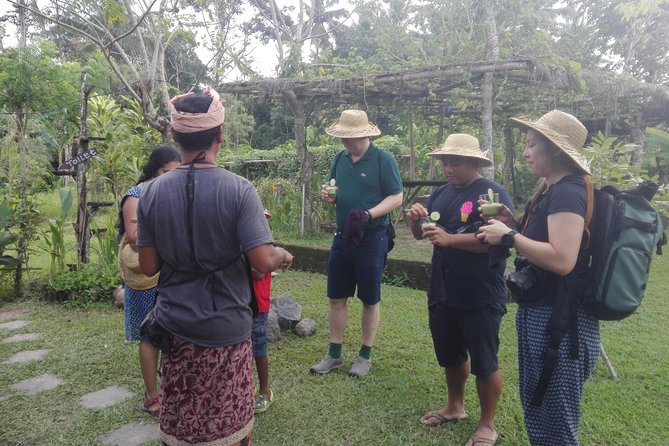
The experience begins at Mai Organic Farm Bali, at Subak Kana in Banjar Panglan (Pejeng area). Before the walking starts, there’s a welcome drink. After that, you relax in a shaded area while the team explains the farm’s community movement and how organic produce is grown.
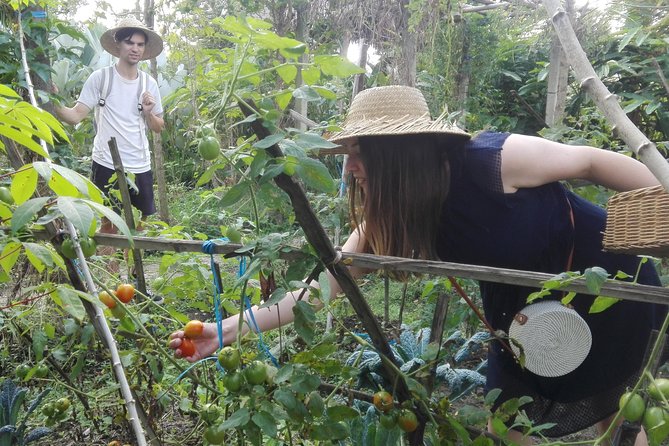
Then you head along the community farm. This is where the day turns from informative to hands-on. The goal is simple: pick ingredients you’ll use later, so your cooking feels connected to the land.
In practice, I’d treat this as your “pay attention” segment. Look closely at what you’re collecting. If you’re unsure what an ingredient will become in a dish, ask there and then. You’ll cook it later, and that makes the learning stick.
Ingredient Picking That Makes the Cooking Stick
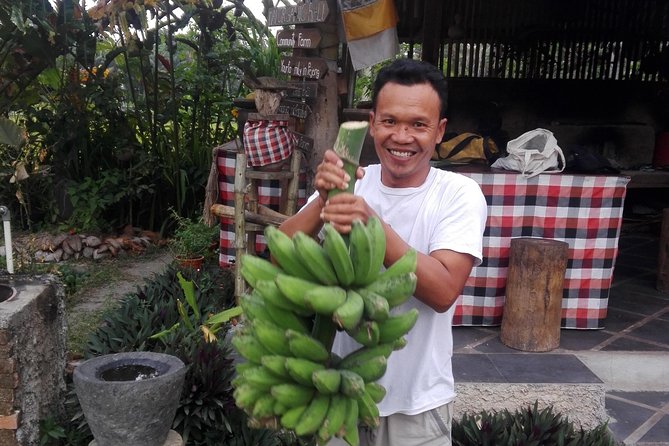
This is one of the most praised parts of the day: walking the farm and selecting herbs, fruit, and vegetables. You’ll gather items used for sauces and base components, and you’ll probably notice smells and textures you don’t get in a supermarket.
One detail I really appreciate from this kind of class format is that you’re not doing it as a gimmick. The picked ingredients aren’t just for show. They’re the same ingredients that end up in the cooking process and the meal you eat.
Also, the pacing is designed for different comfort levels. Participation is flexible, which helps if you’re traveling as a family or you just don’t want to do every step. You can jump in, step back, and still be part of the final table.
Your Balinese Menu: Six Dishes Plus Herbal Drinks
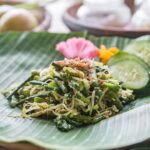
You learn to cook six different Balinese dishes, and the menu also includes drinks. The dishes called out for this class include sate lilit kebab. You’ll also prepare options such as tuna sate and corn fritters.
On the drink side, expect:
- sip juice
- infused water
- herbal drinks
- Balinese coffee
- lemongrass tea
That food-and-drink combo is great value because it adds variety beyond a single lunch plate. Instead of only tasting one thing, you’re moving through multiple flavors—savory bites plus aromatic sips—so the lunch feels like a full Balinese break, not just one meal.
If you’re the type who likes to come home with recipes, you’re in luck here. One review notes that a recipe book is provided at the end, so you can recreate the dishes later (and not just remember the smells).
Wood-Fired Stove Cooking: Traditional Heat, Real Technique
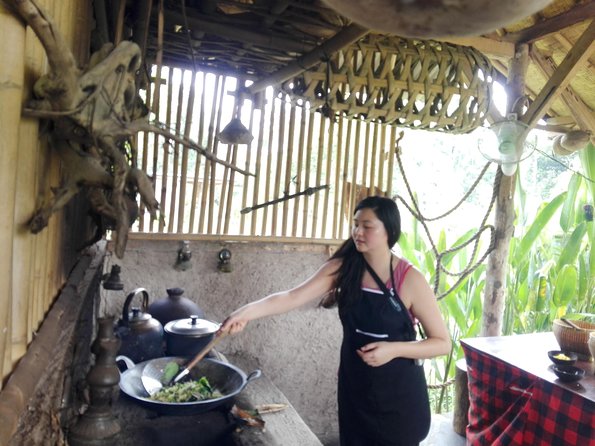
A standout feature is cooking on a traditional wood-fired stove. That changes how food behaves. The heat is different from modern burners, and it can be more sensitive to timing. It’s also part of why this class feels authentic instead of scripted.
You’ll cook outdoors and use the farm’s setup—so expect a more tactile, active workflow than a kitchen indoors. There’s often grilling and fire-stove cooking involved, and you’ll likely get time to help rather than only watch.
The best way to approach this part is to slow down and watch what the cook does with the fire. Don’t just focus on the ingredients. Focus on the heat management—when they stir, when they pause, and how they adjust. Even if your version at home isn’t exactly the same, you’ll learn the method.
The Communal Meal in a Gubuk Hut
After cooking, you eat together in a tranquil gubuk (hut). This is where the group energy clicks. Because it’s small, you’re usually sitting with people you’ve been moving with all morning.
The hut setting helps too. It’s shaded and grounded, with a farm feel rather than a restaurant vibe. You’ll taste the dishes you cooked and also experience the drinks that were part of the plan—juice, infused water, herbal options, Balinese coffee, and lemongrass tea.
If you’re traveling with others, this communal portion is a big reason the class works as a memory-making day. It’s not only about learning. It’s about eating what you helped create, together.
Price and Time: Is $40 Worth It?
At $40 per person, this sits in the “solid value” category for Bali cooking classes, especially because the day includes:
- a small-group format (capped at 8, up to 10)
- ingredient picking on a working organic farm
- instruction for cooking six dishes
- multiple drinks
- round-trip transfers from central Ubud hotels and rentals
The duration is about 5 hours. That’s enough time to do real work—walk the farm, pick ingredients, cook, then eat—without turning the class into a whole-day event.
Also, the pickup piece matters more than it sounds. Ubud traffic can be chaotic, and a scheduled transfer helps you keep the day stress-free. You don’t waste time negotiating routes or hunting for the meeting point.
If you’re booking close to your trip, note that it’s often reserved ahead—on average, this is booked about 17 days in advance—so picking an earlier date can help you get your preferred slot.
Who This Cooking Class Is Best For
This is a strong choice if you want food culture that’s practical, hands-on, and connected to place. I’d especially recommend it if you:
- like cooking classes where you pick ingredients yourself
- want a smaller group experience
- enjoy learning how farming connects to what you eat
- are traveling with kids or a mixed group that benefits from flexible participation
From what’s described, families do well here because the farm walk is visual and interactive, and the cooking is structured enough to stay fun while still allowing people to contribute at their own pace. Couples also tend to like the day since it’s shared work followed by a shared meal, not a rigid performance.
If you’re only looking for a quick tasting and don’t want to walk and cook, you might find it a bit active. But if you want involvement, this format is built for you.
Should You Book Mai Organic Farm’s Balinese Cooking Class?
I think you should book if you want the real Balinese version of a cooking class: organic farm learning, ingredient picking, and cooking on traditional heat, then eating together in a gubuk hut. The small-group size, the wood-fired stove, and the fact you cook six dishes (plus multiple drinks) make it feel like a full experience for the price.
Book if you’re okay with one key condition: the class needs good weather. If rain moves in, your plan may change. If you’re flexible on the date and you’re traveling with a group that enjoys hands-on learning, it’s an easy yes.
If your idea of a perfect day is mostly indoors or you want very little physical activity, consider that the farm walk is part of the deal. But for most people, the effort pays off in the taste—and in the story you’ll tell afterward.
FAQ
How long is the Balinese cooking class?
It lasts about 5 hours (approximately).
What does the class include?
You’ll learn to cook six Balinese dishes and also make or enjoy drinks like sip juice, infused water, herbal drinks, Balinese coffee, and lemongrass tea.
Do I get to pick ingredients from the farm?
Yes. You’ll walk the farm area and pick ingredients that you’ll use during the cooking class.
Is pickup from Ubud included?
Pickup is offered, and the experience includes round-trip transfers from central Ubud hotels and rentals.
How many people are in the group?
Numbers are capped at just eight travelers for a hands-on experience, with a maximum of 10 travelers listed for the activity.
Where does the experience start?
The meeting point is Mai Organic Farm Bali, Subak Kana, Banjar Panglan, Pejeng, in the Tampaksiring area of Gianyar, Bali.
What happens at the end of the class?
The activity ends back at the meeting point.
Is the experience dependent on weather?
Yes. It requires good weather. If it’s canceled due to poor weather, you’ll be offered a different date or a full refund.
What is the cancellation policy?
Free cancellation is available. You can cancel up to 24 hours in advance for a full refund.
When will I receive confirmation?
Confirmation is received within 48 hours of booking, subject to availability.