REVIEW · TELUK BAHANG
Penang: Tropical Fruit Farm Ticket
Book on GetYourGuide →Operated by Globaltix Sdn Bhd · Bookable on GetYourGuide
Think fruit tasting with real farming behind it. At Penang Tropical Fruit Farm in Teluk Bahang, you walk through 25 acres and meet 200+ edible species grown on hilly land around 800 feet up.
I like how the ticket is built around an actual learning flow, not just a quick walk-and-leave stop. The tastings and the short guided tour help you connect what you’re sampling to how the farm works, but there’s one practical catch: you’ll likely need a taxi or Grab to get there.
In This Review
- Key highlights you’ll care about
- Penang Tropical Fruit Farm: 25 Acres at Teluk Bahang’s 800-Foot Height
- Getting There and Using the One-Day Ticket
- The 30-Minute Guided Farm Tour: What You’ll See
- Fruit Enzyme Process + Cinnamon & Lemongrass Tea Testing
- Wild Honey Tasting and What It Adds to the Day
- Fresh Fruit Juice or a Fruit Box Upgrade: Worth It?
- Value for Money: Why a $7 Ticket Can Still Feel Like a “Real” Tour
- Practical Tips Before You Go
- Who This Fits Best (and Who Might Skip It)
- Should You Book the Penang Tropical Fruit Farm Ticket?
- FAQ
- How long is the Penang Tropical Fruit Farm ticket experience?
- What is included in the ticket?
- Do I need to bring anything?
- Are outside food and drinks allowed?
- Is there an English-speaking guide?
- Is the activity refundable if plans change?
Key highlights you’ll care about
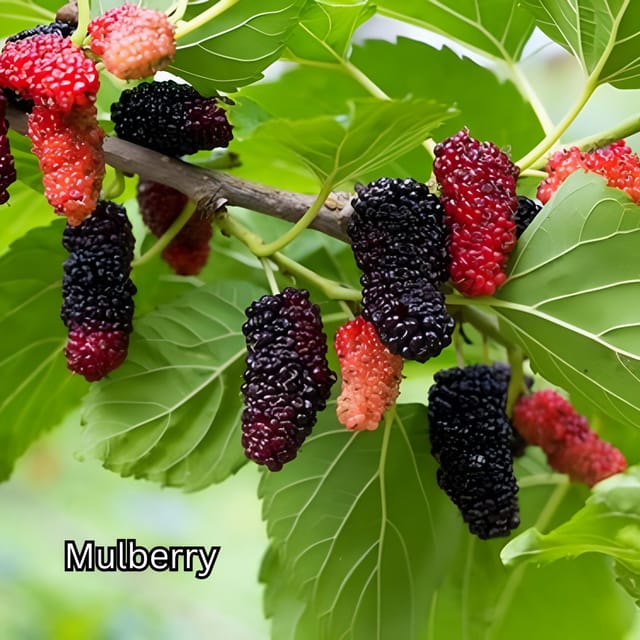
- 200+ fruit species on a 25-acre farm (a big range, not a small orchard corner)
- 30-minute guided tour in English, with clear explanations
- Fruit enzyme tasting, plus cinnamon & lemongrass tea testing and wild honey tasting
- Sustainability and conservation: the farm supports rare and exotic fruit trees
- Optional upgrades like 100% pure fruit juice or a fresh fruit box (if you pick them)
Penang Tropical Fruit Farm: 25 Acres at Teluk Bahang’s 800-Foot Height
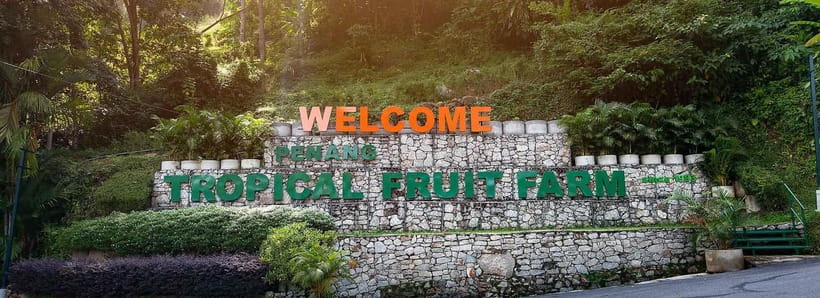
This farm sits in the north west of Penang, in Teluk Bahang, and it’s on hillside terrain about 800 feet above sea level. That altitude and terrain matter because tropical fruit farming isn’t one-size-fits-all. Different trees handle conditions differently, so you get a wider mix of tropical and sub-tropical fruit species than you would in a flat, uniform area.
The farm’s collection is part of what makes the visit feel different from a standard “fruit stand.” It’s described as the largest collection of tropical fruits in South East Asia, developed starting in 1993, with an emphasis on conserving rare and exotic fruit trees. For me, that’s the key theme: you’re not just there to taste. You’re seeing how a working farm links agriculture, education, and tourism without pretending the whole thing is “just for tourists.”
Getting There and Using the One-Day Ticket
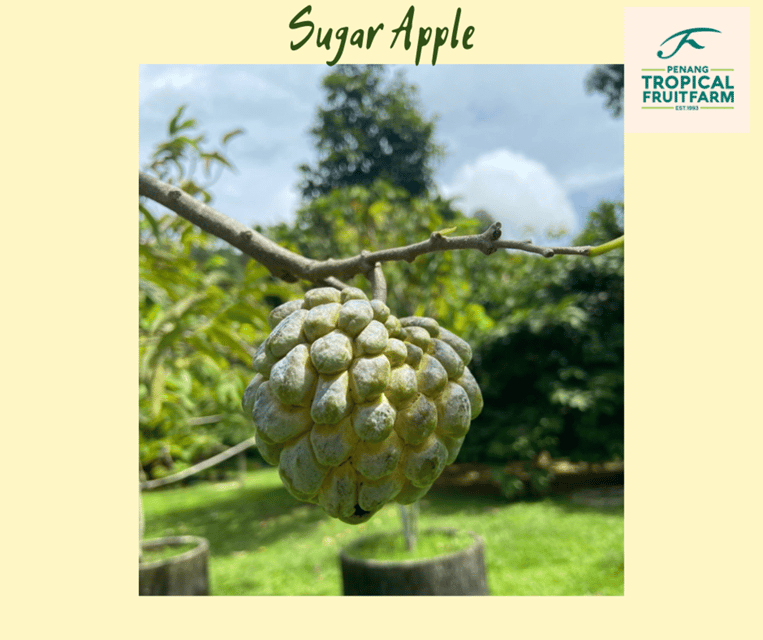
The ticket is valid for one day, and starting times depend on availability. You redeem by going directly to Tropical Fruit Farm for check-in, so plan to arrive with enough buffer that you don’t feel rushed.
Here’s the one logistics issue I’d underline: the farm is in Teluk Bahang, and getting there usually means a taxi or Grab rather than relying on an easy walk from a central area. A recent visitor called this out directly, and honestly it’s the kind of detail that can make or break your day—because the activity itself is short, so you want transport to be smooth.
Good news: your total planned experience fits into a day. You’re not signing up for a marathon. If you’re already doing a Penang food and nature loop, this slots in nicely.
The 30-Minute Guided Farm Tour: What You’ll See
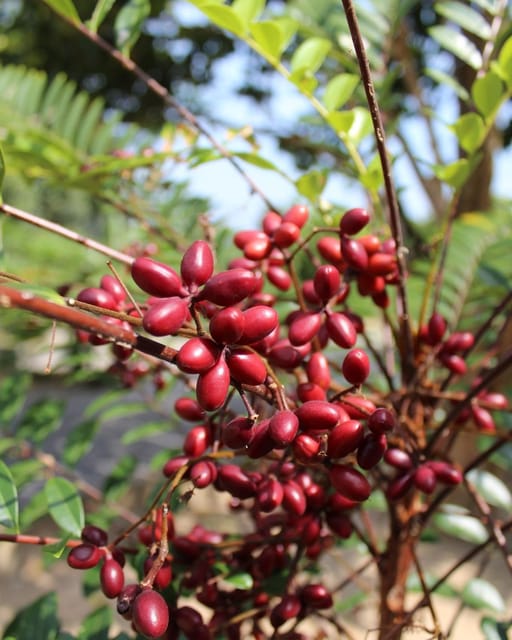
Your guided farm portion is about 30 minutes with an English-speaking guide. The tour is designed to orient you around the orchards and the farm’s purpose, including the collection of more than 200 fruit species. In practice, that means you’ll spend your limited time in the places where the staff want you to understand the farm—tree variety, fruit types, and why the location and conservation mission matter.
This is the part of the ticket I’d recommend paying attention to. A quick guided explanation makes the tastings much more meaningful. Without a guide’s framing, you’d mainly be judging flavors. With the guide, you’re also learning what each fruit represents in the farm’s broader effort to preserve and educate.
One note: children are listed as ages 5 to 12, so families can plan around that age range. If you’re traveling with kids, keep expectations realistic for how long a child can stay focused during a guided walk.
Fruit Enzyme Process + Cinnamon & Lemongrass Tea Testing
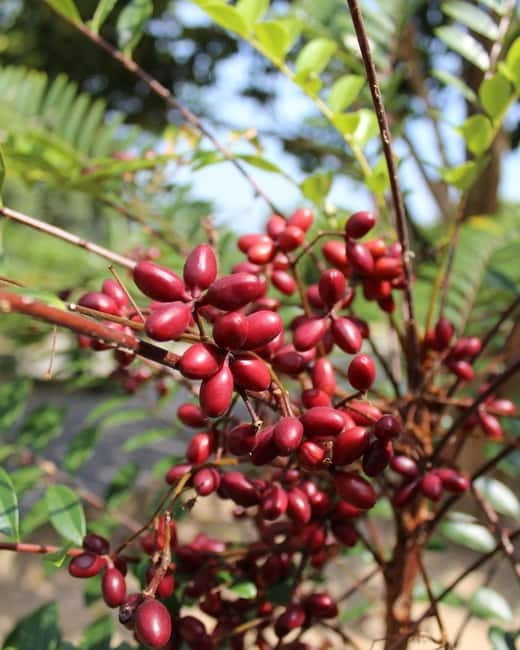
After the orchard walk, the experience shifts into explanation and sampling. Included in your ticket is an introduction to the fruit enzyme process, plus cinnamon and lemongrass tea testing, and a fruit enzyme tasting.
Let’s translate what that means for your day. The farm is essentially turning “agriculture” into something you can understand with your senses. Instead of only looking at trees, you’re going from fruit to process to taste. That matters because fruit farming is mostly about timing, storage, ripening, and how fruit is handled after harvest. The enzyme portion is one way the farm frames the value of fruit beyond simply eating it fresh.
The cinnamon & lemongrass tea testing is also smart as a palate warm-up. If you’re not used to tasting fruit-based products in an educational setting, a warm, aromatic tea gives you something familiar to anchor on. Then the fruit enzyme tasting makes more sense because your senses are already “switched on.”
A practical expectation: this isn’t a silent self-guided museum. It’s an explanation followed by tasting. So show up ready to pay attention for a bit, even if you’re mostly there for food.
Wild Honey Tasting and What It Adds to the Day
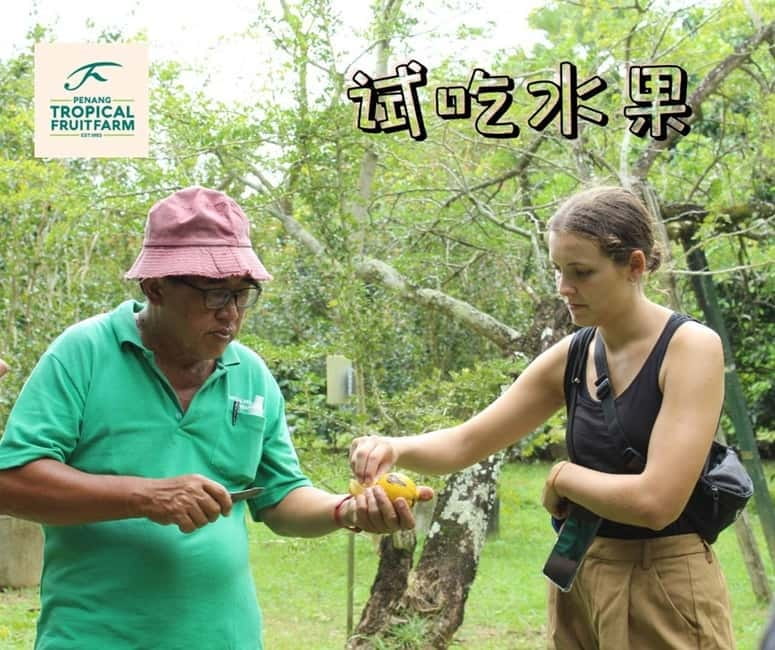
Next is a wild honey tasting, included in the ticket. Honey often shows up as an add-on attraction, but here it fits the farm’s broader idea: this is an agricultural system with multiple products, not a single “one fruit only” experience.
For you, the value is variety. If you’re a food traveler who likes comparing flavors side-by-side—sweetness, aroma, and texture—this tasting gives you a second ingredient category beyond fruit. It also helps you understand how fruit farms connect with other natural processes in the same environment.
I also like that the tasting sequence moves from fruit science to aromatic tea to honey. It keeps the experience from feeling repetitive, and it gives you multiple ways to remember the farm: by fruit, by smell, and by taste.
Fresh Fruit Juice or a Fruit Box Upgrade: Worth It?
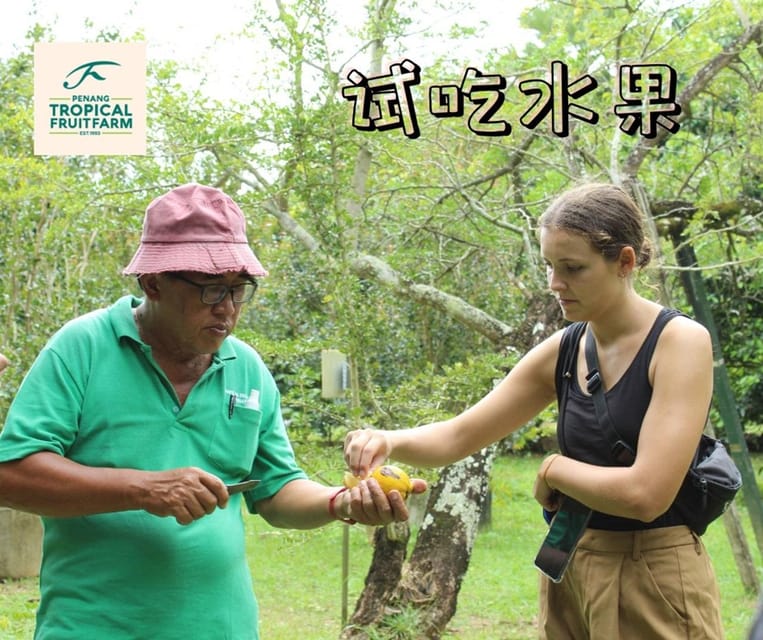
Your ticket includes the guided tour and tastings, plus it offers optional choices:
- 1 glass of 100% pure fruit juice (if selected)
- A fresh fruit box (if selected)
Whether these upgrades are worth it depends on what you want to carry home. If you’d rather taste more fruit without buying snacks separately, the fruit juice can be a convenient way to keep the fruit theme going after the tour. If you like the idea of turning your visit into a literal takeaway—something you can share later or bring back to your hotel—the fruit box makes the visit more practical.
One small thing to keep in mind: outside food and drinks aren’t allowed. So if you want something beyond what’s included, you’ll likely need to choose from the farm’s included options rather than planning on buying or packing your own.
Value for Money: Why a $7 Ticket Can Still Feel Like a “Real” Tour
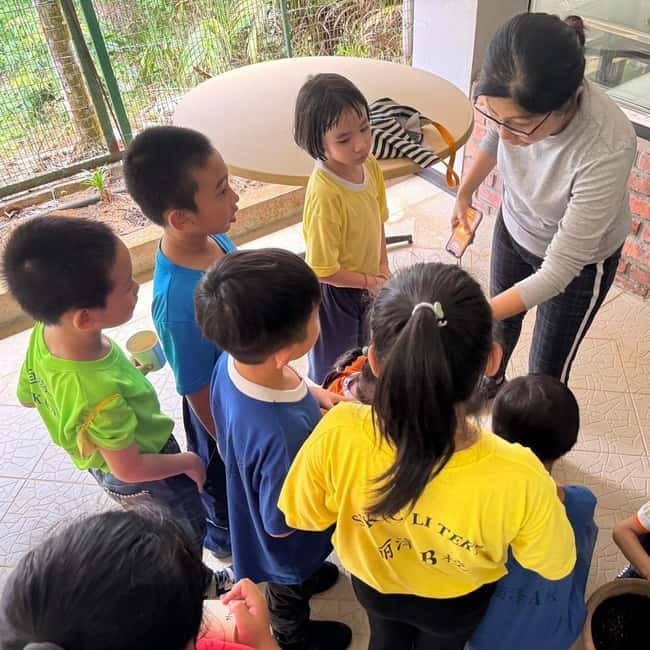
At $7 per person, this is priced as a budget-friendly activity, and I think it earns that price by combining three things people usually have to pay extra for elsewhere:
1) a real guided component (not just a signboard),
2) multiple tastings, and
3) a clear educational focus on agriculture and conservation.
A lot of low-cost attractions feel like quick photo stops. This one is structured: guided farm tour first, then process explanations, then tastings. The short time window makes it easy to fit into a day in Penang, and the included items add up better than you might expect at this price point.
If you’re trying to build a value-based day—street food, local markets, and one or two paid stops—this ticket makes sense. It’s not a full-day tour, but it’s also not a skimpy “pay and look around” experience.
Practical Tips Before You Go
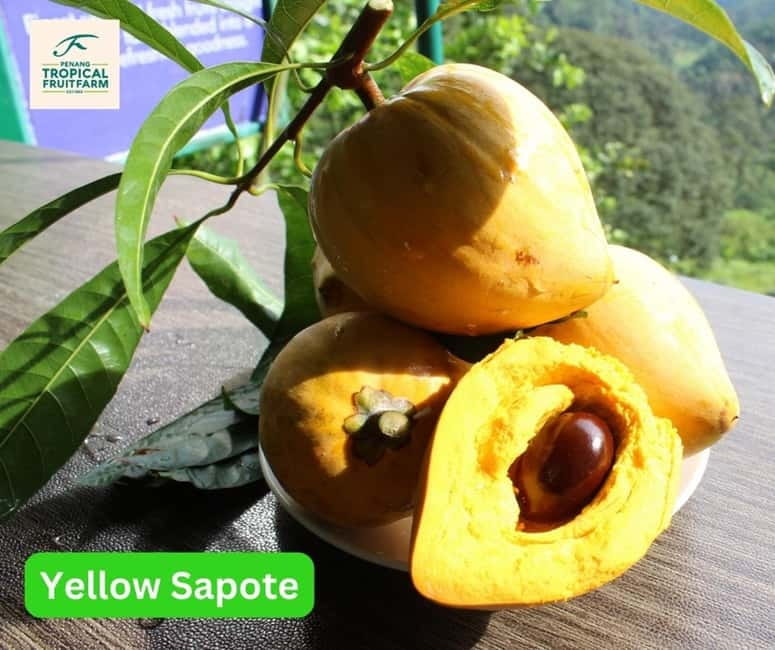
A few details will save you time on-site.
Bring an umbrella. Weather in Penang can shift fast, and you’ll be out around the orchards.
Know that food and drinks aren’t allowed. That keeps the focus on what the farm provides, and it also avoids messy overlaps with tasting stations.
Your guide is listed as English-speaking, and other languages (Chinese, Cantonese, Arabic, Malay, and Indonesian) are available on request subject to availability. If language matters for you, it’s worth planning ahead and checking that your preferred option is likely.
Finally, because the guided tour and tastings are time-bound, don’t schedule this as the very last stop of your day unless you’re comfortable with a bit of flex time for transport.
Who This Fits Best (and Who Might Skip It)
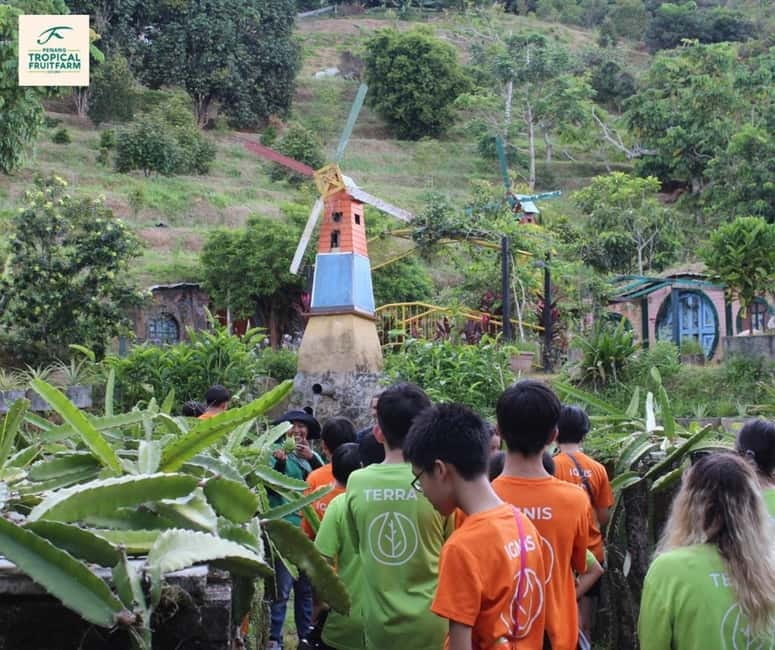
This works especially well if you:
- like food experiences that connect to farming, not just flavor
- enjoy learning something practical about agriculture, conservation, and how a farm operates
- want a low-cost activity with multiple tastings
It may be less ideal if you’re looking for a long, self-paced nature hike. The total experience is short and structured, and it’s focused on education and sampling rather than long trails.
It’s also a good family-friendly option in the 5 to 12 age range, since the tour is guided and built around short, digestible segments.
Should You Book the Penang Tropical Fruit Farm Ticket?
Yes, if you want a short Penang stop that turns fruit into a guided learning experience. The strong star rating (4.5) lines up with what you should expect from the design: clear information, a real guide, and tastings that make the farm’s mission feel tangible. And if the idea of being able to understand fruit beyond “taste only” appeals to you, this is an easy win.
Just be honest with yourself about transport. If you hate taxi/Grab rides or you’re trying to stay completely car-free, you might feel more friction here than at a city-center attraction. If you can solve that one logistics issue, the $7 ticket can give you a memorable mix of trees, science, and practical food tasting.
FAQ
How long is the Penang Tropical Fruit Farm ticket experience?
The ticket is valid for 1 day, and the guided farm tour component is 30 minutes.
What is included in the ticket?
Included items are the guided farm tour (30 minutes), an introduction to the fruit enzyme process, cinnamon and lemongrass tea testing, fruit enzyme tasting, wild honey tasting, plus an optional 1 glass of 100% pure fruit juice and an optional fresh fruit box if you select those options.
Do I need to bring anything?
You should bring an umbrella.
Are outside food and drinks allowed?
No. Food and drinks are not allowed.
Is there an English-speaking guide?
Yes. The guide is English-speaking, and other languages are available on request (Chinese, Cantonese, Arabic, Malay, and Indonesian) subject to availability.
Is the activity refundable if plans change?
No. This activity is non-refundable.