REVIEW · ZANZIBAR
Zanzibar: Spice Farm Tour with Traditional Cooking Lesson
Book on GetYourGuide →Operated by Zanzibar Local Experience · Bookable on GetYourGuide
A Zanzibar spice farm tour is the kind of morning you can smell. You’ll walk through organic spice plants, taste fresh fruits like jackfruit, and then cook and eat lunch using what you just learned.
I especially liked two things: first, the plant-to-plate tasting, where spices like clove, nutmeg, vanilla, and pepper are fresh enough to surprise you; and second, the way lunch is tied to the farm, so the cooking lesson feels real instead of scripted.
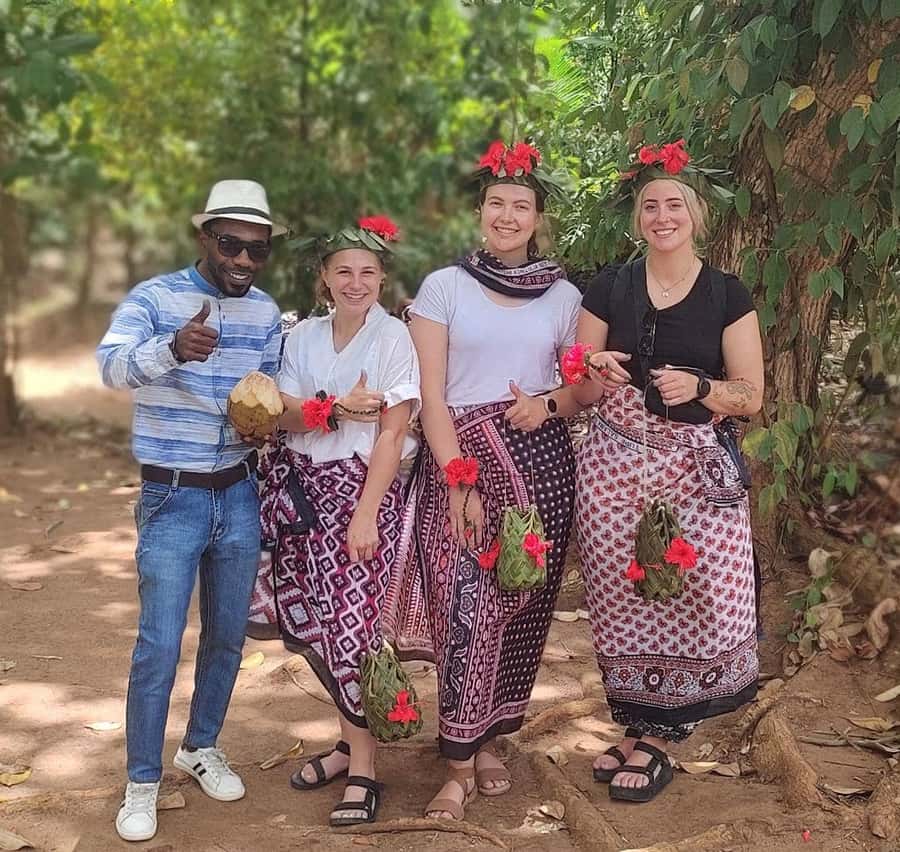
One drawback to keep in mind: cooking participation can vary. Some people end up helping with parts of the meal rather than doing every step, and there’s sometimes a leaf-made photo moment (like a crown/tie/handbag) that can feel a bit sales-y—worth knowing so you’re not caught off guard.
In This Review
- Key Highlights You’ll Actually Care About
- Why This Zanzibar Spice Farm Tour Works in Real Time
- Getting There: Stone Town Pickup and a 9:00AM Start
- On the Farm: Touch, Smell, and Taste Spices Before They Become Powder
- Fruits on the Side: Jackfruit, Plus the Stuff You Can’t Fake
- Cassava Leaves, Coconut Milk, and the Cooking Lesson That Teaches More Than Recipes
- The Coconut Tree Climber Moment: A Quick Taste with Big Personality
- Lunch at the Spice Farm: Why the Meal Is More Than Just a Break
- Buying Spices to Take Home: Cash Is Required and Quality Matters
- Value for $65: What You’re Really Paying For
- Who This Tour Suits Best (and Who Might Skip It)
- A Few Small Friction Points to Know Before You Go
- Should You Book This Zanzibar Spice Farm Tour?
- FAQ
- Where is the meeting point for the Zanzibar spice farm tour?
- What time does the tour start?
- How long is the experience?
- What’s included in the price?
- Can I purchase spices with a card?
- Is pickup available from beach hotels?
- What languages will the guide speak?
- What should I bring?
- Is the tour wheelchair accessible, and is it suitable for pregnant women?
Key Highlights You’ll Actually Care About
- Fresh spice tasting from the plants, not just dried jars
- Jackfruit and young coconut sampling, including jackfruit that truly earns its fame
- Cassava leaf harvesting and coconut milk making as hands-on activities
- Lunch on the spice farm based on the flavors you just sampled
- Guide-led explanations tying spices to Zanzibar life and food (plus Swahili words along the way in some cases)
- Cash-only spice shopping at the end, so plan your payment before you arrive
Why This Zanzibar Spice Farm Tour Works in Real Time
Spices are a big deal in Zanzibar, but most people only know them as supermarket jars. Here, you meet them as living plants. That single change makes everything click: you see what cinnamon really looks like on the tree or shrub, you smell clove straight from the plant, and you taste ingredients while the guide explains what they’re used for—both in cooking and in traditional medicine.
This is also a good way to understand Zanzibar beyond beaches and Stone Town pictures. Spices shaped trade, trade shaped people, and people shaped food. In a short 3 hours, you get the practical version of that story: the farm’s workflow, the ingredients, and the flavors showing up in lunch.
That time limit is part of the charm and the only pressure point. You’ll move at a steady pace, and you’ll want to go in hungry (more on that later).
You can also read our reviews of more tours and experiences in Zanzibar.


Getting There: Stone Town Pickup and a 9:00AM Start
The tour meets in front of the Old Fort on Mizingani Road at 9:00AM. If you’re staying in Stone Town, this is an easy landmark to find, and it helps you avoid the usual morning confusion.
If you’re on the beach, pickup is optional and can be arranged from your hotel anywhere in Zanzibar. That matters because you don’t have to build your own taxi plan for a half-day activity that’s timed tightly to the farm day.
Tip: arrive a few minutes early. Farm tours run on real schedules—when the day is ready for tasting and harvesting, you’ll start.
On the Farm: Touch, Smell, and Taste Spices Before They Become Powder
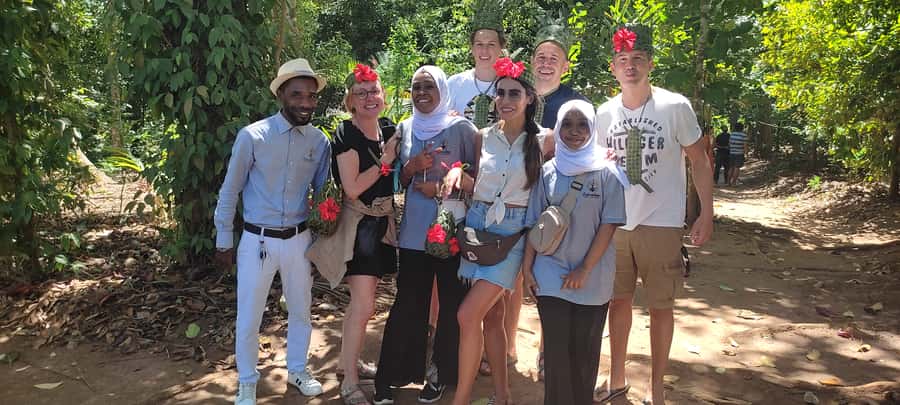
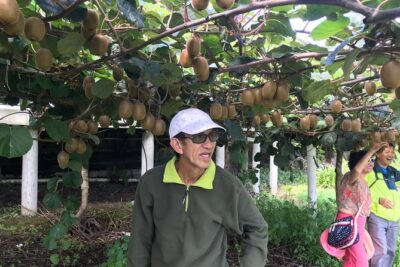
Once you arrive, the guide explains how the spices are grown and used—why Zanzibar became famous for clove, nutmeg, cinnamon, black pepper, and more. You’ll handle and smell the plants directly, which is the whole point. Fresh spices can smell sharper and sweeter than what you’re used to from dried packets.
Expect to work your senses in a pretty direct way:
- The guide shows you different spice plants.
- You touch and smell them on-site.
- Then you taste what you’re sampling.
In practical terms, this turns “I like cinnamon” into “I get why cinnamon shows up in these dishes.” People often mention recognizable spices like cardamom, turmeric, ginger, vanilla, nutmeg, clove, pepper, and lemongrass, and the experience is strongest when you treat it like a tasting course rather than a quick photo stop.
This is also where guide style makes a difference. I’ve seen how big a deal that can be: one guide, Chiquito, is repeatedly praised for humor and clear explanations, while drivers like Ahmad and Abdullah are noted for keeping the ride informative with real talk about life on Zanzibar.
Fruits on the Side: Jackfruit, Plus the Stuff You Can’t Fake
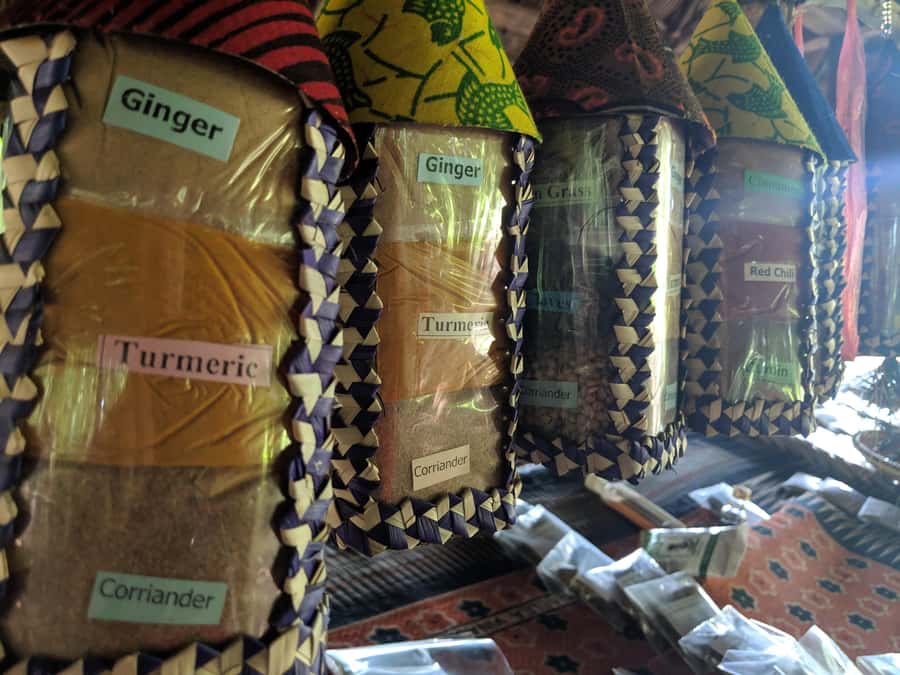
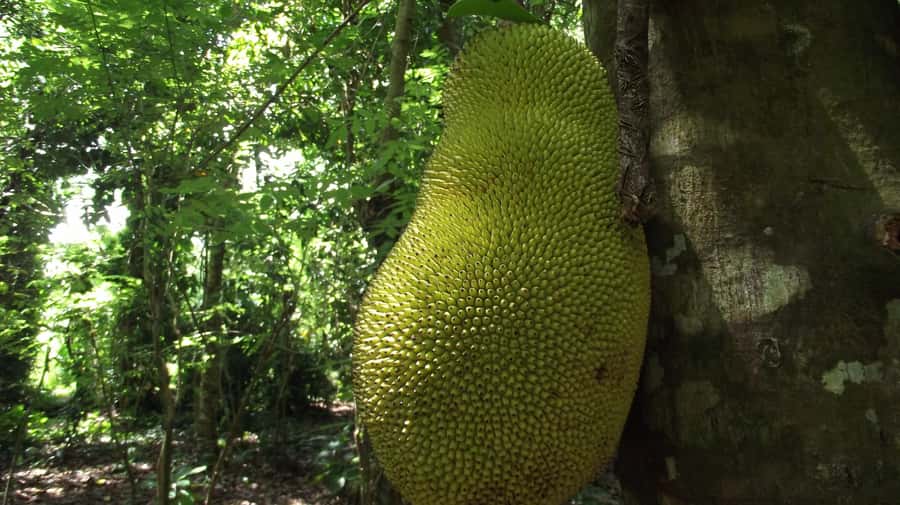
Spice farms in Zanzibar aren’t just about spices. You’ll also see and taste fresh tropical fruits. The standout is jackfruit, often described as the largest fruit in the world, and you’ll get a chance to taste it during the tour.
There’s something satisfying about pairing fruit tasting with spice tasting. Jackfruit is big, aromatic, and sweet in a way that helps you notice how spices work with natural flavors rather than masking them. It’s also a nice break from the more intense aromas of clove and pepper—your nose gets a reset.
You’ll also have coconut along the way, including young coconuts picked for you to try.
Cassava Leaves, Coconut Milk, and the Cooking Lesson That Teaches More Than Recipes
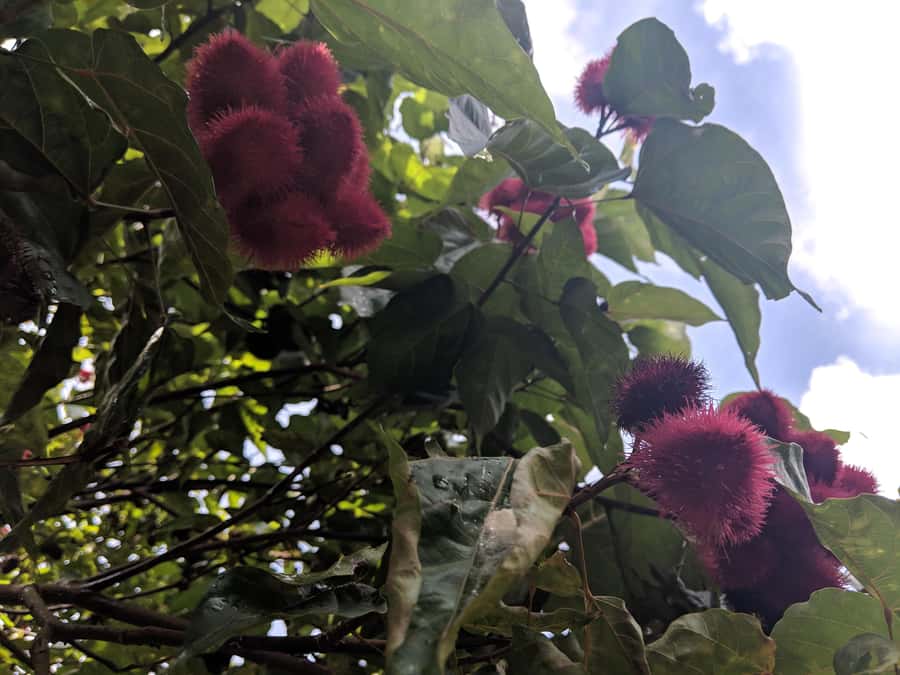
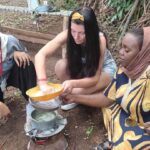
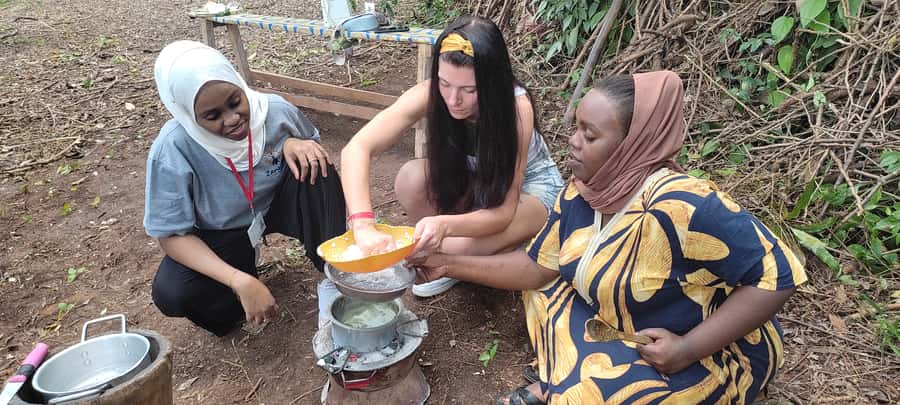
Later, the tour shifts from smelling to doing. You might join a cassava leaf harvest, then help with making coconut milk and practicing cooking.
What makes this part valuable is that it shows how Zanzibar flavors are built. Coconut milk isn’t just a creamy ingredient—it’s a base that changes how spices behave. When you see the process close-up and taste the result, you stop thinking of spices as “seasonings” and start thinking of them as flavor systems.
A few reviews suggest how hands-on this portion can be. Some people mention full cooking participation with local women preparing traditional dishes, while others note that the guide may show ingredient prep and you help with a side portion. Either way, you’re still learning by doing a piece of the workflow, which is more memorable than watching from a distance.
If you want maximum hands-on time, come in with energy and a simple mindset: ask questions, join the steps you’re offered, and don’t sit back waiting for the guide to assign you. Guides vary, but your attitude can make a huge difference in how much you get out of the cooking lesson.




The Coconut Tree Climber Moment: A Quick Taste with Big Personality
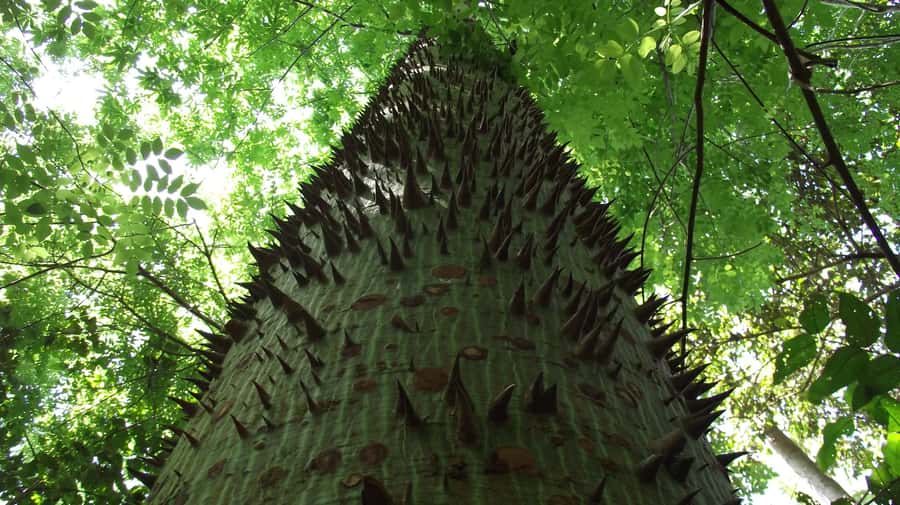
One of the most fun moments is when a coconut tree climber picks young coconuts for you to try. It’s quick, but it adds a sense of place and local skill that you don’t get from a standard food workshop.
You’ll taste the young coconut as a fresh break from spices and a reminder that Zanzibar’s flavors aren’t only from “spice jars.” This is tropical food culture—straight from the source.
Lunch at the Spice Farm: Why the Meal Is More Than Just a Break
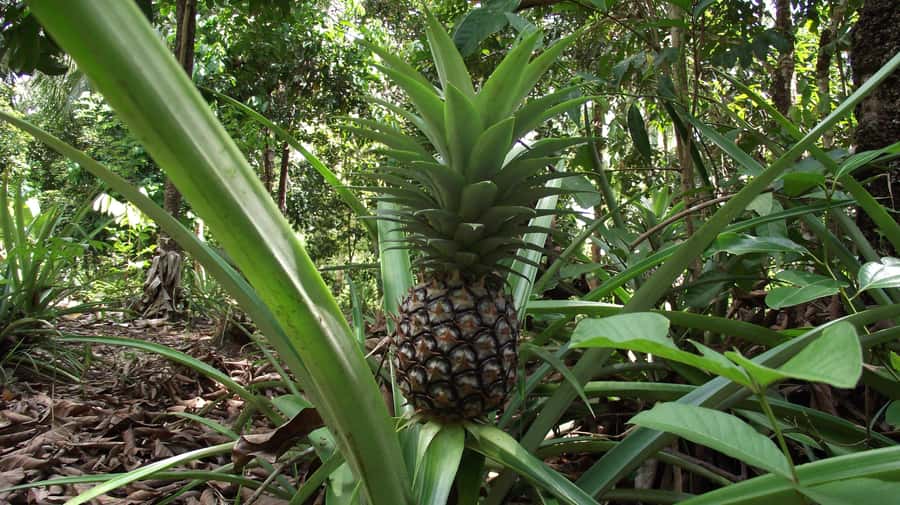
At the end, you’ll eat lunch on the spice farm. Included in the price is lunch, and you’ll often help prepare it during the cooking lesson.
The best part is that lunch isn’t separate from the tour. The flavors in your plate connect to the plants you just smelled and tasted. That makes the meal a kind of exam—your brain tries to match what you tasted earlier with what’s now in food.
People describe the lunch as tasty and satisfying, with traditional Swahili dishes and use of the spices from the farm. Guides sometimes also toss in small bits of culture along the way, including Swahili words. It makes the meal feel like part of a living food system instead of a tourist performance.
Practical note from experience: don’t eat before you go. You’ll want your appetite for fruit, coconut, spice tastings, and then lunch. If you show up full, you’ll still enjoy it—but you’ll lose the best part, which is tasting things in sequence.
Buying Spices to Take Home: Cash Is Required and Quality Matters
The tour ends with the opportunity to purchase fresh spices from the shop. Here’s the key detail: spices can only be purchased with cash.
So plan ahead. Bring cash in the amount you think you’ll spend, and if you can, bring smaller bills for easier checkout. Also, think like a cook:
- Buy what you’ll use (clove, nutmeg, cinnamon, pepper, cardamom, vanilla).
- Ask how it’s best stored if the shop offers guidance.
- Taste something fresh during the tour so you know what you’re paying for.
Why this can be a smart move on value: if you already know you want souvenirs, spices can be a functional one. You’ll cook with them later and remember the farm every time a scent hits your kitchen.
Value for $65: What You’re Really Paying For

At $65 per person for about 3 hours, you’re paying for a focused bundle: pickup from Stone Town or beach hotels, a local guide, a contribution to the local community, lunch, and the chance to taste and learn in a real farm setting.
You can think of it like this:
- You’re not just paying for a “walk.”
- You’re paying for access: the farm plants, the tasting format, and the food lesson tied to what grows there.
- You’re also paying for guided interpretation, which helps you understand what you’re tasting and why Zanzibar became famous for it.
If you’re the type who buys spices anyway, the shopping portion helps tilt the value further in your favor—especially since you can taste before you buy.
The main reason it might not feel worth it for some people is time. Because it’s short, you won’t get an all-day agricultural experience. Instead, it’s a concentrated sampling and cooking taste of the spice industry.
Who This Tour Suits Best (and Who Might Skip It)
This is a strong fit if you want:
- A food-and-culture activity that makes Zanzibar’s spice fame feel tangible
- A hands-on cooking lesson (with cassava leaves and coconut milk involved)
- A guided way to understand why spices matter in Zanzibar’s economy and daily life
It’s also a good choice if you’re traveling through Stone Town and want a morning plan that’s active, flavorful, and not dependent on beach conditions.
Who should think twice:
- The tour isn’t suitable for pregnant women.
- If you dislike tasting sessions or have a very low tolerance for strong aromas, go in gently and let the guide pace you.
Wheelchair access is listed as available. If mobility is a concern, I’d still ask your provider what the walking and farm paths look like in practice, since farms can vary.
A Few Small Friction Points to Know Before You Go
This tour is mostly praised, but a balanced view helps you plan smoothly.
1) Cooking involvement can differ
Some people get more active cooking help than others. If you care a lot about participating, communicate your interest early and jump into steps when offered.
2) Optional photo or leaf-item moment can feel touristy
There’s mention of a leaf-made crown/tie/handbag moment and then a tipping expectation. If you don’t want that energy, just keep your focus on the tasting and the cooking, and decide calmly when to engage.
3) Timing can feel tight
One comment suggests the tour may feel rushed in places. That’s the reality of a 3-hour schedule. Bring a patient mindset and enjoy the sensory parts over perfect pacing.
Should You Book This Zanzibar Spice Farm Tour?
If your ideal Zanzibar day includes real taste, real ingredients, and a cooking lesson with context, I’d book it. The reason is simple: you don’t just learn about spices—you smell them fresh, taste them from plants, then eat them as lunch. That combo is rare, and it sticks with you long after the trip.
I’d especially recommend it if you’re staying in or near Stone Town and want an easy morning plan that feels connected to Zanzibar’s signature identity. Bring cash, don’t overeat beforehand, and wear comfortable shoes—you’ll be standing, walking, and reaching more than you might expect.
If you’re only looking for a quick photo stop, or if you want a full-day farm immersion, this may feel too short. But for most people, 3 hours hits the sweet spot: enough time to learn, taste, cook, and leave with spices that actually belong in your suitcase.
FAQ
Where is the meeting point for the Zanzibar spice farm tour?
The meeting point is in front of the Old Fort on Mizingani Road in Stone Town, Zanzibar.
What time does the tour start?
The tour starts at 9:00AM.
How long is the experience?
The tour lasts about 3 hours.
What’s included in the price?
Pickup from the Stone Town meeting point and from Zanzibar beach hotels (optional), a local guide, a contribution to the local community, and lunch are included.
Can I purchase spices with a card?
No. Spices can only be purchased with cash.
Is pickup available from beach hotels?
Yes. Pickup from Zanzibar beach hotels is optional, and you can arrange it anywhere in Zanzibar.
What languages will the guide speak?
The live tour guide speaks English and Swahili.
What should I bring?
Bring comfortable shoes, a sun hat, sunscreen, water, and cash.
Is the tour wheelchair accessible, and is it suitable for pregnant women?
It’s listed as wheelchair accessible, but it is not suitable for pregnant women.