REVIEW · ZANZIBAR
Private Tour Zanzibar Unique Stone Town with spice Farm Plantations
Book on Viator →Operated by My Unique Zanzibar · Bookable on Viator
Stone Town meets Zanzibar spices in five hours. This private tour links UNESCO-listed Stone Town streets with the spice trade in a neat, time-smart way, from the Slave Market Exhibition Museum area to a working spice farm. What I like most is how the guide (often Masoud, based on feedback) keeps pointing out what you’re actually looking at, not just reciting dates.
You’ll get hands-on spice tasting and plant spotting during the farm stop, plus a memorable coconut tree climber show where songs and quick picking make the whole thing feel very local. The best part is that it’s not just a photo stop; you get to smell and identify spices like cardamom, cinnamon, cloves, vanilla, nutmeg, ginger, turmeric, and coffee.
One possible drawback: there’s no hotel pickup, so you’ll need to get yourself to the meeting point. Also, the experience requires good weather, which can affect scheduling if conditions aren’t right.
In This Review
- Key highlights at a glance
- Why this 5-hour combo works so well for first-timers
- Stone Town: a guided walk through narrow lanes and major landmarks
- The spice farm: turn a list of spices into a real sensory experience
- Coconut tree climber show: a quick performance with real local rhythm
- The final spice table: buy with confidence, not panic
- Price, inclusions, and why this feels like good value
- Logistics that can make or break the day
- Who this tour is perfect for
- When weather affects your plans
- Should you book this private Stone Town and spice farm tour?
- FAQ
- FAQ
- How long is the Stone Town and spice farm tour?
- How much does the tour cost per person?
- Where does the tour start?
- Does the tour include entrance fees?
- Is bottled water provided during the tour?
- Is hotel pickup or drop-off included?
- What do you do during the Stone Town part of the tour?
- What happens at the spice farm?
- Is this tour private or shared?
- What if the weather is poor or I need to cancel?
Key highlights at a glance
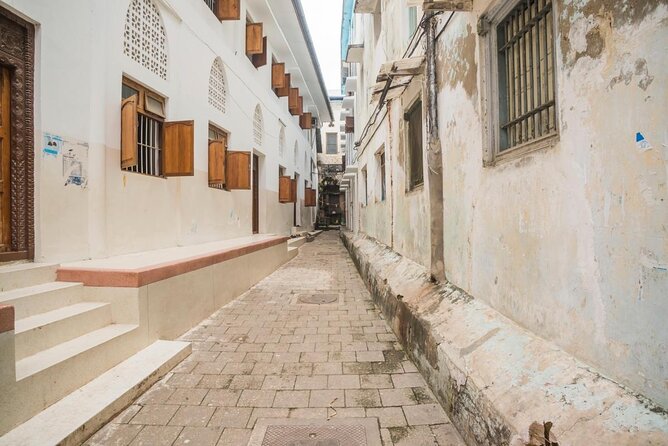
- Stone Town UNESCO streets with Swahili and Islamic influences, plus major landmarks
- Slave Market Exhibition Museum stop as part of the city route
- Coffee or ginger tea break built into the flow
- Two hours at a spice farm with real plant and spice identification
- Coconut tree climber show with singing and coconut picking
- Final spice table shopping for processed spices and gifts
Why this 5-hour combo works so well for first-timers
At $61 per person, this is priced for a guided day that gives you two big Zanzibar themes in one go: Stone Town and the spice trade. The math is simple—rather than spending half your trip just getting oriented in the city, you roll straight into the agriculture story that made Zanzibar famous.
The timing also feels realistic. The Stone Town walking portion runs about 2 to 3 hours, then you spend around 2 hours at the spice farm, and the rest of the day includes the coconut climber show plus a final spice-table stop. That’s enough time to see the main sights without turning your day into a marathon of drop-offs and waits.
Because it’s a private tour, you’re not stuck with strangers setting the pace. You can ask questions, move at a comfortable speed, and get help adjusting if your group includes slower walkers or people who just want a calmer day. (In past experiences, the guide’s flexibility with family members has shown up clearly in feedback.)
The one thing you should plan for is logistics: since pick-up and drop-off from your hotel aren’t included, you’re responsible for getting to the start location. If you like smooth, door-to-door days, you may want to arrange transport to the meeting point in advance.
You can also read our reviews of more tours and experiences in Zanzibar.


Stone Town: a guided walk through narrow lanes and major landmarks
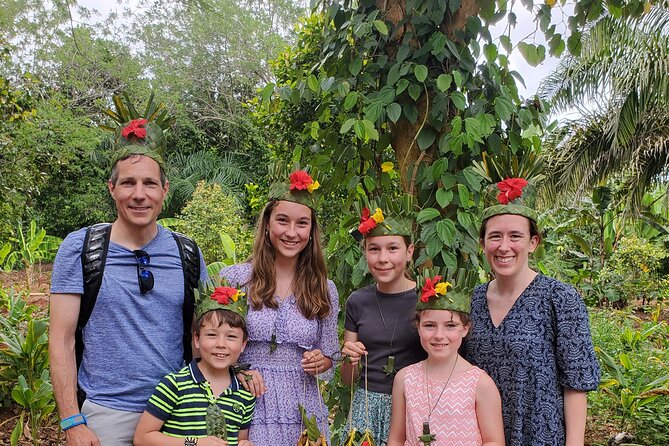
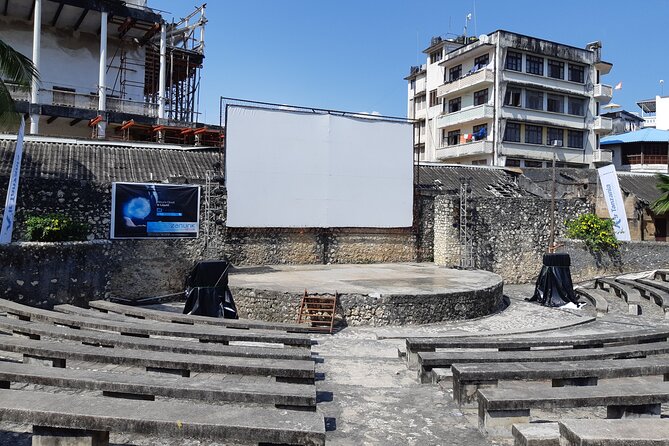
The tour starts at the Slave Market Exhibition Museum, Mkunazini St, Zanzibar, Tanzania. From there, you move into Stone Town—called Mji Mkongwe, meaning Ancient Town—and the guide builds the story around what you can see on the ground: old trading routes, changing rulers, and the mix of cultures that shaped the architecture and everyday life.
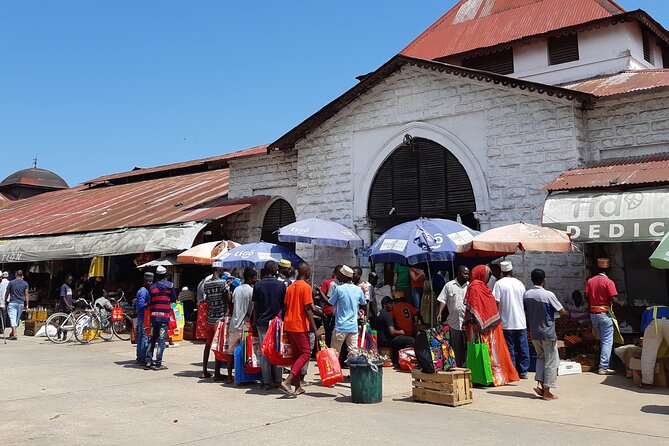
Expect a walking route that’s mostly about atmosphere and detail. Stone Town’s narrow streets are the point. You’ll pass antique shops, spot handmade Arabic and Indian-style doors, and get views of historic buildings and local museums. This kind of walking is where you learn how the city works—street scale, courtyard life, and why certain neighborhoods feel different from block to block.
Key stops and sight anchors you can look forward to include:
- The main slave market of East Africa (handled through the museum stop)
- A Portuguese fortress
- The House of Wonder (a major landmark people recognize once they see it)
- A local bazaar where the day shifts from landmarks to everyday trade
You’ll also have time for a local coffee or ginger tea. I like this kind of pause for two reasons: it breaks up the walking, and it gives you a moment to feel how the city sounds and smells when you’re not focused on the next photo.
Practical note: Stone Town is walk-heavy and street lanes can feel tight. If you’re traveling with mobility limitations, plan on a slower pace and bring shoes that handle uneven surfaces.
The spice farm: turn a list of spices into a real sensory experience
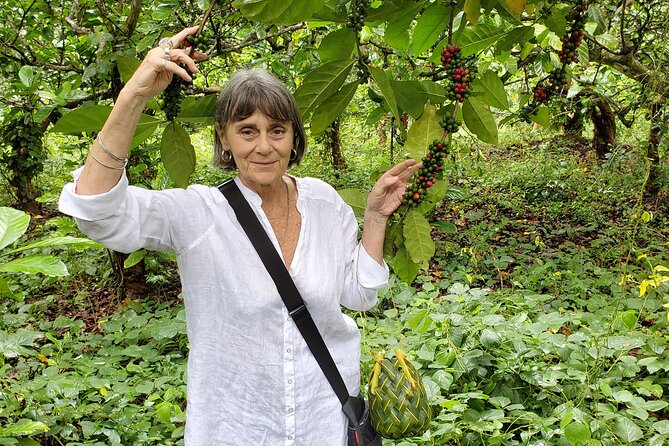
After the Stone Town portion, the day switches from city streets to a working spice farm. You’ll spend about 2 hours here, and the focus is identification through scent, sight, and taste.
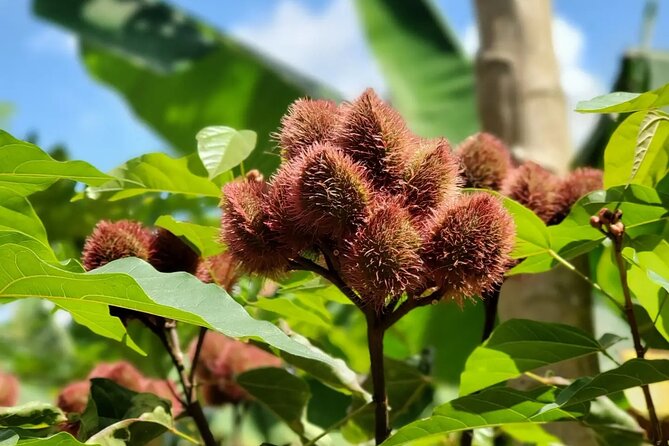
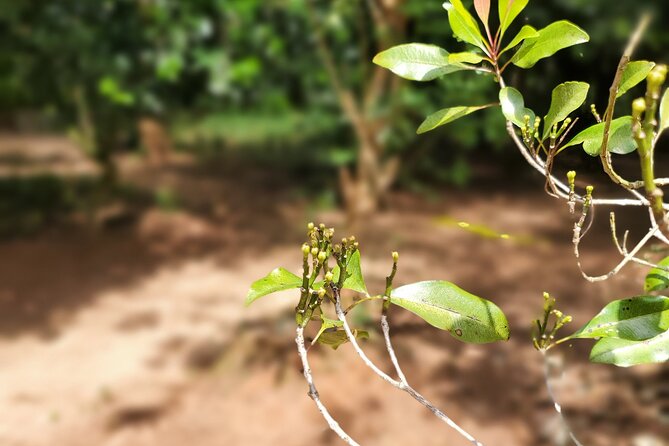
This is where the tour earns its keep. Instead of treating spices as trivia, you get a hands-on education. You’ll encounter spices and ingredients such as cardamom, cinnamon, cloves, vanilla, nutmeg, ginger, turmeric, coffee, and more. The guide helps you connect the plant to the spice form you’ll see later—whole pods, dried bark, ground spice, or processed products.
A good spice farm visit should do two things:
- Help you tell the difference between similar smells.
- Explain what each spice is used for, beyond the souvenir label.
And that’s exactly how this day is built. You’re not just walking through; you’re making guesses, learning what’s what, and sampling in a way that makes it easier to shop later without feeling lost.
There’s also a “slow down and look” vibe here. You’ll notice how many spices grow side-by-side, and you’ll start to understand why Zanzibar became so important in global trade. The spice farm portion is short enough to stay fun, but long enough to feel like you actually got the point.
Coconut tree climber show: a quick performance with real local rhythm
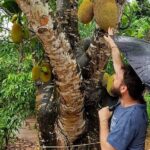
The tour ends with a coconut tree climber show. This isn’t a long, staged production. It’s more like a live demonstration where the performer climbs to where the coconuts are, sings local songs, and picks coconuts high in the branches.
What I like about this stop is that it adds contrast. You go from structured walking and plant education to something more spontaneous and entertaining. It also ties back to the theme of Zanzibar agriculture, since coconut is a core ingredient for daily life and local products.
If you’re traveling with kids or you simply want a lighter moment after the more educational segments, this show is usually the kind of stop that gets everyone smiling.
The final spice table: buy with confidence, not panic
After the coconut show, you’ll stop at a spice table. This is where you can see processed spices and buy unique gifts to take home.
This is one of those moments where the guide’s explanations really matter. When you’ve already identified spices on the farm, shopping becomes easier. You’ll be able to ask better questions, and you’ll know what you’re choosing beyond the look of the jar.
My advice: set a mental budget before you get to the spice table. When the day includes tastings, it’s easy to end up with too many packets and jars. A small selection—plus one or two stand-out blends—often makes a better gift than trying to “collect everything.”
Also, if you’re sensitive to strong smells, take a minute before you start browsing. Spice fragrances can be intense, and that’s part of the charm.




Price, inclusions, and why this feels like good value
This tour costs $61 per person and runs about 5 hours. You’re paying for a mix of guided city walking and a farm visit—both of which involve real on-the-ground time and access.
Here’s what’s included:
- An experienced professional tour guide
- Bottled water during the tour
- All entrance fees
- All taxes
- Service fees
- Tips and gratitude included
That last part matters more than people think. In many places, the guide fees and small add-ons can turn into an annoying surprise. Here, it’s wrapped into the package, so you can budget your day more easily.
What’s not included:
- Medical insurance (you’d handle this on your own)
- Personal expenses
- Pick up and drop off from your hotel
Group discounts are listed as part of the package features, so if you’re traveling with friends or family, you may be able to get a better deal depending on the group size and operator terms.
One more practical detail: the tour uses a mobile ticket, and you’ll receive confirmation at booking. That’s helpful when you’re trying to keep your trip documents organized.
Logistics that can make or break the day
Your start point is fixed: Slave Market Exhibition Museum, Mkunazini St. The tour ends back at the meeting point, so you’re not dropped into an entirely different area without a plan.
It’s also listed as being near public transportation, which is good if you plan to reach the meeting point on your own. Since hotel pickup isn’t included, you’ll want to think through your route from wherever you’re staying.
Give yourself time for Stone Town movement. Tight streets, pedestrian flow, and general city traffic can slow things down, especially if you’re arriving right at the scheduled start. If you like buffer time, you’ll enjoy the day more.
Finally, this is a private tour/activity: only your group participates. That means less waiting, less “everyone come together” chaos, and more direct attention from the guide.
Who this tour is perfect for
This is a strong fit if you want:
- A first taste of Stone Town without getting overwhelmed
- A spice trade story that connects city life to agriculture
- A day that stays around 5 hours, not all-day chaos
- A guide who can adapt to the needs of a group
It’s also a good choice for families. In the feedback, the guide’s attitude and flexibility with elderly parents is specifically noted, which tells you this isn’t the kind of tour that only works for energetic hikers.
If you already feel confident navigating Stone Town on your own and you only want one theme, you might prefer a shorter, single-focus experience. But if you want maximum impact for the time you have, this combo is built for exactly that.
When weather affects your plans
The experience is marked as requiring good weather. If it gets canceled due to poor conditions, you’ll be offered a different date or a full refund. In practice, I’d treat this as a reason to keep one “flex day” in your Zanzibar schedule when possible.
Should you book this private Stone Town and spice farm tour?
If your goal is to see the essentials of Stone Town and understand why spices matter, I think booking makes sense. You get the city’s landmarks and street texture, then you get a hands-on farm experience with identifiable spices, and you finish with a memorable coconut climbing performance.
Book it if you:
- Want a guided day that’s built around time efficiency
- Prefer a private group pace
- Like learning through smell, taste, and real examples
Consider something else if you:
- Can’t handle walking on uneven, narrow streets
- Need hotel pickup as a non-negotiable feature
- Have very tight timing and no flexibility for weather changes
If your schedule allows for it, this is the kind of Zanzibar day that helps everything else you see make sense later.
FAQ
FAQ
How long is the Stone Town and spice farm tour?
The tour runs about 5 hours.
How much does the tour cost per person?
It costs $61.00 per person.
Where does the tour start?
The tour starts at the Slave Market Exhibition Museum, Mkunazini St, Zanzibar, Tanzania.
Does the tour include entrance fees?
Yes. All entrance fees are included.
Is bottled water provided during the tour?
Yes. Bottled water is included during the tour.
Is hotel pickup or drop-off included?
No. Pick up and drop off from your hotel are not included.
What do you do during the Stone Town part of the tour?
You walk through Stone Town, including narrow streets, antique shops, historic buildings and local museums, plus key sights such as the slave market area, a Portuguese fortress, the House of Wonder, and a local bazaar. There’s also time for local coffee or ginger tea.
What happens at the spice farm?
You spend about 2 hours at a spice farm, learning about spices and plants such as cardamom, cinnamon, cloves, vanilla, nutmeg, ginger, turmeric, coffee, and more.
Is this tour private or shared?
It’s private. Only your group participates.
What if the weather is poor or I need to cancel?
The experience requires good weather. If it’s canceled due to poor weather, you’ll be offered a different date or a full refund. For cancellation, you can cancel up to 24 hours in advance for a full refund.