REVIEW · ZANZIBAR
A Private Full Day Tour To Stone Town & Spice Farm
Book on Viator →Operated by Phenomenon Tours and Safari · Bookable on Viator
One of Zanzibar’s best shortcuts is pairing Stone Town with a real spice farm. In one day you’ll see how the island’s Persian, Indian, Arab, and European influences shaped the streets—and then you’ll walk through the gardens where those spices actually grow.
I especially like the way the Stone Town side mixes major sights with everyday places like Darajani Town Market and a stop at the Zanzibar Coffee House. Second, the Tangawizi Spice Farm portion goes beyond photo ops with guided walking, tasting tropical fruits, and even coconut palm climbing as part of how local farming works.
The main drawback to consider is time and pace. You’ll be moving for roughly 5 to 6 hours total, with about 3 hours in Stone Town and about 2 hours at the farm, plus some shopping stops—so if you hate walking or crowds, plan to move slower and ask your guide to prioritize your must-sees.
In This Review
- Key highlights I’d plan around
- Stone Town’s mix of empires, markets, and carved doors
- Shopping in Stone Town: useful, not random
- The one thing to keep in mind: the day can feel “full”
- Tangawizi Spice Farm: where the plants meet real island life
- The tasting part is small, but it matters
- Pace and footwear count
- Private full-day timing: how 5–6 hours really feel
- Value check: $90 for a two-place private day
- Guides make the difference (and names you’ll recognize)
- Practical tips so the day goes smoothly
- Who this tour fits best
- Should you book the Stone Town + Spice Farm day?
- FAQ
- How long is the tour?
- What stops are included?
- Is transportation included?
- Are admission tickets included?
- What do we see and learn at Stone Town?
- What do we learn and taste at Tangawizi Spice Farm?
- Is bottled water provided?
- Is this tour private?
- What happens if weather is bad?
- FAQ
- What is the cancellation deadline?
- How far in advance is this tour commonly booked?
- Is it suitable for most travelers?
- Does it require a physical ticket?
Key highlights I’d plan around
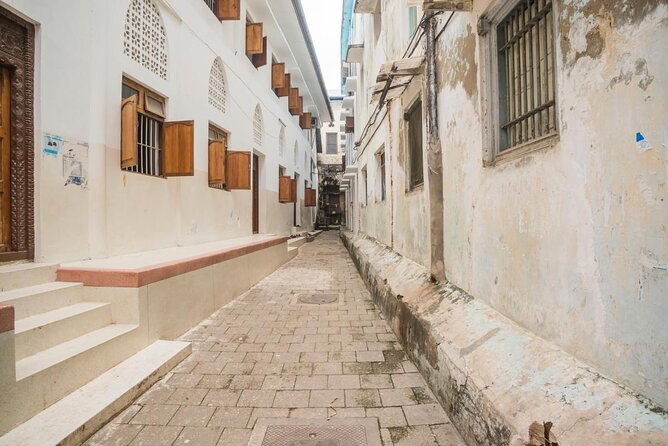
- Stone Town stops that explain the architecture, from the Sultan’s Palace area to major landmarks like the House of Wonders.
- Market time with a guide who can help you navigate shopping in the old city’s bazaars.
- Tangawizi Spice Farm walking tour focused on how spices connect to daily life.
- Tasting tropical fruits and learning what plants are used for, not just what they look like.
- Guides such as Machano, Mussa, Alpha, and Juma are often praised for being friendly and guiding you clearly through the day.
Stone Town’s mix of empires, markets, and carved doors
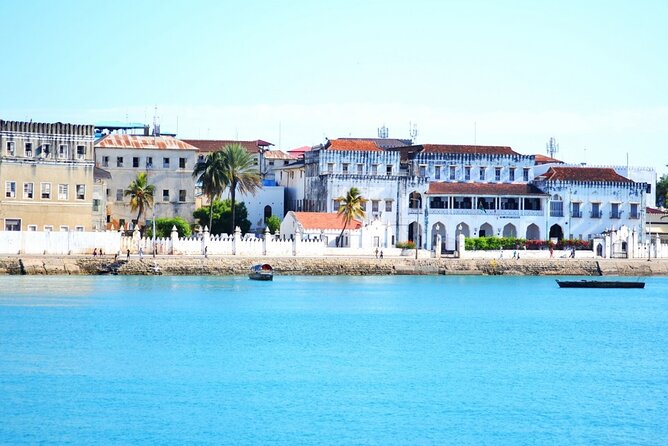
Stone Town is the kind of place where one street can feel like a whole lesson. The architecture is the headline: carved wooden doors, balconies, and shaded verandas that reflect layers of influence—Persian, Indian, Arab, and European—mixed into local African life. With a private guide, you don’t just pass buildings. You get an explanation for why they look the way they do and what those places meant to Zanzibar over time.
Your guided walk through Stone Town typically includes several big-name landmarks such as the Sultan’s Palace area and the House of Wonders. You’ll also visit the Old Arab Fort and the Tiptip House. If you like cities with character, this is where Stone Town delivers: details you’d miss on your own become the story when someone points them out and connects them to history.
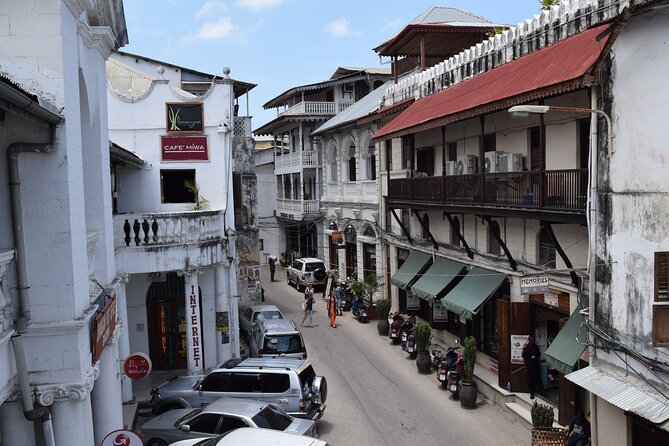
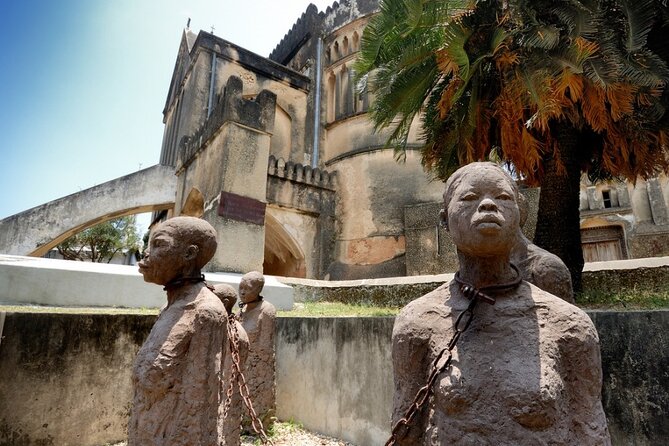
What I also like is that the tour doesn’t stay stuck on monuments. You usually stop at places that feel like real daily life, including the Former Slave Market Site (an important stop that adds weight to what you’re seeing), and Darajani Town Market, where local energy shows up fast. Even the Zanzibar Coffee House can add context—more of a cultural stop than a casual pit stop—so you understand the city beyond the postcard corners.
You can also read our reviews of more tours and experiences in Zanzibar.


Shopping in Stone Town: useful, not random
Stone Town shopping can go two ways: either you wander and hope for fair prices, or you go in with a plan. This tour helps because you’re with a guide who knows the layout and the small stalls and bazaars. It’s not about forcing purchases. It’s about giving you a route and the confidence to browse without feeling lost.
A practical way to use this time: pick one or two categories you’ll actually buy—maybe spice-related items, woven pieces, or small souvenirs—then ask your guide where the best variety is. If you want to compare prices, you can. If you’d rather just grab gifts quickly, you can do that too. The point is control.
The one thing to keep in mind: the day can feel “full”
Stone Town is fascinating, but it’s also concentrated. Expect streets that need careful footing and plenty of stops. If you’re sensitive to long walking, build in breaks with your guide instead of powering through. A private guide makes it easier to slow down when you need it—without turning it into a wasted hour.
Tangawizi Spice Farm: where the plants meet real island life

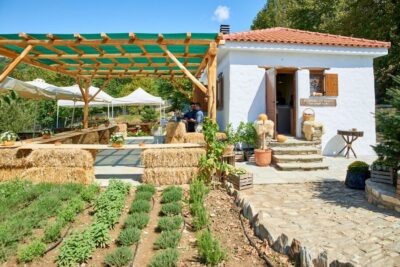
Then comes the change of pace. Tangawizi Spice Farm is about learning how Zanzibar earned its nickname as the Spice Island, using a guided walking tour through smaller spice gardens and rural farmland.
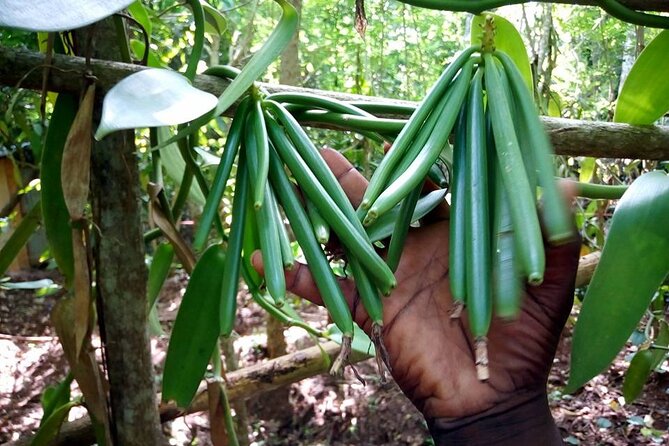
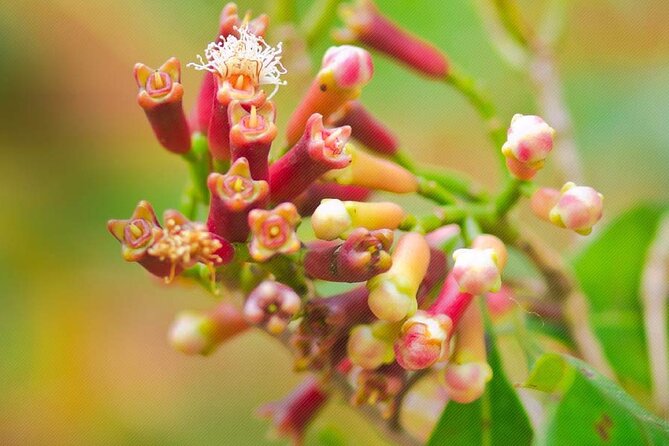
This is where the tour earns its value. You’re not only told which spices are grown—you’re shown what the plants are used for. The tour covers major spices like cardamom, cinnamon, ginger, vanilla, turmeric, and often mentions others such as nutmeg, cloves, and many more. What stands out is the connection to everyday life: how spices support local cooking, how people use some plants for herbal medicine, and how spices can play a role in local traditions and ceremonies.
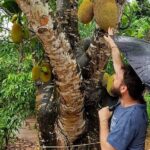
You may also learn why farming techniques matter. One standout detail is the climbing of coconut palms, included as part of how certain coconuts and palm products are harvested. It’s a very Zanzibar moment—practical, physical, and tied directly to the island’s food system.
The tasting part is small, but it matters
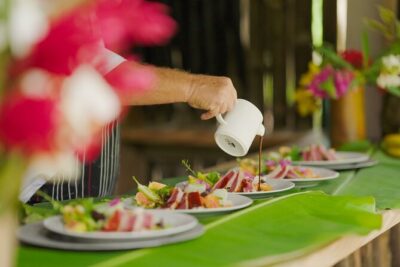
At the farm, you’ll get chances to taste tropical fruits after you’ve learned what grows there. That sequence helps your brain hold onto the information. You see the plant, you hear what it’s used for, then you taste something that makes it make sense.
If you have dietary concerns, it’s smart to mention them before the tasting so your guide can steer you toward options that fit you.




Pace and footwear count
Farm time usually means walking on uneven ground. You don’t need hiking boots, but you do need shoes you trust. Also keep in mind that spice farms can be sun-forward. Bring sun protection you’ll actually use—hat, sunglasses, and something for your skin.
Private full-day timing: how 5–6 hours really feel
This “full day” tour runs about 5 to 6 hours in total, typically structured as around 3 hours in Stone Town and about 2 hours at Tangawizi Spice Farm. That math matters, because you’ll get value from each part only if you keep your energy.
A common rhythm goes like this: you start in Stone Town, then you move to the farm, then head back toward your hotel. The good news is transport is handled for you. The tour includes an air-conditioned vehicle and private transportation, plus bottled water. Pickup is offered, which makes the day smoother—especially if you’re staying a bit away from Stone Town’s core.
One thing I’d plan around: shopping can stretch your time in Stone Town. If you want to buy more than a couple items, tell your guide early. They can pace your walking and help you avoid turning the day into a sprint.
Value check: $90 for a two-place private day
At $90 per person, this tour isn’t the cheapest way to spend a few hours on Zanzibar. But it’s also not trying to be. The value comes from what you’re getting together: private guiding, transportation, entrance/all fees and taxes, and bottled water.
It helps to think of the price like this:
- You’re paying for someone to connect the dots in Stone Town’s landmarks and markets.
- You’re paying for a structured, farm-based learning experience at Tangawizi.
- You’re not paying separately for admission-type stops during the day (the tour includes admission tickets and all fees/taxes).
If you were to do Stone Town on your own and then figure out how to get to a spice farm, you’d spend time—and probably money—negotiating transport and trying to piece together the “learning part.” This tour bundles those moving parts into one day with a driver and guide working as a team.
For couples or small groups, private format is especially worth it. You can ask more questions, tailor the shopping time, and reduce the stress of coordinating with other people.
Guides make the difference (and names you’ll recognize)

This tour is largely about interpretation: what you see and what it means. That’s why guide quality keeps popping up in feedback. Names you may run into include Machano, Mussa, Alpha, and Juma—each described as friendly, with guides who explain what you’re looking at patiently.
What you should do with that: ask your guide for the “why.” Why does a building face the way it does? Why does a market matter to the island’s story? Why are certain spices grown the way they are? If your guide is strong (and these often are), you’ll walk away with a mental map, not just photos.
Drivers also get credit in the same way: being punctual, helping along the day, and staying calm when you’re shopping or carrying bags. On a private day, that kind of practical care makes a difference.
Practical tips so the day goes smoothly

A few things I’d do before you go:
- Wear comfortable shoes for Stone Town streets and farm walking.
- Bring sun protection for the farm part.
- Plan your shopping goal before you get there. Decide what you want, then let your guide help you find it.
- Ask questions early, especially in Stone Town. Once you move toward the farm, you’ll be in a different mindset.
If you’re the type who likes to keep things moving, say so at the start. If you want more explanation at every stop, also say that. A good private guide will shape the day around you.
Who this tour fits best
This is a great fit if you:
- Want a first-time Zanzibar day that covers both culture and agriculture.
- Like cities with stories, not just sightseeing.
- Enjoy markets and small bazaars and want help navigating shopping time.
- Prefer private guiding so you can set the pace.
It’s also a good match if you’re traveling with someone who might not want a full day of beach time, because this format stays active and educational.
Should you book the Stone Town + Spice Farm day?
I’d book it if you want a structured, easy-to-manage day that covers the two sides of Zanzibar people usually talk about: Stone Town’s historical weight and the island’s spice farming reality at Tangawizi.
Skip it or adjust expectations if you know you’ll struggle with walking or you want a more relaxed schedule. This is not a “lie in the shade and sip juice” day. It’s a focused, moving day with two real stops.
If you can handle that, it’s a smart way to make Zanzibar feel personal fast—because you’re not only seeing landmarks. You’re getting the reasons behind them, then walking among the plants that helped shape the island’s trade and culture.
FAQ
How long is the tour?
The tour takes about 5 to 6 hours (approximately).
What stops are included?
It includes Stone Town and the Tangawizi Spice Farm.
Is transportation included?
Yes. The tour includes an air-conditioned vehicle and private transportation, and pickup is offered.
Are admission tickets included?
Yes. Admission tickets are included, and all fees and taxes are covered.
What do we see and learn at Stone Town?
You’ll visit historical and cultural sites such as the Sultan’s Palace, House of Wonders, Old Arab Fort, Tiptip House, plus stops like the Former Slave Market Site, Darajani Town Market, and Zanzibar Coffee House.
What do we learn and taste at Tangawizi Spice Farm?
You’ll explore spice gardens and learn about spices such as cardamom, cinnamon, ginger, vanilla, turmeric, and others. You’ll also taste tropical fruits and experience coconut palm climbing.
Is bottled water provided?
Yes, bottled water is included.
Is this tour private?
Yes. It’s a private tour/activity, meaning only your group participates.
What happens if weather is bad?
This experience requires good weather. If it’s canceled due to poor weather, you’ll be offered a different date or a full refund.
FAQ
What is the cancellation deadline?
You can cancel up to 24 hours in advance for a full refund. If you cancel less than 24 hours before the experience starts, it’s not refunded.
How far in advance is this tour commonly booked?
On average, it’s booked about 32 days in advance.
Is it suitable for most travelers?
Most travelers can participate.
Does it require a physical ticket?
No. You’ll receive a mobile ticket.