Jozani plus spices is a smart combo. You’ll get guided time in Jozani Chwaka Bay National Park to spot Zanzibar’s red colobus monkeys, then head to Jambo Spice Farm to smell, touch, and taste spices right where they grow. I especially liked the way the guide connects wildlife and everyday Zanzibar plants, and the practical spice experience that goes beyond a quick walk-through. One thing to consider: the Jozani walk can feel a bit short, and the spice farm visit is a bit of a drive away.
This tour runs like a clean, no-stress morning plan. Pickup is offered, it’s private (just your group), and you’ll have admission ticket coverage at both stops. I also liked the human factor here—Abdul and his team were described as on time and solid at driving and guiding, which matters when you’re trying to fit wildlife and a farm visit into one half day. The only downside I’d plan around is that travel time between the two highlights can cut into walking time.
In This Review
- Key highlights worth your time
- Half Day Starts at 8:00: How the Route Really Flows
- Jozani Chwaka Bay National Park: Your Best Shot at Red Colobus
- Mangroves on a Bridge: Wildlife Viewing Without the Mess
- Jambo Spice Farm: Smell, Touch, Taste (and Learn How Zanzibar Uses Plants)
- What Makes This Farm Stop Feel Authentic (Not Like a Lecture)
- Time, Transport, and Comfort: What You Should Expect
- Price and Value: Is $105 Fair for a Private Combo?
- Who This Tour Fits Best (And Who Might Skip It)
- Should You Book This Zanzibar Spice and Jozani Tour?
- FAQ
- What is the duration of the tour?
- What time does the tour start?
- Is this tour private?
- Is hotel pickup included?
- Are admission tickets included?
- What will I see and do at Jozani Forest?
- What’s included at the spice farm?
- What is the cancellation policy?
Key highlights worth your time
- Red colobus monkeys in their home range at Jozani, including the chance for close wildlife viewing
- Mangrove boardwalk bridge that helps you observe without trampling sensitive areas
- Hands-on spice farm learning: you’ll smell and touch spices as well as taste from fresh fruit
- A cultural moment at the farm with coconut tree climbing and traditional Jambo Bwana singing
- Efficient timing for a half-day with about 3 hours at each stop and admissions included
Half Day Starts at 8:00: How the Route Really Flows
This is built for mornings. The start time is 8:00am, and the whole thing runs about 6 hours total. The schedule is split into two main blocks: roughly 3 hours in Jozani Chwaka Bay National Park, then about 3 hours at Jambo Spice Farm. Admission tickets are included, so you won’t waste time hunting down entrances or sorting paperwork on the spot.
Because it’s private, you’re not squeezing in with strangers while you try to hear explanations. That matters at both stops: in Jozani, a small change in where you stand can change the wildlife you can see. At the spice farm, the guide’s rhythm matters too—there’s a lot of information to match to what you’re actually smelling and tasting.
One practical note: expect some driving time between the forest and the farm. A review mentioned the spice farm was about 1 hour away from the forest, and while the farm experience is the point of that second leg, it’s still time in the car. If you’re a hardcore “more walking, less driving” type, keep that tradeoff in mind.
You can also read our reviews of more tours and experiences in Zanzibar.

Jozani Chwaka Bay National Park: Your Best Shot at Red Colobus
If you go to Zanzibar hoping for something genuinely Zanzibar-only, Jozani is one of your strongest bets. The park’s setting is a high, dense groundwater forest, which is a big reason it feels different from the typical beach-and-bazaar view of the island.
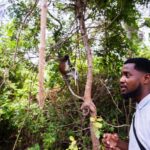
The headline animal here is the red colobus monkey. That species is described as rare and only found in Zanzibar, so seeing them is the main wildlife payoff for most people. In practical terms, you’re not just looking for a random animal—you’re hoping for a very specific one in a habitat where it actually lives.
Jozani also has other creatures you might spot depending on the day and the pace your guide sets. The information provided includes blue monkeys, elephant shrews, and bushbabies. Even if you don’t see every species, having a guide who can point out what to watch for makes a big difference in how rewarding the time feels.
Two things I like about how this stop is set up:
- You’re walking in a conservation-friendly environment, not in a random roadside jungle.
- You’re not left to figure out the forest yourself. The guide helps you connect what you’re seeing to why the park is protected.
Mangroves on a Bridge: Wildlife Viewing Without the Mess
Jozani isn’t just forest. It includes mangroves, and this tour specifically mentions a bridge built by the conservation authority to let visitors observe wildlife without trampling it.
That’s more than a cute detail. A mangrove environment is fragile, and people can accidentally damage the roots and pathways if everyone just wanders. A marked, guided route helps you get a better wildlife view while keeping the habitat healthier.
Expect a calmer, more “watch and listen” style of time here. If you like wildlife watching, this is the part where you’ll slow down, keep an eye on movement, and let the guide scan for activity. If you’re visiting in peak heat, the shaded sections of the area also help you feel less fried than in an open sun field.
Jambo Spice Farm: Smell, Touch, Taste (and Learn How Zanzibar Uses Plants)
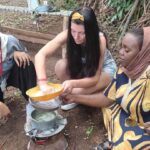
Then you shift gears. At Jambo Spice Farm, the experience is very hands-on. You’ll learn about local spices and herbs grown right there, and you’re meant to explore, smell, and taste what you’re hearing about.
The list provided is impressively practical. You’ll encounter spices like:
- Clove, lemongrass, nutmeg, cinnamon
- Turmeric, vanilla, coconuts, papaya
- Chili, black pepper, cardamom
- plus things like jackfruit, cassava, and more
That matters because spice farms can sometimes become a “look but don’t really do anything” stop. Here, you’re encouraged to interact with the plants through smell and taste, which makes the knowledge stick. You don’t just hear the words; you connect them to real aromas.
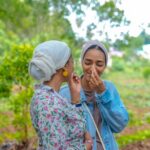
Food is part of the fun. The farm experience also includes fresh fruit tasting such as coconut juice, bananas, watermelon, pineapple, and mango. Even if you’re not a “spice nerd,” you’ll likely walk away with a stronger sense of which flavors Zanzibar actually uses day to day.
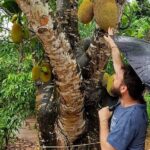
There’s also a cultural slice built into the timing. You’ll watch someone climb a coconut tree while singing traditional songs (Jambo Bwana). This is one of those “small but memorable” moments that turns the farm visit from a classroom into something lively.
What Makes This Farm Stop Feel Authentic (Not Like a Lecture)
A spice farm is only as good as what you’re doing with it. The strongest version of this experience is when the guide helps you understand how spices connect to daily life.
From the details provided, your guide isn’t limited to naming ingredients. You’ll learn, explore, and taste multiple items and you’ll see them where they grow. That hands-on approach is how you end up remembering something specific—like the difference in aroma between lemongrass and cinnamon, or what coconut juice tastes like when it’s fresh rather than processed.
Also, the vibe matters. Reviews praised the team for guiding throughout the day, and Abdul was mentioned specifically as being very good at his job—especially around driving and guiding. When a guide keeps the pace smooth, you get more time focused on the plants, the fruits, and the stories rather than waiting around.
If you care about culture, the singing during the coconut tree moment gives you a taste of how spice culture and island life overlap. It’s not just agricultural—it’s social too.

Time, Transport, and Comfort: What You Should Expect
This tour is private and includes pickup. One review mentioned pickup from a hotel in Stone Town, with a driver who arrived on time. Another note described the vehicle as spacious and comfortable, with a firm Toyota.
That may sound small, but when you’re trying to move through two different locations in one half day, comfort and punctuality help the whole schedule feel easier.
The pacing also matters. The tour groups two 3-hour blocks. If you’re someone who gets restless on tours, you’ll want to lean into the activities: keep your ears open in the forest for animal movement, then actively engage at the spice farm by tasting and asking what you should try next.
Also plan for a morning that stays active. Even though it’s called a half-day, you’ll be out at two sites with time spent walking, standing, and looking around. Bring what you’d bring for a typical Zanzibar morning: sun protection, light layers you can tolerate, and something to keep your feet comfortable.
Price and Value: Is $105 Fair for a Private Combo?
At $105 per person, you’re paying for three things at once:
- A private guide service through both major stops
- Transportation with pickup offered
- Admission tickets included at both locations
So the real question isn’t just the number. It’s whether you’re buying a day that’s harder to build yourself. Jozani requires the right park access and a guide can help you spot and understand what you’re seeing. The spice farm is a learning experience where the timing and interaction matter.
If you were to do each part separately, the friction is what usually costs you: matching schedules, finding transport, figuring out where to go, and paying for admissions twice without the same smooth flow.
The “value sweet spot” here is for people who want both highlights without adding extra planning time. If you only want one of the two experiences, you might decide it’s not the best use of money. If you’re excited by the combo—wildlife in the morning forest plus spice learning and fruit tasting later—then the private structure makes that $105 feel more justified.
One caution for budget travelers: this tour is private, so you’re not splitting the cost across a larger group. That’s the tradeoff for flexibility and a guide that can focus on your pace.
Who This Tour Fits Best (And Who Might Skip It)
This tour is a strong fit if you:
- want red colobus monkeys and appreciate being guided through a protected habitat
- like interactive cultural food experiences, not just photos
- want a private morning plan that moves efficiently (start at 8:00am, about 6 hours total)
- enjoy learning through smell and taste, especially with Zanzibar spices like clove, turmeric, vanilla, and black pepper
You might reconsider if you:
- feel disappointed when a nature walk is shorter than you hoped (one note mentioned the walk in Jozani felt a bit short)
- prefer keeping driving time minimal, since the spice farm leg can involve a longer transfer than you’d expect
- only care about either wildlife or spices, not both
Overall, it’s best for “I want the must-dos, but I want them explained” travelers.
Should You Book This Zanzibar Spice and Jozani Tour?
Yes, I’d book it if your priorities match the two big wins: Jozani wildlife and a hands-on spice farm day. The tour’s structure does what most half-day tours fail to do—it gives you enough time at each place to actually feel the experience, not just pass by it.
I’d especially consider it if you want a guide who keeps things smooth. Reviews highlighted Abdul and his team for being professional, on time, and good at guiding through both parts of the day. That kind of reliability matters when your time window is limited.
Before you book, think about your tolerance for a shorter forest walk and some driving time between stops. If you’re okay with that tradeoff, you’ll likely come away with a solid Zanzibar mix: monkeys in a protected forest setting and spice knowledge you can use at home—plus that Jambo Bwana moment tied to the coconut tree.
FAQ
What is the duration of the tour?
The tour lasts about 6 hours.
What time does the tour start?
The start time is 8:00am.
Is this tour private?
Yes. It’s a private tour/activity, and only your group will participate.
Is hotel pickup included?
Pickup is offered.
Are admission tickets included?
Yes. Admission tickets are included for both the Jozani Chwaka Bay National Park stop and the spice farm stop.
What will I see and do at Jozani Forest?
You’ll have a guided visit in Jozani Chwaka Bay National Park with a chance to see red colobus monkeys. You may also see blue monkeys, elephant shrews, and bushbabies, and you’ll visit mangroves via a bridge built for visitors to observe wildlife without trampling.
What’s included at the spice farm?
You’ll explore, smell, and taste local spices, herbs, and tropical fruits. The experience includes spices such as clove, lemongrass, nutmeg, cinnamon, turmeric, vanilla, coconut, papaya, chili, black pepper, jackfruit, cassava, and more, plus fruit tastings like coconut juice, bananas, watermelon, pineapple, and mango. You’ll also watch coconut tree climbing with traditional Jambo Bwana singing.
What is the cancellation policy?
Free cancellation is available. You can cancel up to 24 hours in advance for a full refund.