REVIEW · ZANZIBAR
Zanzibar: Day Jozani Forest,Spice Farm,Nature and Savor Tour
Book on GetYourGuide →Operated by Beach & Safari Holidays · Bookable on GetYourGuide
Jozani Forest meets spice lessons in one packed day. This tour pairs Jozani Chwaka Bay National Park—home to the red colobus—with a guided visit to a spice farm, so you see wildlife and learn why Zanzibar earned the name Spice Island. I especially like how the red colobus and mangrove setting turn a short nature stop into a real, in-their-home experience.
You also get a hands-on spice farm tour with guided explanations (and fruit and spice tasting on the day I’m describing). My only heads-up: food and drinks aren’t included, so plan to buy water or snacks before you go.
In This Review
- Key things to know before you go
- Jozani Forest: red colobus and mangrove habitat, not a zoo stop
- How the forest walk actually plays out (and where time goes)
- The mangrove boardwalk: when the forest gets quiet
- Spice farm tour: why Zanzibar became Spice Island
- What you’ll learn on the farm (beyond names)
- The guides and the small behavior tips that matter
- Timing and transportation: a full 6-hour block, with real road time
- Price and value: $90 for wildlife + entrance fees + guided learning
- Who this tour fits (and who should choose differently)
- If your booking includes a different option
- Option 2: semi-submarine, sandbank picnic, and spice farm
- Option 3: Stone Town walking + cooking lesson + spice farm
- What to bring so the day feels easy
- Should you book this Zanzibar Jozani + spice farm tour?
- FAQ
- How long is the Jozani Forest and spice farm tour?
- Is hotel pickup and drop-off included?
- What tours are included in the price?
- Are food and drinks included?
- What language is the live tour guide?
- Is the tour group shared?
- When should I be ready for pickup?
Key things to know before you go
- Red colobus in Zanzibar’s forest: one of the island’s best wildlife moments, if you follow the guide’s rules.
- Mangrove boardwalk: a calmer, scenic end to the forest walk through swamp habitat.
- Hotel pickup and drop-off: door-to-door makes the day feel easier, not more complicated.
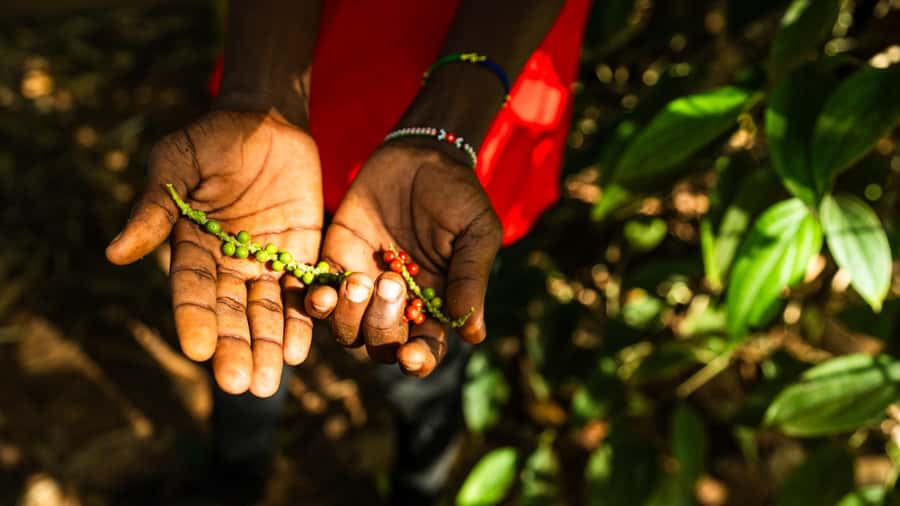
- Guided spice farm explanations: you’ll learn what spices were used for and how the farm is planted.
- You’ll taste as well as learn: fruit variety comes up again and again in the feedback.
- Shared nature-guide setup: in Jozani, the government guide can be shared with other groups.
Jozani Forest: red colobus and mangrove habitat, not a zoo stop
Jozani Forest National Park sits in south Zanzibar and is one of the best places on the island to see the red colobus monkeys in their natural environment. This matters because the animals are specific to Zanzibar, and the point of the outing is habitat, not posing. When you walk slowly with your group and keep your voice down, you’ll usually have better chances of seeing them clearly.
The forest itself isn’t just one “type” of green. You’re in a mix of mature trees and wet swamp areas, so the guide’s walkthrough is what connects the dots. You’ll hear how different plants survive here, and why the mangroves are more than just a scenic detour.
One practical note: sightings can’t be forced. If you’re the type who wants constant action every minute, you might feel impatient during quieter stretches. But in a place like this, the payoff is that real feeling of being in a living ecosystem.
You can also read our reviews of more tours and experiences in Zanzibar.


How the forest walk actually plays out (and where time goes)
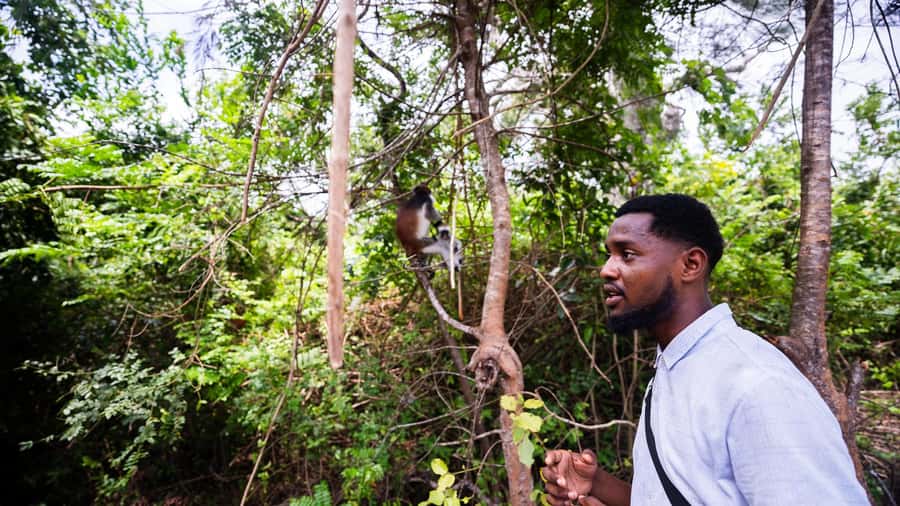
You’re picked up from your hotel and taken by van to the park, with a guided walk once you arrive. The outing gives you a mix of guided time and a little free time, so you can re-position for photos or just stand back and watch.
Expect it to be a walking experience. You’ll move through woodland paths and then reach the mangrove area at the end. That means comfortable shoes help more than you’d think. If you show up in flimsy sandals, the ground and boardwalk sections can feel awkward.
In Jozani, your guide is a government guide, and the tour can be shared. That’s not a problem by default—it just means you should expect a group rhythm rather than a one-on-one pace. If you want specific questions answered, wait for moments where your guide checks in with everyone before you ask.
The mangrove boardwalk: when the forest gets quiet
The best “different feeling” moment comes right at the end: a boardwalk around the mangrove swamp is included. Mangroves change how you experience a place. The air feels damper, the colors shift, and the soundscape gets softer.
This part is also where people often start seeing the forest as functional, not just pretty. Mangroves are built to handle saltier water and shifting ground, and the guide’s explanation helps you understand why these trees are so important for coastal ecosystems on Zanzibar.
If you’re lucky with timing, you’ll catch monkeys and movement near the edges of the swamp as the group slows down for photos and observation. If you’re not, the boardwalk still gives you a calm finish that feels more memorable than a quick “and we’re done” moment.
Spice farm tour: why Zanzibar became Spice Island

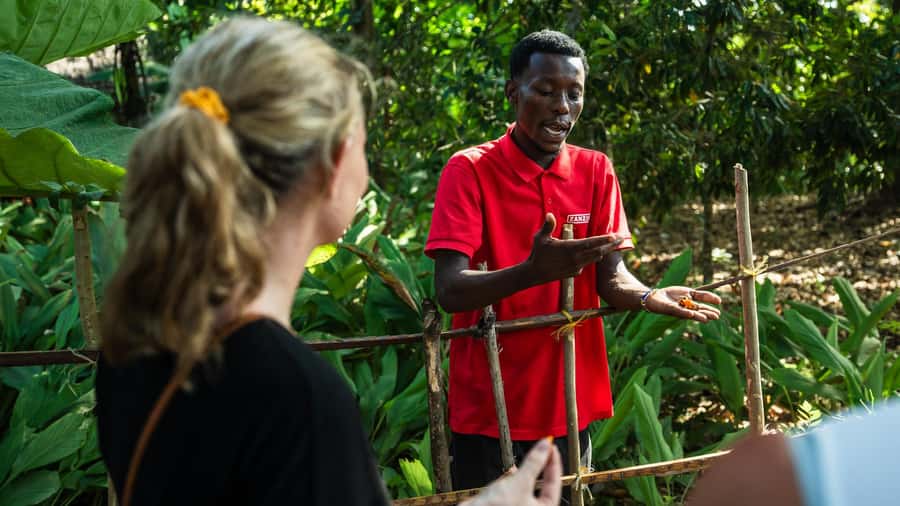
After the forest, you head to the spice farm for a guided walk in a more open, planted setting. The point isn’t only that spices grow there—it’s how Zanzibar became known for them in the first place, and what “spices” actually means in everyday plant terms.
You’ll learn why the island became a hub for certain herbs and spices historically, and what crops are grown today. The farm time is designed as a mix of explanation and exploration, so you can connect the names you hear with the plants you actually see.
The day also includes a photo stop and time to wander. That’s helpful because spices don’t always jump out at a glance. A few minutes on your own, with your guide’s notes in your head, often makes the whole farm experience click.
What you’ll learn on the farm (beyond names)
A strong spice tour doesn’t just list crops. It explains how they’re used, and where they fit into Zanzibar life and trade.
On this tour, you’ll cover practical knowledge such as:
- which herbs and spices were originally used
- how different fruits and spice plants are arranged on the farm
- how Zanzibar’s identity is tied to what grows here
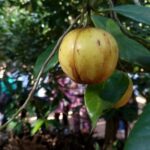
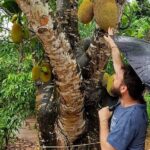
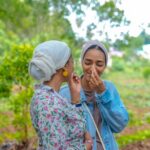
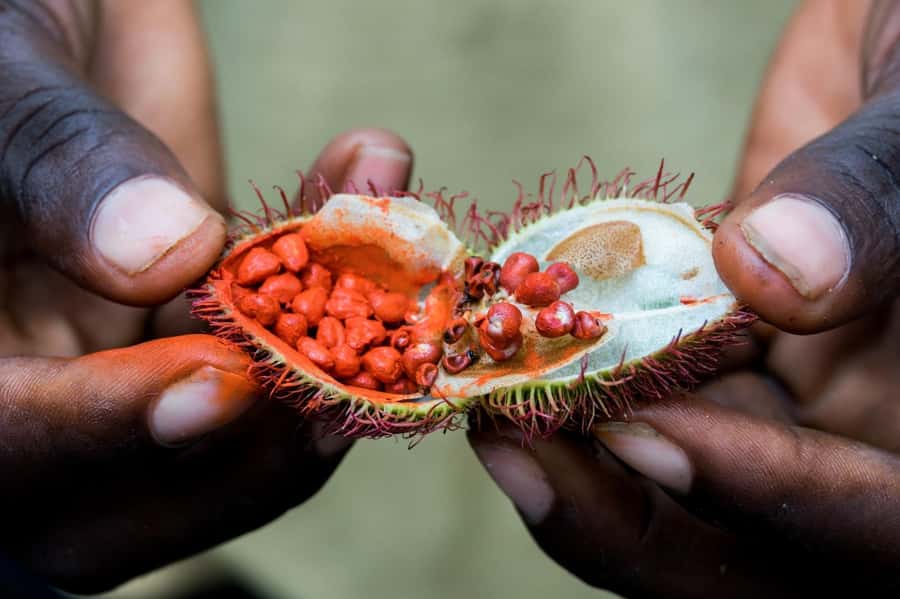
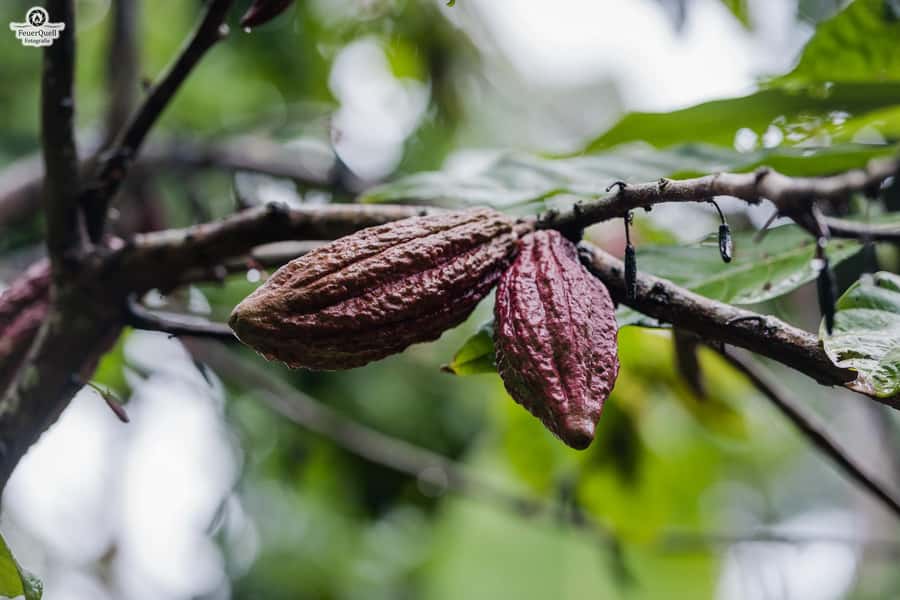
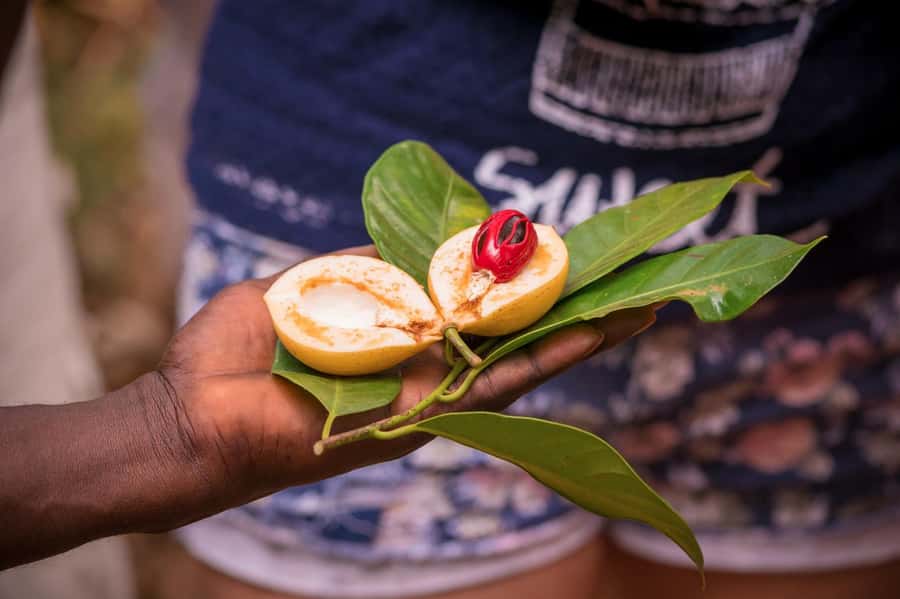
This is also where the experience becomes sensory. You’ll see, and you’ll smell. And based on the feedback around this day, you can also expect tasting fresh fruits and exotic varieties during the farm portion. That tasting piece is a big part of why the tour lands well for many people—it turns a lesson into something you can remember with your taste buds.

The guides and the small behavior tips that matter

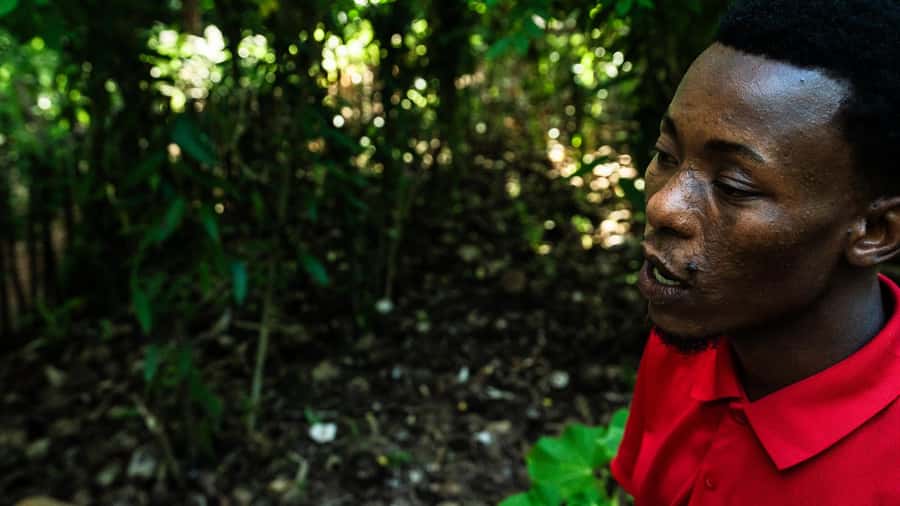
Good guiding changes the whole day. In the feedback, the forest and farm explanations are repeatedly described as engaging and organized, with standout farm names coming up such as Omar (and a guide working with him) and Mimmo during the spice-focused parts. Even when you don’t meet the same names, the pattern is consistent: you’ll get guidance that helps you notice what you’d otherwise miss.
One behavior tip pays off fast. In parks, animals and people share the same rules of space. Keep your distance, follow the guide’s signals, and avoid sudden movement. The red colobus are not props, and calmer behavior usually gives you better viewing.
Timing and transportation: a full 6-hour block, with real road time
The tour is priced as a 6-hour day, and you should treat it as a half-day that still feels like a half-day. The structure includes van rides between pickup, Jozani, the spice farm, and back to your hotel.
That’s why hotel pickup and drop-off are such a big deal here. You’re not spending mental energy figuring out schedules or transport. You’re just showing up and following the flow.
It also means you should plan your expectations. This is not a “stay and wander all day” itinerary. You get enough time to do the highlights without turning the day into a marathon. If you pack the rest of your afternoon with back-to-back plans, schedule breathing room afterward, especially if you’re sensitive to sun.
Price and value: $90 for wildlife + entrance fees + guided learning
At $90 per person, the value comes from how much is included. You’re getting:
- hotel pickup and drop-off
- Jozani entrance fees
- a guided walk in the forest
- a spice farm entry ticket
- a second guided farm tour
That combination is what makes the price feel fair. A wildlife park visit alone can eat part of your budget, and a separate spice farm tour often costs extra once you factor in local transport and guide time. Here, the day bundles those pieces into one organized block.
The one clear “not included” item is food and drinks. So if you want water, lunch snacks, or a cooling drink during the day, you’ll need to buy it yourself. I’d treat that as a simple budgeting line, not a surprise.
Who this tour fits (and who should choose differently)
This is a great match if you want:
- a nature-focused Zanzibar day without needing to plan it
- a chance to see the red colobus in their habitat
- a real explanation of spice crops and why Zanzibar is historically tied to them
- a sensory experience, including smell-and-taste learning
You might want a different style of tour if you:
- hate walking or don’t have decent shoes
- want lots of long free time to linger in one place
- expect food to be part of the package
If your booking includes a different option
The activity listing you’re referencing includes more than one way to do a “nature + savor” day. Your exact choice will matter.
Option 2: semi-submarine, sandbank picnic, and spice farm
If you choose the semi-submarine version, you’ll start with pickup and go underwater on a semi-submarine tour, then move to a sandbank picnic with time to relax and swim. You’ll also visit the spice farm afterward for the guided spice lesson. There’s even mention of a diver taking photo memories of the underwater moment.
Option 3: Stone Town walking + cooking lesson + spice farm
If you go with the Stone Town option, the morning centers on a foot tour of the oldest part of Zanzibar, with a cooking lesson at the spice farm later. This option also notes that some museums passed on the walk may have entrance costs you pay on-site.
If your main goal is the red colobus and mangrove boardwalk, make sure your option includes Jozani.
What to bring so the day feels easy
You don’t need a huge pack, but a few basics help you enjoy it:
- Comfortable walking shoes (forest paths and boardwalk time add up)
- Sunscreen and a hat (you’ll be outside for hours)
- A small amount of cash for food and drinks (not included)
- A light layer if you get chilly near the coast later
Also, if you want phone photos of monkeys and spices, keep your settings ready before you reach the forest. The best moments tend to happen when you’re paying attention, not when you’re fiddling with your camera.
Should you book this Zanzibar Jozani + spice farm tour?
I’d book it if you want one organized day that checks two big boxes: Zanzibar nature and Spice Island learning. The red colobus and mangrove boardwalk give you a wildlife experience that feels specific to the island, and the spice farm portion turns plant names into something you can actually taste and smell.
Skip it only if you’re not into guided walking or you want a longer, unstructured day with meals included. Otherwise, this is solid value for the money—especially because transportation, entrance fees, and both guides are wrapped into the package.
If you care about wildlife viewing, I recommend bringing your patience. If you care about spice knowledge, I recommend coming hungry for flavors, not for food—because the farm part tends to satisfy your senses even when lunch isn’t included.
FAQ
How long is the Jozani Forest and spice farm tour?
The tour duration is listed as 6 hours.
Is hotel pickup and drop-off included?
Yes. Hotel pickup and hotel drop-off are included.
What tours are included in the price?
You get a Jozani Forest guided tour plus a spice farm guided tour, along with Jozani Forest entrance fees and spice farm entry ticket.
Are food and drinks included?
No. Food and drinks are not included.
What language is the live tour guide?
The tour guide is English speaking.
Is the tour group shared?
It’s described as a shared group tour, and the Jozani forest guide can be shared. The shared group tour requires a minimum of 6 participants.
When should I be ready for pickup?
You should meet the driver at your hotel reception and be ready about 5 minutes before departure time.