REVIEW · ZANZIBAR
Zanzibar Spice Farm Tour
Book on Viator →Operated by Samsons Safaris · Bookable on Viator
Spices have a passport, and this tour shows it. From Stone Town, I like that you get a real spice-farm walk at Tangawizi, with a guide who explains how Zanzibar’s flavors connect to 16th-century Portuguese trade. You also taste and smell along the way, so the history isn’t just talk.
I also love the spice-and-fruit tasting that pairs herbs with the tropical crops growing right there, from clove and lemongrass to papaya, jackfruit, and oranges. One thing to think about: the farm experience can feel basic, with limited facilities, and the on-site spice stall may prompt extra spending (and cash-only purchases), so go in with a clear plan for what you want to buy.
In This Review
- Key things to know before you walk the shamba
- Zanzibar Spice Farm Tour: what the timing really means
- Meeting at Stone Town waterfront: easy start, smooth end
- Tangawizi Spice Farm walk: what you’ll actually see and do
- The best part: learning in context
- The Portuguese spice connection: Zanzibar’s flavor backstory
- What you’ll taste: pairings that make spices click
- If you’re sensitive to heat
- Your guide’s little touches: hands-on moments, not just lecturing
- The spice stall: what to expect and how to shop smarter
- Price and value: is $140 per person fair?
- Getting the most out of it: what to bring and how to prepare
- Who should book this Zanzibar spice farm tour
- Should you book this Zanzibar Spice Farm Tour?
- FAQ
- What is the duration of the Zanzibar Spice Farm Tour?
- Where does the tour start in Zanzibar?
- Is this a private tour?
- What’s included in the price?
- What spices and fruits will I taste?
- Is the tour walking-based?
- Can I buy spices at the end, and do I need cash?
Key things to know before you walk the shamba
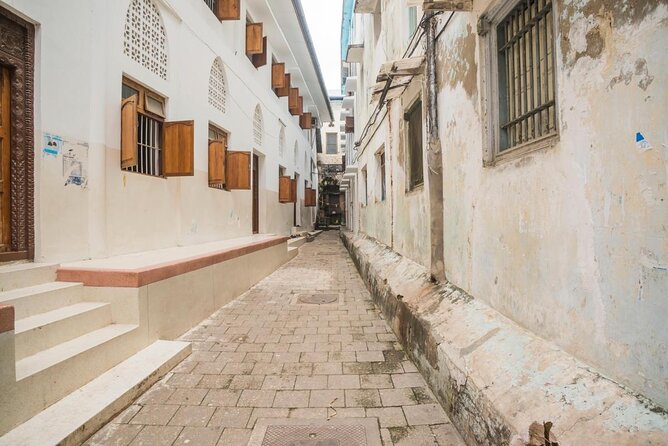
- Tangawizi Spice Farm is the main stop, a working shamba where spices, herbs, and fruits are cultivated
- You’ll get an easy, guided walking tour with time to ask questions during the 3-hour experience
- Expect lots of smells and tastes, including herbs like turmeric, vanilla, cinnamon, and spices like black pepper
- The tour finishes with a cash-only spice stall selling fresh packaged spices
- Hotel pickup and drop-off from Stone Town makes this feel low-stress
Zanzibar Spice Farm Tour: what the timing really means

This is a straightforward, half-day-feeling activity, even though it’s only about 3 hours total. You’ll likely spend around two hours at Tangawizi Spice Farm, then wrap up with a stop at a small spice stall. That schedule matters because spice farms can be muddy, sunny, and surprisingly slow if you wander. Here, you get a guide-led route so you don’t lose time.
The big practical win is that it’s private, so you’re not squeezed into a big group pace. You can ask questions at the moment you’re actually seeing the plant or hearing the story. And because it includes bottled water, you don’t have to solve the hydration problem mid-walk.
You can also read our reviews of more tours and experiences in Zanzibar.


Meeting at Stone Town waterfront: easy start, smooth end
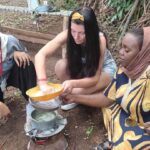
The listed meeting point is 6 Degrees South, Plot 60, Waterfront Shangani St, Zanzibar. It’s a simple landmark near the Stone Town waterfront, which helps if you’re arriving early or want to get your bearings before the tour. The experience also includes hotel pick-up and drop-off, so in many cases you won’t even need to navigate the meeting spot.
Either way, the end point brings you back to the meeting point. That is useful in Stone Town, where you often have a lot of plans stacked after a tour. You don’t want a spice farm stop that leaves you stranded at the wrong side of town.
Tangawizi Spice Farm walk: what you’ll actually see and do
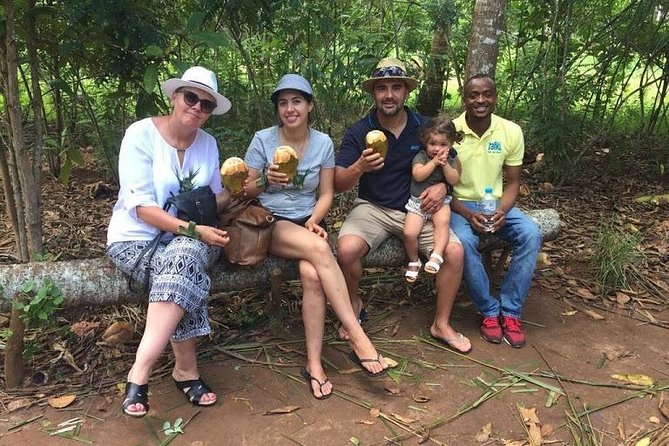
This tour is a walking visit through a Zanzibar spice farm, often called a shamba. It’s not a theme-park garden with labeled glass cases. Instead, you move along cultivated plots where spices, herbs, and tropical fruit grow in the same place your guide is explaining how they’re used.
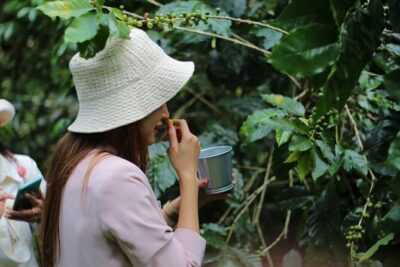
As you walk, you’ll get hands-on sensory education. I like that the tour is designed around smelling and tasting, not just looking. That matters, because many Zanzibar spices are subtle until you actually put your nose near them. On this farm route, you’ll encounter crops such as:
- clove
- lemongrass
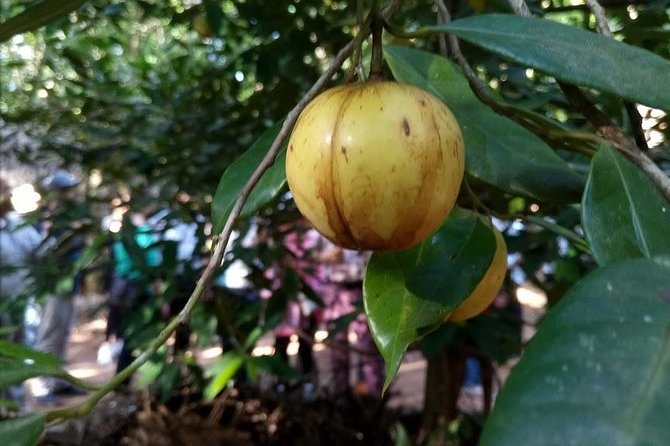
- nutmeg
- cinnamon
- turmeric
- vanilla
- coconuts
- papaya
- chili
- black pepper
- jackfruit
- cardamom
- cassava
- oranges
Your guide will explain how these crops show up in home cooked meals, which helps you understand what you’re seeing beyond the tourist vocabulary.
The best part: learning in context
The pacing is built around cause-and-effect. Your guide talks about where a spice is grown, then you taste or smell it, then you connect it to cooking. If you’ve ever walked through botanical gardens where everything feels disconnected, this format is easier to remember.
The Portuguese spice connection: Zanzibar’s flavor backstory
One of the most interesting threads on this tour is history. Your guide explains that spices were introduced to Zanzibar in the 16th century, carried by Portuguese traders from their colonies in South America and India. That story helps you understand why Zanzibar’s spice reputation is so tightly linked to global trade routes.
For me, it adds meaning to the walk. When you smell turmeric, or hear about vanilla, you’re not just learning a plant name. You’re learning how a local farm became part of a wider world system. It also makes the fruit tastings feel more than a snack. The farm becomes a living reminder of how flavors travel.




What you’ll taste: pairings that make spices click
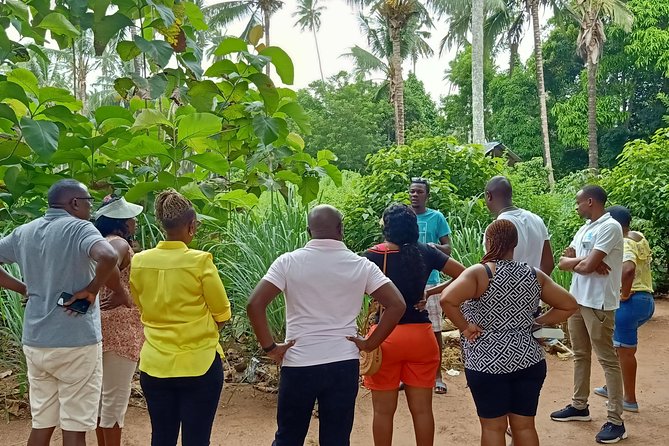
You’re not just offered a single tasting. The tour is structured to let you match spices and fruits together, which is a smart way to make flavors memorable.
You might try combinations that include spices alongside tropical fruit flavors like papaya, jackfruit, oranges, and other seasonal fruit. The tour’s tasting also brings in things like coconut and likely coconut-based drinks such as coconut milk (depending on what’s available that day). In one experience I read about, the tasting included fruit like bananas and mango, plus coconut milk made from the nuts.
A practical tip: go slow with the tasting. These spices can be intense. If you rush, you’ll miss the point of pairing. I’d treat it like a mini food lesson. Take a smell first, then a tiny taste. Wait ten seconds. Many flavors open up after the first bite.
If you’re sensitive to heat
Because chili and other strong spices are part of the tasting lineup, it helps to know your spice tolerance ahead of time. If you’re sensitive, tell your guide early and ask for smaller portions.
Your guide’s little touches: hands-on moments, not just lecturing
A big strength of this tour style is the guide’s engagement. On top of plant explanations, you may get fun hands-on details that make the walk feel personal. One highlight people shared was a guide making small hats out of palm leaves during the visit. It’s a small thing, but it turns the farm into a more human, memorable experience.
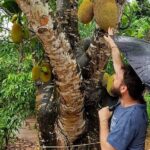
There can also be practical demonstrations related to farm life. I’ve seen accounts of guides showing how they handle taller trees like coconuts, including climbing as part of the explanation. Even if you don’t get a tree-climb moment, you’ll likely see the guide use their experience to show what’s important seasonally and how the farm works.
These touches are why I think this tour works well for visitors who want more than facts. You’re getting the story plus a few moments that feel like you’re being hosted, not processed.
The spice stall: what to expect and how to shop smarter
The tour finishes with a stop at a spice stall that sells fresh packaged spices. The big detail here is simple: cash only. If you want spices from this stop, come prepared.
Now for the balance part. Some people felt the stall setup was less impressive than the farm walk itself, describing the place as basic and the shopping experience as a letdown. A couple of experiences also flagged that the pricing might feel high, especially compared to expectations after an educational tour.
So here’s my advice if you want to buy without regrets:
- Bring cash so you’re not forced into a last-minute decision
- Set a spending limit before you arrive
- If you’re price-sensitive, taste first and buy only what you truly want to use in cooking
- Ask what’s included in a package and how long it will stay fresh (your guide can often point you the right way, even if the stall doesn’t over-explain)
Because this is a community-style farm experience, there may also be an expectation to support the effort through purchases and possibly tipping. That doesn’t mean you have to overspend. But it does mean your purchase choices help shape what kind of farm visit you’ll get in the future.
Price and value: is $140 per person fair?
At $140 per person, this Zanzibar spice farm tour isn’t a cheap add-on. You should evaluate it as a bundled experience: about 3 hours of guided time, hotel pickup and drop-off, bottled water, and included tasting at Tangawizi Spice Farm.
Whether it’s good value comes down to what you want from the outing:
- If you want a low-effort way to see a working farm with guidance and tastings, the price can feel reasonable.
- If you only want shopping or you prefer self-guided sightseeing, you may find the cost steep.
Private tours cost more than group tours, but they also tend to deliver better flow. In a place like a shamba, a guide matters. They point out what’s worth smelling, they keep you from wandering off-track, and they help translate what you’re seeing into actual cooking use.
My “value test” for you: if you’ll use the spices later (in rice, sauces, tea, or marinades) and you enjoy learning through tasting, the money is likely well spent. If you’re more interested in a photo stop, I’d consider alternative options in Stone Town or nearby.
Getting the most out of it: what to bring and how to prepare
This is a walking tour on a working farm. That’s not the same as a city stroll, so plan accordingly.
Bring:
- Closed-toe shoes you don’t mind getting dusty
- Sun protection (hat, sunscreen) since Zanzibar light can be strong
- A small amount of cash for the stall (cash only)
- A light layer if you get cold at night, but for this trip expect daytime warmth
Also, keep expectations realistic about facilities. The farm setting is not described as a polished visitor center. Plan ahead with your comfort needs before you go, especially around washroom availability.
Who should book this Zanzibar spice farm tour
This tour is a good match if you:
- want a guided walk through a working spice farm rather than a drive-by photo stop
- enjoy learning through tasting (spices plus tropical fruit)
- care about the story behind Zanzibar’s spice trade, including the Portuguese connection
- travel with kids who enjoy discovering plants and doing simple tasting activities
It’s also a solid choice if you’d like a private experience that fits smoothly into Stone Town plans, thanks to pickup and return.
It may not be the best fit if you:
- want a high-comfort, modern facility experience
- dislike any shopping pressure at all, including cash-only stalls
- don’t care about cooking uses and only want generic sightseeing
Should you book this Zanzibar Spice Farm Tour?
If you’re in Stone Town and you want a practical, sensory introduction to Zanzibar spices, I’d book it. The combination of tasting, a guided walking route at Tangawizi Spice Farm, and the Portuguese trade story is exactly the kind of learning that sticks. Just go in prepared: expect a basic farm setup, and handle the spice stall like a shopper with a budget, not like a tourist impulse buyer.
If your main goal is to buy spices, make sure you bring cash and decide what you’re willing to pay before you’re standing at the counter. Do that, and the tour becomes a fun morning or afternoon that teaches you something real about Zanzibar.
FAQ
What is the duration of the Zanzibar Spice Farm Tour?
The tour lasts about 3 hours in total (with roughly 2 hours at the farm, then a stall stop).
Where does the tour start in Zanzibar?
The meeting point is 6 Degrees South, Plot 60, Waterfront Shangani St, Zanzibar, Tanzania. The tour ends back at the meeting point.
Is this a private tour?
Yes. It’s a private tour/activity, so only your group participates.
What’s included in the price?
Included are bottled water, a guided spice farm tour, hotel pick-up and drop-off, and fruits & spice tasting.
What spices and fruits will I taste?
You’ll smell and taste a range of spices and herbs such as clove, lemongrass, nutmeg, cinnamon, turmeric, vanilla, chili, black pepper, jackfruit, cardamom, cassava, and others, plus tropical fruits like coconuts, papaya, and oranges.
Is the tour walking-based?
Yes. It’s described as a walking tour through a spice farm (shamba).
Can I buy spices at the end, and do I need cash?
The tour ends at a spice stall selling fresh packaged spices, and purchases are cash only.