REVIEW · ZANZIBAR CITY
Zanzibar: Jozani Chwaka Bay National Park and Spice Farm …
Book on GetYourGuide →Operated by Zanziphoria | Zanzibar Tours · Bookable on GetYourGuide
Rare monkeys and spicy fruit—same day.
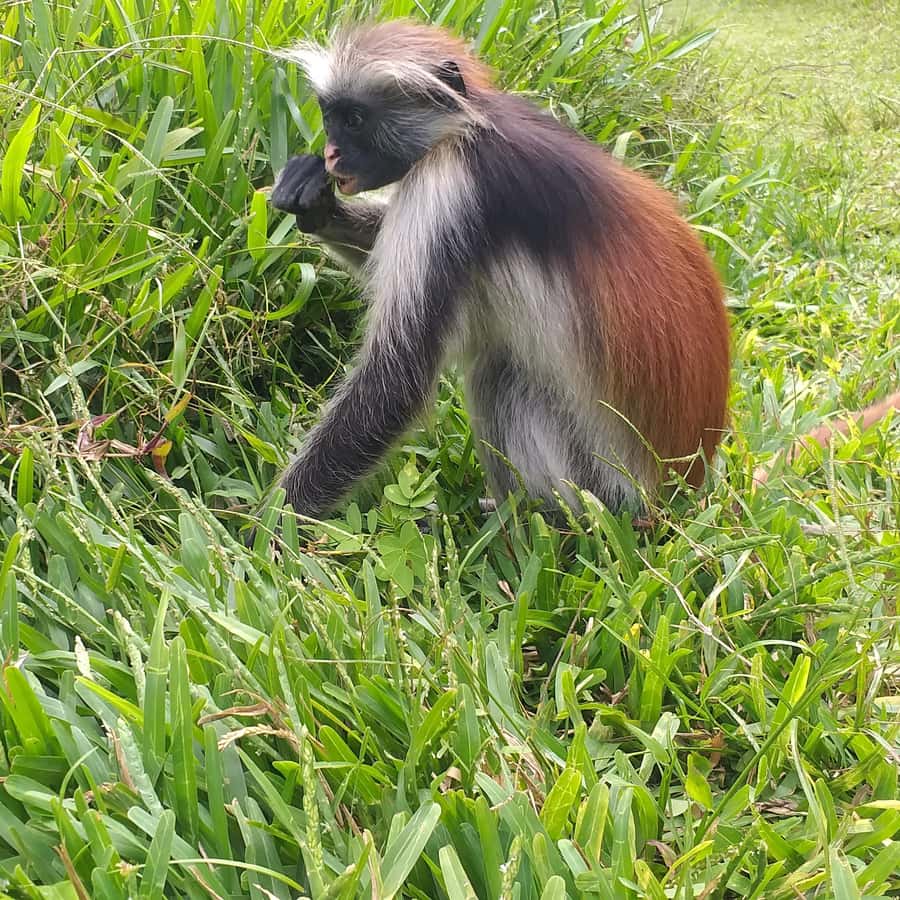
A trip through Jozani Chwaka Bay National Park gives you a real chance to spot the rare red colobus monkey in the trees, while the guide keeps the forest walk focused and practical. What I like most is the way you’re not just seeing animals—you’re learning what to look for and how the habitat works.
I also love that the second half of the day turns the senses way up at a Zanzibar spice farm, where you can learn how vanilla, nutmeg, cardamom (and other spices) are grown, then taste tropical fruits right there. One drawback to plan around: the day involves moderate walking in hot, humid conditions, so you’ll want proper shoes and a steady pace.
In This Review
- Key Things You’ll Notice on This Trip
- Jozani Chwaka Bay: where the red colobus actually matters
- Wildlife rules: a better day starts with respect
- The spice farm: turning flavors into real plants you can name
- Tropical fruit tastings: what to expect and how to enjoy it
- Timing and transport: how this half-day trip fits your Zanzibar plan
- Price and value: why $109 can make sense here
- What to pack: the small gear that saves your day
- Who this tour suits best (and who should reconsider)
- Should you book: Jozani Chwaka Bay and the Spice Farm?
- FAQ
- How long is this Zanzibar day trip?
- Where does the tour transportation start?
- Is the walking easy?
- What wildlife can I look for in Jozani Chwaka Bay National Park?
- What will I do at the spice farm?
- Are meals included?
- What tropical fruits are offered for tasting?
- What should I bring?
- Is this tour suitable for everyone?
Key Things You’ll Notice on This Trip
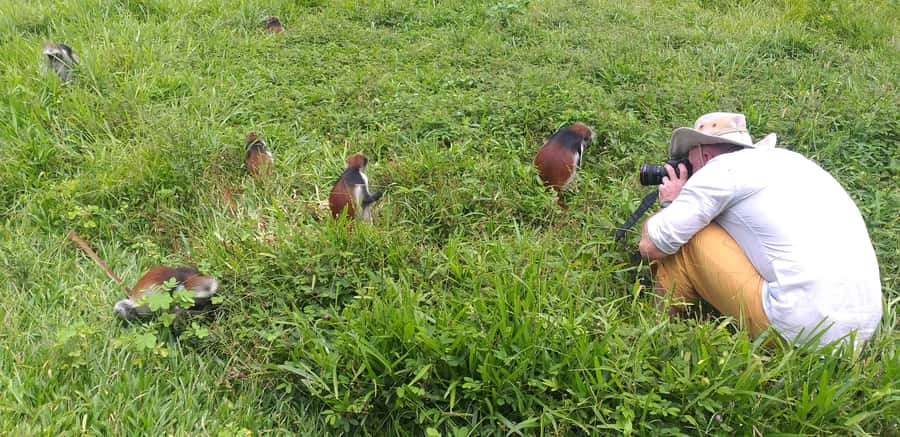
- Red colobus monkey spotting in the forest, with a guide helping you focus on treetops and movement
- Jozani’s wildlife mix beyond monkeys, including bushbabies and duikers (plus birds and butterflies)
- Spice farm walkthrough that explains how spices like vanilla, nutmeg, cardamom, clove, and cinnamon are cultivated
- Tastings included, from spice samples to seasonal tropical fruits like jackfruit and pineapple
- Comfortable round-trip transport in air-conditioned vehicles from your Zanzibar accommodation
Jozani Chwaka Bay: where the red colobus actually matters
The day starts in Jozani Chwaka Bay National Park, Zanzibar’s protected forest. This is the part of the trip where you’ll be looking up as much as you’re looking ahead. The star is the endangered red colobus monkey, which doesn’t hang around for posed photos—so the goal is patience, good eyes, and listening to your guide.
Jozani is also home to other forest animals you might spot along the walk: bushbabies, duikers, birds, and butterflies. Even if the monkeys are quiet that day, the forest itself still feels worthwhile because you’re moving through a real habitat, not a theme park. You’ll get a sense for how wildlife uses the canopy and how animals share the same space without being seen all at once.
What helps you see more:
- Keep your camera ready, but don’t rush. Slow walking increases your odds.
- Watch treetops and branch movement—your guide will point out what to scan for.
- Stay relaxed. Flashy movements can spook small animals, and you’ll miss the subtle signs.
Comfort note: you’ll do some walking. Wear comfortable shoes you can trust on uneven ground, and keep water in reach. Zanzibar heat can creep up fast, especially if you’re focused on spotting wildlife and forget to drink.
You can also read our reviews of more tours and experiences in Zanzibar City.


Wildlife rules: a better day starts with respect
This trip has clear rules because the park and the animals are the reason it exists. You won’t be allowed to touch animals, and you should follow your guide’s instructions closely. That matters because red colobus monkeys and other wildlife are fragile to disturbance. It also keeps the experience safer for you.
You should also avoid bringing anything that could be misused: weapons or sharp objects and explosive substances aren’t allowed. It’s a small thing, but it helps you pack smarter and reduces the hassle of “oops, I shouldn’t have that.”
If you’re the kind of traveler who loves wildlife photography, you’ll enjoy this format more than you might think. The best shots often come from quiet observation rather than chasing. Let your guide manage where you stand and when you move.
The spice farm: turning flavors into real plants you can name
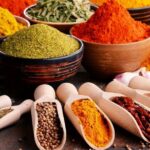
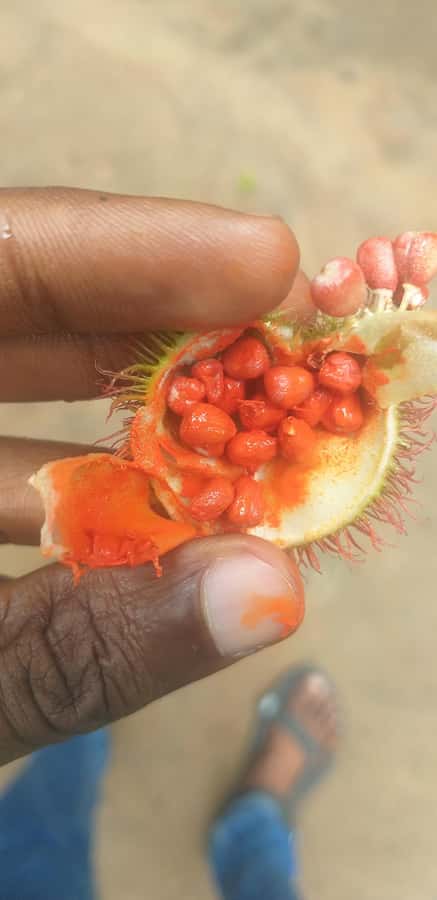
After the forest, you shift from watching animals to watching people grow food and medicine. The spice farm visit is designed like a guided education session with tastings built in. You’ll learn how spices such as vanilla, nutmeg, cardamom, pepper, cloves, and cinnamon are cultivated.
This part works well because it connects three things you can actually taste:
- The plant in the ground
- The spice in the jar
- The flavor in your mouth
It’s not just “here’s a plant.” It’s more like: this is how Zanzibar’s climate and farming methods shape what ends up in your cup. You’ll also hear the practical side of spice cultivation—how these crops are handled, why they matter locally, and how they’re used.
And yes, there are tastings. You’re meant to sample as you learn, so the farm feels like a sensory workshop rather than a sales stop. Based on what the guides are described doing on the ground—friendly, informative, and making the day feel smooth—you can expect clear explanations instead of a rushed lecture.
Tropical fruit tastings: what to expect and how to enjoy it
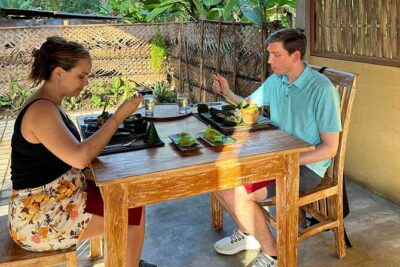
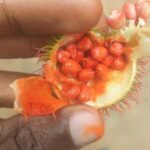
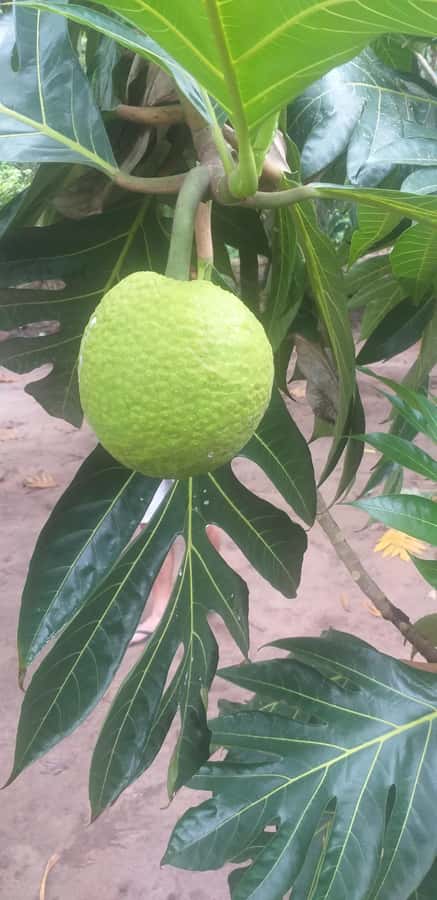
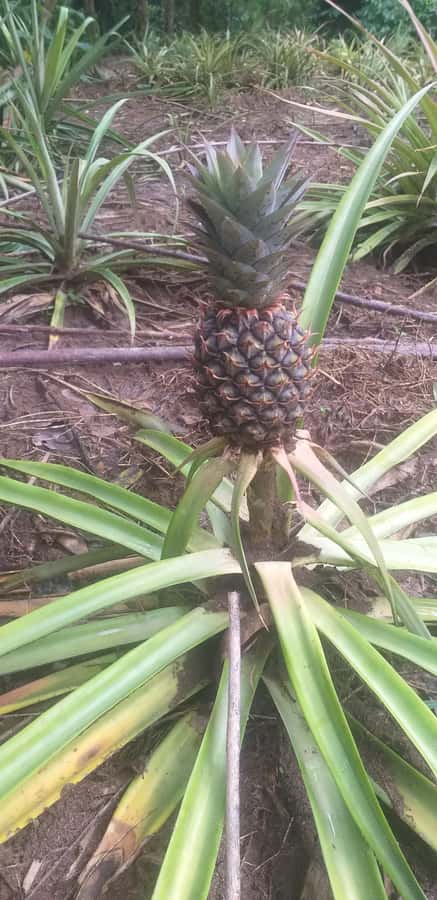
The tasting portion doesn’t stop at spices. You’ll also explore a lineup of seasonal tropical fruits, with samples included. The fruits listed for this experience include jackfruit, pineapple, bananas, and several Zanzibar-specific favorites and nicknames:
- Green coconut (madafu)
- Durian
- Love apple (matufaa)
- Rambutun (shoki-shoki)
- Soursop (mabungo)
- Starfruit (carambola)
This is one of the best parts if you like to understand flavors with context. For example, once you know what something grows like locally, you taste it differently. You also start to notice how fruit sweetness and texture vary across the islands, not just what’s available in supermarkets at home.
My practical advice:
- Go easy at the first tastings. You want to enjoy the later fruits too.
- If you’re prone to stomach issues with new foods, drink water slowly and sample one item at a time.
- Bring a camera anyway—fruit and spice plants can look surprisingly different when you see them growing.
Timing and transport: how this half-day trip fits your Zanzibar plan
This is typically a half-day experience, starting in the morning or afternoon depending on your selected departure time. The main advantage of a half-day format is flexibility. If you’re staying on Zanzibar and want to mix nature with food learning, this gives you both without swallowing the entire day.
You’ll get round-trip transportation from your accommodation in Zanzibar in comfortable, air-conditioned vehicles. That’s a big deal in heat. It means you can spend more energy on the park and farm and less time worrying about getting stuck in traffic or finding your way across the island.
Because the schedule is short, the pacing will feel purposeful:
- First: forest walk focused on wildlife and guided interpretation
- Second: spice farm with cultivation lessons and tastings
Moderate walking is the real factor you can’t shortcut. So when you choose morning vs. afternoon, pick the time that matches your comfort with heat. Either way, sunscreen and water are non-negotiable.




Price and value: why $109 can make sense here
The price is listed at $109 per person. On a practical level, you’re paying for three things that are hard to assemble on your own in a short window:
- Guided access to the park with a focus on what you’re likely to see
- A guided spice farm visit with tastings (spices and fruit samples included)
- Round-trip transportation in an air-conditioned vehicle from your accommodation
Meals aren’t included, so you’ll want to plan a breakfast snack or lunch around your timing. That’s also part of the value equation: you can eat at a place you choose later, instead of being stuck with a set meal you didn’t pick.
Is it worth it? If your goal is to see the rare red colobus monkey and learn what Zanzibar spices are actually about, this format is efficient. If you only want one part—wildlife or fruit and spice—you might spend less elsewhere. But for a one-day taste of two Zanzibar experiences, $109 can be fair, especially because it includes transport and guided tastings.
What to pack: the small gear that saves your day
This trip gives you a clear packing checklist, and I agree with it. You’ll want:
- Comfortable shoes (for moderate walking)
- Camera (forest light can be tricky, so be ready)
- Sunscreen and light clothing for heat
- Water to keep energy steady
- Insect repellent (important in outdoor areas)
Also think about clothing you don’t mind getting a little dusty. You’ll be in a natural setting, and the day isn’t designed to stay pristine.
And remember the “do no harm” wildlife rule: don’t touch animals. If you keep that in mind, you’ll get better viewing while also respecting the animals.
Who this tour suits best (and who should reconsider)
This experience is a good fit if you:
- Love wildlife and want a guided shot at seeing the red colobus monkey
- Enjoy food learning—especially tasting spices and tropical fruits in context
- Want a single, half-day plan that feels varied without heavy logistics
It may not be the best match if you:
- Are pregnant
- Have back problems
- Have mobility impairments
That’s because the day includes walking in hot conditions, and the trip is built around getting around the park and farm with moderate physical effort. If you’re unsure, choose your departure time carefully and talk with the operator when booking.
Should you book: Jozani Chwaka Bay and the Spice Farm?
Yes—if you want a balanced Zanzibar day that combines real nature with hands-on flavor education. This is the kind of half-day plan that works well when you’re tired of just staring at beaches and want a story to bring home.
Book it if red colobus monkeys are on your must-do list and you also want tastings that go beyond “nice fruit.” The guided format helps you focus on what matters in the forest, then gives you a clear, practical explanation of how spices like vanilla, nutmeg, and cardamom fit into Zanzibar life.
Skip it only if walking in heat would stress you out, or if you’d rather spend more time at one place than split your day between park and farm.
FAQ
How long is this Zanzibar day trip?
It typically spans a half-day. It starts in the morning or afternoon depending on your chosen departure time.
Where does the tour transportation start?
Round-trip transportation is provided from your accommodation in Zanzibar using comfortable, air-conditioned vehicles.
Is the walking easy?
There is moderate walking involved, especially in the national park. Comfortable shoes are recommended.
What wildlife can I look for in Jozani Chwaka Bay National Park?
You may spot endangered red colobus monkeys as well as bushbabies, duikers, and you might also see butterflies and birds.
What will I do at the spice farm?
You’ll visit a spice farm, learn how spices are cultivated (including vanilla, nutmeg, cardamom and others), and take part in tastings.
Are meals included?
No. Meals are not included.
What tropical fruits are offered for tasting?
The tour includes tasting tropical seasonal fruits such as jackfruit, pineapple, bananas, green coconut (madafu), durian, love apple (matufaa), rambutun (shoki-shoki), soursop (mabungo), and starfruit (carambola).
What should I bring?
Bring comfortable shoes, a camera, sunscreen, water, and insect repellent.
Is this tour suitable for everyone?
It’s not suitable for pregnant women, people with back problems, or people with mobility impairments.