REVIEW · ZANZIBAR CITY
Zanzibar Cooking Class [Swahili food test ] and Spice farm Private tour
Book on Viator →Operated by mango travel & tours ltd · Bookable on Viator
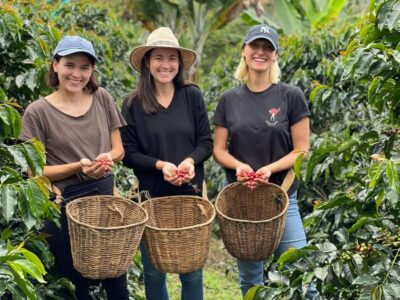
Smell cloves, then taste them fresh. This Zanzibar Cooking Class plus Spice Farm tour feels hands-on from minute one, with an organic spice farm where you can touch, smell, and sample spices like vanilla, cardamom, nutmeg, cloves, cinnamon, and black pepper. I also love the second half with Mama Africa, where you join cassava leaf harvesting, help make coconut milk, and practice cooking Swahili-style using spices you collected. The main drawback to plan for is that the day can involve tips and small purchases where cards may not be accepted, so you’ll want plenty of cash ready.
I like that this is a private setup (just your group) and it runs about 5 hours with pickup included, plus lunch at the farm. One guide name that comes up with standout service is Amina, and it’s the kind of experience where a good guide makes the plants, smells, and food lessons actually click.
In This Review
- Key things I’d plan around
- Tangawizi Spice Farm: a hands-on taste of Zanzibar’s Spice Islands
- What’s special about the guidance
- A quick heads-down: go prepared for the outdoors
- Mama Africa’s cooking setup: cassava leaf harvest and coconut milk practice
- Where the kitchen reality matters
- Language and guide style
- Lunch at the spice farm: your lessons showing up on the plate
- How to make lunch work for you
- Price and logistics: $59 for a private 5-hour Zanzibar experience
- When the price feels like a win
- When you might feel underwhelmed
- Start time and timing
- What to bring (and the cash tip reality)
- A small tip that improves your day
- Who this Zanzibar cooking class is best for
- Should you book this Zanzibar spice farm and Mama Africa cooking class?
- FAQ
- How long is the Zanzibar spice farm and cooking class?
- What’s included in the tour price?
- Is pickup offered?
- Do I need to pay for alcoholic drinks separately?
- Is this a private tour?
- Can I cancel for free?
Key things I’d plan around
![Zanzibar Cooking Class [Swahili food test ] and Spice farm Private tour - Key things I’d plan around](https://4.farmtouring.com/wp-content/uploads/zanzibar-cooking-class-swahili-food-test-and-spice-farm-private-tour-1.jpg)
- Hands-on spice testing: touch and smell spices right from the plants, not just in jars
- Mama Africa cooking time: cassava leaf harvesting, coconut milk prep, and a practical Swahili food lesson
- Lunch included at the farm: you eat what you learned, and you’ll taste the difference
- Private transportation and pickup: saves time versus figuring out routes on your own
- Bring cash for tipping: you may need change for multiple people involved in your day
Tangawizi Spice Farm: a hands-on taste of Zanzibar’s Spice Islands
![Zanzibar Cooking Class [Swahili food test ] and Spice farm Private tour - Tangawizi Spice Farm: a hands-on taste of Zanzibar’s Spice Islands](https://4.farmtouring.com/wp-content/uploads/zanzibar-cooking-class-swahili-food-test-and-spice-farm-private-tour-2.jpg)
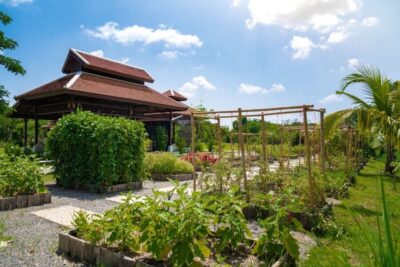
Your morning starts at Tangawizi Spice Farm, and the big win here is how physical the experience is. This isn’t a quick walk past labeled plants where you take photos and move on. You’re guided through how Zanzibar grows and uses spices—how they’re cultivated, what they’ve meant historically to the islands, and how they show up in food and even traditional medicine.
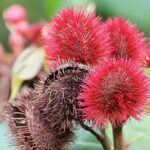
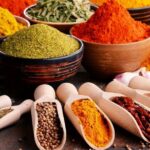
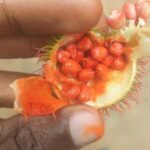
Expect to meet the real sources of that famous spice aroma. You’ll see and sample things like cloves, nutmeg, cinnamon, black pepper, and also aromatic “supporting cast” such as vanilla and cardamom. The key detail is that you don’t just smell from a distance. You get to touch and smell spices and herbs directly from the plants, and you’ll likely taste some as well. That does something simple but powerful: it connects the word spice to a living smell, not a dried packet.
Another thoughtful part is the way the tour pairs spices with other farm flavors. Alongside fragrant plants, you’ll encounter tropical fruits to see and taste. That matters because spices can dominate your memory, and fruits help you recalibrate your palate so lunch later feels exciting instead of overwhelming.
You can also read our reviews of more tours and experiences in Zanzibar City.



What’s special about the guidance
A good guide turns a spice farm into a story you can remember. You’ll hear how cloves and nutmeg are grown, what different plants look like when fresh, and why Zanzibar became known as the Spice Islands. The emphasis on usage—how spices serve as flavor and medication—adds context. It also helps you understand why people in Zanzibar care about quality and timing, since freshness affects aroma.
A quick heads-down: go prepared for the outdoors
This is an active farm visit. It means sun, uneven ground, and lots of breathing in strong smells. Wear shoes you don’t mind getting a little dusty, and bring a hat. If you’re sensitive to strong scents, pace yourself during the sampling and drink water between stops.
Mama Africa’s cooking setup: cassava leaf harvest and coconut milk practice
![Zanzibar Cooking Class [Swahili food test ] and Spice farm Private tour - Mama Africa’s cooking setup: cassava leaf harvest and coconut milk practice](https://4.farmtouring.com/wp-content/uploads/zanzibar-cooking-class-swahili-food-test-and-spice-farm-private-tour.jpg)
After the farm walk, the tour shifts into the most interactive cultural part: meeting Mama Africa and cooking Swahili dishes. This is where the day becomes less about observation and more about doing.
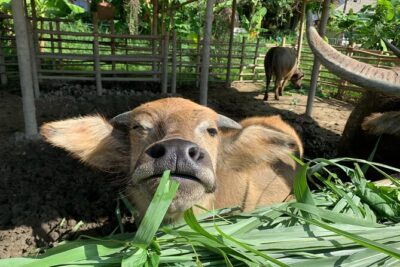
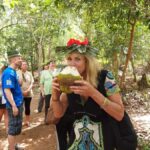
You’ll join in cassava leaf harvesting and then move into coconut milk preparation. In practical terms, this is the stage that teaches you how ingredients transform. Cassava leaves are not something you casually toss into a meal without learning how they’re handled. And coconut milk is the kind of ingredient that can make or break flavor balance in coastal cooking—so getting hands-on time is useful even if you’re not planning to cook “authentically” at home.
Then comes the cooking practice itself. You’ll work with Swahili food and mix in spices you collected, so you start linking plant aroma to finished flavor. I like this structure because it turns your earlier spice sampling into something meaningful. Instead of remembering a list of spices, you start recognizing what each one contributes.
Where the kitchen reality matters
One thing worth knowing: the cooking experience can be in a simple outdoor setup rather than a staged indoor set. That’s not a negative; it’s just reality. Think grass-mat or basic seating areas and a working kitchen feel. If you’re expecting a glossy studio setup, temper those expectations. The trade-off is that you’re watching and participating in real food prep.




Language and guide style
You may also get a guide who can explain in French, depending on your group. If that matters to you, ask when you book. Either way, the best moments tend to come from questions—how something is used, how it tastes, and why it’s prepared that way.
Lunch at the spice farm: your lessons showing up on the plate
Lunch is included, and it’s a big reason this tour feels like value rather than a standalone attraction. When you eat a meal at the farm after spending time smelling fresh spices, you start tasting with more precision.
You’ll likely taste Swahili dishes that reflect the spices you handled earlier. That’s the payoff: the fragrances you learned during the morning translate into actual flavor, and you’ll remember the day because your senses did the work.
How to make lunch work for you
Because this is a cooking-focused experience, the meal may be seasoned in the style being taught. If you have dietary restrictions, I recommend telling your guide in advance so they can advise what you’ll be eating. The tour data doesn’t specify vegetarian-only or allergy-safe menus, so it’s on you to communicate early.
Also, plan for a lunch that may be aromatic and filling. If you’re a light eater, you might want to snack lightly before pickup—just nothing messy—so you’re comfortable when lunch arrives.
Price and logistics: $59 for a private 5-hour Zanzibar experience
![Zanzibar Cooking Class [Swahili food test ] and Spice farm Private tour - Price and logistics: $59 for a private 5-hour Zanzibar experience](https://4.farmtouring.com/wp-content/uploads/zanzibar-cooking-class-swahili-food-test-and-spice-farm-private-tour-4.jpg)
At $59 per person, this is priced like a focused activity day, not a budget “grab and go.” The reason it can make sense is what’s included: lunch, private transportation, and all fees and taxes. For Zanzibar, that combo reduces the hidden costs that can pop up when you piece things together yourself.
This is also a private tour, meaning your group stays together and the pace can feel more flexible. Instead of rushing through a checklist of spices, you can ask follow-up questions and spend time where your curiosity pulls you.
When the price feels like a win
It feels like a win if you:
- want more than just sightseeing (you want to taste and cook)
- appreciate farm-to-plate experiences
- like the idea of a guide-led story while you sample plants
When you might feel underwhelmed
It might feel pricey if you only want a short spice walk with zero interest in the cooking side. The second half is the difference-maker here. If cassava leaf harvesting and making coconut milk sound like your kind of day, you’re in the right place.
Start time and timing
The day starts at 9:00 am and runs about 5 hours. That means you’ll likely have the rest of the afternoon free for beaches or exploring Stone Town.
What to bring (and the cash tip reality)
If you do only one prep thing, do this: bring cash and change. A recurring lesson from the experience is that you may end up tipping several people along the way—your guide, cooking support, coconut drink moments, and the driver. The tour information also points out that card use may not be reliable for purchases, so having enough Tanzanian shillings and small bills makes everything smoother.
Beyond cash, pack:
- Comfortable shoes for farm paths
- A hat and sunscreen (you’ll be outside)
- A light layer (breezes can change during the day)
- Water (stay hydrated during spice sampling)
- Your appetite (lunch is part of the experience)
A small tip that improves your day
Ask your guide at the start how the timing flows and what you should expect in the cooking portion. Knowing what comes next helps you pace the spice tasting, so you don’t burn out your palate before lunch.
Who this Zanzibar cooking class is best for
![Zanzibar Cooking Class [Swahili food test ] and Spice farm Private tour - Who this Zanzibar cooking class is best for](https://4.farmtouring.com/wp-content/uploads/zanzibar-cooking-class-swahili-food-test-and-spice-farm-private-tour-5.jpg)
This is a great fit for people who like food that has a story behind it. If you enjoy learning by doing—smelling, tasting, harvesting, then cooking—you’ll probably have a full day that feels like more than a tour.
It’s also a good choice for:
- couples wanting a cultural food experience without a huge time commitment
- small groups who can enjoy the private pace
- families who want an educational day (as long as everyone is comfortable with farm conditions)
The tour also notes that most people can participate, and service animals are allowed. If you have mobility concerns, tell the provider beforehand so they can advise how the farm path and cooking setup will work.
Should you book this Zanzibar spice farm and Mama Africa cooking class?
I’d book it if you want a real spice farm + Swahili cooking combo, where you leave with both memories and practical flavor understanding. The structure makes sense: you learn the ingredients first, then you cook with them, then you eat. That loop is rare—and it’s what turns the day into a stronger cultural experience.
Skip it only if you mainly want beaches or Stone Town-style touring, and you’re not interested in cassava leaves, coconut milk, and hands-on Swahili cooking.
If you’re on the fence, here’s my quick decision check:
- If you like tasting from living plants and eating lunch on-site, book.
- If you prefer a quick view and photos, you may want something shorter.
FAQ
![Zanzibar Cooking Class [Swahili food test ] and Spice farm Private tour - FAQ](https://4.farmtouring.com/wp-content/uploads/zanzibar-cooking-class-swahili-food-test-and-spice-farm-private-tour-6.jpg)
How long is the Zanzibar spice farm and cooking class?
The experience runs about 5 hours total.
What’s included in the tour price?
Lunch, private transportation, and all fees and taxes are included.
Is pickup offered?
Yes, pickup is offered, and the start time is 9:00 am.
Do I need to pay for alcoholic drinks separately?
Yes. Alcoholic beverages are not included.
Is this a private tour?
Yes. It’s private, and only your group participates.
Can I cancel for free?
Yes. You can cancel for a full refund up to 24 hours before the experience starts.