REVIEW · CHIANG MAI
Chiang Mai: Authentic Cooking Class with Market & Farm Visit
Book on GetYourGuide →Operated by Grandma's Home Cooking School · Bookable on GetYourGuide
Eggs, herbs, and noodles in one day. The experience at Grandma’s Home Cooking School strings together a real market ingredient tour, farm time with chickens and eggs, and step-by-step cooking that lands you on Chiang Mai staples like Khao Soi. I like that you cook at your own station, not just watch and snack. And the instructors keep it personal, with names like Kiki and Jimmie showing up in the crowd (and in the teaching).
The main thing to think about is timing and comfort: pickup for some sessions can be around 3:30 to 4:00 PM, and transport has been described as sometimes snug. If you’re sensitive to tight vans or late-day schedules, plan a calmer morning and keep a little buffer.
In This Review
- Why This Chiang Mai Cooking Class Feels More Like Family Than a Show
- First Stop: The Market Walk That Teaches You How Thai Flavor Is Built
- What you’ll notice at the market
- A practical tip from how this class runs
- Grandma’s Organic Farm: Chickens, Eggs, Mushrooms, and Herb Smell Sessions
- The farm highlights you can actually do
- A note on what depends on timing
- Wearing the right shoes helps
- The Open-Air Kitchen and Your Own Station: Where You Stop Guessing and Start Cooking
- What you cook
- Why the station format is worth it
- Khao Soi and Curry Paste: The Chiang Mai Moment You’ll Remember
- What to do during the Khao Soi and paste parts
- Desserts and Full-Day Coconut Milk: Mango Sticky Rice and the Grater Tradition
- Mango sticky rice across sessions
- Coconut milk preparation in the full-day option
- Drinks, Photos, and the Little Extras That Make the Day Easier
- A small heads-up
- Food Amount and the Real-Life Tip: Come Hungry
- Logistics That Affect Your Comfort: Pickup, Time Windows, and What to Expect
- Consider the van comfort
- Gluten-Free, Halal, and Vegetarian: How Flexible Is This Class?
- My practical rule for you
- Who Should Choose Morning, Afternoon, Evening, or Full Day?
- Morning class
- Afternoon class
- Evening class
- Full-day option
- Price and Value: Is $34 a Smart Spend in Chiang Mai?
- Should You Book Grandma’s Home Cooking School in Chiang Mai?
- FAQ
- How long is the Chiang Mai cooking class?
- What dishes can I cook during the class?
- Is hotel pick-up included?
- Do they offer vegetarian or Halal options?
- Can they handle gluten-free or allergies?
- What’s special about the full-day experience?
Why This Chiang Mai Cooking Class Feels More Like Family Than a Show
Market-to-kitchen workflow: You learn what to buy and why, then cook with that exact logic.
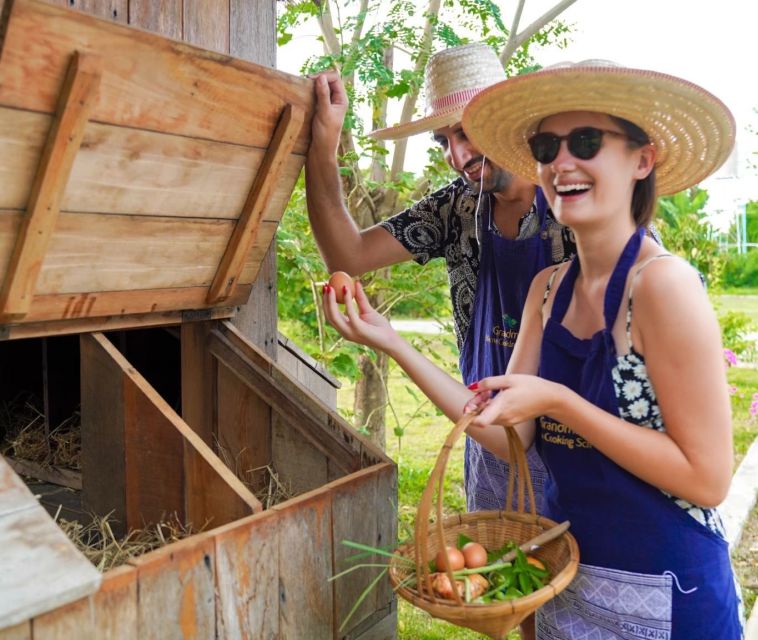
Farm time that is hands-on: You can feed and even hug chickens, gather fresh eggs, and pick mushrooms (when available).
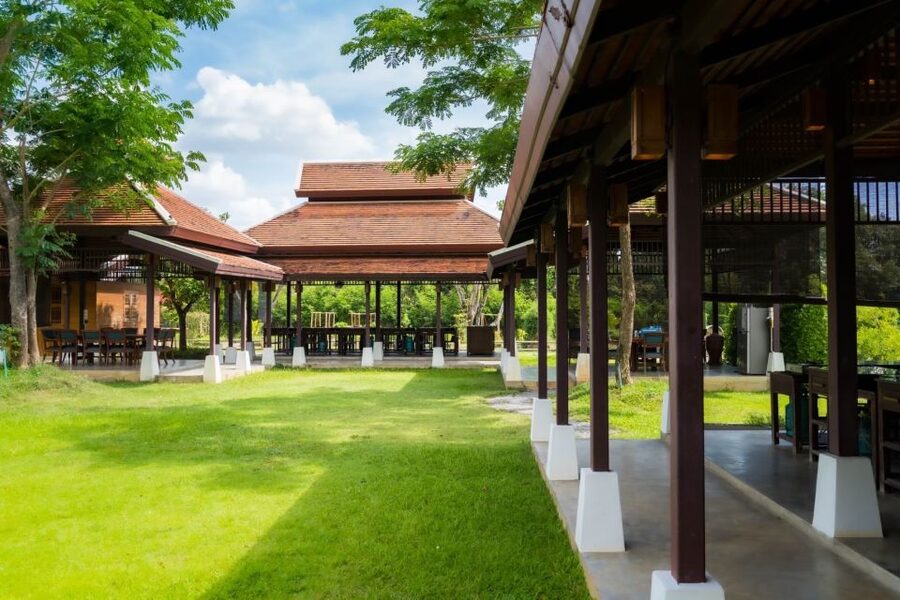
An instructor-led open-air kitchen: You cook at your own station with step-by-step guidance, using tools like a mortar and pestle for curry paste.
Chiang Mai signature focus: Khao Soi isn’t a side dish here, it’s a highlight.
Value that goes past the food: Hotel transfer, drinks, and a digital recipe e-book are built into the $34 price.
First Stop: The Market Walk That Teaches You How Thai Flavor Is Built
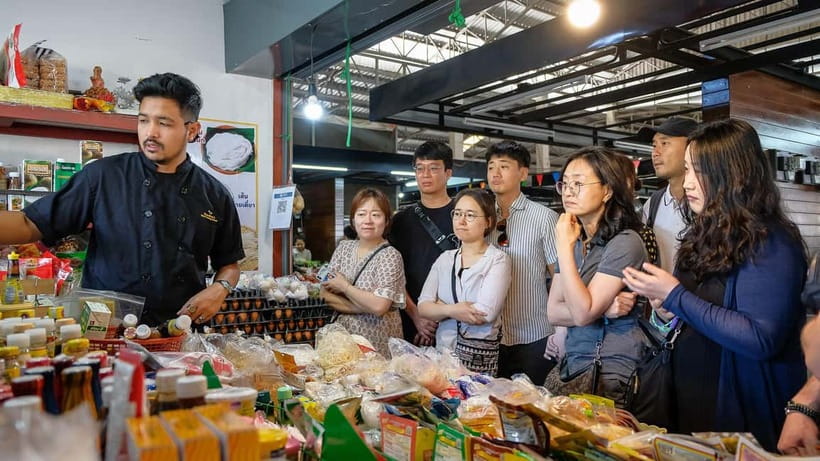
Most Thai cooking classes jump straight to recipes. This one starts earlier, with a tour where you learn ingredients the way locals do: by seeing them, smelling them, and asking how they’re used.
Depending on the session you choose, you’ll hit a lively market with your instructor, then transition to the cooking school grounds. This is the part that pays off later. When you return home, you’re not guessing what should go into a curry paste or which herbs create that signature “Thai” aroma. You’ll remember what things looked like in the market and what they were like in your hands.
You can also read our reviews of more tours and experiences in Chiang Mai.

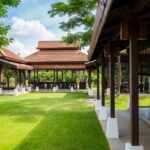
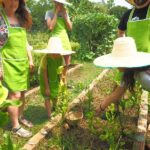
What you’ll notice at the market
Thai cooking here is ingredient-first. You’ll learn to recognize the building blocks you’ll use later at your station:
- Fresh herbs and vegetables you can actually source
- Key aromatics that drive curry, stir-fry, and soup flavors
- Sauces and seasoning styles that explain why one dish tastes sharper or deeper than another
You also get a quick lesson in menu thinking. At the start of class, each guest chooses their menu before cooking begins. That means the market walk isn’t generic. It’s tied to what you’ll cook.
A practical tip from how this class runs
Go into the market walk ready to take mental notes. You’ll be shown ingredients, but the real skill is learning how Thai cooks connect ingredients to a result. If you want to recreate dishes later, ask your instructor how they’d describe the flavor goal for each herb or sauce you’re buying.
Grandma’s Organic Farm: Chickens, Eggs, Mushrooms, and Herb Smell Sessions
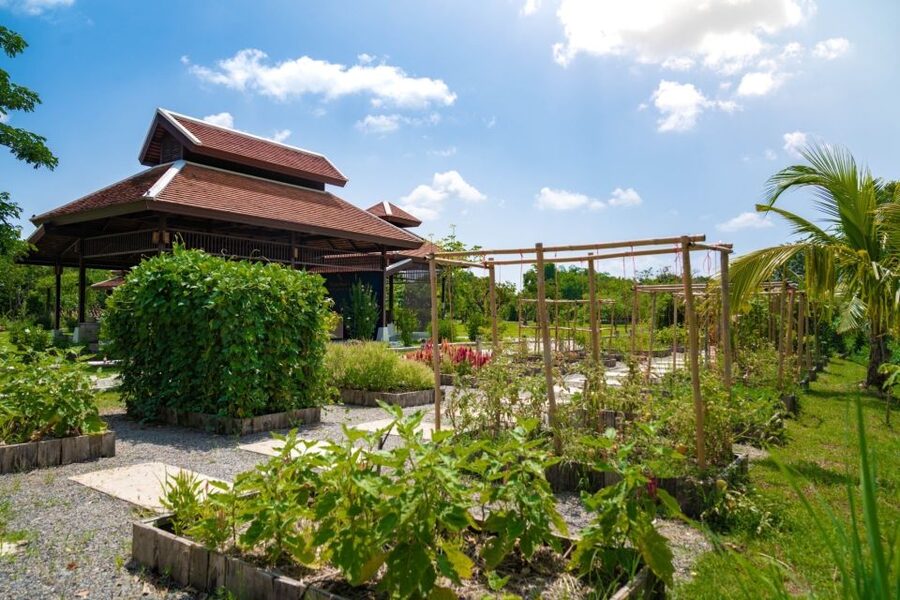
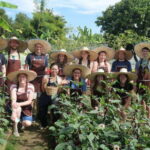
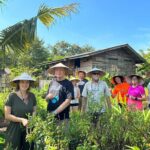
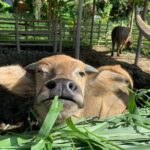
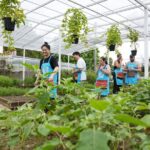
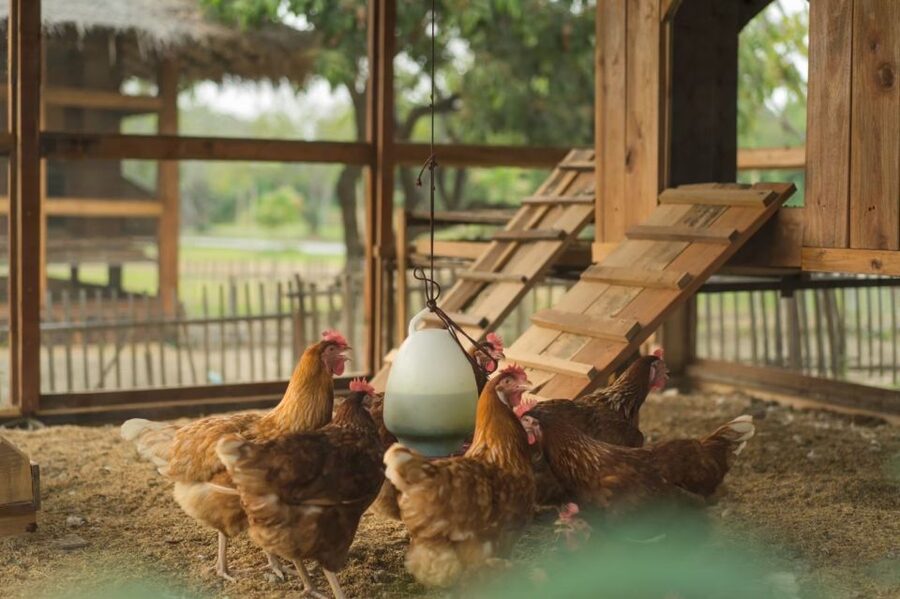
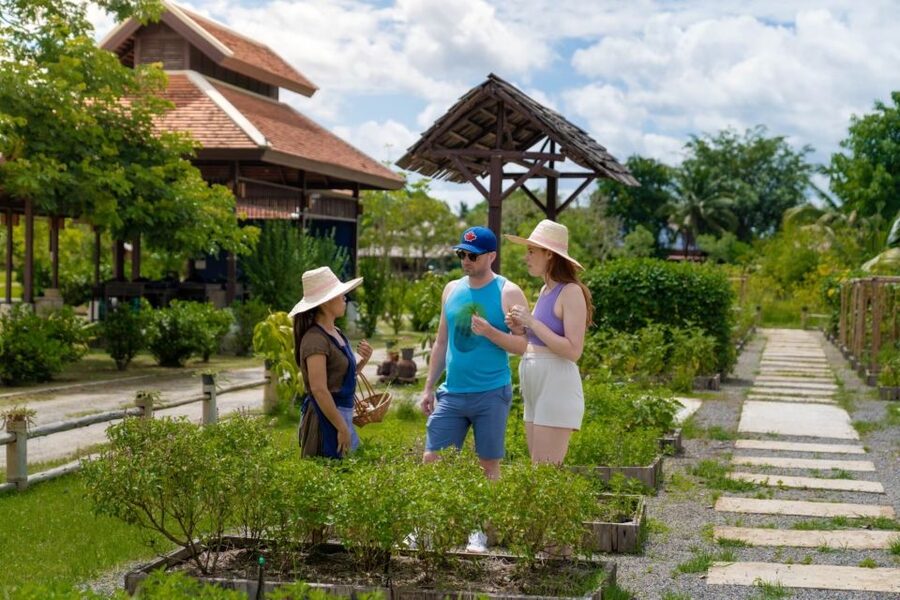
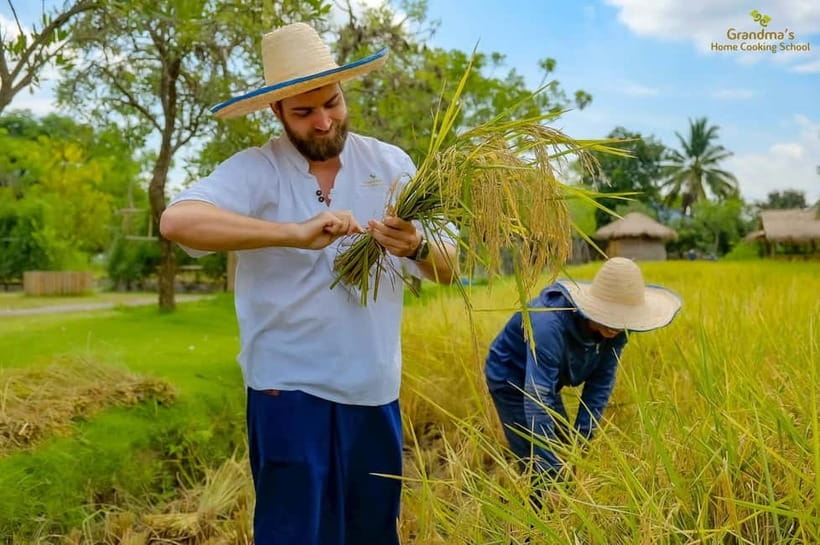
Whether you get extra farm time or full-day coverage, the farm portion is a big reason people fall in love with this class. The grounds are set in the countryside with rice fields around you, and the schedule builds in activities that don’t feel like a rushed checklist.
The farm highlights you can actually do
Here’s what’s offered during the farm experience:
- Feed the chickens
- Collect fresh eggs
- Give the chickens a gentle hug
- Pick mushrooms from a mushroom hut
- Smell and learn herbs and fruits, and sometimes harvest vegetables when they’re ready
This isn’t just photo time. You’re learning the “source” part of farm-to-table cooking. When you later chop herbs or stir curry paste, you understand what you’re working with and why it matters.

A note on what depends on timing
Vegetable picking can depend on what’s ready, so don’t assume you’ll harvest the same exact items every day. But you can expect the core chicken-and-egg interactions to be part of the experience. If that’s your priority, you’ll feel taken care of.
Wearing the right shoes helps
You’ll walk through the farm area on an outdoor route, so bring comfortable shoes. A sun hat also makes a real difference when you’re out in open air.
The Open-Air Kitchen and Your Own Station: Where You Stop Guessing and Start Cooking
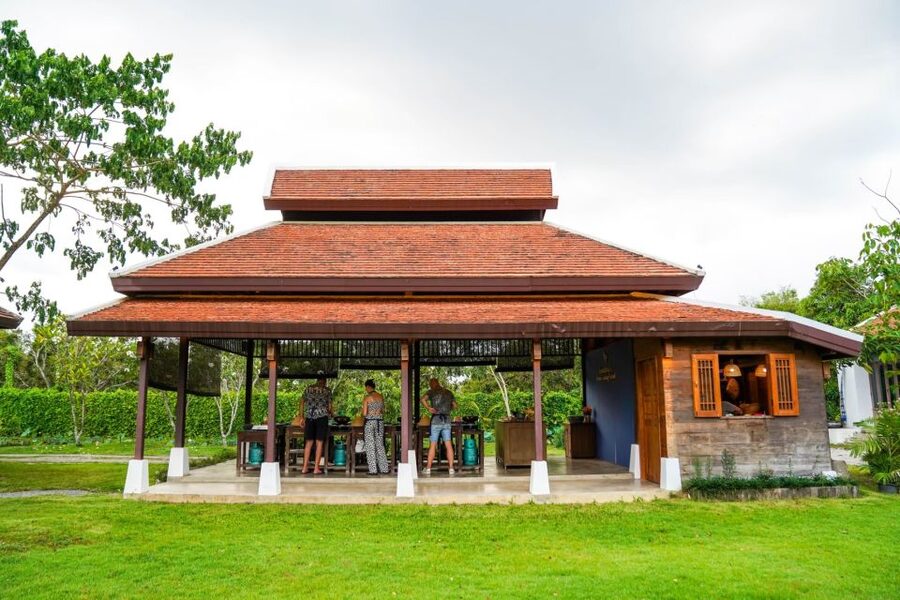
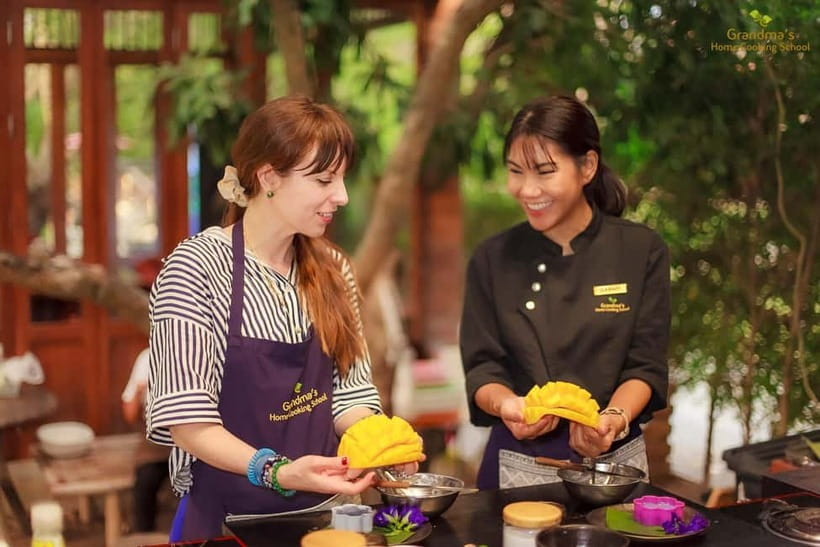
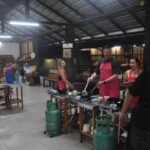
This class is set up like a working kitchen lesson, not a cooking demo. You cook at your own station, with step-by-step guidance from the instructor.
That structure matters. If you’ve tried Thai cooking before, you know the hard part isn’t knowing the dish name. It’s getting the sequence right—what goes in first, how long to stir, and when heat and seasoning become the difference between bland and brilliant.
What you cook
Menu options include Thai favorites such as:
- Pad Thai
- Pad Kra Prao
- Green Curry
- Red Curry
- Panang
- Tom Yum
- Tom Kha
- Som Tam
- Spring rolls
There’s also a strong emphasis on sauces and paste-making. You may make curry paste from scratch using a mortar and pestle, which is one of the fastest ways to understand how the same ingredients behave differently once ground properly.
Why the station format is worth it
When you cook at your own station, you can:
- Adjust as you go (more spice, more tang, less salt)
- Ask questions without waiting for your turn in a group
- Move at your own pace while still following the plan
One of the most common takeaways people bring home is confidence. Not just recipes, but the ability to recognize what’s happening in the pan and on the plate.
Khao Soi and Curry Paste: The Chiang Mai Moment You’ll Remember
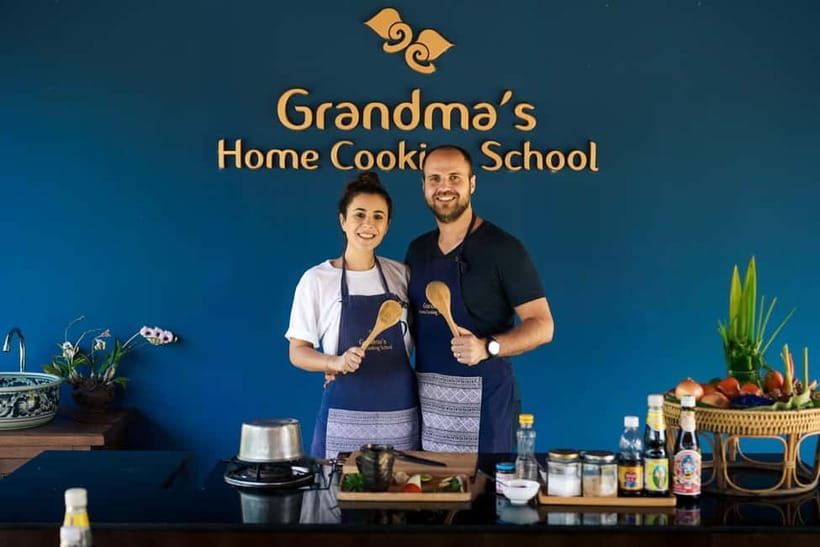
Khao Soi is Chiang Mai’s signature curry noodle soup, and here it’s treated as a highlight rather than an afterthought. You’ll learn how the curry base comes together and how it gets paired with noodles and toppings.
Just as important is the curry paste practice. When you grind ingredients with the mortar and pestle, it teaches you the difference between:
- Aromatics that stay sharp and separate
- Aromatics that blend into a smoother, deeper sauce base
If you’ve ever tasted a curry and wondered why yours didn’t reach that same level of flavor, this is where you close the gap.
What to do during the Khao Soi and paste parts
Pay attention to the texture targets your instructor describes. If you can remember the feel of the paste while you’re cooking, you’ll be able to recreate it later with better results.
And if you’re choosing between curries, consider your home cooking style. Tom Yum and Tom Kha lean bright and aromatic; stir-fries like Pad Kra Prao are fast and punchy. Khao Soi is the one that turns the whole experience into a Chiang Mai souvenir you can eat.
Desserts and Full-Day Coconut Milk: Mango Sticky Rice and the Grater Tradition
Food in this class doesn’t end when you finish lunch or dinner. It continues into dessert, and that’s where you see how the school balances sweet with the rest of the meal.
Mango sticky rice across sessions
Mango sticky rice is served in morning and afternoon classes. In full day and evening classes, you’re taught as part of the cooking plan as well.
Even if you think you already know mango sticky rice, watching how it’s taught (and how it fits into the meal sequence) helps you get the flavor balance right.
Coconut milk preparation in the full-day option
Full-day guests get an extra treat: making coconut milk the traditional way with a wooden grater. This matters because coconut milk isn’t just a creamy ingredient. In Thai cooking, it’s a texture and fat balance that affects how curries taste and coat.
If you want the most hands-on experience, the full day is the best pick. You get more time in the farm-to-kitchen flow and the extra step that explains why certain curries feel silky.
Drinks, Photos, and the Little Extras That Make the Day Easier
This is one of those classes where the extras keep you from thinking about logistics mid-meal.
You’ll start with a welcome drink, with options like Thai milk tea, Thai lemon tea, or butterfly pea flower tea. During the class, there’s also an herbal drink, and drinking water is available throughout.
Also watch for photography. Some sessions include a photographer, and photos are provided free of charge. If you like to document food learning, you’ll have a clean set of images without begging for them mid-cook.
And when you finish, you’re not leaving empty-handed. You get a digital recipe e-book.
A small heads-up
One guest noted issues with accessing recipes via a QR code, even though there is an e-book option. If you’re relying on QR access, just confirm you can open the digital materials on your device before you pack up.
Food Amount and the Real-Life Tip: Come Hungry
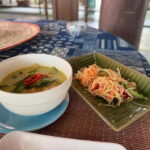
You cook multiple dishes, then eat the feast you create. Several people emphasize that you should not eat beforehand. That makes sense: you’ll work, you’ll taste, and you’ll sit down to a full meal at the end.
So here’s my advice for your day:
- Eat lightly in the morning if you’re doing an evening class
- For afternoon or evening sessions, plan a proper buffer so you’re not rushed
- Bring a plan to stay hydrated during the market and farm parts
Logistics That Affect Your Comfort: Pickup, Time Windows, and What to Expect
The day runs from about 210 minutes up to 7 hours depending on session length. Hotel pick-up and drop-off are included in an air-conditioned van for hotels within 5 km of the city center.
Pickup timing can vary by session. The info provided notes pickup around 3:30 to 4:00 PM, which usually lines up with afternoon/evening starts.
Consider the van comfort
A couple of comments point out that transport can feel snug. It’s not a dealbreaker, but if you’re tall or easily uncomfortable in tight seating, choose a session that fits your travel rhythm and dress for the weather.
Gluten-Free, Halal, and Vegetarian: How Flexible Is This Class?
This school is built for adapting ingredients. Vegetarian and Halal options are available if you tell them before class starts.
Dietary restrictions like gluten-free and allergies are also supported. In one case, a gluten-intolerant guest reported gluten-free soy sauce and oyster sauce being used. The important part is not the sauce brand. It’s that the instructor adjusts what’s needed before cooking begins.
My practical rule for you
When you book, list your needs clearly before the class starts. Then, early in the session, remind your instructor once. It’s the fastest way to make sure you’re cooking safely and eating confidently.
Who Should Choose Morning, Afternoon, Evening, or Full Day?
You’ll get different mixes of market time, farm time, and cooking coverage depending on session type.
Morning class
If you like a fresh start and want market learning plus cooking, morning works well. Mango sticky rice is served in the morning session too.
Afternoon class
Afternoon keeps the same core idea: market learning, cooking, and mango sticky rice served. It’s a good option if you want a daytime class but still want a relaxed morning in Chiang Mai.
Evening class
Evening tends to be the best choice if you want a dinner-making experience without losing the day to travel. You’ll learn mango sticky rice as part of the cooking, and you’ll cook and eat in one concentrated block.
Full-day option
Full day is your best bet if you want the most complete farm-to-kitchen storyline:
- More time on the organic farm
- Mushroom picking
- Coconut milk preparation with the traditional wooden grater
- A longer cooking and eating experience
If your priority is the farm experience, choose full day. If your priority is mastering core dishes quickly, choose morning or evening.
Price and Value: Is $34 a Smart Spend in Chiang Mai?
For $34, you’re paying for far more than a meal. You’re getting:
- Hotel pick-up and drop-off in an air-conditioned van (within the city limit)
- A guided market and/or farm portion depending on session
- Hands-on cooking at your own station
- Unlimited water and multiple drink options
- A digital recipe e-book
When you break it down, it’s not just “someone feeds you.” It’s a structured cooking lesson plus ingredient education plus a full meal created by your own hands. That’s why this one stays popular for both first-time Thai cooks and food lovers who want to go home with practical cooking skills.
Should You Book Grandma’s Home Cooking School in Chiang Mai?
Book it if you want a Thai cooking class that actually teaches you how flavor is built. The combination of a market ingredient walk, organic farm interactions (including eggs and mushrooms), and hands-on cooking at your own station is exactly the kind of activity that turns Chiang Mai into more than sightseeing.
Skip it or rethink your timing if you’re picky about transport comfort or you don’t do well with late-day pickup windows. Also, if you travel with children, note that kids under 10 are considered visitors and won’t have their own station unless booked at the adult price.
If you’re deciding between a “watch and eat” tour and a true skill-building class, this one is the skill-building option. You’ll leave with recipes, yes, but more importantly you’ll leave knowing what to look for in Thai ingredients and how to handle them in the pan.
FAQ
How long is the Chiang Mai cooking class?
It runs from about 210 minutes up to 7 hours, depending on which session you choose.
What dishes can I cook during the class?
You can cook a selection of Thai favorites such as Pad Thai, Pad Kra Prao, Green Curry, Red Curry, Panang, Tom Yum, Tom Kha, Som Tam, and spring rolls. Khao Soi is listed as a highlight.
Is hotel pick-up included?
Yes, pick-up and drop-off are included by air-conditioned van for hotels within 5 km of the city center.
Do they offer vegetarian or Halal options?
Yes. Vegetarian and Halal options are available if you tell them before the class starts.
Can they handle gluten-free or allergies?
They can adjust for dietary restrictions like gluten-free needs and allergies. You should let them know before the class starts.
What’s special about the full-day experience?
Full-day includes extra farm activities and the traditional coconut milk preparation with a wooden grater, in addition to the cooking class.