REVIEW · BALI
Ubud: Balinese Cooking Class at an Organic Farm
Book on GetYourGuide →Operated by Bali Farm Cooking School · Bookable on GetYourGuide
Cooking starts before you ever light the stove. That is why this Ubud experience feels grounded, not staged. I like the market tour with guide Depi, and I love that you leave with a recipe book you can actually use at home. One consideration: the farm is about an hour drive from central Ubud, so you may run into heavier traffic after the class.
I also like the pacing: you eat a light breakfast on arrival, tour the grounds, then harvest vegetables for your own menu before you start cooking. The open-air farm kitchen setup makes it feel like daily life, and instructors such as Chef Buda keep everything running smoothly while you learn classic technique.
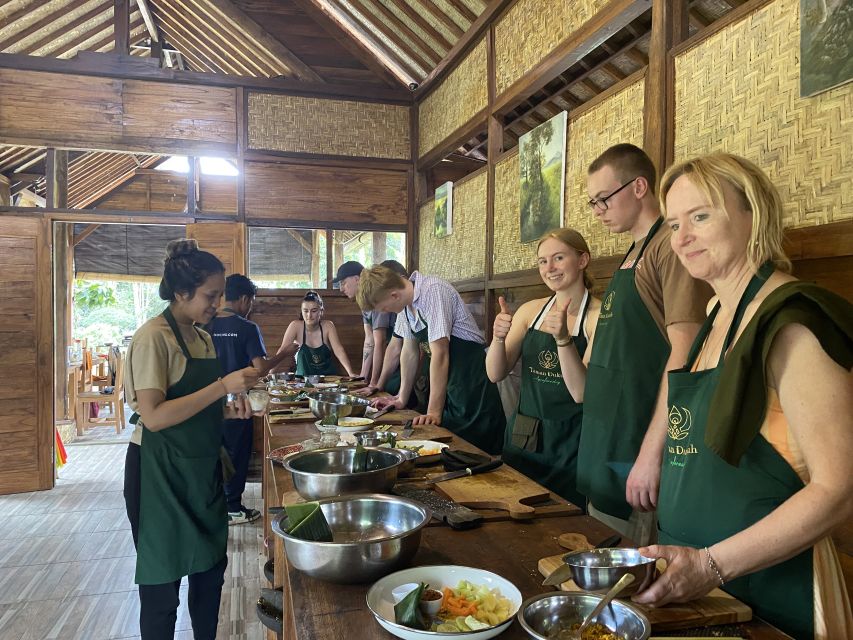
It is a small group class, max 14 people, and each cooking station is shared between two people. That is part of the charm and the logistics—expect teamwork at the counter, not a private workstation.
In This Review
- Key things I’d circle on your plan
- Why I’d start with the market before you cook
- Getting to the farm: shuttle, coffee, and an easy start
- Harvesting vegetables changes how you cook
- The open-air kitchen: hands-on learning without the fuss
- What you cook: 6 courses that build from spice to dessert
- Regular vs vegetarian: picking the menu that fits your day
- Timing, group size, and shared stations: how to get the best result
- Meals you cook and eat: expect a full day, not a snack
- Price and value: what $32 actually covers
- Who should book this Ubud cooking class
- Should you book Bali Farm Cooking School in Ubud
- FAQ
- How long is the cooking class in Ubud?
- Is the market tour included?
- What meals will I cook during the class?
- Do you offer a vegetarian menu?
- What is the group size?
- What drinks are included?
- Is this class suitable for wheelchair users or pets?
Key things I’d circle on your plan
- Market first, cooking second: you buy and taste ingredients early in the day.
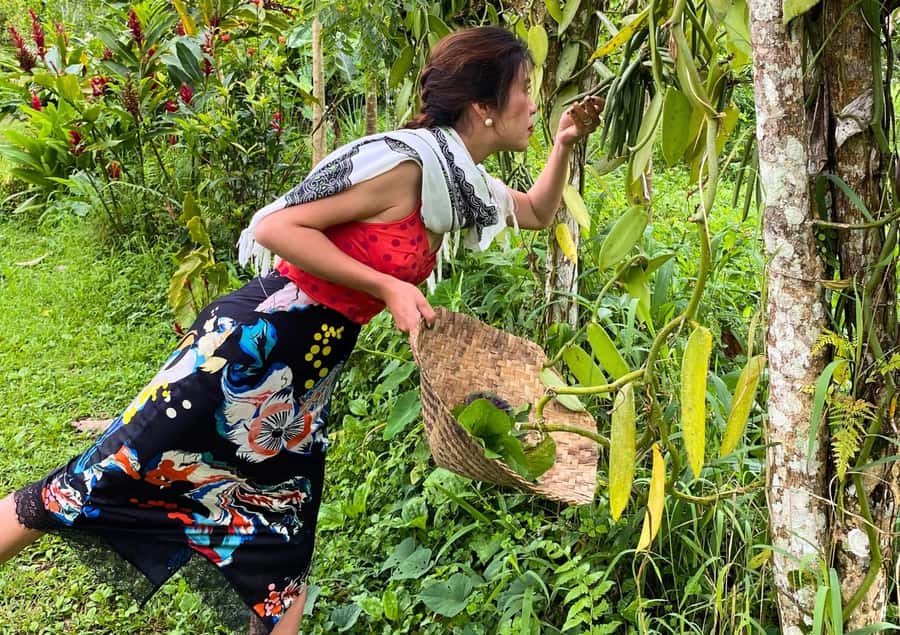
- Organic farm tour plus harvesting: you pick vegetables that go into your meal.
- Six-course Balinese menu: base spice paste to dessert, all hands-on.
- Shared stations in a small group: max 14 people helps keep it friendly and interactive.
- Recipe book you keep: you can recreate your dishes after you get home.
- Regular and vegetarian options: you still cover the core Balinese flavors.
Why I’d start with the market before you cook
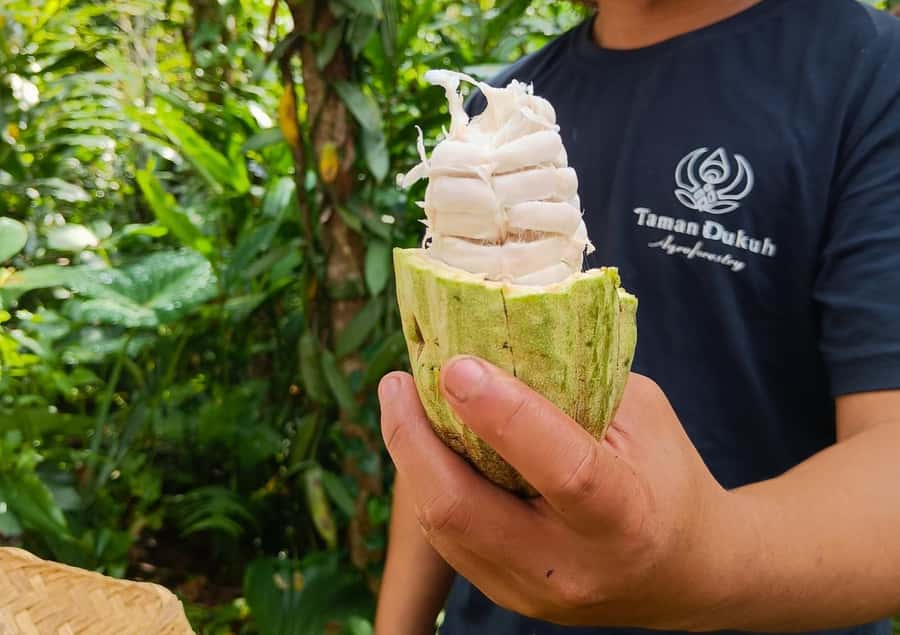
A big reason this class works is the sequence. You begin with a local market visit (morning classes), where you get the first taste of how Balinese families buy food: early, practical, and focused on what is fresh.
I like that the market part is not just sightseeing. You get to see produce and fruits up close, and you get context on ingredients you later cook with. People doing the morning option often love this because it sets the tone for the rest of the day, especially if you are trying to understand what people eat day to day in Ubud.
One practical point: the market is where you start learning the names and uses of ingredients you will eventually see on your cutting board.
Getting to the farm: shuttle, coffee, and an easy start
From your Ubud meeting point, you get a shuttle included. Meeting point details can vary depending on what you book, but the big idea is simple: you do not have to organize transport on your own.
When you arrive, you get a welcome coffee or tea and a light breakfast. Then you tour the premises, including how the family-run farm uses natural resources around them. This part matters because it connects the menu to real farming routines, not just a list of dishes.
After the orientation, you get introduced to the chef and the day’s flow. In real life terms, that means fewer surprises when you step into the kitchen and start working with spice paste, coconut, and fresh herbs.
Harvesting vegetables changes how you cook
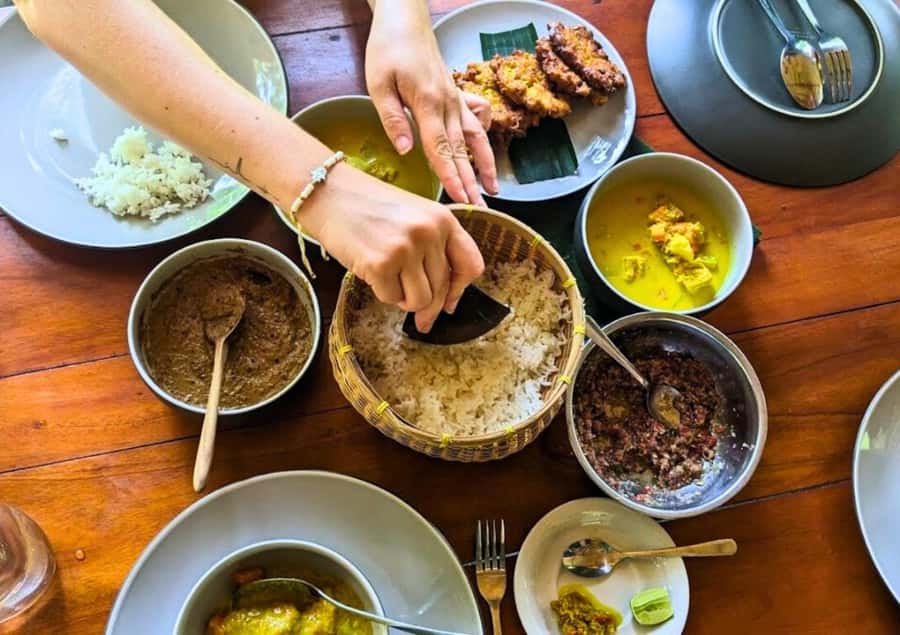
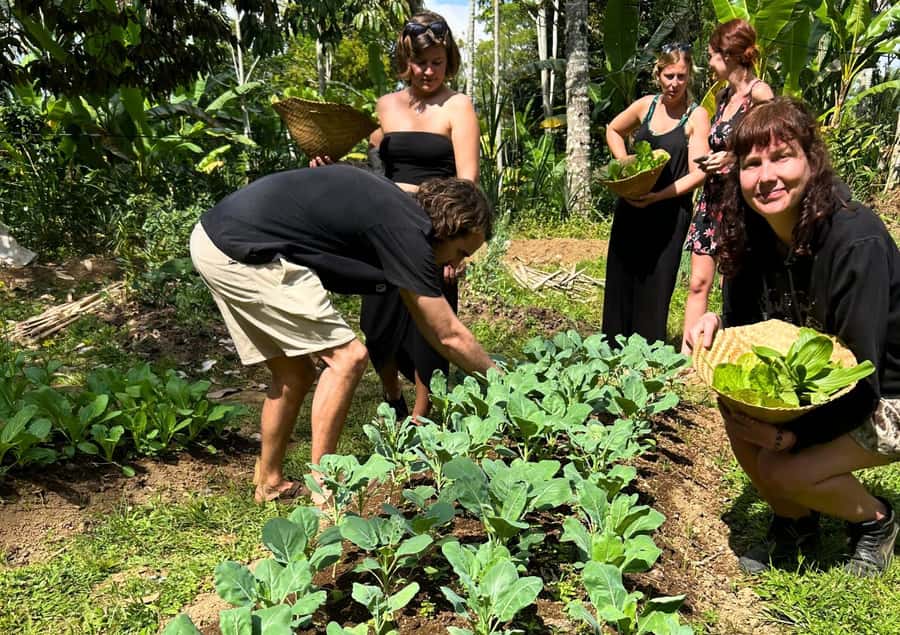
One of the best moments is picking your own vegetables on the organic farm. You do not just watch; you help collect some of the produce you will cook.
I like this because it makes the class feel tangible. When you harvest a vegetable yourself, you pay attention to texture, freshness, and what it turns into once cooked—especially with Balinese cooking, where flavor layers matter (spices first, then coconut, then balance).
The farm tour also helps you understand why the menu is built around certain ingredients. Even if you are a beginner, you walk away thinking in categories—green vegetables, herbs, coconut-based elements—rather than only following recipes.
The open-air kitchen: hands-on learning without the fuss
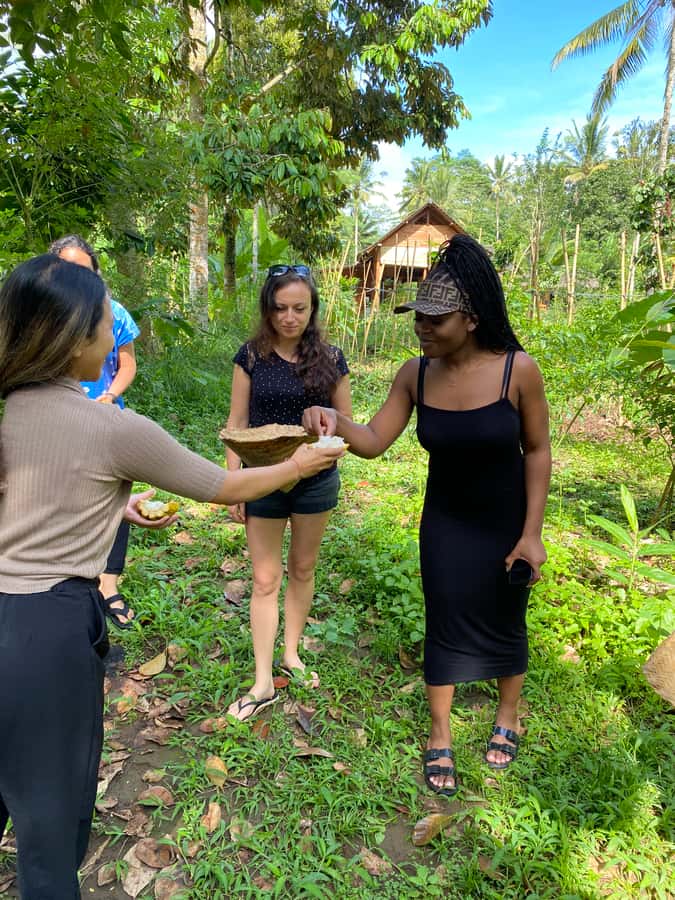
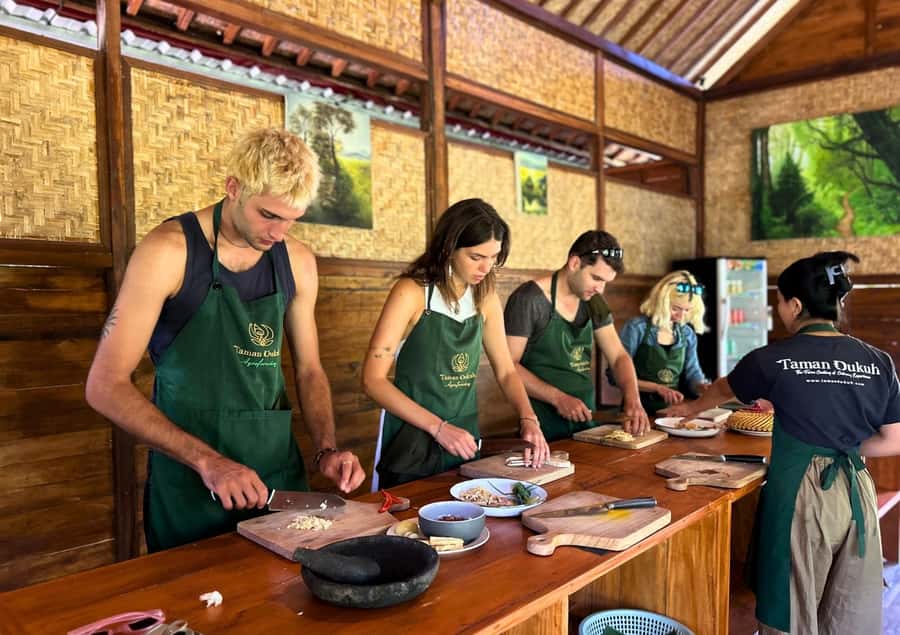
Cooking happens in an open-air farm kitchen. That setting is more than scenic. It keeps you involved because you are not stuck in a sealed classroom; you are working as part of the farm rhythm.
The class is set up for hands-on participation, and you cook six authentic Balinese meals. There are shared cooking stations, typically with two people per station. For me, this is a good trade: you learn faster when you are actively moving and asking questions, but you should expect to share space and swap tasks.
English-speaking guidance is part of the deal (the guide is listed as English and Indonesian). Many people highlight that the instructors explain clearly as you go, and you will be taught the steps rather than only given a final dish and told to copy it.
What you cook: 6 courses that build from spice to dessert
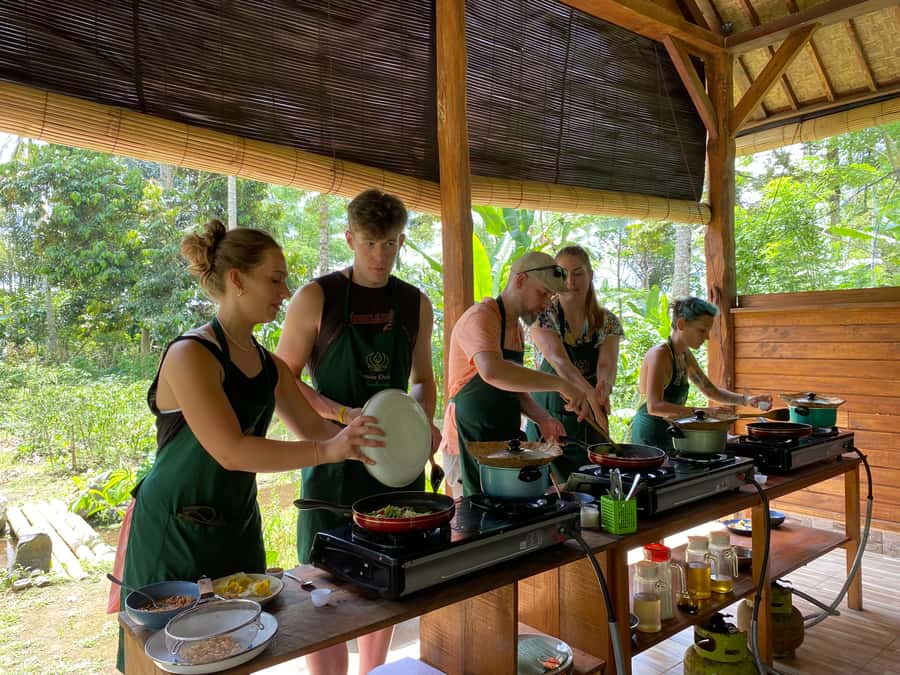
By the time you reach the stove, you are not just assembling ingredients. You are learning a system: start with spice paste, use coconut and seasoning thoughtfully, then balance savory mains with a sweet finish.
For the regular menu, the dishes typically include:
- Base Gede: a traditional Balinese spice paste (this shows up as a foundation).
- Sayur Urab: a mixed green salad with coconut and spices.
- Opor Ayam: Balinese chicken curry (learning how richness is made, not just added).
- Sate lilit: kebab made with meat, coconut, and spice paste (great for understanding texture and binding).
- Pindang base tomat: fish with tomato sauce.
- Tempe asam manis: sweet-sour tempe.
- Dessert: pisang goreng or bubur injin (banana fritters with coconut and palm sugar syrup, or black rice pudding).
What I like here is the variety. You get savory curries, spice-paste technique, a salad component, seafood flavors, and a plant-based dish (tempe). By dessert, you have a full meal arc that feels like a Balinese table, not a cooking demo.
For the vegetarian menu, you still start with the core foundations and replace the proteins:
- Base Gede again to keep the Balinese backbone.
- Gado gado: blanched vegetables with traditional peanut sauce.
- Opor tempe: Balinese tempe curry.
- Bergedel: fried corn with Balinese spices.
- Tempe asam manis: sweet and sour tempe.
- Vegan sate lilit: made with jackfruit and spice paste.
- Dessert: pisang goreng or bubur injin.
If you are vegetarian, I appreciate that the class does not just swap items randomly. The menu still trains you on technique—especially spice paste work and coconut-sweet-sour balance.
Regular vs vegetarian: picking the menu that fits your day
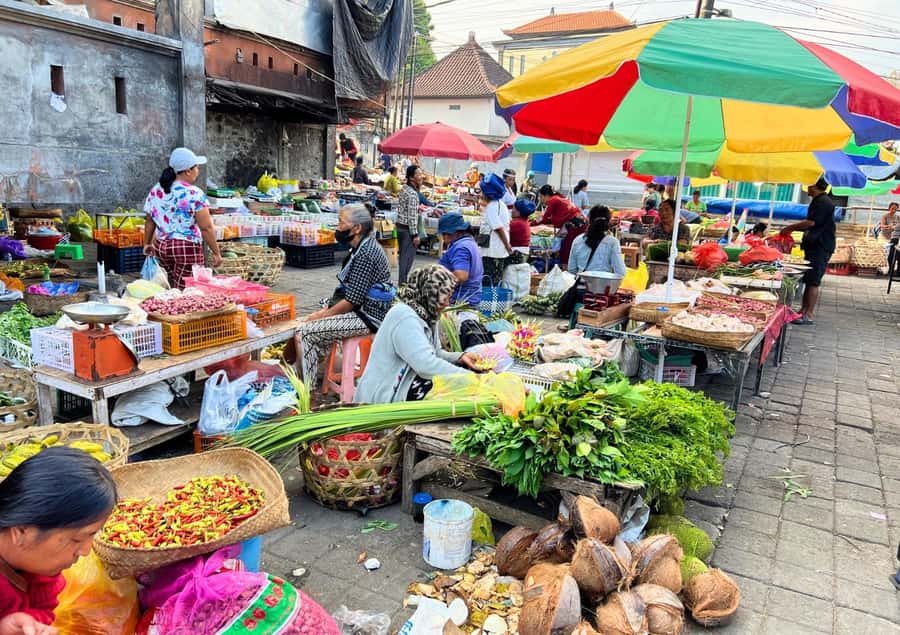
Choosing between the regular and vegetarian option comes down to what you want to taste and practice.
If you want the full spread of Balinese proteins, go regular. You will work with chicken curry flavors, fish with tomato sauce, and sate lilit’s classic kebab texture with meat and coconut.
If your goal is learning how Balinese cooking can stay deeply satisfying without meat, pick vegetarian. You still cook a curry-style tempe dish, you learn gado gado’s peanut sauce framework, and the vegan sate lilit with jackfruit lets you practice a similar spice-paste approach while changing the ingredient.
Either way, your hands stay busy across six courses. That is the main value here: you are not only tasting; you are building skill you can reuse.
Timing, group size, and shared stations: how to get the best result
The experience runs about 330 minutes, which is roughly 8 hours. That length matters because the class is not a quick recipe dump. You have time for market context, farm time, ingredient harvesting, prep steps, cooking, and eating what you make.
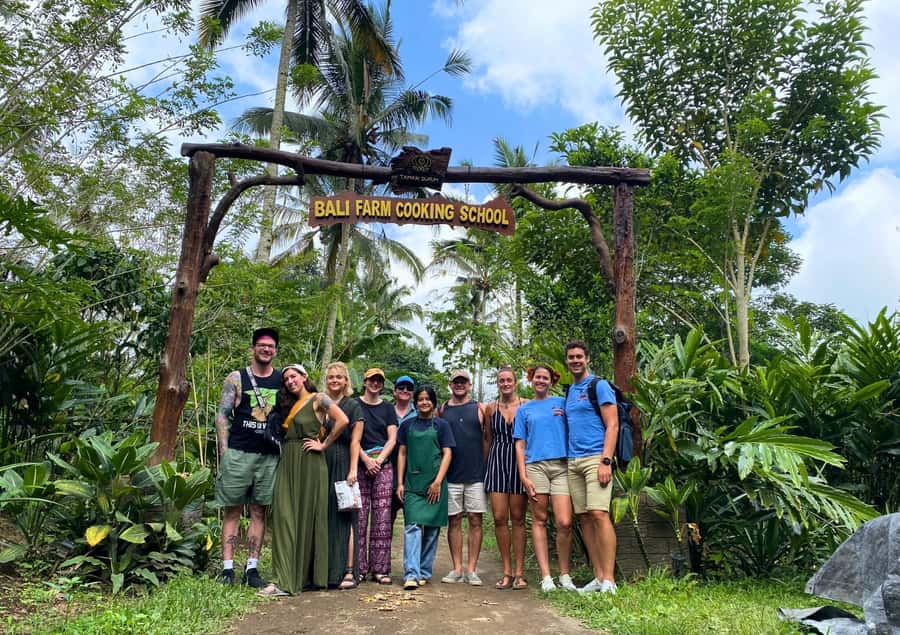
The group is small—maximum 14 people. Some sessions may include 2 or 3 groups, which is common for farm operations. What this means for you is that the farm kitchen may feel busy at certain points, but the class size is still small enough for personal attention.
With two people per cooking station, your best move is to be ready to collaborate. Take turns with tasks like chopping, mixing spice paste, shaping sate lilit, or managing heat. If you prefer solo cooking, this setup might feel less ideal, but it is also a fast way to learn because you will compare notes with your station partner.
Meals you cook and eat: expect a full day, not a snack
Included in the experience are the meals you cook. That is a big deal for value. You finish with a full lineup—starters, mains, and dessert—so you are not left hungry when you head back to Ubud.
Also included: mineral water plus coffee or tea during the class. Soft drinks and beer are available for purchase, which gives you a choice if you want something beyond the included drinks.
Some people also note that the hosts take photos or videos during the day. If you care about that kind of souvenir, bring a little enthusiasm for group snapshots and you will likely end up with something to remember.
Price and value: what $32 actually covers
At $32 per person, this is strong value if you compare it to what a meal plus a guided farm or market activity usually costs on its own.
Here is what you are paying for, directly:
- Shuttle from your Ubud meeting point
- Local market tour (for the morning class)
- Organic farm tour
- Harvesting fresh ingredients
- Hands-on cooking class
- Recipe book you keep, plus a downloadable PDF of the latest recipes
- Mineral water, coffee or tea during class
- The meals you cook
The money makes sense because the cost is spread across a long, structured day. You are not just eating; you are learning. And you are leaving with documentation (recipe book and PDF) that lets the learning travel home with you.
If you have only one day in Ubud and you want a meal that is both delicious and teachable, this is priced like a bargain.
Who should book this Ubud cooking class
I think this class is ideal if you want:
- a hands-on Balinese cooking lesson that covers 6 dishes
- a morning market start if you like early local culture
- organic farm context and a chance to harvest produce
- a vegetarian-friendly option that still teaches core technique
It might not be the best fit if:
- you need wheelchair access (the experience is listed as not suitable for wheelchair users)
- you travel with pets (pets are not allowed)
- you prefer fully private cooking stations (stations are shared between two people)
If you are the type who likes doing one meaningful activity instead of rushing through three half-days, this is a great match.
Should you book Bali Farm Cooking School in Ubud
I’d book it if you want a day where you learn real Balinese flavor logic, not just how to cook one dish. The market-to-farm-to-kitchen flow gives you a full storyline for why the food tastes the way it does. Add the recipe book you keep, and the cost stops feeling like a “tour tax” and starts feeling like a skill purchase.
Book the morning class if you want the extra texture of the local market and tastings before the cooking starts. Choose the vegetarian menu if you want to learn Balinese technique through tempe, gado gado, and jackfruit sate lilit.
If you are short on time or hate shared workspaces, consider the trade-offs. Otherwise, this is one of those Ubud activities that teaches you something you can repeat later, which is the best kind of souvenir.
FAQ
How long is the cooking class in Ubud?
The experience runs about 330 minutes, which is around 8 hours.
Is the market tour included?
Yes, the local market tour is included for the morning class option.
What meals will I cook during the class?
You’ll cook 6 authentic Balinese meals. The exact menu depends on whether you choose the regular menu or the vegetarian menu.
Do you offer a vegetarian menu?
Yes. The vegetarian menu includes dishes like gado gado, opor tempe, bergedel, and vegan sate lilit made with jackfruit, plus dessert.
What is the group size?
It is a small group experience with a maximum of 14 people per group.
What drinks are included?
Mineral water plus coffee or tea are included during the class.
Is this class suitable for wheelchair users or pets?
It is not suitable for wheelchair users, and pets are not allowed.