REVIEW · CHIANG MAI
Chiang Mai : Thai Cooking in Farm with a Local Train Trip
Book on GetYourGuide →Operated by Chiang Mai Smart Cook · Bookable on GetYourGuide
A morning train ride can fix your entire trip mood. This one pairs farm-to-table Thai cooking with a real local train trip and a market stop in Lamphun, so you’re not just copying recipes—you’re seeing where the flavors start. I especially loved the market browsing for fresh herbs and the way Mac (your English-speaking instructor) explains Thai balance while you cook.
One note to plan around: this experience is about food and learning, not drinking—beer and alcohol aren’t included, and alcohol isn’t allowed during the class.
In This Review
- Key Things I’d Put on Your Radar
- Local Train + Thai Cooking: Why This Format Works
- Pickup From Chiang Mai and the Lamphun Station Start
- Lamphun’s Old Market Stop: Herbs First, Questions Second
- Chama Dhevi Monument: A Quick Northern Landmark Break
- Arriving at Mac’s Home Area: Welcome Drinks, Menu Planning, and Garden Ingredients
- The Cooking Class With Mac: How Thai Flavors Get Built
- The Online Recipe Book (PDF) You’ll Actually Use
- Price and Value: Is $44 Really Fair for This Day?
- Who This Trip Fits Best (and Who Should Skip It)
- Should You Book This Chiang Mai Thai Cooking + Train Trip?
- FAQ
- How long is the Thai cooking and farm experience?
- What’s included in the price?
- Is beer or alcohol included?
- Do you need to speak Thai?
- Where do you get picked up, and when should you be ready?
- Is there a cancellation window?
Key Things I’d Put on Your Radar
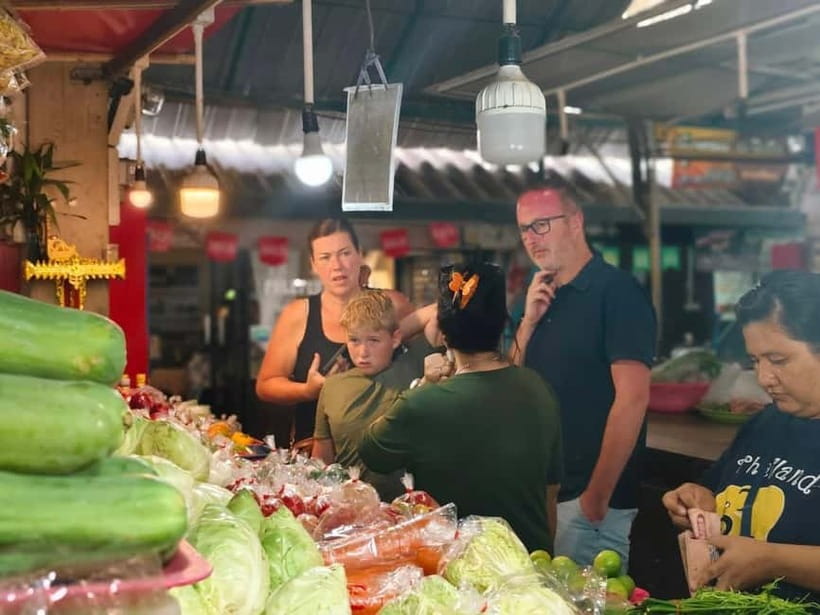
- Local train to Lamphun: a short countryside ride that makes the food part feel like an outing, not a classroom.
- Old market ingredient hunt: you’ll pick items you can actually recognize, not mystery “sauce bottles.”
- Organic herb and spice gathering: you may collect fresh greens from the family farm before cooking.
- Design-your-own menu time: you get to choose what you’re making, then build it step by step.
- Mac’s flavor logic: Thai cooking as a balance of salt, sweet, sour, and spicy, not just heat.
Local Train + Thai Cooking: Why This Format Works
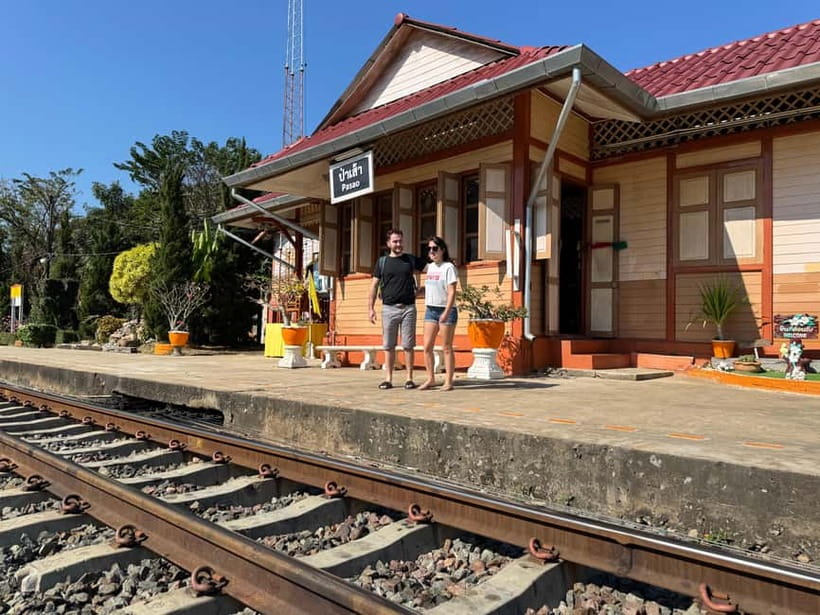
If you’ve ever done a cooking class that felt like you showed up, cooked, and left, this one changes the rhythm. You start with transportation by traditional Thai train, then you head into the ingredient world before the wok ever gets hot. That order matters. It turns cooking from a single skill into a full sensory lesson: smell herbs, see produce up close, talk with the people behind the stalls, and only then cook.
What also makes the day feel grounded is that it’s tied to a real household and farm routine. You’re not just learning technique—you’re learning how Thai home cooks treat herbs, spices, and fresh greens as daily essentials. In my mind, that’s the difference between a class you enjoyed and a class you remember.
The “farm-to-table” part also keeps you from relying on pre-packed ingredients. You’ll be working with what’s growing, what was picked, and what looks like it belongs in the flavors you’re building. And yes, you’ll likely smell like garlic, kaffir lime leaves, or chilies by the time you’re done—consider it a souvenir.
You can also read our reviews of more tours and experiences in Chiang Mai.

Pickup From Chiang Mai and the Lamphun Station Start
The day starts with hotel pickup. You’re asked to wait in the lobby about 20 minutes before the start time, so build in a little buffer. From there, you head to Lamphun by a short ride and then transfer to the station for the local train.
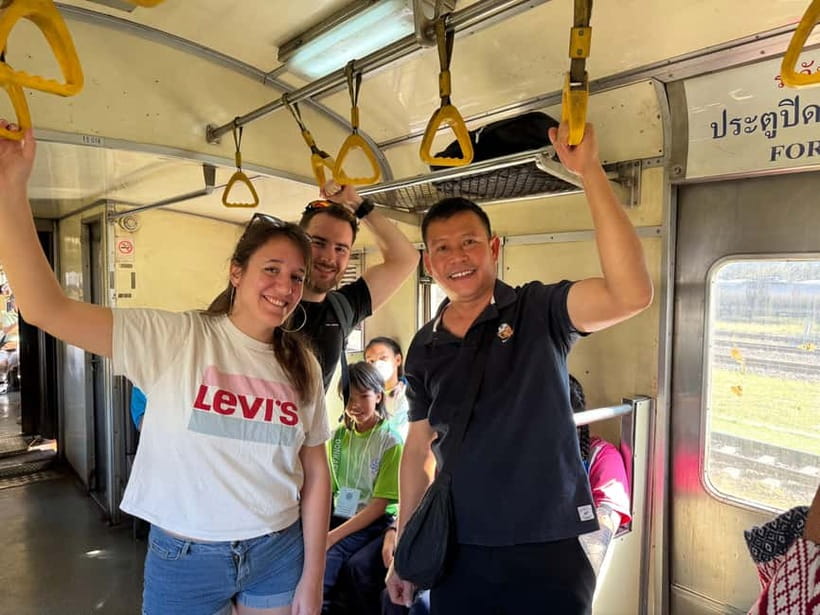
The train segment is about 20 to 30 minutes, which is perfect for most schedules. It’s long enough to feel like you left the city, short enough that you’re not exhausted before you start cooking. You’ll also get that countryside perspective that makes Chiang Mai day trips feel more than just driving around.
Practical tip: wear comfortable clothes. The itinerary is active, and you’ll be moving between public areas (the market) and outdoor or farm-adjacent spaces (where you’ll see fresh herbs and greens). Comfortable shoes will matter more than you think, because you’ll want your feet ready for standing, walking, and leaning in close to ingredients.
Lamphun’s Old Market Stop: Herbs First, Questions Second
Before you get to the family’s place, you stop at a very local and old market in Lamphun’s old city. This is where the day starts teaching you how Thai cooking really works: with ingredients you can identify and understand.
You’ll browse and shop for what you want to cook, with a strong emphasis on herbs. One of the best parts of a market stop is how it trains your eye. You notice differences—leaf shape, color, aroma intensity, and what looks tender versus fibrous. For many Thai dishes, that matters as much as the recipe itself.
Also, markets are where you’ll start asking the practical questions you can’t get from a list. Why this herb for this dish? What should you do with the stems? When do you mince versus tear? You might not leave with a full chemistry lesson, but you’ll leave with decisions you understand, which makes cooking later much easier.
Drawback to consider: if you hate markets or crowds, this stop could feel like a slow start. But if you’re even mildly curious about Thai produce—especially fresh herbs and greens—you’ll probably enjoy the ingredient hunting.
Chama Dhevi Monument: A Quick Northern Landmark Break
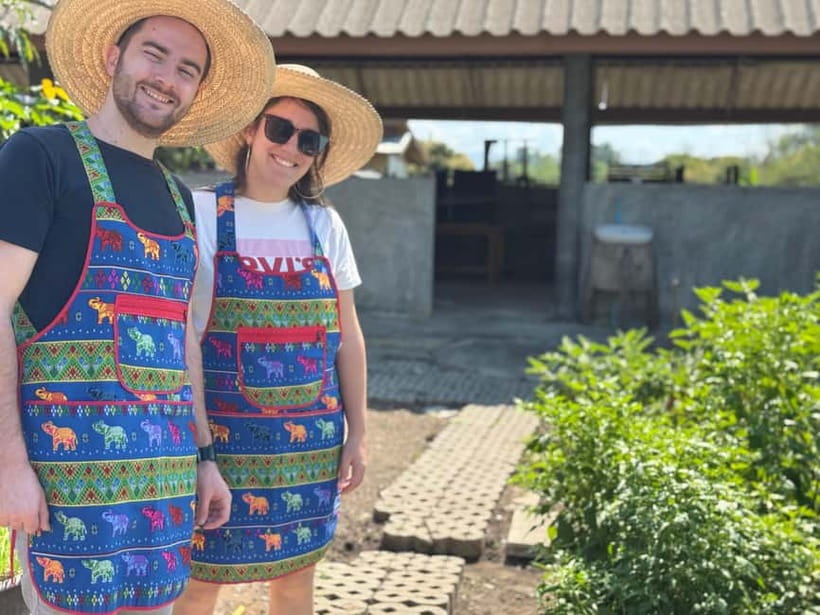
On the way from the station area toward the next part of the day, you’ll also have a sightseeing pause at Chama Dhevi monument. It’s described as a famous historical landmark for Lamphun, known as Northern Thailand’s oldest city.
This isn’t a long sightseeing tour. Think of it as a short “reset” so you don’t go from travel mode straight into cooking mode. It also gives you a sense of place. When the market and cooking feel tied to a specific community, the day feels more authentic and less like a scripted activity.
What I like about this kind of stop is that it breaks the cooking class monotony. You’ll get a real change in scenery and a chance to take photos or just look around for a few minutes, then move on with fresh energy.
Arriving at Mac’s Home Area: Welcome Drinks, Menu Planning, and Garden Ingredients
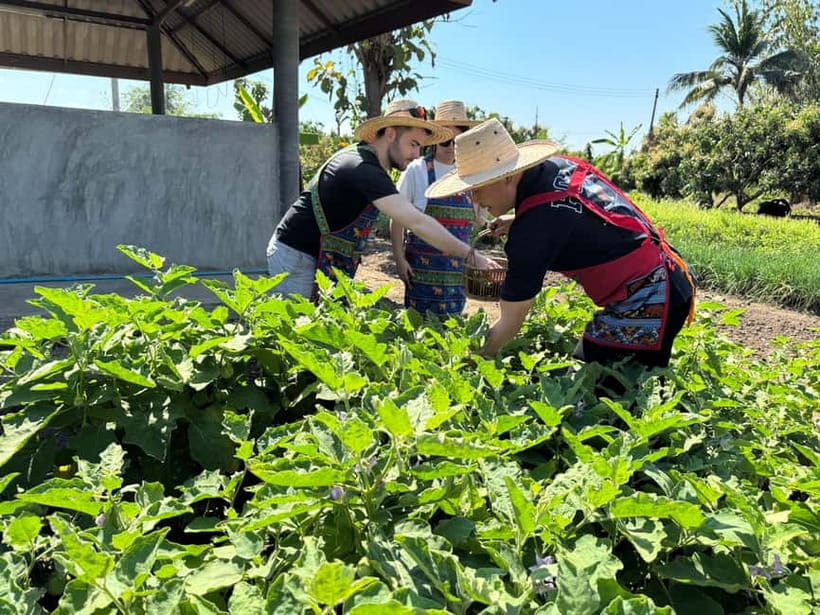
After the train and market pieces, you head to Mac’s home area in a small countryside village. This is where the day shifts from sourcing to prepping.
You’ll receive a welcome drink and snacks while you design your menu. That menu-planning time is more valuable than it sounds. If you walk in and cook whatever someone picks for you, you often forget what you chose and why. Here, you get to choose your favorites first, then match them to ingredients you’ll collect later.
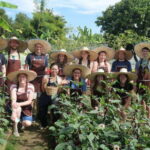
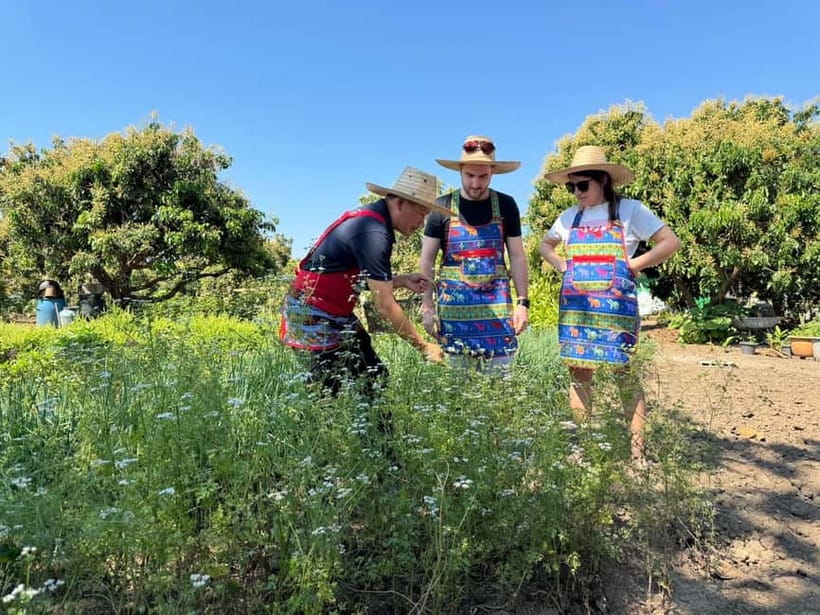
From there, you’ll collect fresh herbs and greens from the organic farm where the family grows kitchen ingredients for Thai cooking. The experience is described as an organic farm setting, with kitchen herbs, spices, and ingredients grown for cooking. You may also learn about the produce and how it fits into Thai flavor profiles.
Practical tip: when you’re selecting herbs and greens, pay attention to aroma. Thai cooking relies heavily on scent and freshness. Even if you don’t know the names of everything, you’ll start building memory for what you smelled when you cook later.
This is also where the day can feel educational without being heavy. It’s hands-on, practical, and focused on your actual cooking tasks.


The Cooking Class With Mac: How Thai Flavors Get Built
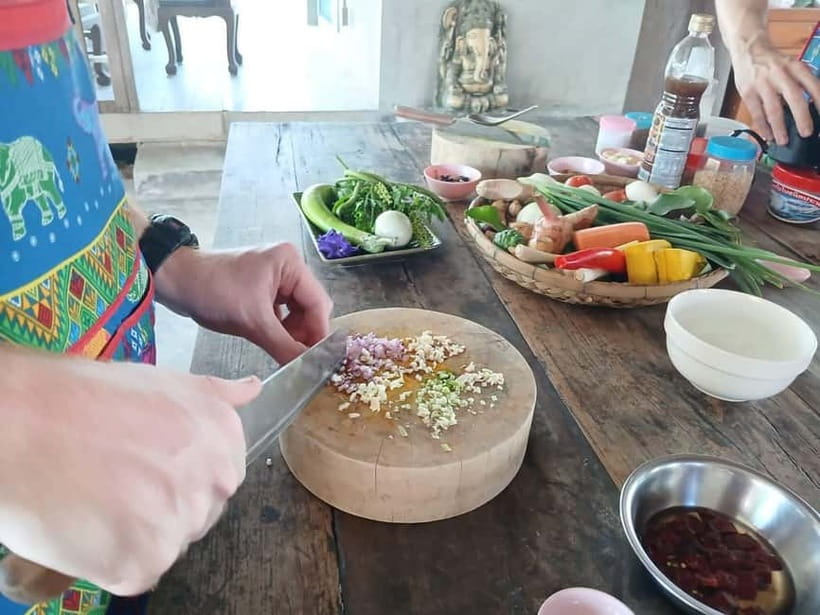
This is the heart of the experience, and it’s where you’ll likely feel the biggest “oh, that’s why” moments. Mac’s teaching style focuses on balance—especially the interplay of salty, sweet, sour, and spicy elements—and how subtle use makes Thai food taste layered rather than just hot.
That balance point matters for beginners. A lot of cooking classes teach you steps. Mac helps you understand logic. If you know why something is added and what it’s supposed to do, you can adjust when you’re cooking at home and your ingredients aren’t identical.
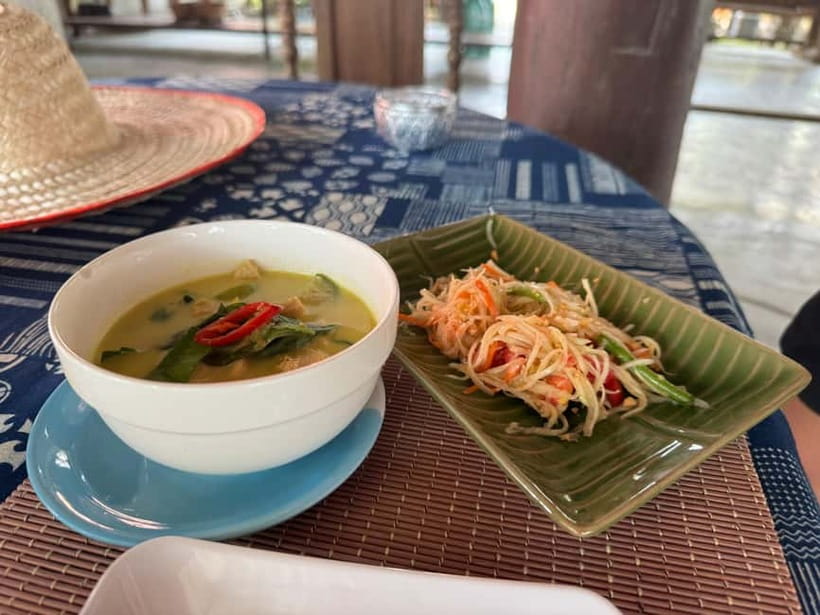
You’ll cook the dishes you planned during the menu session. You’ll also use ingredients collected from the farm and market sourcing. That full workflow makes it easier to connect cause and effect:
- Fresh herbs and greens change the aroma and texture.
- Choosing your sour element affects brightness.
- Managing salt and sweet creates the foundation for everything else.
If you’re a person who likes tasting as you go, you’ll probably enjoy this class. And if you’re not a confident cook, it still works, because the instruction stays tied to real decisions. You’re learning technique, but through meaning.
Also, because there’s an online recipe book provided afterward, you’re not trapped in the moment. You can keep the class in your kitchen later.
The Online Recipe Book (PDF) You’ll Actually Use
One of the included perks is an authentic Thai recipe book online in PDF format. The practical advantage here is timing. After your hands-on experience, the recipe is fresh in your mind. You’re more likely to replicate your dishes accurately because you remember the taste target.
Use the PDF as a tool, not just a souvenir. When you cook at home, compare your ingredients to what you handled during the farm and market stops. If you can’t find an herb you used, you can treat the recipe as a guide to flavor direction—what should be salty, what should be sour, where the chili heat should sit.
In my experience, cooking classes with only a printed ingredient list can feel incomplete. A recipe book gives you reference, but the market-and-farm day gives you context. Together, they help you cook more than once.
Price and Value: Is $44 Really Fair for This Day?
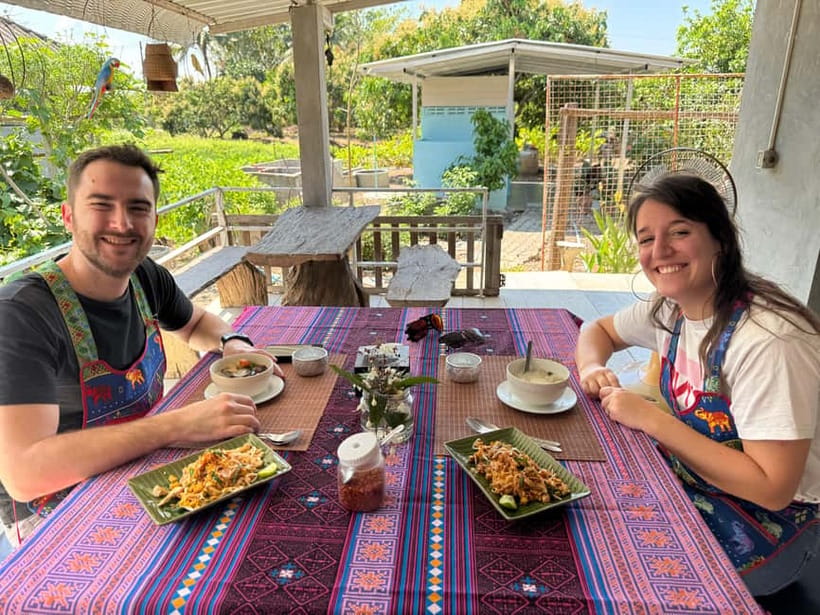
At $44 per person for a 5-hour experience, this looks like good value—mainly because it bundles a lot that many classes charge extra for. You’re not only paying for cooking instruction. You also get:
- free round-trip transportation to and from your hotel
- a local market tour and ingredient sourcing
- all ingredients for cooking and drinking water
- an English-speaking instructor
- an included local train ticket
- the online Thai recipe book (PDF)
If you’ve paid for cooking classes before, you know how quickly the true cost adds up when you factor in transport and ingredients. Here, those pieces are included up front, which makes it easier to budget the day and enjoy it without constant add-on thinking.
One practical consideration: the total day is about 5 hours, so it’s not a half-day “take your time wandering” style outing. It’s structured. If you like schedules that move, great. If you prefer slow travel, you might wish you had more time in the market or at the farm. But as a compact package, this is a strong deal.
Who This Trip Fits Best (and Who Should Skip It)
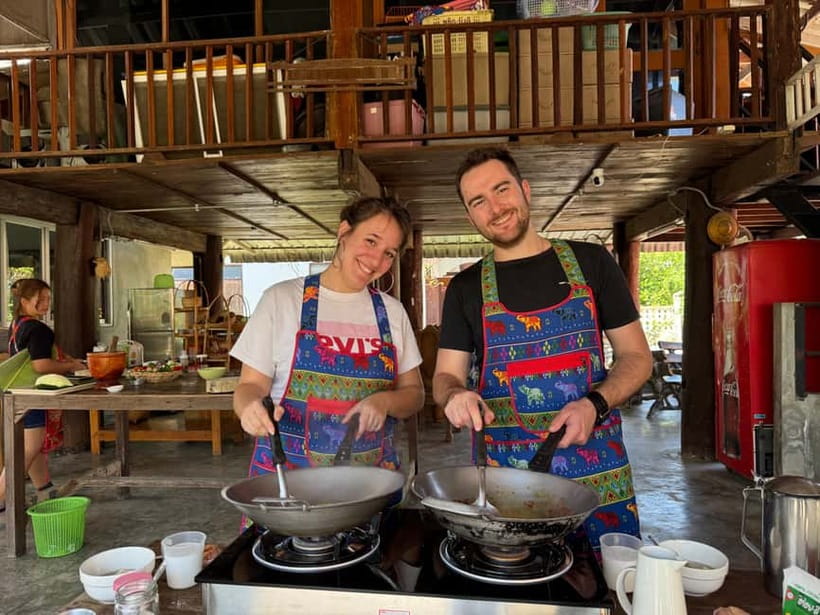
This experience is a great match for:
- food lovers who want to understand Thai flavor building, not only follow steps
- travelers who like ingredient shopping and want to recognize herbs and greens
- people who enjoy local transport and short trips outside the main city
It’s less ideal if:
- you want to drink alcohol during the activity (beer and alcohol aren’t included, and alcohol isn’t allowed)
- you dislike market stops or don’t enjoy moving around on foot
- you’re traveling with very young children or at the oldest end of the age range. The activity notes it’s not suitable for children under 5 and not suitable for people over 95.
Also, if you’re expecting a long cultural sightseeing day, this isn’t that. You’ll see a key landmark at Chama Dhevi monument and spend most of your time focused on cooking and ingredients, which is exactly what it promises.
Should You Book This Chiang Mai Thai Cooking + Train Trip?
If you want a cooking class that feels like a real day out—train ride, market hunting, farm-fresh ingredients, then cooking with a teacher who explains flavor balance—this is a strong booking choice. The included transportation and train ticket make it easier than planning the ingredients-and-local-transport combo yourself, and the PDF recipe book helps you keep the results beyond the 5-hour session.
I’d book it if you like hands-on learning and you want your Thai cooking to improve because you understand why flavors work. Skip it only if you strongly prefer culinary experiences without market time, or if you’re counting on alcohol or extended sightseeing.
FAQ
How long is the Thai cooking and farm experience?
The duration is 5 hours. Starting times vary, so you’ll need to check availability for the exact schedule.
What’s included in the price?
It includes free round trips transportation to and from your hotel, the local market tour, all ingredients for cooking, drinking water, the recipe book online (PDF version), and a local train ticket.
Is beer or alcohol included?
No. Beer and alcohol are not included, and alcohol isn’t allowed during the activity.
Do you need to speak Thai?
No. The instructor teaches in English.
Where do you get picked up, and when should you be ready?
Pickup is included from your hotel. You should wait at the lobby about 20 minutes before the start time.
Is there a cancellation window?
Yes. Free cancellation is available up to 24 hours in advance for a full refund.