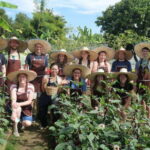
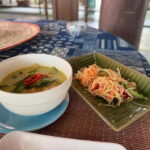
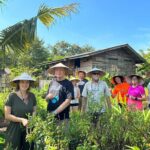
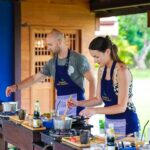
The smell of Thai herbs starts the day. At The Rice Barn Thai Cooking Farm Chiang Mai, you learn why Thai food tastes different by using the right ingredients at the right time. I like that the class is hands-on at your own station, not a sit-and-watch show, and you leave with a meal you can actually recreate at home.
One thing to plan for: alcohol isn’t included. You can buy it at the school, so if you want beer or cocktails, have a little extra budget ready.
In This Review
- Quick hits: what makes this Thai cooking class work
- Chiang Mai’s Rice Barn starts with a real ingredient lesson
- The market tour: where Thai flavor really comes from
- Hands-on cooking: you work, you taste, you adjust
- Choosing your menu: five different options, one full meal arc
- What you’ll actually do during the 6 hours
- Price and value: why this is a bargain (if you want real cooking)
- Where the small-group size really helps
- Practical tips so your day goes smoothly
- Who should book the Rice Barn Thai Cooking Farm class
- Final call: should you book this cooking class?
- FAQ
- How long is the Rice Barn Thai Cooking Farm class?
- Do they pick you up from your hotel?
- What’s included in the ticket price?
- Is alcohol included?
- Do I need cooking experience?
- How many people are in the group?
- Should I bring cash?
Quick hits: what makes this Thai cooking class work
- Market stop first so you see ingredients before you cook with them
- Your own cooking station means real practice, not observation
- A multi-course meal tied to a chosen menu (five courses is part of the experience)
- Fun, engaging instructors who teach with humor and clear guidance
- Pickup and air-conditioned transport that keeps the day stress-light
- Small group size (max 20) so the teacher can keep helping as you cook
Chiang Mai’s Rice Barn starts with a real ingredient lesson
If you’ve ever eaten Thai food in two different places and thought, why does it taste so different, this is where the answer starts to make sense. The Rice Barn class is designed around one core idea: Thai cooking isn’t just about which dishes you make. It’s about timing, freshness, and how ingredients work together once they hit the pan.
A big plus for me is that the day begins with a guided walk through the market. You’re not only shopping for fun. You’re learning what matters—things like which ingredients are used most often, how they look when they’re fresh, and why Thai kitchens rely on particular flavors. Even if you don’t memorize every detail, you’ll start building a mental map of common Thai staples.
Then the course transitions back to the kitchen, where that market knowledge becomes food. That flow matters. It turns the class into something practical instead of just a cooking performance.
You can also read our reviews of more tours and experiences in Chiang Mai.

The market tour: where Thai flavor really comes from
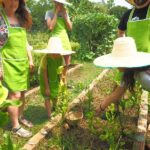
The market portion is where you get your ingredient context. Expect the teacher to take you through the market and explain essentials used in Thai cooking. The goal isn’t to speed-run sightseeing. It’s to help you understand what you’re buying and why.
I especially like this part because it connects the dots between fresh produce, aromatics, and the final taste of Thai dishes. You’ll see ingredients up close and learn how different items are used across the dishes you’ll cook later. That makes the kitchen part easier, because you’re not starting from scratch.
One practical tip: if you plan to buy any small extras during the day, bring Thai baht in cash. A review note like this comes up for a reason—small add-ons can happen, and cash keeps things simple.
Hands-on cooking: you work, you taste, you adjust
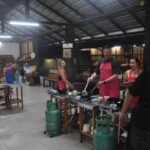
This class is built for doing, not watching. Each person commands their own cooking station. That means you’re actively cooking through the course, learning techniques by using them—not just by hearing about them.
In practice, that format does two important things for you:
- You get confident faster. Instead of reading recipes later and hoping you guessed right, you learn by repeating steps with guidance.
- You get feedback while cooking. If something needs adjusting, you can correct it in the moment.
You also get a kitchen rhythm that feels realistic. Thai cooking often moves fast: aromatics go in, sauces get balanced, and textures change quickly. Having everyone cooking at once forces you to pay attention in a good way. You’ll probably think about what you did after each step, which is exactly how you build real skills.
And yes, the vibe is light. Instructors are described as hilarious and engaging, with a positive, entertaining energy that helps when you’re trying new techniques. That matters more than it sounds. Thai cooking can be intimidating when you’re missing the timing cues. A good teacher keeps you from getting flustered.
Choosing your menu: five different options, one full meal arc
You can choose from five different and varied menus. This is a smart design for two reasons. First, it lets you match the dishes to what you want to eat in Chiang Mai. Second, it keeps the class from feeling like one fixed script.
What you can count on is that the course involves a multiple-variety set of classic Thai dishes. Reviews also point out that you’ll cook five courses of meals. So you’re not just making one dish and calling it a day. You’ll work through a progression that helps you learn how flavors show up in different styles—soups, stir-fries, curries, salads, and more (depending on your selected menu).
Here’s how this helps you at home. Once you cook the core foundations—like how Thai sauces are balanced and how aromatics behave—you can adapt the lessons to dishes you find later. Even if you don’t copy the exact menu, you’ll leave with a better sense of how Thai flavors are built.
What you’ll actually do during the 6 hours
The experience runs about 6 hours and follows a straightforward arc. It’s long enough to feel like a real food day, not so long that you burn out before you finish eating.
While the exact order may vary with your chosen menu, you can expect:
- Pickup and transport (when offered) via an air-conditioned vehicle
- Market tour with ingredient introductions and explanations
- Back to the kitchen for your hands-on cooking stations
- Multiple dishes through a multi-course format (five courses in the class flow)
- Enjoy what you cook, then return back to the meeting point
The best part of this structure is that it keeps your energy focused. You’re always moving toward the next dish, and you’re always cooking, not waiting. With a small group size, it’s also easier to get help when you need it.

Price and value: why this is a bargain (if you want real cooking)
At $29.35 per person for a roughly 6-hour, hands-on class, this is good value in Chiang Mai terms. You’re not just paying for instruction. You’re paying for ingredients, food materials, and the experience design that turns a market walk into a teachable cooking skill.
Included with your ticket:
- Coffee and/or tea
- Food and cooking materials
- Air-conditioned vehicle transport
Not included:
- Alcoholic beverages (you can buy at the cooking school)
So the math is pretty simple. If you want to eat a genuine Thai meal and also learn how to cook it, you’re getting both parts. And because the class is hands-on, the skill value is higher than a tour that just shows you where to eat.
One budgeting note from real-world experience: even when alcohol is not included, you might want a drink to go with your meal. Plan for a small extra amount if that matters to you.
Where the small-group size really helps
The class has a maximum of 20 travelers. That limit sounds like a technical detail, but it changes your day.
In a class this size, you’re more likely to get individualized guidance as you cook. You’re also less likely to feel stuck waiting for attention while the food cools or the next step moves on. And because it’s a cooking farm setting, the atmosphere feels more personal and less like a production line.
That makes the course a great fit if you’re:
- a first-time cook who wants structure,
- someone who’s curious about ingredients,
- or a foodie who wants to stop guessing and start understanding.
Practical tips so your day goes smoothly
Here’s what I’d do if I were planning your day around this class.
Bring:
- Thai baht in cash for any extra purchases. Reviews specifically call out having baht on hand.
- Comfortable shoes. You’ll move between the market area and the kitchen.
Go with:
- An open mind about Thai flavors and timing. You don’t need previous cooking experience, but you do need to pay attention and taste as you go.
- Curiosity. The instructor’s market explanations are the backbone of the cooking lessons.
Know:
- Alcohol isn’t included, so decide early if you want it and plan to buy at the school.
- The tour ends back at the meeting point, so you can plan your afternoon or evening without a long detour.
Who should book the Rice Barn Thai Cooking Farm class
This class fits best if you want more than a one-time meal.
You’ll love it if:
- you want hands-on Thai cooking, not a passive tour,
- you enjoy learning why dishes taste the way they do,
- you want a small-group setting in Chiang Mai with lots of interaction.
It may be less ideal if you:
- only want to take pictures and don’t plan to cook,
- hate being in a shared kitchen environment with other active participants.
Final call: should you book this cooking class?
If your goal is to learn Thai cooking you can repeat at home, this is an easy yes. The combination is strong: market ingredient context, a kitchen where you cook at your own station, and a multi-course meal flow that makes the lessons stick. For the price, it’s hard to beat.
Book it if you’re the type of traveler who likes to bring something useful home, not just photos. Skip it if you’re mainly looking for a show, because this one is built around you rolling up your sleeves and cooking.
FAQ
How long is the Rice Barn Thai Cooking Farm class?
The course lasts about 6 hours (approx.).
Do they pick you up from your hotel?
Pickup is offered, and the experience includes air-conditioned vehicle transport.
What’s included in the ticket price?
Coffee and/or tea are included, along with food and cooking materials.
Is alcohol included?
No. Alcoholic beverages are not included, but you can buy them at the cooking school.
Do I need cooking experience?
No cooking experience is needed. The class is designed so you can learn as you cook.
How many people are in the group?
The maximum group size is 20 travelers.
Should I bring cash?
It’s a good idea to bring Thai baht in cash for a few extra items, since some purchases may happen during the day.