REVIEW · CHIANG MAI
Cooking Class with Organic Farm in Chiang Mai
Book on Viator →Operated by Oh-Hoo · Bookable on Viator
Six dishes, one organic farm, big Thai flavor.
I like how this class mixes fresh ingredients with real cooking skills, not just watching. I also like the small-group setup (up to 12 people), so you’re not lost in the crowd.
One possible drawback: you choose six dishes from a long list, so you’ll want to decide what you really want before you’re standing at your station and time starts moving.
In This Review
- Key highlights worth planning around
- A 6-Hour Thai Cooking Day in Chiang Mai’s Countryside
- Getting There: Pickup Options and the Tha Phae Gate Start
- Market Visit: What You Learn Before You Start Cooking
- Organic Farm Time: Harvesting in 1.6 Acres
- Choose Six Dishes: The Menu Options That Matter
- Cooking Workflow: Curry Paste to Dessert (and how the stations feel)
- Eat What You Made, Then Take Home the Recipe Book
- Diet Flexibility, Including Vegetarian Substitutions
- Price and Value: Why $46.95 Can Be a Good Deal
- Quick Tips: Timing, Weather, and what to bring
- Should You Book This Class?
- FAQ
- How long is the cooking class in Chiang Mai?
- What time does the class start?
- Is pickup available from hotels?
- How many dishes will I cook, and can I choose them?
- What dishes can I choose from?
- Is the class suitable for vegetarian diets?
Key highlights worth planning around
- Market-first flow to understand Thai ingredients before you start chopping
- Organic farm harvesting from the school’s garden (1.6 acres and 20+ plant types)
- Cook at your own station and make six dishes from menus you pick
- Curry paste options include the full range: red, green, Massaman, Panang, and Khaw Soi
- Recipe book take-home so you can recreate your favorites later
- Vegetarian-friendly instruction is possible, including substitutions (ask early)
A 6-Hour Thai Cooking Day in Chiang Mai’s Countryside
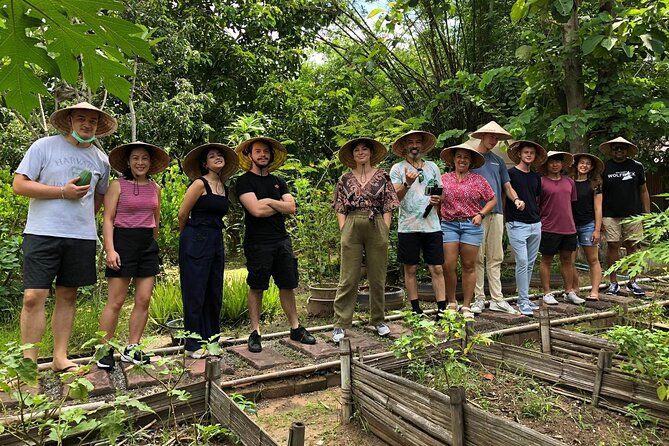
If you like food that feels personal, this kind of class works well. The day is built around a simple promise: you learn Thai basics, then cook real dishes using ingredients you can point to—herbs, vegetables, and other items grown on-site or selected along the way. You’re in the hands-on zone for most of the time, which is exactly what I look for in a cooking class in Thailand.
You’ll be cooking six dishes total, and that choice is part of the fun. Do you want a classic mix like Pad Thai and Tom Yum? Or go deeper with curry pastes and a dessert? Either way, the format pushes you to understand why Thai flavors work together: sour, salty, spicy, and fragrant.
This is also a good fit if you want a break from temples and night markets. You still get culture—just through ingredients and technique instead of souvenirs.
You can also read our reviews of more tours and experiences in Chiang Mai.

Getting There: Pickup Options and the Tha Phae Gate Start
The class starts at 9:00 am and runs about 6 hours. That early start matters in Chiang Mai because you’ll want full energy for the market walk and the farm portion before cooking heats up.
The meeting point is near Tha Phae Gate, which makes the start easy to align with your day. At the same time, the experience includes pickup offered and round-trip transfers from hotels in Chiang Mai city, so you may not need to fight traffic or taxis in the morning.
Group size is capped at 12 people, which usually means less waiting and more instructor attention. It also tends to make the day feel calmer when you’re switching from tasting and prep to actual cooking.
Tip: if you’re staying close to Tha Phae Gate, you’ll likely find the timing straightforward. If you’re farther out, confirm the pickup details ahead of time so you’re not guessing.
Market Visit: What You Learn Before You Start Cooking
The day begins with a local market stop. This is where you get context: you see the traditional way of shopping and the ingredients that show up in Thai kitchens every day. Even if you’ve eaten Thai food before, the market makes the flavors feel less mysterious.
You’ll be looking at ingredients and herbs you’ll later cook with, and that helps your brain connect the dish to its parts. The value here is practical. Thai cooking isn’t just following a recipe—it’s knowing what to grab, how it smells, and what it does in a dish.
After the market, you head to the organic farm. That transition matters. You’re not jumping straight into cooking without knowing what you’re holding. By the time you reach the farm, you’re ready to pick and use ingredients with purpose, which makes your results taste better.
Organic Farm Time: Harvesting in 1.6 Acres
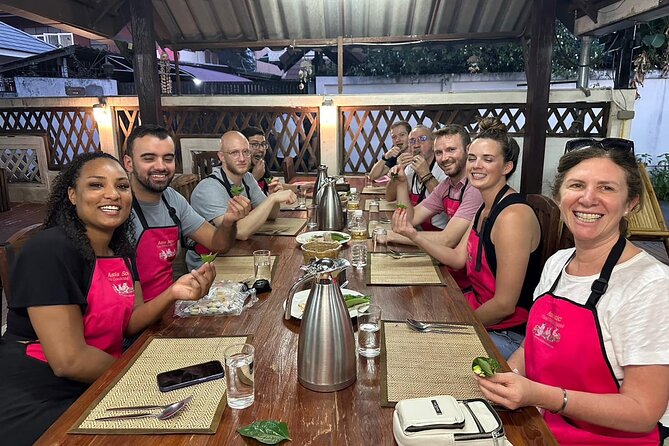
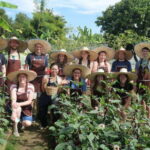
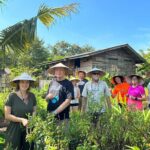
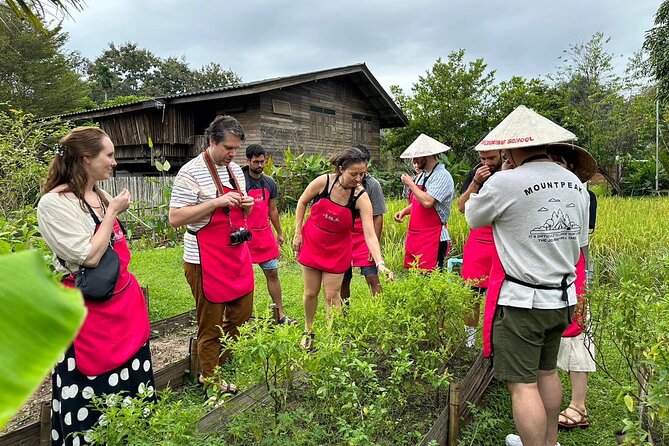
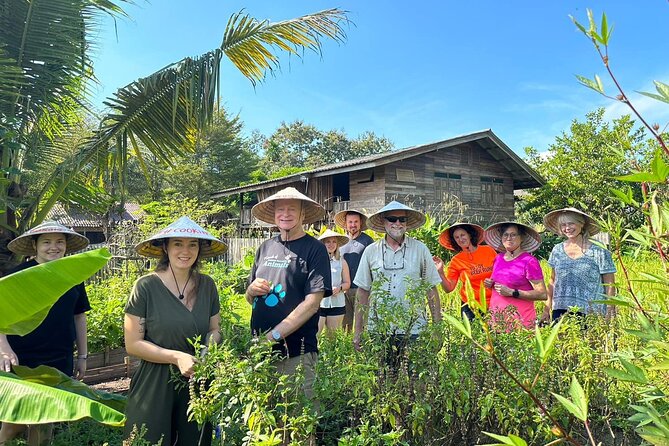
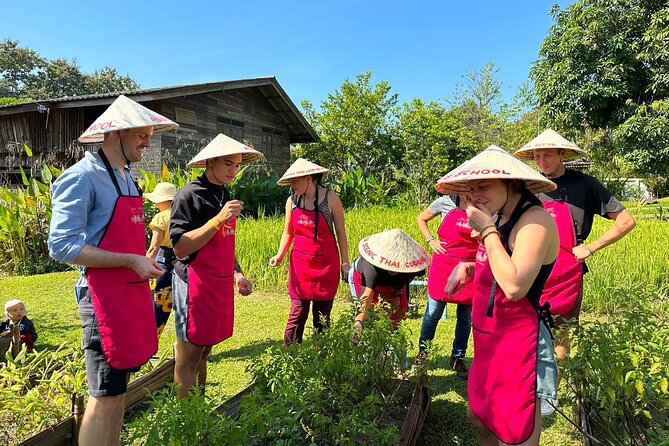
At the farm, you’ll explore the school’s growing area: 1.6 acres with over 20 types of plants. This is more than a photo stop. You’ll taste fresh herbs and learn what’s grown on-site, then use those ingredients in your cooking.
Why this matters: when you pick ingredients yourself, you naturally pay attention to freshness. Thai herb flavors are noticeable when they’re freshly cut. The difference between dried and fresh is huge, and the farm time sets you up to notice that.
The farm setting also makes the cooking portion feel more grounded. Instead of feeling like you’re in a studio kitchen, you’re learning in a living system—soil, plants, and seasonal produce. It’s a refreshing change from “demo kitchen” classes.
If you’re thinking about vegetarian eating, this farm-and-market approach can be especially helpful. You’ll have a clearer sense of what herbs and vegetables can anchor a meal even without meat as the center.
Choose Six Dishes: The Menu Options That Matter
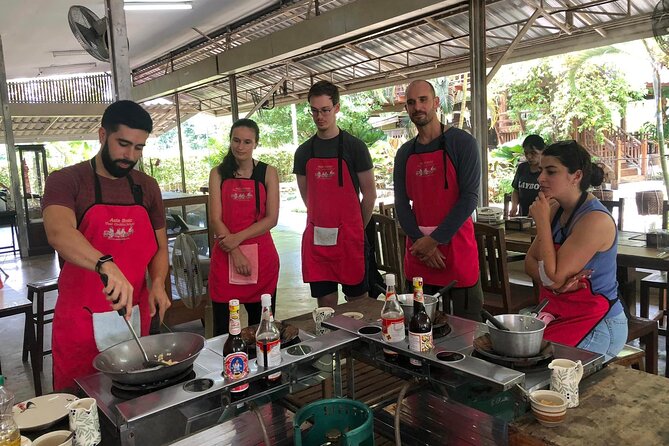
You get to choose six dishes from a set menu. This is one of the main reasons the class feels personal. Instead of being forced into one version of Thai food, you build your own lineup.
Here are the dish categories you can pick from:
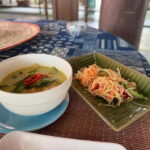
- Salads: Spicy Chicken Salad, Papaya Salad, Glass noodle Salad
- Stir-Fried: Pad Thai, Pad See Uw, Hot Basil Stir Fried, Cashewnut With Chicken
- Soups: Coconut Milk Soup, Tom Yum, Tom Sab
- Curry Paste: Red, Green, Massaman, Panang, Khaw Soi
- Curry: Red Curry, Green Curry, Massaman Curry, Panang Curry, Khaw Soi
- Dessert: Deep Fried Banana, Banana In Coconut Milk, Sticky Rice With Mango
A quick strategy I’d use: don’t pick all the same flavor profile. If you choose a curry paste, consider pairing it with a lighter dish like a salad or a soup so you get contrast on your palate. If you love heat, add one spicy soup like Tom Yum or a spicy salad option.
Also remember this is a full day. Cooking six dishes means you’ll be actively working at your station. When you choose, pick the dishes you actually want to eat—not only the ones that sound impressive.

Cooking Workflow: Curry Paste to Dessert (and how the stations feel)
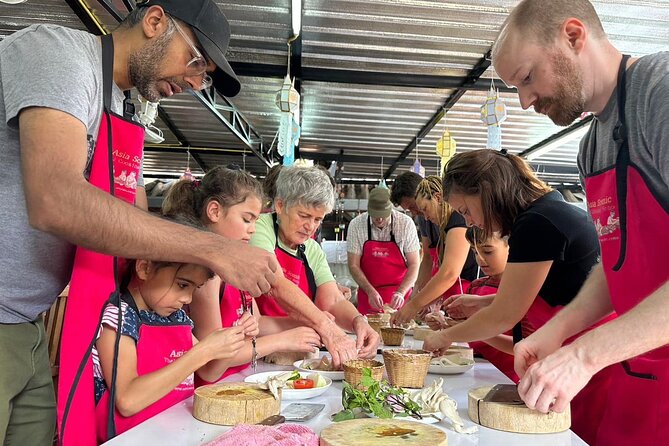
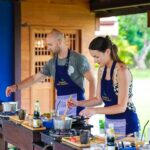
Once you’re at your cooking station, the class runs like a guided production line—but with teaching. You’ll cook at an individual station, and you’ll be using ingredients you picked or selected earlier. The goal isn’t just to plate something. It’s to learn the basics of Thai technique so you can repeat it later.
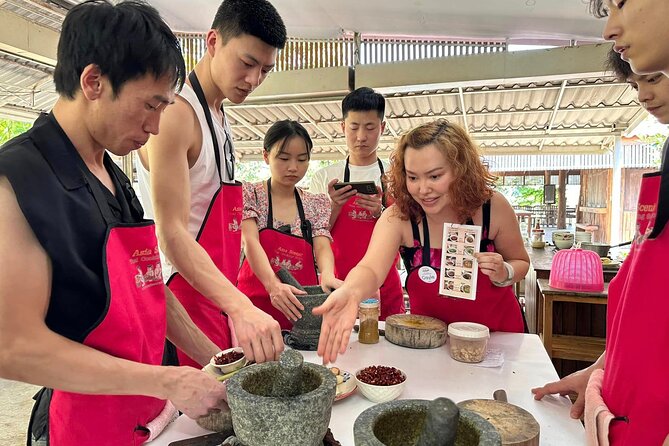
Curry paste choices deserve special attention. Options include red, green, Massaman, Panang, and Khaw Soi, and those pastes shape the dish in a big way. If you’ve ever wondered why one curry tastes earthy while another feels bright and sharp, learning paste-making—or at least the way the paste drives flavor—is where the mystery starts to make sense.
Your lineup might include soup like Tom Yum or Tom Sab, which helps you understand sour and aromatic balance. Stir-fries like Pad Thai or Pad See Uw show how Thai wok heat and timing work. And when you finish with dessert such as sticky rice with mango or banana-based sweets, the day feels complete instead of heavy.
Because the group cap is small, you’re less likely to get stuck waiting. If you want maximum learning time, this format is a big plus.
Eat What You Made, Then Take Home the Recipe Book
After you cook, you eat the results. That sounds obvious, but in practice it’s a big value point: you can adjust your expectations as you taste. Thai food is all about balance, so being able to taste your own dishes right away helps you understand what changes you’d make next time.
You’ll also receive a recipe book to take home. This is practical. Cooking classes are common; helpful take-home instructions are what makes them worth it when you’re back in your kitchen.
What to look for in the book (so you can use it later): whether it explains ingredient roles and the logic behind ordering steps. Even if your Thai cooking setup is basic, understanding why something goes in at a certain moment helps you replicate flavors.
I like that you leave with more than a memory. You leave with something you can actually use for weeknight cooking.
Diet Flexibility, Including Vegetarian Substitutions
If you eat vegetarian, this class can still work. One of the standout notes from past guests is that instructors can accommodate vegetarian preferences with substitutions. In other words, you’re not automatically locked into meat-heavy versions of Thai dishes.
That doesn’t mean every dish becomes vegetarian automatically. Thai cuisine often relies on broth and seasoning, so substitutions may affect flavor slightly. The good sign here is the instructor response: they can adjust and teach so you still learn the dish idea, not just the ingredients.
If you’re vegetarian (or eating with restrictions), I recommend you communicate your preference when you book or at the start of the day. Don’t wait until you’re already committed to a dish plan.
This class also gives you lots of vegetable-forward options through salads and herbs, which can make vegetarian versions feel more natural than you might expect.
Price and Value: Why $46.95 Can Be a Good Deal
At $46.95 per person, this class isn’t just about paying for entertainment. You’re paying for several concrete parts:
- a full 6-hour guided day
- a market visit that sets up ingredient knowledge
- farm harvesting and time in a real growing area
- cooking six dishes at your station
- a recipe book you take home
- pickup/timing help through transfers and a clear start point
If you break it down, you’re getting more than a single meal. You’re getting a structured learning day with ingredients and instructions, and you’re leaving with the ability to remake what you cook.
Compared with classes that only cook a couple of dishes, six-dish days are often where the value feels right—especially in a country where Thai ingredients are plentiful and easy to source once you know what to ask for.
Quick Tips: Timing, Weather, and what to bring
This experience depends on good weather. If weather turns, you may be offered an alternative date or a full refund. That’s normal for outdoor or farm-based programs, and it’s worth keeping in mind if you’re planning around a tight Chiang Mai schedule.
Because it runs about 6 hours starting at 9:00 am, plan breakfast but keep it light. You’ll be eating what you cook later, and you’ll want your energy for chopping and stirring.
Wear something comfortable for farm walking and hot weather. Bring water if it’s allowed and easy to access. If you have a favorite dish category, arrive with a short plan in mind—salad plus curry, or stir-fry plus soup plus dessert—so you don’t lose time deciding once you’re there.
Should You Book This Class?
Book it if you want an active Thai cooking experience where ingredients matter. It’s a great choice for food lovers who want skills they can repeat, not just a one-time meal. The small group size and the option to choose six dishes make it feel like your day, not a fixed script.
Skip it if you’re looking for a relaxed, passive tour. This is work—real prep, real cooking, and you’ll be busy from the market walk through the final plates.
Also, if you’re traveling with kids, note that the class supports children ages 5–11, but confirm how substitution and pacing work for your child’s needs.
If you want a solid Chiang Mai experience that mixes culture, shopping, farm time, and real cooking output, this is a strong bet.
FAQ
How long is the cooking class in Chiang Mai?
It runs for about 6 hours.
What time does the class start?
The start time is 9:00 am.
Is pickup available from hotels?
Yes. Pickup is offered, and the experience notes round-trip transfers from hotels in Chiang Mai city.
How many dishes will I cook, and can I choose them?
You’ll cook six dishes, and you can choose them from the listed options across salads, stir-fried dishes, soups, curry paste, curry, and desserts.
What dishes can I choose from?
You can choose from options including Papaya Salad, Glass noodle Salad, Pad Thai, Pad See Uw, Hot Basil Stir Fried, Cashewnut With Chicken, Coconut Milk Soup, Tom Yum, Tom Sab, curry pastes like Red/Green/Massaman/Panang/Khaw Soi, curry options like Red/Green/Massaman/Panang/Khaw Soi, and desserts like Deep Fried Banana, Banana in Coconut Milk, or Sticky Rice With Mango.
Is the class suitable for vegetarian diets?
There’s at least one documented case where a vegetarian guest received accommodating substitutions from the instructor, so it’s possible to adapt. It’s smart to mention your diet preference when booking or at the start of the class.