REVIEW · CHIANG MAI
From Chiang Mai: Temples, Sticky Waterfall, and Orchid Farm
Book on GetYourGuide →Operated by CHIANGMAI SIAM TRAVEL LTD.,PART. · Bookable on GetYourGuide
One day, two very different sides of Chiang Mai. This tour strings together sacred temples and a hands-on nature stop, then ends at the limestone sticky waterfall you can actually climb.
I especially love how the day starts at Wat Pha Lat, a calmer jungle temple with a Thai-Burmese flavor, before you switch gears to the big-view drama of Doi Suthep. Another standout for me is the Bua Tong section, because you’re not just looking from the edge—you’re moving, splashing, and earning those photos. One consideration: it’s a long 7–8 hours with real walking and temple dress rules, so bring the right clothes and don’t plan to do this in flip-flops only.
If you’re doing Chiang Mai for the first time, this is a strong mix of culture and active fun without feeling like a marathon. You’ll get an English-speaking guide, air-conditioned pickup, and a day plan that takes you outside the city rather than keeping you in the same neighborhoods. The only drawback I’d flag is the itinerary switches on specific dates, since Wat Pha Lat access is temporarily suspended from 22–24 January 2026 (Wat Umong is visited instead).
Key highlights to know before you go
- Wat Pha Lat jungle atmosphere: a peaceful temple setting with Thai-Burmese-style construction
- Doi Suthep’s panoramic payoff: temple complex views plus the Golden Pagoda and relic story
- Orchid and butterfly farm education: cultivation details plus plenty to photograph
- Bua Tong Sticky Waterfall climbing: limestone steps you can go up and down (with the right footwear)
- English-speaking guides: praised for clear temple explanations and flexible pacing on private/small-group days
In This Review
- Temple calm meets sticky waterfall energy
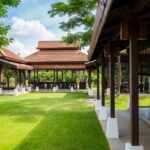
- Wat Pha Lat: the quieter temple that sets the mood
- Doi Suthep and the Golden Pagoda: views plus a relic story
- Orchid and butterfly farm: more than just pretty photos
- Lunch stops built into the farm day
- Bua Tong Sticky Waterfall: the climb is the point
- The 7–8 hour loop: pace, transport, and how to fit it to your day
- Price and value: what $80 buys you in real time
- Who this tour suits best (and who might skip it)
- A quick note on the Wat Pha Lat schedule switch in 2026
- Should you book this Chiang Mai tour?
- FAQ
- FAQ
- How long is the tour?
- What is the price per person?
- What’s included in the tour price?
- What is not included?
- Where does hotel pickup happen?
- What temples have specific visitor rules?
- What should I bring for the day?
- What language is the guide?
- Can I cancel for a refund?
- What happens if Wat Pha Lat is closed in January 2026?
Temple calm meets sticky waterfall energy
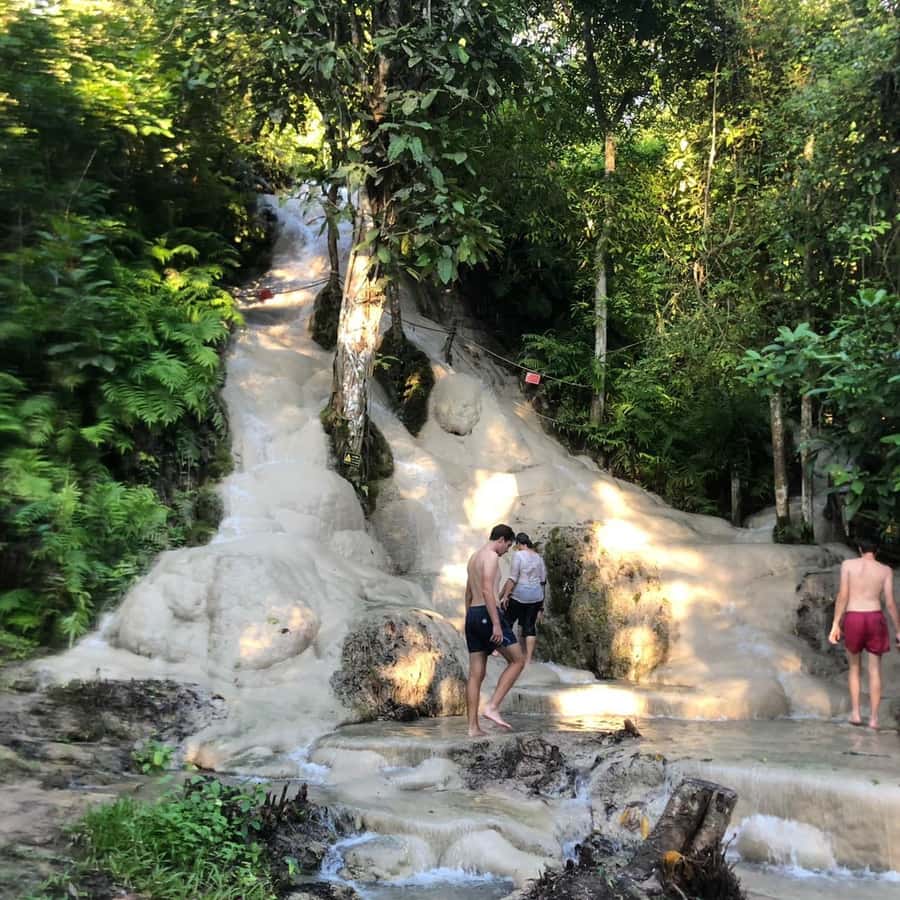
Chiang Mai has a way of doing “old meets new” in one trip. This day tour feels like that. You start with jungle quiet at Wat Pha Lat, then you head to Doi Suthep, one of northern Thailand’s most sacred and scenic temple sites. After that, you shift into something surprisingly hands-on: an orchid and butterfly farm where you learn how these creatures and plants are cultivated. Then comes the payoff: Bua Tong Sticky Waterfall, a limestone waterfall where you climb—yes, climb—on the slick rock that earned the nickname sticky.
The best part for me is the rhythm. It’s not just checklists. Temples give you the history and symbols. The farm adds nature education and slow looking. The waterfall turns the day active and physical in a way that feels like a treat rather than a chore.
Wat Pha Lat: the quieter temple that sets the mood
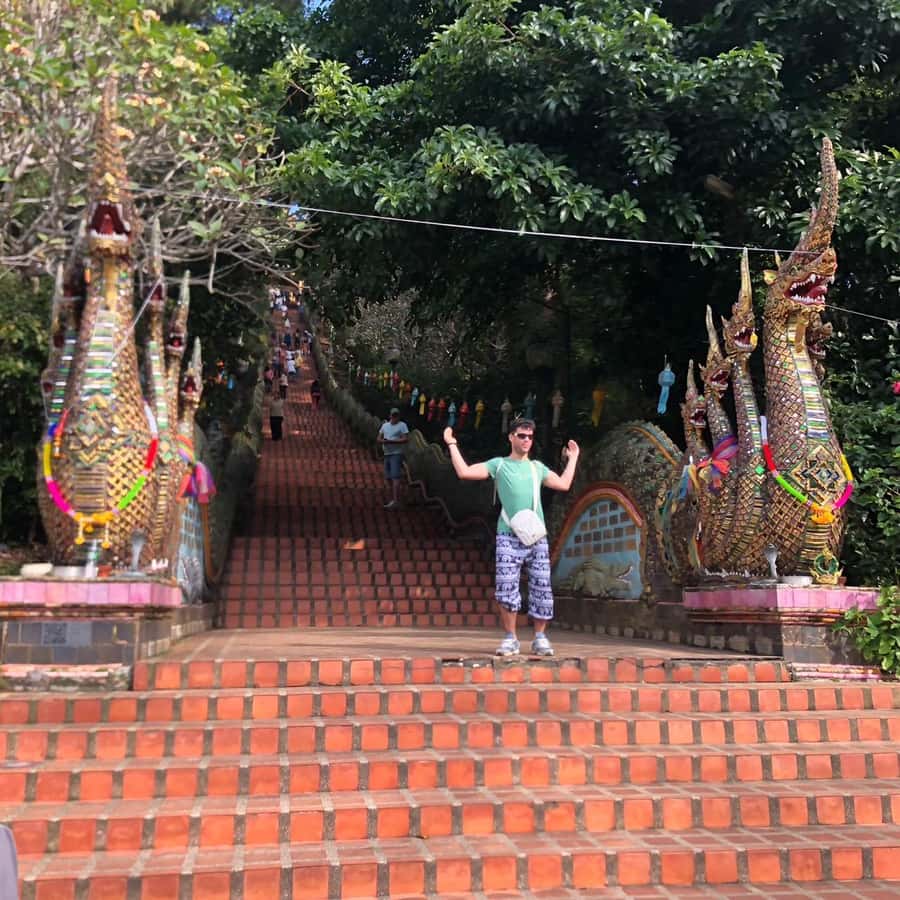
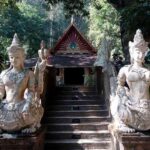
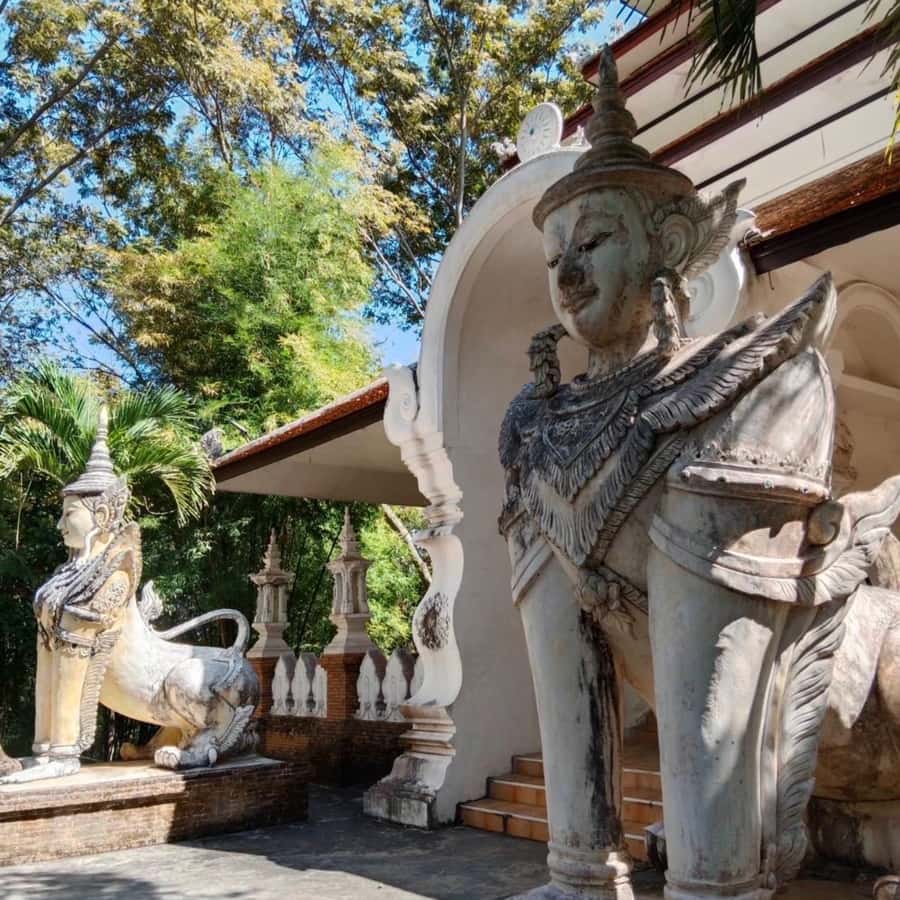
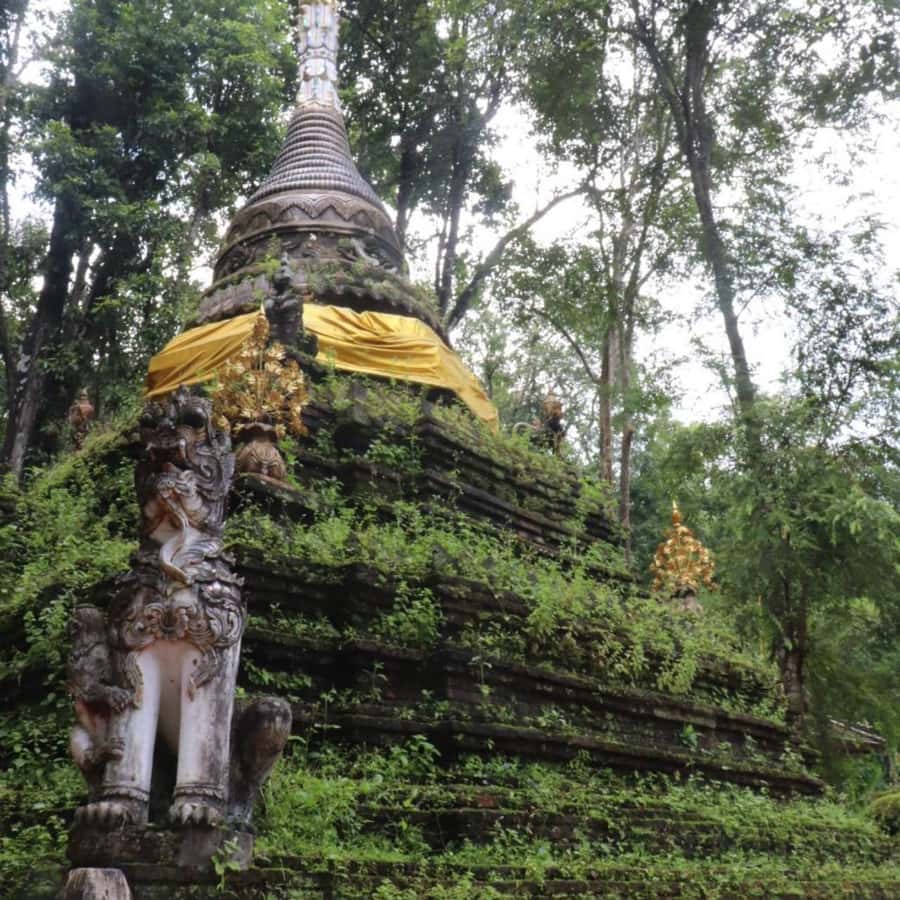
Wat Pha Lat is the kind of start that makes the rest of the day feel more meaningful. Instead of jumping straight into the busiest famous sights, you ease in with a jungle temple setting that’s described as almost magical—peaceful, tucked away, and calmer than what you’d expect from a full-day tour.
This stop matters because it teaches you how northern temple design can feel different from what you may know from Bangkok-style classics. You’re looking at Thai-Burmese-style construction, a mix that helps you understand the region’s cultural crossroads. The pace here is usually your friend: it’s a place where walking slowly, looking up at details, and letting the surroundings sink in makes a difference.
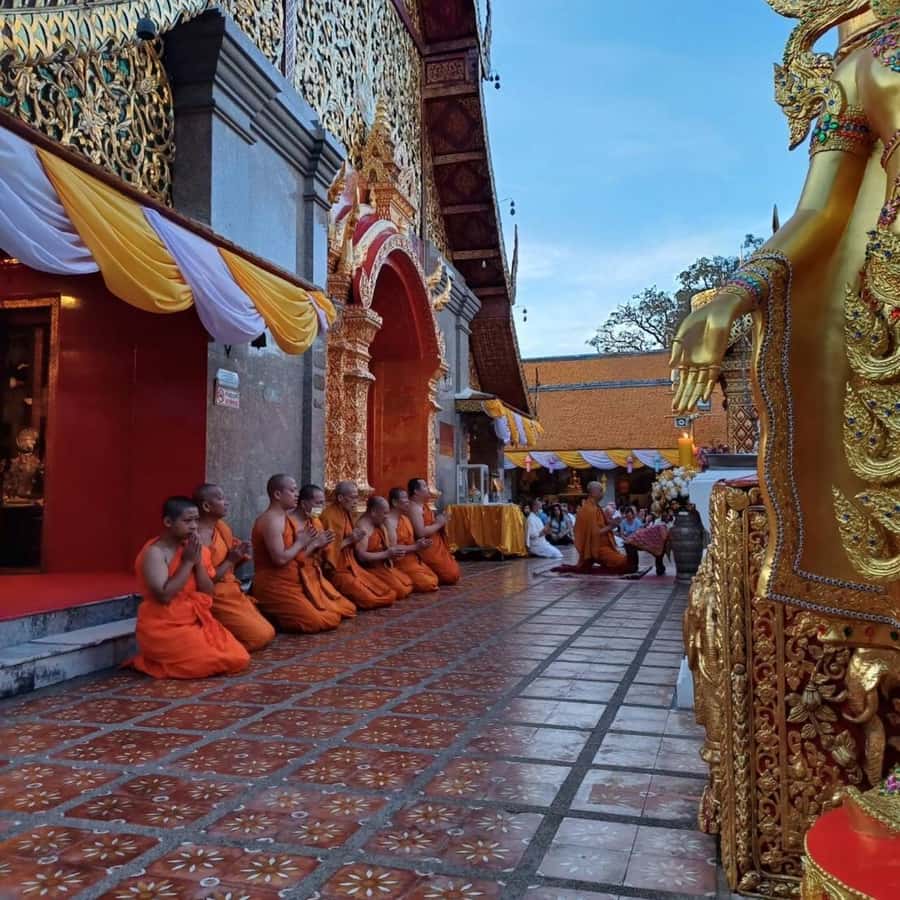
Practical side: temple rules are real. Your arms and legs must be covered during temple visits. If you’re the type who packs light, this is where you’ll be glad you brought long pants or a light cover layer.
You can also read our reviews of more tours and experiences in Chiang Mai.


Doi Suthep and the Golden Pagoda: views plus a relic story
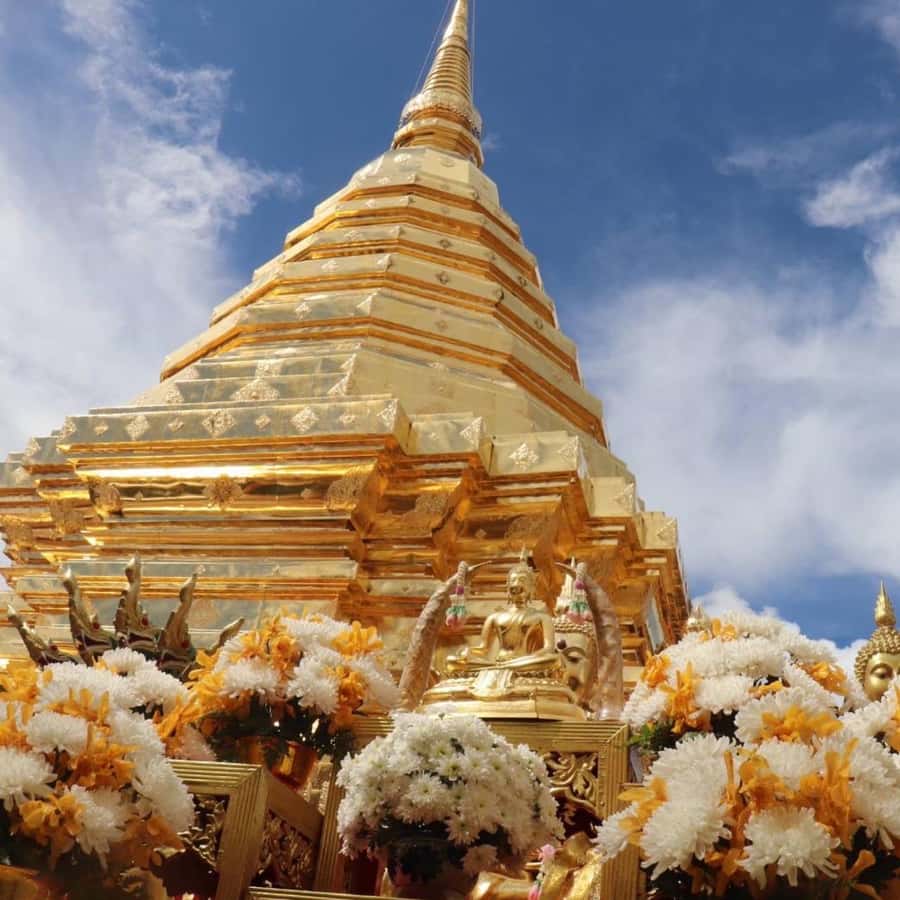
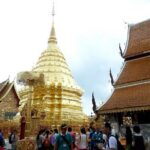
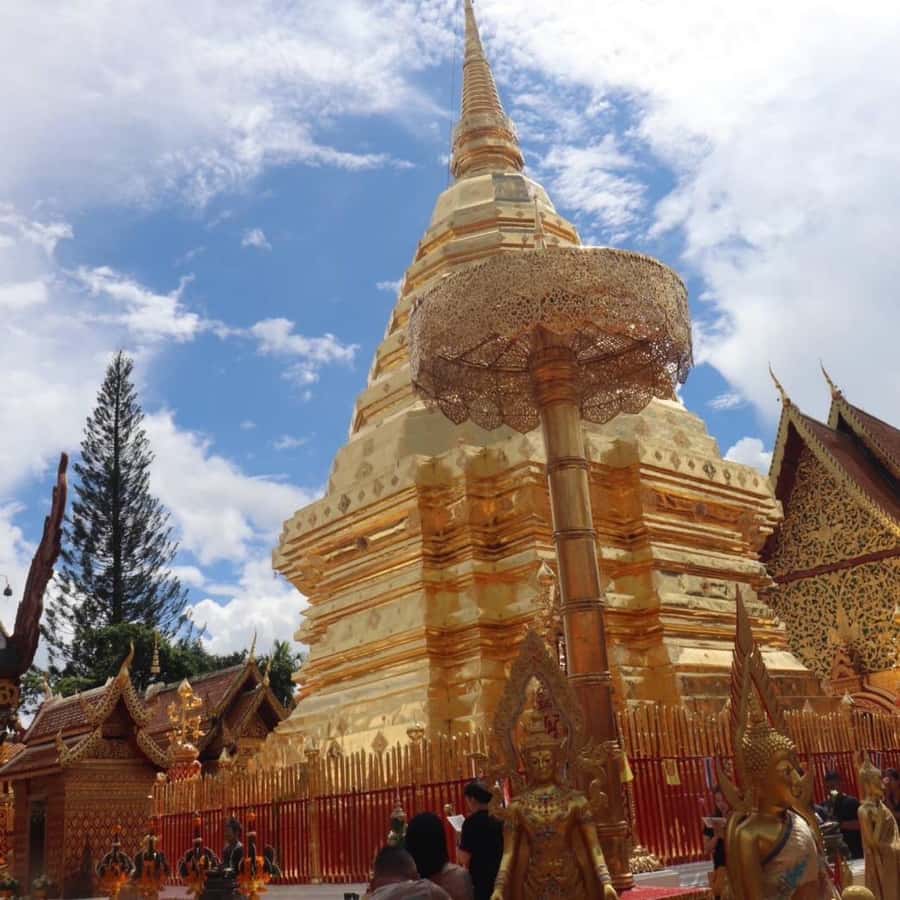
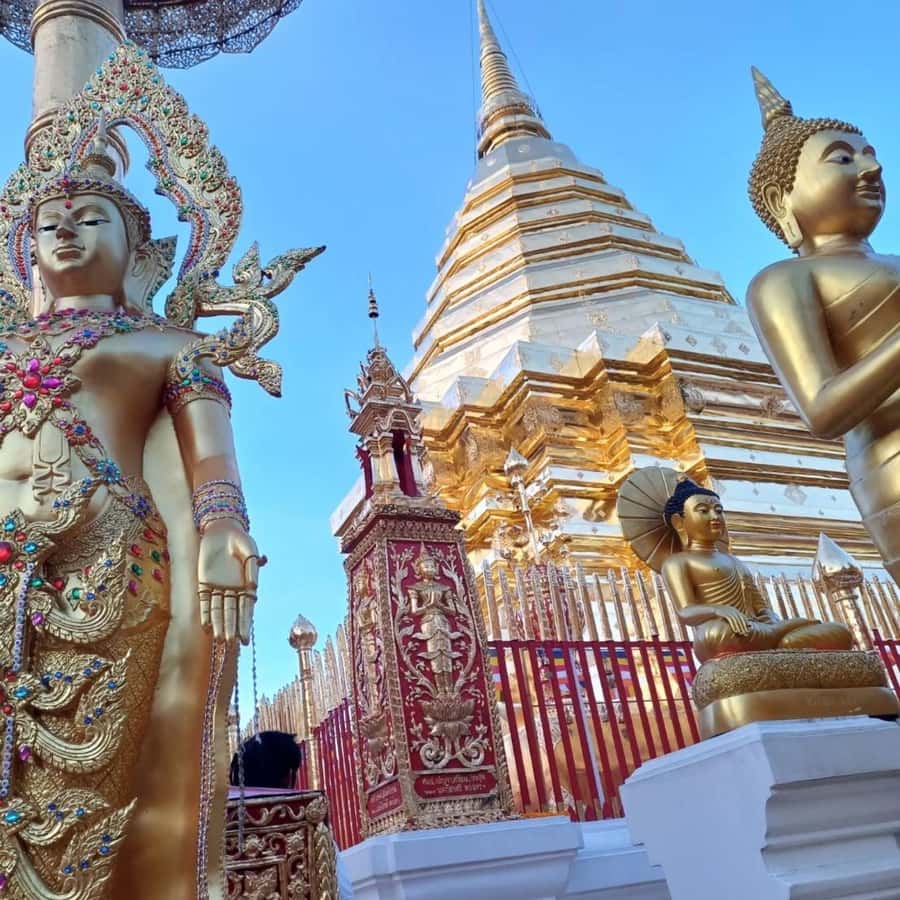
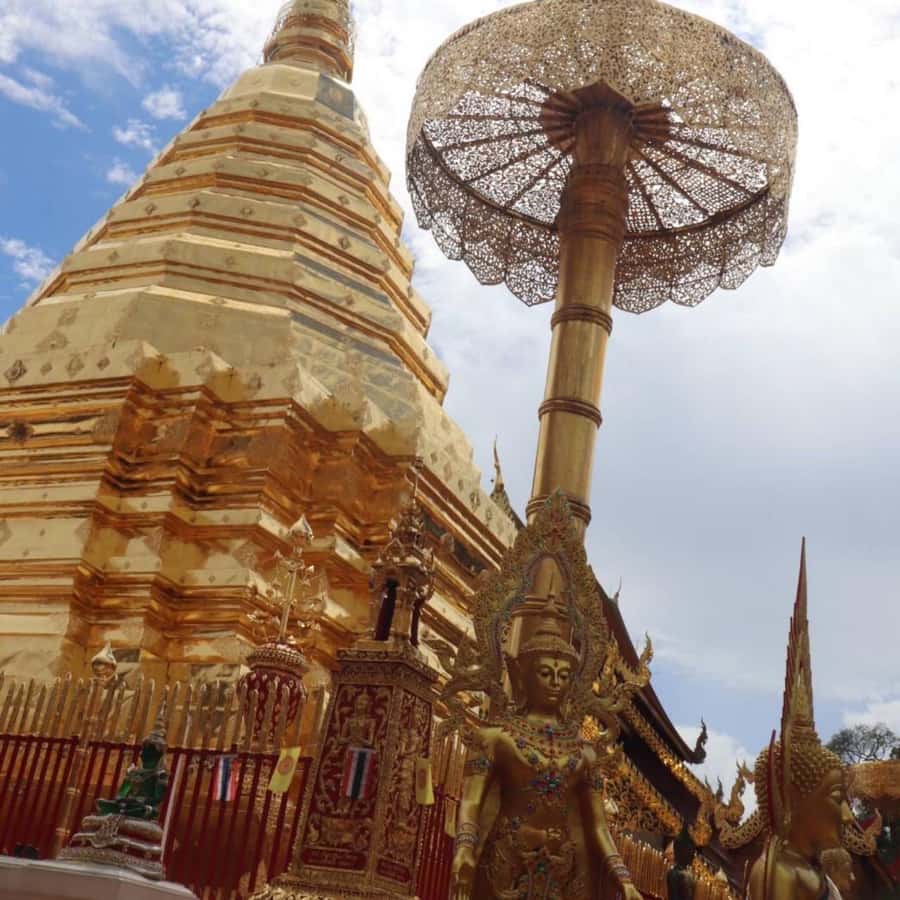
Then you move to Wat Phra That Doi Suthep, the big sacred temple on the hill. If Chiang Mai’s temples had a headline act, this would be it. You get both the temple itself and the panoramic views from the temple site—so you’re sightseeing twice: first with your eyes on the buildings and then with your eyes on the valley.
What makes Doi Suthep especially memorable in this tour is the focus on what you’re seeing. The Golden Pagoda is a key moment. It was built in the 14th century to enshrine a piece of relic tied to the Lord Buddha’s shoulder bone. Even if you don’t love religious history, the relic story gives the site meaning beyond architecture. You’re standing in a place treated as sacred across generations.
Also, don’t rush the photo part. This is one of those locations where the best images come after you’ve walked a bit and found an angle with fewer distractions.
One realistic note: it’s a temple day. Bring your covered outfit and expect some walking on uneven ground.
Orchid and butterfly farm: more than just pretty photos
After temples, the day takes an unexpectedly smart turn. You head to an orchid and butterfly farm where you learn about cultivation processes. This is the kind of stop that can turn into a throwaway photo break on some tours—but here it’s built as a real education moment.
You’ll see orchids up close and butterflies in a setting designed to support them. The cultivation details matter because they explain why the plants and insects look the way they do and why the environment is managed carefully. In plain terms: you get the how, not just the wow.
This is also a nice break from heavy temple symbolism. It’s calmer. You can move at a slow pace, look at patterns, and watch how the farm is organized for growth and care.
If you like taking photos, this part of the day is an easy win. One of the strongest mentions in the experience is that guides help with memorable pictures—especially here, where natural light and colorful subjects do half the work for you.
Lunch stops built into the farm day
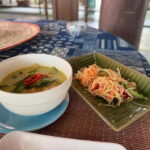
Lunch is included, and it’s timed so you don’t feel wrecked before the waterfall. In at least some days, lunch is a buffet-style meal connected to the butterfly farm stop, which makes sense: it keeps you on-site and keeps the schedule tight.
I like this setup because it’s low-effort. You’re not hunting, and you’re not doing the usual tourist scramble for food between activities. Your guide is there in case you want help ordering or figuring out what’s worth trying.
Practical advice: eat what you can comfortably handle. You’re going to want energy for Bua Tong, but you don’t want to feel heavy or sick when you’re climbing slippery limestone.
Bua Tong Sticky Waterfall: the climb is the point
Bua Tong Sticky Waterfall is the star of the “fun physics” category. It’s a famous limestone waterfall in Chiang Mai, and the gimmick is real: the rock surface lets you climb up and down. You can also simply admire the natural beauty if you’re not feeling the climb, but the tour is built around giving you the option.
This stop is fun because it’s interactive. You don’t stay locked behind a safety wall. You move. You splash. You take photos from angles you can only reach by walking into the action. It’s also one of the easiest ways to get a true change of pace in a full-day itinerary.
What to bring is very specific here, and it’s worth listening to. You’ll want swimwear, a change of clothes, a towel, flip-flops, and long pants. Insect repellent helps too. If you’re wearing the wrong footwear, the day can go from playful to annoying fast.
A small strategy: start early in your energy cycle. If you wait until you’re tired, the climb can feel longer than it is. If you go in fresh, you’ll understand why some people end up doing it more than once until they’re done.


The 7–8 hour loop: pace, transport, and how to fit it to your day
This is a full-day itinerary designed to pack a lot into 7–8 hours without feeling like you’re sprinting nonstop. Pickup happens from your accommodation in Chiang Mai city, specifically within a 5-kilometer radius from downtown. If you’re farther out, extra transportation may be required—so if you’re staying on the edges, check this early to avoid surprise fees.
The vehicle is air-conditioned, which is a big deal in Chiang Mai’s warmth. You’ll also have drinking water provided, so you can focus on enjoying rather than rationing.
In terms of pacing, it’s a sequence with natural breaks:
- Temple time (slower, reflective walking)
- Farm time (slow looking, photos, learning)
- Lunch (recovery)
- Waterfall time (active, wet, and energetic)
One bonus I’d emphasize: the day works well for private or small groups. Several guides are described as flexible with pacing, giving you time to walk around and not rushing you at each location.
Price and value: what $80 buys you in real time
At $80 per person, this tour is positioned as good value for a full-day, multi-stop day trip. Why? Because it includes a lot that usually costs extra:
- Hotel pickup and drop-off by air-conditioned vehicle
- Entrance fees
- Lunch
- Drinking water
- English-speaking guide
- Accident insurance
The entrance fees matter here because temples aren’t a flat “maybe” cost; they add up. And the guide time isn’t just talking—it’s what turns temples into something you actually understand, and it’s what makes the waterfall day smoother (where to go, how to climb safely, what to focus on).
My practical take: if you’re planning to do only one day trip outside Chiang Mai’s center, this is one of the better ways to spend that day because it mixes four distinct experiences instead of repeating the same type of attraction.
Who this tour suits best (and who might skip it)
This tour is a strong match if you want:
- A temple day with context, not just photos
- A nature stop that teaches something (orchids and butterflies)
- A fun, physical finale at Bua Tong Sticky Waterfall
- A guide who can help with timing and pictures, especially on private or small-group bookings
You might reconsider if:
- You don’t do well with wet, slippery surfaces or don’t like active climbing
- You’re traveling with very young kids who may struggle with the temple dress rules and the day’s walking time
- You hate long schedules and prefer slow, neighborhood-only days
A quick note on the Wat Pha Lat schedule switch in 2026
There’s a clear heads-up you should know if you’re traveling late January 2026. Access to Wat Pha Lat is temporarily suspended from 22–24 January 2026, and the tour will visit Wat Umong instead. If your dates land in that window, plan around the swap so you don’t feel surprised on the day.
Should you book this Chiang Mai tour?
If you want one well-rounded day that covers temples, a nature learning stop, and the famous sticky waterfall climb, I’d book it. The combination is the whole point: Wat Pha Lat sets a calm tone, Doi Suthep gives you sacred views and big temple presence, the orchid and butterfly farm adds a thoughtful break, and Bua Tong turns the day playful and hands-on.
Just be honest with yourself about the practical stuff: bring swimwear and change clothes, wear proper footwear for limestone, and plan to follow temple dress rules with covered arms and legs. Do that, and this is exactly the kind of Chiang Mai day trip that feels like you left the city, saw real contrasts, and came back with photos that actually make sense.
FAQ
FAQ
How long is the tour?
The tour lasts about 7 to 8 hours.
What is the price per person?
The price is $80 per person.
What’s included in the tour price?
Hotel pickup and drop-off by air-conditioned vehicle, entrance fees, lunch, drinking water, an English-speaking guide, and accident insurance are included.
What is not included?
Personal expenses are not included.
Where does hotel pickup happen?
Pickup is included for accommodations in Chiang Mai city within a radius of 5 kilometers from downtown. If you’re farther away than 5 kilometers, you may pay extra for transportation.
What temples have specific visitor rules?
During temple visits, arms and legs must be covered for all guests.
What should I bring for the day?
Bring a hat, swimwear, change of clothes, towel, flip-flops, insect repellent, long pants, and personal medication.
What language is the guide?
The guide is English-speaking.
Can I cancel for a refund?
Yes. You can cancel up to 24 hours in advance for a full refund.
What happens if Wat Pha Lat is closed in January 2026?
Visitor access to Wat Pha Lat is temporarily suspended from 22–24 January 2026. The tour will visit Wat Umong instead during that time.