REVIEW · SIHANOUKVILLE
Kampot Countryside Tour – Pepper Farm, Salt Lake, Caves, and more
Book on Viator →Operated by Two Brothers Travel Cambodia · Bookable on Viator
Pepper and salt days make Kampot memorable. This small-group outing (max 12) turns a simple drive into a hands-on day of Cambodian countryside life, from traditional salt fields to pepper farm tastings. I especially like the mix of food (you can taste what you’re learning) and the way the day connects the dots between Kampot’s local industries and daily life. One thing to consider: most of your time is planned, but a good chunk still goes to travel on rural roads, so it helps to be okay with a longer morning.
At 9:00 am, you’re picked up and sent out with an English-speaking guide, bottled water in hand, and free admissions at the main stops. The tour runs about 5 to 7 hours (the listing notes remaining time goes to travel), so it’s a realistic way to see more than just the city without feeling like you’re sprinting.
I also like that the guidance feels human. In the past, guides like Roy, Micky, and Ray have led groups with solid English and lots of practical talk—stories about what you’re seeing, not just facts on a page. If you want your guide’s explanations to be a big part of the day, it’s worth picking a time when you can pay attention, because the experience can hinge on communication.
In This Review
- Key Things to Know Before You Go
- Price and Logistics: What $24 Buys You in Real Terms
- Getting Around Kampot Countryside: Private Transport That Keeps the Day Flowing
- Stop 1: Salt Fields and the Calm Work Behind Kampot’s Salt
- Stop 2: Phnom Chhngok Cave Temple, Where Steps Are Part of the Price
- Stop 3: Brateak Krola Lake, a Quiet Break Between Work and Wonder
- Stop 4: Pepper Farm Time at La Plantation and the Tastings You Actually Want
- Lunch Stop: Included, But Plan for It
- The Guides: Where the Best Days Are Made
- Who This Tour Fits Best (And Who Might Want Something Else)
- Should You Book It?
- FAQ
- What’s the duration of the Kampot Countryside Tour?
- What time does the tour start?
- How much does the tour cost?
- What’s included, and is lunch included?
- Are admission tickets included?
- What weather requirements should I know about?
Key Things to Know Before You Go
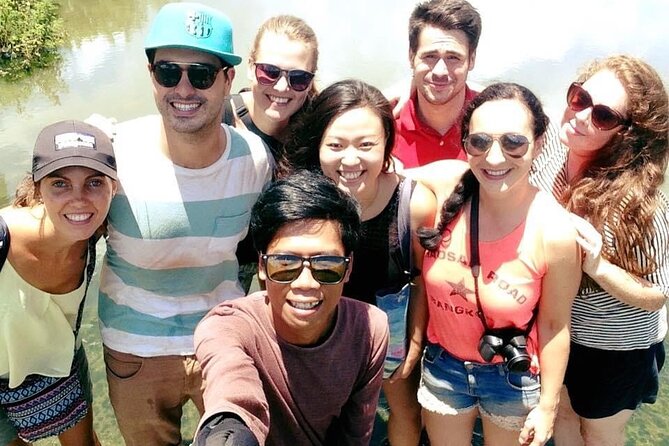
Small group, max 12 people means you can actually ask questions and move at a comfortable pace.
Traditional salt production at Kampot’s salt fields is the kind of slow, physical process you can understand fast just by watching.
Cave temple visit with real steps—wear shoes you trust on stairs and uneven ground.
Pepper tastings are part of the point, not an afterthought, and you’ll get to sample different varieties/blends.
Private transport + bottled water keeps the day easy, especially if you’re not riding a motorbike.
Price and Logistics: What $24 Buys You in Real Terms
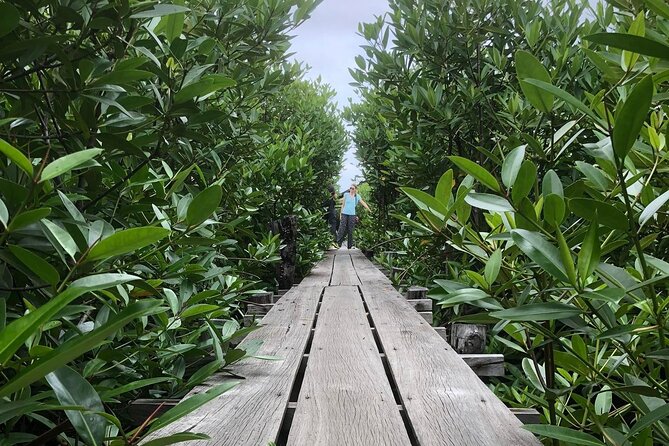
For $24, this is one of those Kampot day tours that feels like it’s priced for actual travelers, not just tourists passing through. You’re paying for: pickup and drop-off, an English-speaking guide, bottled water, private transport, and a lunch stop. Admissions at the featured stops are listed as free, too, which matters in Cambodia where ticket costs can add up.
The trade-off is that you’re not paying for a luxury day. This is a countryside tour with comfort where it counts (transport, guide, water), but the pace is still “rural Cambodia”—dirt roads, stop-and-go driving, and a few uneven moments around cave areas. If you want a very polished, museum-style experience, this may not be your vibe. If you want the real working rhythms of salt and pepper, it’s a strong match.
Pickup is offered, but if you’re outside their selected area, there’s an additional $5 charge. Plan to meet them close to central spots so you don’t lose time waiting—or end up paying extra for a far pickup.
You can also read our reviews of more tours and experiences in Sihanoukville.
Getting Around Kampot Countryside: Private Transport That Keeps the Day Flowing
The biggest practical win here is private transport. You’re not waiting with a bunch of strangers or guessing where you’re going next. The guide handles the timing between salt fields, the cave temple, the lake, and pepper farm time, so you get a full day without doing the coordination yourself.
Expect the schedule to feel like this: a short hop to the salt fields, then the cave temple, then the lake, then a longer stretch on the pepper farm. The listing says roughly 30 minutes at the salt fields and lake, about 1 hour at the cave temple, and about 2 hours at the pepper farm, with the remaining time used for travel. That structure is actually helpful. You get enough time to do each stop without feeling like every location is an all-day commitment.
Also: start at 9:00 am. That’s good. You’ll avoid the hottest part of the day during the most active section (the cave stairs and pepper farm walking). If you’re sensitive to heat, this start time helps.
Stop 1: Salt Fields and the Calm Work Behind Kampot’s Salt
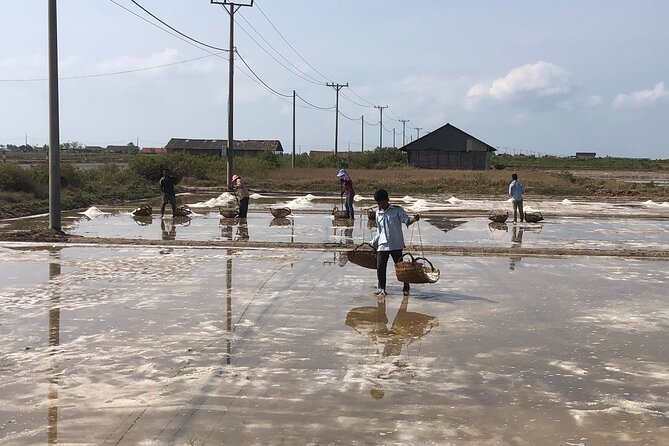
The salt fields stop is short—about 30 minutes—but it’s not a throwaway photo op. You learn how salt is produced in the traditional way, which is the whole point of Kampot’s identity around salt. Watching how farmers work the ponds gives you context you won’t get from a single sign or a quick explanation.
What I like about this stop is that it teaches by showing. Salt production is slow and seasonal, so even a brief visit makes you understand why Kampot has built its economy and culture around it. You’re not just seeing scenery; you’re seeing a local production system.
Bring a little patience for the conditions. Salt fields can be dusty and bright. Light clothing is fine, but keep coverage in mind for sun and dust.
Stop 2: Phnom Chhngok Cave Temple, Where Steps Are Part of the Price
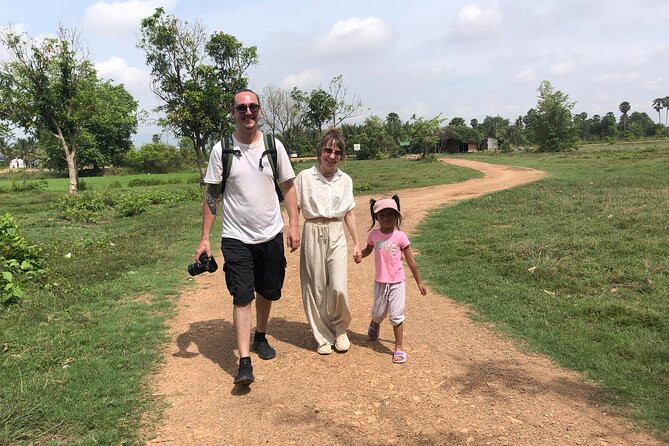
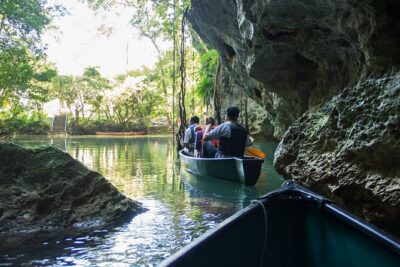
Phnom Chhngok Cave Temple is the emotional centerpiece of the day. Plan on about 1 hour here, and it’s inside a cave system. You’ll get a chance to explore the temple space while your guide shares context about Cambodian history and culture.
The cave experience is fun, but it does have a practical side. One review-style detail that matters: there are stairs on the way back down, so don’t treat this like a “casual stroll” stop. Wear shoes with grip. If you don’t love steps, take it slow and use the walls/handrails where available.
If you’re thinking you’ll just snap a few pictures and move on, you may miss some of the value. The cave is one of those places where a guide’s commentary changes how you experience it. You’ll likely find yourself looking at the temple and cave features differently once you understand what you’re seeing.
Stop 3: Brateak Krola Lake, a Quiet Break Between Work and Wonder
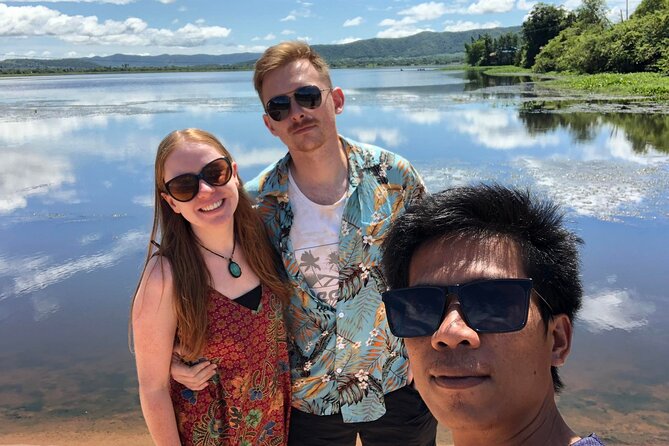
Next up is Brateak Krola Lake, a man-made lake that feels off the beaten path. You get about 30 minutes here. It’s not the kind of stop where you need hours to enjoy it. Instead, it works as a breather—time to look out, take photos, and reset before the pepper farm.
What makes this stop worthwhile is the story angle. Your guide shares background on the lake’s construction and ties it into broader Cambodian history. That blend—scenery plus explanation—is exactly what turns a short stop into something memorable.
Because it’s man-made, the lake area can feel different from “natural wilderness.” For me, that’s a positive. You’re seeing how people shape their environment to support life in rural Cambodia.
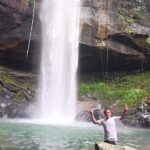
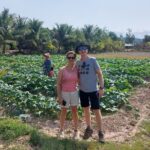
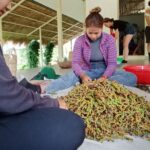
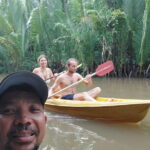
Stop 4: Pepper Farm Time at La Plantation and the Tastings You Actually Want
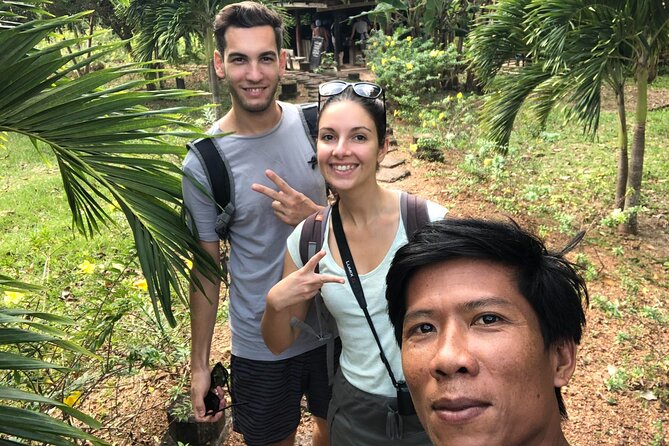
This is where the tour earns its value. You’ll spend about 2 hours at the pepper plantation, and tasting is central. You’ll see how the world’s top rated peppers are grown, then sample different varieties and blends with farmers as part of the experience.
The pepper farm section is also where the tour can feel most personal. Some days, your guide may offer a choice between two pepper farm options—La Plantation and another farm option that can be smaller and more relaxed. In at least some cases, guides like Roy have guided people toward skipping longer queues by choosing a smaller farm option. If you care about a calmer experience (less waiting, more interaction), ask your guide which farm makes sense for your group.
Here’s the practical payoff: after pepper tastings, you’ll leave with a better sense of why Kampot pepper is so prized. It’s one thing to hear about it. It’s another to taste it and compare profiles.
If you’re buying pepper to take home, this is a smart moment. Pepper is a food product, and the farm is the best place to understand quality and differences before you commit.
Lunch Stop: Included, But Plan for It
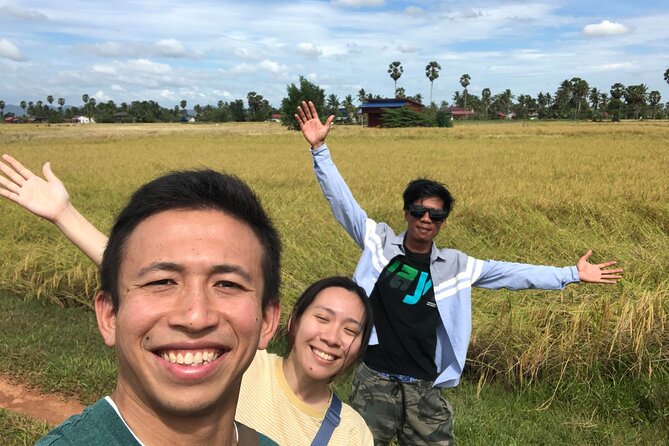
Lunch is listed as a stop, but lunch itself is not included. That means you’ll likely have a chance to eat during the tour, but you should still budget for your meal.
I treat this as a timing clue: the lunch stop usually happens somewhere between the cave and pepper farm blocks, or during the broader transition time. Either way, keep a little extra flexibility in your stomach. The day has walking, steps, sun exposure, and then tastings.
If you’re the type who hates making food decisions on the spot, decide what you’re likely to order ahead of time when you see the menu.
The Guides: Where the Best Days Are Made
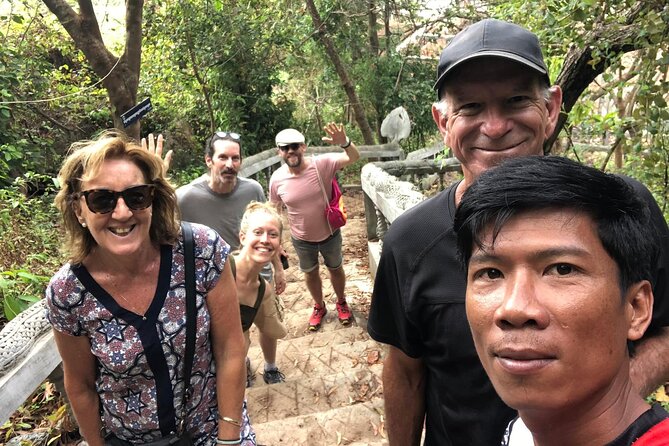
This tour can be excellent or just okay depending on the guide’s communication style. Most of the examples you’ll hear tied to this tour focus on guides like Roy, Micky, and Ray, with strong English and lots of stories about daily life in Cambodia.
I like that the guidance isn’t just “point and move.” A great guide connects what you see (salt fields, cave temple, lake, pepper) to how people live and work here. That’s what turns the day from a checklist into a story you can take home.
That said, one consideration: if clear English is non-negotiable for you, don’t assume every guide will match your expectations. If you know you need very smooth explanations, it’s worth asking the provider what English support will look like for your specific departure.
Who This Tour Fits Best (And Who Might Want Something Else)
This tour is a great fit if you:
- want a food-and-workday look at Kampot beyond the city
- enjoy small groups and question-friendly pacing
- are comfortable with cave stairs and some walking
- like having an English-speaking guide who explains culture and history while you go
You might want a different option if:
- you hate any driving through rural roads and long travel segments
- you want a fully restful day with minimal walking
- you’re expecting a strict “guided museum tour” style where everything is uniform
Should You Book It?
If your idea of a great day in Kampot includes salt fields, a cave temple, a quiet lake, and pepper tastings, then yes, I’d book this. For $24, the combination of private transport, bottled water, an English-speaking guide, free admission stops, and pepper tasting time is hard to beat. It’s also a smart use of time if you don’t want to figure out multiple locations on your own.
My decision rule is simple: book it if you’ll enjoy learning by doing—watching how salt is made, tasting pepper varieties, and hearing the stories that make those places make sense.
FAQ
What’s the duration of the Kampot Countryside Tour?
The tour runs about 5 to 7 hours, with the remaining time spent on travel.
What time does the tour start?
It starts at 9:00 am.
How much does the tour cost?
The price is $24.
What’s included, and is lunch included?
Bottled water, pickup and drop-off, an English speaking tour guide, and a stop for lunch are included. Lunch itself is not included.
Are admission tickets included?
Admission tickets at the listed stops are free.
What weather requirements should I know about?
This experience requires good weather. If it’s canceled due to poor weather, you’ll be offered a different date or a full refund.