REVIEW · SIHANOUKVILLE
Full day Tour, Countryside, Pepper farm & Kep, crab market…
Book on Viator →Operated by Peppercorn private tour (Kampot & Kep) · Bookable on Viator
Salt, caves, pepper, and crabs in one day. That mix is exactly what makes this Kampot–Kep countryside outing so satisfying: you get production sites, a famous cave temple, a big man-made lake, and then proper seaside food time. I especially loved how guide Phalla turns each stop into a clear story you can actually picture, instead of just a quick photo stop.
My second favorite part is the variety: you’ll learn about salt production, climb to the Phnom Chhngok cave temple entrance, taste pepper right at the plantation, and then finish with seafood or lunch at Kep’s crab market. The main consideration is the physical side—there are 203 steps to reach the cave temple entrance, and the day can run long in the heat, so go in with moderate fitness and water habits.
In This Review
- Key highlights worth your attention
- From Epic Arts Café to Kampot’s salt fields
- Salt fields: how ocean water turns into Kampot salt
- Phnom Chhngok cave temple: 203 steps to a Shiva brick temple
- Brateak Krola Lake: a man-made dam and a heavy past
- Pepper plantation tour: tastings and learning how Kampot pepper is produced
- Kep crab market: seafood lunch, then swim or relax
- Guide and driver: why the day feels smooth
- What you get for $24: the real value check
- What to bring so the day doesn’t wear you down
- Who should book this Kampot–Kep loop
- Should you book this tour?
- FAQ
- How long is the tour?
- What does it cost?
- Where do we meet?
- Is pickup included?
- What’s the maximum group size?
- What stops are included in the day?
- Are entrance fees included?
- Do we get pepper tastings?
- Is the tour physically demanding?
- What is the cancellation policy?
Key highlights worth your attention
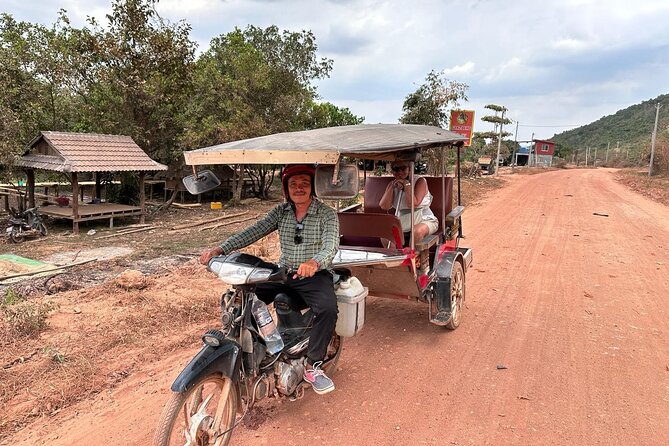
- Small group up to 12: easier questions, less waiting, and a smoother pace than big buses
- Phalla’s guiding style: friendly, local, and focused on what you’re seeing right now
- Salt fields in action: you’ll learn how ocean water becomes that thick salt layer
- Phnom Chhngok cave temple climb (203 steps): views + a Funan-era brick temple dedicated to Shiva
- Pepper tastings at the plantation: taste onsite peppercorns and learn how real Kampot pepper is made
- Kep crab market plus beach time: seafood or lunch, then a chance to swim or relax
From Epic Arts Café to Kampot’s salt fields
This tour starts at Epic Arts Café in Kampot, and pickup is offered around 3 km from the meeting area. That’s a nice setup if you’re staying in the Kampot center, but if you’re farther out, you may need to make your own way to the meetup spot. The schedule is built for a full day—around 7 to 8 hours—so treat it like a planned outing, not a casual stroll.
Right after you get going, you’ll head toward Kampot’s countryside salt area. Even with the short drive time, the shift is immediate: less town, more working fields and open space. You’re not just looking at a scenic view—you’re about to see a real product process.
You can also read our reviews of more tours and experiences in Sihanoukville.
Salt fields: how ocean water turns into Kampot salt
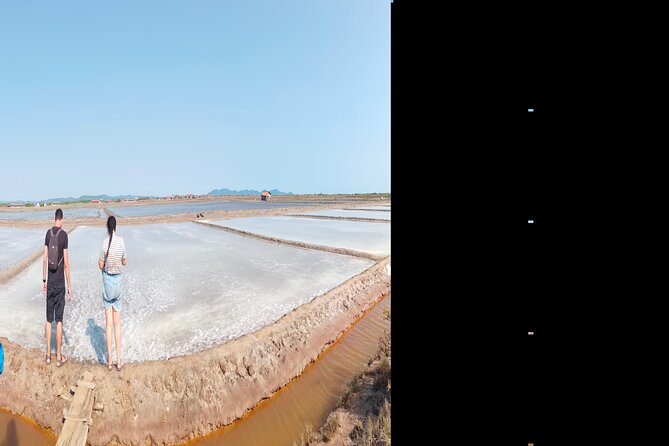
At the salt fields, you’ll spend about 15 minutes learning the basics of the system. The core idea is simple and practical: ocean water is pumped into evaporation pans, then left to evaporate until salt remains. You’ll see how the ground ends up coated with that thick salt layer, which is a big part of why this region became known for salt production.
This stop works well for two reasons. First, it’s quick enough not to swallow your day. Second, it gives you a lens for the rest of the route—you start noticing how people use the land and water around Kampot and Kep, not just where tourists like to take pictures.
Phnom Chhngok cave temple: 203 steps to a Shiva brick temple
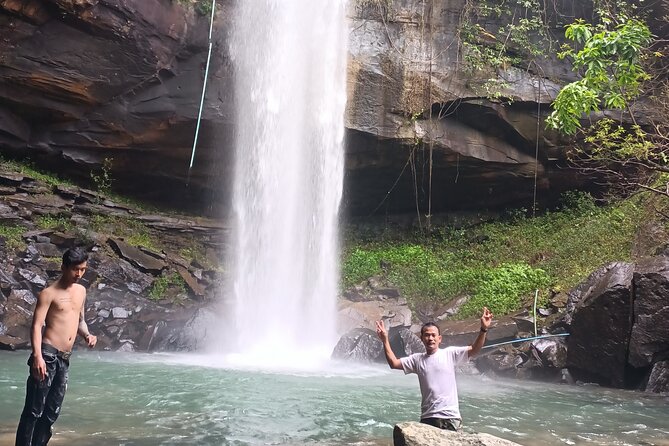
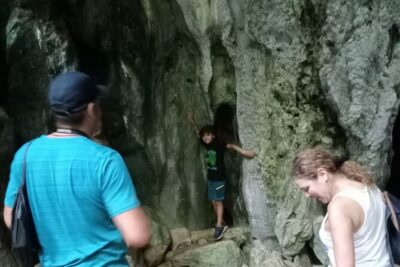
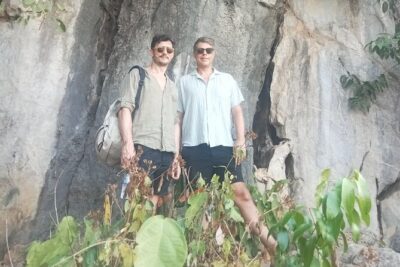
Next comes Phnom Chhngok cave temple, reached after about a 30-minute drive. You’ll have time to appreciate the views as you approach, and then you’ll climb the entrance steps—203 of them. That’s enough of a climb to matter, but not enough to derail the whole day if you pace yourself.
Inside the main chamber, you’ll find a remarkable brick temple connected to the 7th-century Funan era, dedicated to Shiva. The point here isn’t only the temple itself—it’s the way the cave setting changes the mood. The steps get you there, and once you’re inside, the focus becomes spiritual and architectural rather than scenic and casual.
Practical tip: wear shoes you trust for steps. You’re on real terrain, in real light, and you’ll want stable footing for the climb up and the slower descent.
Brateak Krola Lake: a man-made dam and a heavy past
After the cave, you’ll head to Brateak Krola Lake, an artificial lake outside of town. The drive is about 25 minutes, and once you arrive, you’ll have around 15 minutes there, plus time for viewpoints from the surrounding area.
Here’s the part that makes this stop more than a photo break: the lake and the dam were built using slave labor during the Khmer Rouge period. The site can look quiet and open, but the story attached to it isn’t light. If you like your travel to include context—without turning it into drama—this is one of the most meaningful stops on the route.
What you might appreciate most is the contrast. You’re far from city life, the lake area is mostly unpopulated, and the dirt road around the lake helps keep the feel local and grounded. Just keep expectations realistic: this is not a polished attraction with lots of amenities. It’s a place to see and understand.
Pepper plantation tour: tastings and learning how Kampot pepper is produced
Then you’ll visit the pepper side of the day at the plantation, with about two hours on-site. This is one of the stops that feels hands-on, because you’re there while the crop is part of the conversation. You’ll get a guided plantation walk, and you can enjoy tastings of the peppercorns produced onsite.
The best part is the tasting. It turns a food product from a generic souvenir into something you can actually compare and remember. You also have the chance to buy pepper products directly if you want something real, not just a packet that might have lost its character on the long trip home.
Because pepper farms are all about timing and growing conditions, guide Phalla’s explanations matter here. It’s not only what the plant does—it’s why the region’s pepper reputation exists at all.
Kep crab market: seafood lunch, then swim or relax
After the countryside stops, the day ends with a change of pace in Kep. You’ll reach the crab market area after about a 40-minute drive. There’s around 1 hour 30 minutes here for seafood tasting or lunch at the crab market.
This is where the tour turns practical and satisfying. You get a chance to eat something local without spending your time figuring out where to go. Since the itinerary includes time to relax afterward, you can make it feel like a reward instead of rushing from one checkpoint to another.
And then comes the beach option. Once you finish the market time, you’ll have a chance to swim or just relax on the beach before heading back toward Kampot. It’s a smart ending—after climbs and countryside heat, you get a cooldown.
Guide and driver: why the day feels smooth
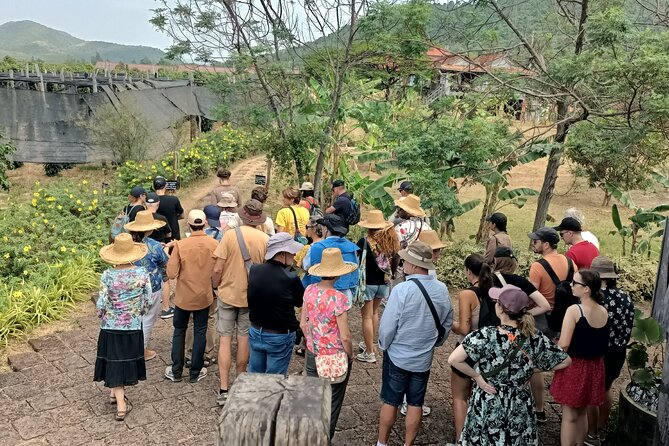
The most repeated compliment isn’t the caves or the lake—it’s the people running the day. Phalla stands out as a friendly, local guide who keeps explanations clear and helps the day feel tailored. Even solo travelers seem to get the same full attention, which is rare for tours that feel like a mass product.
You’ll also benefit from having a good driver-guide setup. Pickup is described as on time, and the local transport feels practical for a route with multiple short stops. With a maximum of 12 travelers, you’re not stuck waiting for a huge group at each location.
That smaller group size matters. When you can ask a question and actually get an answer on the spot, the countryside stops become more meaningful.
What you get for $24: the real value check
At $24 per person, this tour is priced like a budget day trip—but it includes more than you might expect for the price. Entrance fees are included, along with a bottle of water and a fresh coconut. You also get a guided tour throughout, and pickup is offered around 3 km from the meeting point near Epic Arts Café.
To judge value, I focus on three things: (1) how much is covered without extra fees, (2) how many distinct stops you get, and (3) how long the whole experience lasts. You’re seeing salt fields, a cave temple with 203 steps, an artificial lake with serious historical context, a pepper plantation with tastings, and then Kep’s crab market. Add in the guided explanations and included entry costs, and the $24 starts to make sense for a first-time visitor who wants a structured day.
Could you do pieces of this on your own? Yes. But then you’d spend your time coordinating transport and figuring out which places are worth the detours. This tour is built to save you that stress.
What to bring so the day doesn’t wear you down
The day runs long and includes a climb, so come prepared. I’d pack:
- Comfortable shoes for 203 steps
- Sunscreen and a hat (you’ll be out in the open)
- A small snack for the gap between stops if you’re easily hungry
- Light layers, since mornings and late afternoons can feel different
You’ll get water and a fresh coconut included, which helps. Service animals are allowed too, which is a practical detail if you need that.
The tour fits “moderate physical fitness.” That’s your cue to take the cave climb seriously, but it doesn’t suggest extreme hiking. Just don’t plan to treat it like a flat walking tour.
Who should book this Kampot–Kep loop
This is a great match if you:
- Want a lot of variety in one day without mapping everything yourself
- Like guided context, not just photo stops
- Enjoy food experiences, especially pepper tastings and a crab market meal
- Are okay with a cave climb and a warm full-day schedule
It’s less ideal if you:
- Hate stairs or have limited mobility (those 203 steps matter)
- Want a very slow, flexible schedule with lots of free time
- Need pickup well beyond the 3 km range from the meeting area
Should you book this tour?
If you’re visiting Kampot and Kep for the first time and you want one day that covers salt production, a major cave temple, a meaningful lake visit, and pepper plus crab market food, I think this tour is a strong booking. The guide experience is a major reason—Phalla’s explanations and friendly, local approach make the stops feel connected, not random.
Just be honest about the cave climb and plan for heat. If you handle that, you’ll come away with a full day of real countryside glimpses, not just a checklist of landmarks.
FAQ
How long is the tour?
The tour runs about 7 to 8 hours in total.
What does it cost?
It’s $24.00 per person.
Where do we meet?
The meeting point is Epic Arts Café in Kampot, Cambodia.
Is pickup included?
Pickup is offered around 3 km from the meeting point area.
What’s the maximum group size?
The tour has a maximum of 12 travelers.
What stops are included in the day?
You’ll visit the salt fields, Phnom Chhngok cave temple, Brateak Krola Lake, a pepper plantation, and Kep Crab Market, followed by beach time to swim or relax.
Are entrance fees included?
Yes, entrance fees are included for the listed stops.
Do we get pepper tastings?
Yes. You’ll enjoy pepper tastings onsite at the pepper plantation.
Is the tour physically demanding?
It’s suitable for travelers with moderate physical fitness level because the cave temple entrance involves 203 steps.
What is the cancellation policy?
Free cancellation is available up to 24 hours in advance for a full refund.