REVIEW · SIHANOUKVILLE
KAMPOT TRAVEL-Pepper farm. Cave.Secret lake-Crab market & Salt…
Book on Viator →Operated by Tango · Bookable on Viator
Caves, pepper, salt and crabs in one day. I love how this outing stitches together Kampot countryside and Kep crab market without feeling rushed. It’s built around small, real stops: a cave temple, a pepper farm walk, sea-salt production, and then seafood cooked in front of you.
What I especially liked was the chance to see how food is made, not just where it’s sold. The pepper farm portion includes guided walks in French, English, and Khmer, and the crab market finish is hands-on: pick fresh catch and have it cooked right there. One thing to consider: the day is packed, and the salt fields stop can feel easy to miss if timing runs tight.
You’ll get picked up, hop around by tuk-tuk, and spend roughly 6 to 8 hours getting from Kampot to Kep and back. It’s also small-group style (up to 12), which helps the guide keep things smooth.
In This Review
- Key things to know before you go
- A Tuk-Tuk Day Linking Kampot Countryside and Kep Crab Country
- Price and Logistics: What $23 Covers (and What It Doesn’t)
- Meeting Phnom Chhngok Cave Temple: A Hindu Cave Worth Pausing For
- Brateak Krola Secret Lake: Beauty With a Khmer Rouge Shadow
- La Plantation Organic Pepper Farm Walk: How Kampot Pepper Gets Made
- Kampot Salt Fields: Old-Style Sea Salt Production in 30 Minutes
- Kep Crab Market Dinner: Pick Fresh, Watch It Cook, Then Chase Sunset
- Guide Tango and the Small-Group Advantage
- Who This Tour Suits Best (and Who Might Skip It)
- Should You Book This Kampot to Kep Day Tour?
- FAQ
- How long is the Kampot to Kep tour?
- Is pickup included?
- What stops are included on the day?
- Are admission tickets included?
- Is this tour private?
- What’s included in the price?
- Do I need cash for the crab market dinner?
- Is cancellation free?
Key things to know before you go
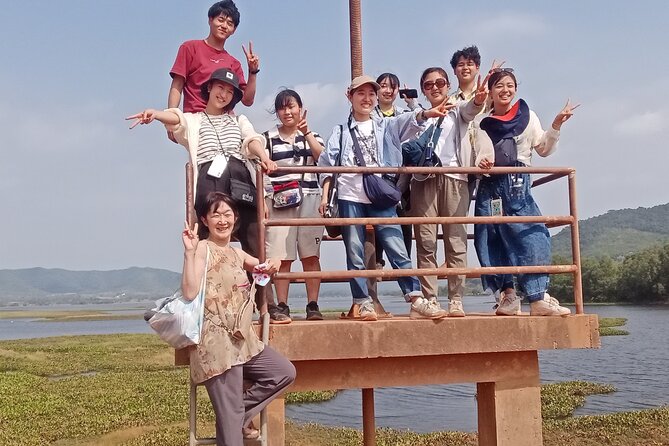
- Small-group pace, private feel: up to 12 travelers, and your group goes together.
- Guide name you’ll actually hear: Tango has a strong reputation for punctual, helpful guiding.
- Pepper farm with language support: La Plantation offers walks in French, English, and Khmer.
- Salt and seafood are part of dinner plans: you learn salt production, then finish at Kep crab market.
- Dark-history context at Secret Lake: Brateak Krola Lake connects beauty with the Khmer Rouge era.
- Everything is set up for a full day: transport, water, entry fees, and banana fried are included.
A Tuk-Tuk Day Linking Kampot Countryside and Kep Crab Country
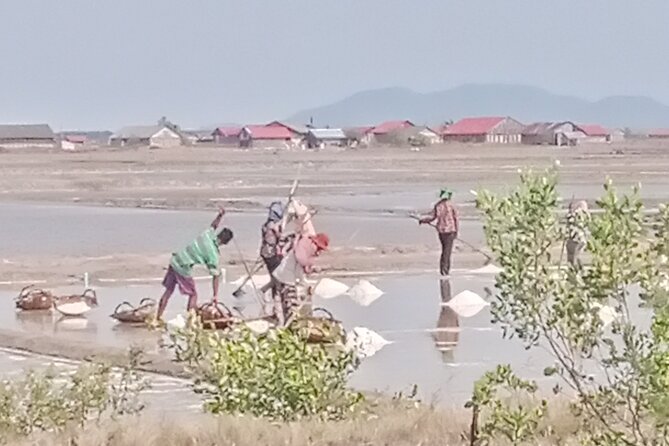
This is the kind of day that makes Cambodia feel practical and human. Instead of hopping between “big sights” only, you travel through working areas where people grow pepper, harvest salt, and run seafood kitchens.
You’ll start in Kampot and work your way toward Kep. That matters because Kampot and Kep feel different: Kampot is quieter countryside, Kep is all about the coast and the crab market energy. A tuk-tuk is perfect here. It keeps the day flexible, and it makes the stops feel closer together than they are on a map.
The pace is built for a full 6 to 8 hours. That’s long enough to see the highlights, but short enough that you won’t feel like you need to pack your whole life into a day bag.
You can also read our reviews of more tours and experiences in Sihanoukville.
Price and Logistics: What $23 Covers (and What It Doesn’t)
At $23 per person, this tour looks like good value because it includes a surprising amount of “you-should-pay-that” items. You get transport, water, entry tickets, and even banana fried as part of the provided inclusions.
Most of the actual sightseeing costs are covered too. Each listed stop includes admission, which is great when you’re trying to budget without doing math every time you arrive somewhere.
What you should plan for: your crab market dinner isn’t stated as fully included. The tour is designed around the experience of eating there and watching food prepared, but you’re still choosing what to order and paying restaurant-style. Think of the market as where your appetite cashes out.
There is one extra cost to know. If you’re staying outside Kampot town—about 4 km from the Durian round about—there’s an additional $5 charge. If you’re choosing hotels, staying closer to town can save you that add-on.
Meeting Phnom Chhngok Cave Temple: A Hindu Cave Worth Pausing For
The cave temple stop is one of the more distinctive parts of the day. Phnom Chhngok is described as the unique Hindu cave temple in Cambodia, and it’s known for being one of the most remarkable attractions in the region.
This is the spot where you’re not just looking at a building—you’re stepping into a temple space shaped by geography. In Cambodia, cave temples often feel like they’re half-protected by the land itself. That makes it feel different from a standard temple visit where you only get “front façade views.”
Plan for about an hour here. It’s enough time to look around and take in the setting without making it feel like you’re sprinting. If you like sites that mix culture and setting, this stop is a great anchor for the day.
Brateak Krola Secret Lake: Beauty With a Khmer Rouge Shadow
Then the day turns more emotional. Brateak Krola Lake is sometimes called the Secret Lake, and it comes with a dark history tied to the Khmer Rouge era. The lake was built in the 1970s using forced labor, and many Cambodians died in the process.
This stop is only about 30 minutes, so the goal isn’t a long lecture. It’s a short, reflective stop where the visuals do the talking, while the context gives the place meaning beyond the view.
What I like about including a stop like this in a casual tuk-tuk day is that it keeps your understanding of Cambodia grounded. You’re not skipping the hard parts in favor of only pretty photo stops. If you come in with a respectful mindset, this can be one of the most memorable moments of the entire day.
One practical thought: because it’s short, be ready to move quickly between viewpoints and don’t plan for a long pause if you’re sensitive to tight timing.
La Plantation Organic Pepper Farm Walk: How Kampot Pepper Gets Made
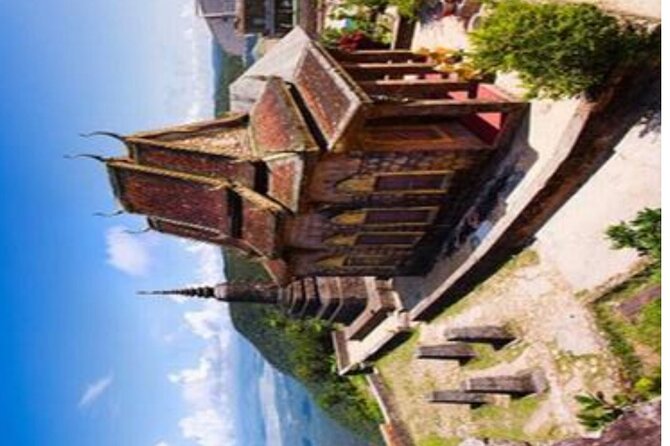
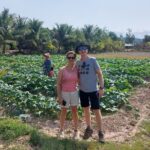
If you want your day to feel hands-on and not just scenic, this is the stop that delivers. La Plantation is a sprawling organic pepper farm, and it includes guided walks with explanations in French, English, and Khmer.
I love that this isn’t a generic farm photo stop. The tour description focuses on how different pepper varieties are grown, harvested, and processed. That’s the kind of detail that helps pepper go from a souvenir to a real crop you understand.
This is also where you’ll learn what “organic” means in practice, at least in the way the farm presents it. You’re shown how the pepper lifecycle works, and you get to connect the farm work to why Kampot pepper has a reputation.
The farm also grows fruits, chillis, and herbs, which adds variety if you like tasting the air around plantations (even if you don’t have tasting listed as part of the inclusions). With a two-hour duration, you get enough time to ask questions without feeling like the guide is rushing.
If you’re the type who buys pepper back home, this stop gives you a story to go with it.
Kampot Salt Fields: Old-Style Sea Salt Production in 30 Minutes
Salt fields aren’t usually on most short tours, but here they’re built in—and that’s a big reason the tour feels more than just another “temple + market + done” loop.
The Kampot Salt Fields are presented as a must-visit with a focus on the history and culture of sea salt production. You’ll learn about traditional, old-fashioned production methods still used in the area.
The duration is about 30 minutes, so you won’t have time to treat this like a slow museum visit. But in a full day schedule, a half hour can be enough to grasp the basic process and appreciate why salt production mattered here long before tourism.
One important note based on the overall feedback pattern: the salt fields stop can be tight. If you consider salt fields a must, I’d make sure you start the day mentally prepared to protect that time. Ask the guide early to confirm the stop happens in full. The tour itself does list it, but timing is always timing when you’re juggling multiple destinations.
Kep Crab Market Dinner: Pick Fresh, Watch It Cook, Then Chase Sunset
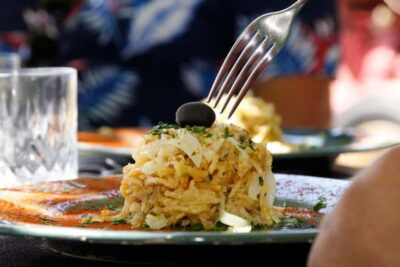
This is the payoff. Kep Crab Market is described as a must for seafood lovers, with fresh crabs and fish arriving daily. The format is simple and fun: you pick the catch, then have it cooked at a restaurant right there.
I like markets like this because you’re not stuck with a mystery plate. You can choose what you want, then watch the process. The tour experience is specifically set up so you can watch your dinner being prepared fresh in front of you.
You’ll spend about 2 hours here, which is the right amount of time. Long enough to browse, decide, and eat without feeling stressed. Also, seafood markets can be a little chaotic, so having structured time helps.
After dinner, the day ends with watching the sunset at the beach. That finish works because it gives you a calmer moment after a food-focused stop. If your day felt like a sprint, sunset is where you slow down.
Guide Tango and the Small-Group Advantage
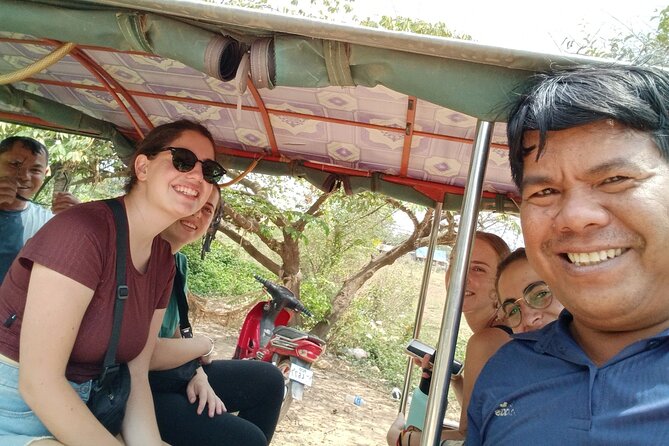
A lot of tours advertise “private” but still act like a shuffle through checkpoints. This one is designed to feel personal. It’s for your group only, and the maximum group size is 12 travelers.
That matters because stops like cave temples and markets can get crowded fast. A smaller group helps you stay aware of what you’re seeing and keeps the guide from having to herd people like luggage.
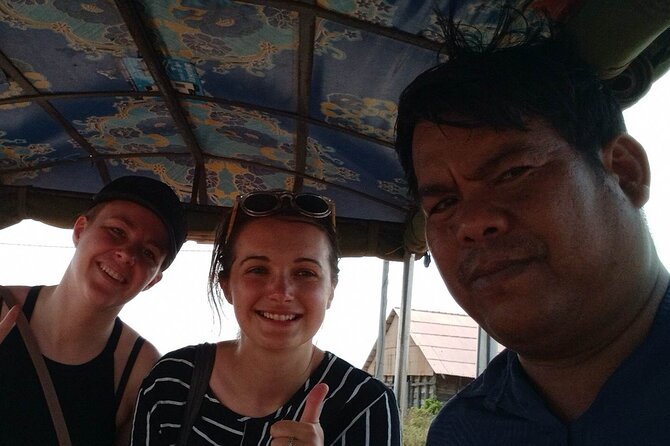
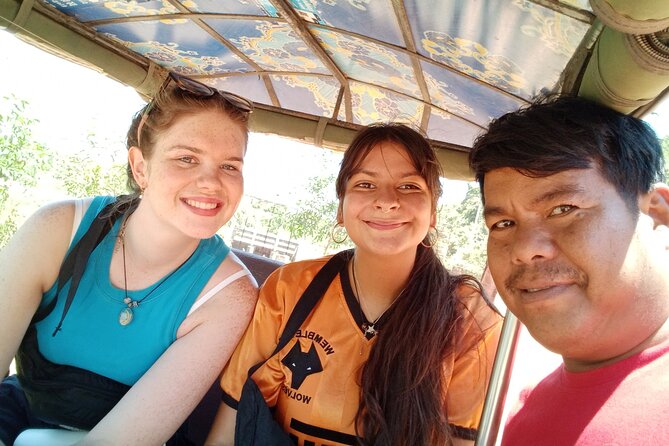
The biggest name you’ll hear is Tango. There’s a clear theme of punctual pickup and quick answers to questions. That’s a practical kind of competence. In a day with several moving parts, you want someone who keeps the timing steady and helps you understand what you’re looking at.
Tango also comes across as friendly and fun, which sounds like fluff until you realize it changes your day. When the guide is relaxed and attentive, you ask better questions, and you actually enjoy the in-between moments like walking around a pepper farm or timing your crab decision.
Who This Tour Suits Best (and Who Might Skip It)
This works best if you want a structured day with real local production, not just quick sightseeing. You’ll enjoy it if you like food culture—pepper and salt included—and if you’re curious about places with context, including the darker parts of Cambodian history.
You’ll also enjoy it if you don’t want to plan transport yourself. The tour includes transport, water, and entry tickets, and pickup is offered. That alone saves time and friction.
Consider a skip if you hate long days or if you get cranky with tight schedules. At 6 to 8 hours, you’re out most of the day, and there are five major stops. Also, one review note suggests the salt fields can be the one that sometimes doesn’t fully land when timing gets squeezed. If salt fields are your top priority, go in with a plan to confirm that stop early.
Should You Book This Kampot to Kep Day Tour?
I’d book it if you want a day that mixes scenery with how people actually make things. The pepper farm walk, the salt fields learning, and the crab market dinner are three separate experiences that each feel tied to the region. For $23, with transport, entry, water, and banana fried included, the value is solid—especially compared to paying for admissions and juggling your own transport.
I’d only hesitate if you’re the type who wants zero stress and plenty of free time at each stop. This tour is structured, and you’ll move from cave temple to lake to farms to salt fields to crab market in a single day.
If your goal is a memorable Kampot-to-Kep day with local food culture at the center, this is a strong match. Just go in aware that the schedule is full, and you’ll have a better time.
FAQ
How long is the Kampot to Kep tour?
It runs for about 6 to 8 hours.
Is pickup included?
Pickup is offered. If you stay outside Kampot town (about 4 km from the Durian round about), there is an extra $5 charge.
What stops are included on the day?
You’ll visit Phnom Chhngok Cave Temple, Brateak Krola Lake (Secret Lake), La Plantation pepper farm, Kampot Salt Fields, and Kep Crab Market.
Are admission tickets included?
Yes. Entry is included for each listed stop.
Is this tour private?
It’s described as a private tour for your group only, with a maximum of 12 travelers.
What’s included in the price?
Transport, water, entry tickets, and banana fried are included.
Do I need cash for the crab market dinner?
The tour includes time at Kep Crab Market and the experience of watching your food prepared, but the data only explicitly lists banana fried as included—so you should expect to pay for what you order to eat.
Is cancellation free?
Yes. Free cancellation is available up to 24 hours in advance for a full refund.
If you want, tell me your hotel area in Sihanoukville (or whether you’re based in Kampot already). I can help you decide if the $5 outside-town pickup add-on is likely to apply and how to time your day for the best sunset finish.