REVIEW · SEVILLE
Olive Oil Farm Tour with Tasting from Seville
Book on Viator →Operated by Naturanda Turismo Ambiental · Bookable on Viator
Olive oil tastes better when you see where it’s made. From Seville, this 3.5-hour trip takes you to an Andalusian Cortijo olive mill where the guide explains farming, pressing, and quality in a way that makes extra virgin feel real. I like that it’s not just a “walk and sample” stop—it’s a guided look at how olives turn into the bottle you’ll buy.
I also love the tasting setup. You’ll sample multiple extra virgin varieties and learn how bitterness, sweetness, and heat show up in real flavor, not just on a label—plus there’s often an end-of-tour surprise from the team at the farm. One possible downside: the drive outside the city can eat into your time, and if you’re short on patience for vehicle time, double-check how the day’s route feels once you arrive.
In This Review
- Key things to know before you go
- Olive groves meet a working mill near Seville
- The 3.5-hour rhythm: pickup to tasting (and where time goes)
- Basilippo Oleoturismo: what’s special about this restored Cortijo
- The grove walk: olive trees, hand-harvesting, and Roman-era context
- Inside the pressing area and quality control room
- The tasting: bitter, sweet, spicy—and how to match your palate
- Buying olive oil at the shop: practical tips so you don’t overbuy
- Price and value: is $107.41 worth it?
- Who should book this Seville olive oil farm tour?
- The bottom line: should you book it?
- FAQ
- How long is the olive oil farm tour from Seville?
- What does the price include?
- Is pickup available from hotels in Seville?
- Where does the tour start?
- Where do you end the tour?
- How many people are on the tour?
- What language is the tour offered in?
- Will I have a chance to buy olive oil?
- Does the tour include food?
- What if the weather is poor?
- What is the cancellation window?
Key things to know before you go
- Basilippo Oleoturismo in a restored hacienda (Cortijo), tied to the Los Alcores countryside and an on-site museum about traditional methods
- A real working-process visit, including the pressing area and quality control steps (not just a showroom)
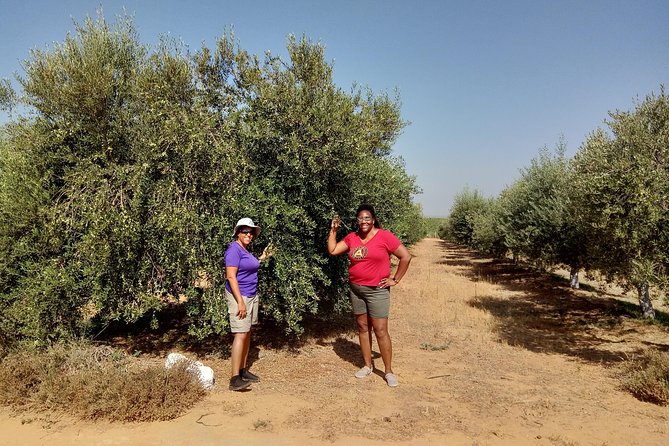
- A guided grove walk where you’ll see olive trees close up and hear how harvesting works
- Extra virgin tasting with flavor guidance, including oils described as subtly bitter, sweet, and spicy
- Small-group feel (max 30), and some days run much smaller for easier questions
- You can shop at the factory, but you’ll pay for bottles separately
Olive groves meet a working mill near Seville
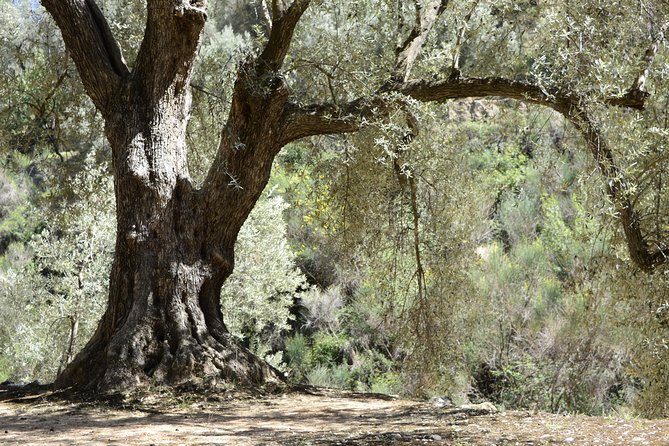
If you’re in Seville and you want one day trip that feels hands-on, this is a strong pick. You’ll trade city streets for sunlit countryside and the smell of crushed olives—then sit down for a structured tasting that teaches you what you’re actually buying.
This tour focuses on the full olive oil story, not just the “tasting moment.” You’ll move from grove to factory, and you’ll hear how old Andalusian habits connect to modern production choices. That context is what turns the experience from souvenirs-and-smiles into something you can use at home when you’re standing in a store aisle.
And yes, you end up with a practical outcome: you’ll taste so you can decide what style of extra virgin you like, then you’ll have the option to buy directly from the shop.
You can also read our reviews of more tours and experiences in Seville.

The 3.5-hour rhythm: pickup to tasting (and where time goes)
The schedule is built around a morning hotel pickup and a round-trip drive from Seville to the Los Alcores area. Plan for a real chunk of the half-day to be on the road in an air-conditioned vehicle, even though the activity itself is around two hours at the farm site.
Once you arrive, the flow is simple:
- you meet the owner/guide,
- stroll the olive groves,
- walk through the production spaces,
- then taste and talk through what you’re experiencing.
That structure is a good match for most people. It keeps you moving, but it’s not frantic. Still, one review experience flagged that the countryside drive can run longer than some descriptions suggest, so if you hate being chauffeured, bring that mindset into your decision.
Basilippo Oleoturismo: what’s special about this restored Cortijo
Basilippo Oleoturismo is set up in a restored Andalusian Cortijo, a traditional estate style that’s closely tied to olive culture. The farm isn’t only a production site—it also includes a museum-style component about the traditional art of making olive oil.
For me, this matters because olive oil can sound abstract until you see the physical spaces where work happens. A museum helps you understand the tools and the logic behind the process, and then the factory areas let you connect that past with what’s done today. The result feels educational without turning into a lecture.
Inside the tour, the guide explains harvesting, selection, and the steps of making extra virgin using both traditional craft and modern techniques. In several accounts, the guide’s passion is a major part of the payoff—names that come up include Isaac and Elena, and the transportation side is often described as smooth and punctual with drivers like Miguel.
The grove walk: olive trees, hand-harvesting, and Roman-era context
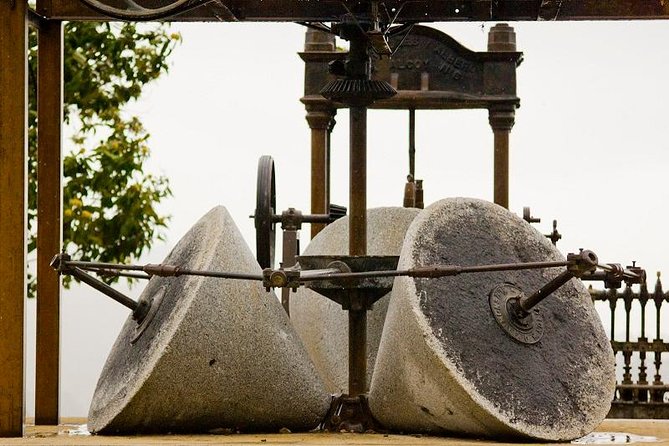
One of the best parts is the walk through the olive groves near the property. You’ll inspect trees, learn how olive cultivation works, and hear the kind of history that’s practical—not just dates on a wall.
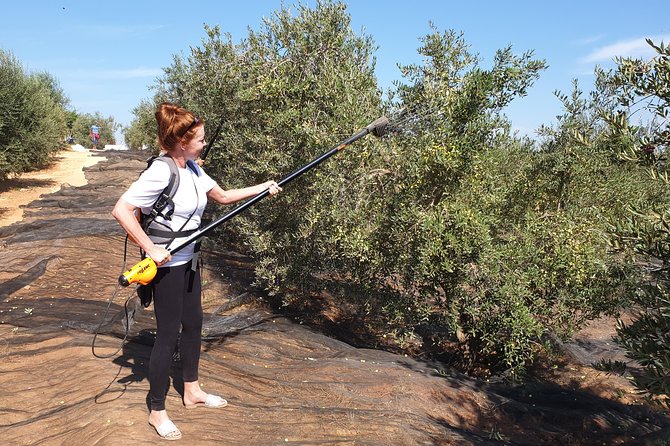
You’ll be told that olive oil has been produced in Andalusia since Roman times, and you’ll also learn that olives are still harvested by hand here, similar to how it was done historically. Even if you don’t remember every fact, that image helps: the work is slower and more deliberate than factory agriculture.
This is also where you’ll start connecting taste to the farm. When you understand timing, selection, and harvesting habits, “extra virgin” stops being a vague marketing term. It becomes a real sign that the oil’s quality has been protected from the moment olives are picked and processed.
If you’re the type who asks questions—about the tree, about harvest windows, about olive varieties—small-group departures help. Some departures have reportedly been as small as four people, which makes it easier to get direct answers.
Inside the pressing area and quality control room
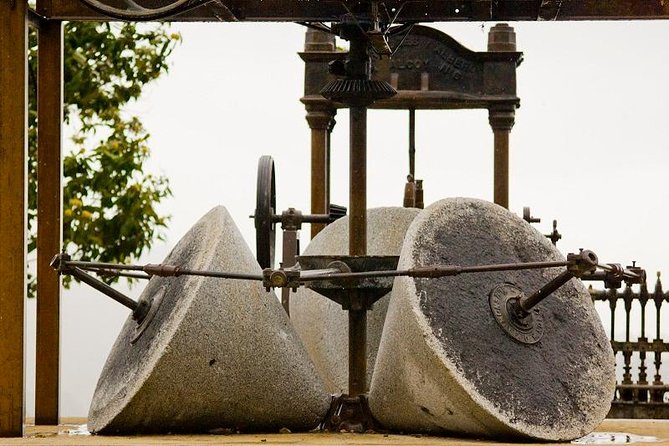
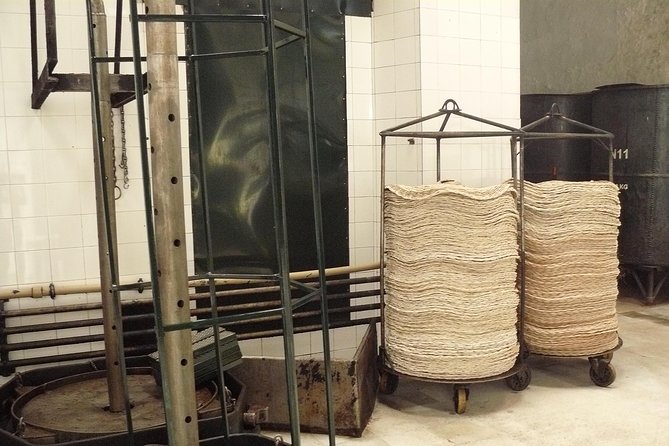
After the grove and museum portion, you move into the production side. The tour includes a look at the pressing area and quality control department, which is where the experience becomes very “how it works” instead of “how it feels.”
You’ll see the different stages of turning harvested olives into oil. The tour description also notes that the factory produces only a few liters of this liquid-gold product each year, which helps explain why quality is such a big deal here.
Quality control is especially important for olive oil because you can’t judge it just by smell or color alone. The guide’s explanations about grading and what different oils represent can make your tasting much more meaningful. In one account, the host walked through classifications so clearly that the couple left feeling ready to buy different Extra Virgin styles back in the U.S.
As you tour, don’t rush the questions. If the guide mentions what to look for—freshness, bitterness levels, or how processing affects flavor—write it mentally. You’ll use those ideas during the tasting.

The tasting: bitter, sweet, spicy—and how to match your palate
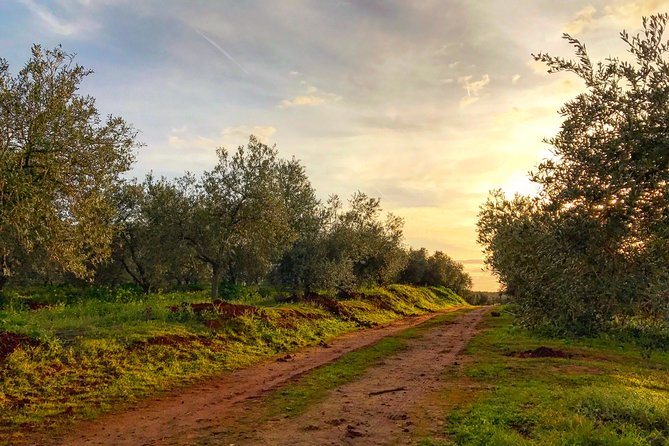
This is the moment the whole tour is building toward. You’ll sample a selection of extra virgin olive oils, guided in a way that trains your senses.
Expect a tasting that compares oils described as subtly bitter, sweet, and spicy. The guide will help you pay attention to mouthfeel and flavor so you can start identifying what you personally prefer. That’s a huge difference from random free samples, where people taste and move on.
For value, I love that the tasting is part of the core inclusions, not an add-on you have to pay for separately. With your tasting guide in place, you’ll understand why one oil might feel peppery on the back of your tongue, while another tastes fruitier and milder.
And then there’s the fun element: a surprise at the end. The tour description promises one, and at least one departure was described as including an orange-infused olive oil paired with chocolate ice cream. You might also hear mentions of small extras like a glass of organic wine shared by the owner during the visit, but don’t count on that every time.
Buying olive oil at the shop: practical tips so you don’t overbuy
Yes, you can purchase bottles at the factory shop, but it’s an own-expense decision. This is one of those travel moments where you’ll either feel confident buying or you’ll leave with a bag of stuff you didn’t really choose.
Here’s how I’d shop during a tasting like this:
- Buy one or two bottles that match what you liked most in the samples.
- If you enjoy peppery heat, look for oils that read more spicy/robust in the tasting.
- If you prefer mild sweetness, choose those profiles instead of trying to “collect” every variety.
Because the tour teaches grading and flavor differences, you’re not just buying a brand—you’re buying a style. In at least one account, people specifically left understanding extra virgin classification better and said they planned to buy Extra Virgin back home with more confidence.
One more practical note: tasting can be educational, but it can also make it easy to buy too much. If you’re traveling with limited luggage, decide early what you’ll use olive oil for—salads, finishing bread, drizzling over vegetables—then buy oils that fit those jobs.
Price and value: is $107.41 worth it?
At $107.41 per person, you’re paying for three things you usually have to piece together yourself: transport, guided instruction, and a structured tasting. This is not just a farm “visit” where you wander and sample.
Value holds up especially well when:
- you want English-language guidance (the tour is offered in English),
- you want pickup and drop-off (hotel transfer is included),
- and you care about quality, not just the idea of olive oil.
The group limit is max 30, and real departures can feel smaller, which makes your time on-site more personal. That helps justify the price: you’re paying for time with a guide, not just access to a building.
The only reason it might feel pricey is if you’re very time-sensitive and the drive takes longer than you hoped. If that happens, you’ll still likely enjoy the farm portion—but your “tour time vs. car time” math changes.
Also, food is something to think about. The experience description talks about pairing tastings with a local appetizer, but the stated inclusions list only the olive oil tasting. So I’d treat this as: bring snacks if you’re sensitive to hunger, and don’t count on a full included meal.
Who should book this Seville olive oil farm tour?
This fits best if you:
- want a countryside day that feels hands-on,
- like food culture that goes beyond restaurants,
- and enjoy tastings when you get context for what you’re tasting.
It’s also a good option for couples and small groups. Several accounts highlight how well the tour works when the group stays small, with time for questions and a guide who can tailor explanations.
If you have kids, the olive groves can be fun because the setting is visual and the process is easy to imagine. At the same time, younger travelers may find the commute long if they get restless in the van—so plan for that.
If you’re a serious olive oil nerd already, you may love the pressing and quality control segments, because those parts get into how grading and production choices affect the bottle. If you’re brand new to olive oil, you’ll still get value from the tasting guidance and the grove overview.
The bottom line: should you book it?
I’d book this olive oil farm tour from Seville if you want an extra virgin tasting with real context. The combination of grove walk, working mill spaces, and a guided tasting is the reason this tour works—and why many people come away feeling like they learned how to buy olive oil, not just that they tasted it.
I would hesitate only if your priority is maximizing time out of the vehicle. If you know you’ll feel impatient with long drives, you might end up wishing the farm portion started sooner. In that case, either plan for a slower morning pace or look for a different nearby option.
If you do go, come with curiosity, not a shopping list. Taste first, ask questions, then buy what matches your palate.
FAQ
How long is the olive oil farm tour from Seville?
The tour is approximately 3 hours 30 minutes total.
What does the price include?
The tour includes hotel pickup and drop-off, the driver/professional guide, an air-conditioned vehicle, an admission ticket, and an olive oil tasting.
Is pickup available from hotels in Seville?
Yes. Pickup is offered, but you should reconfirm the pickup details with the local provider.
Where does the tour start?
The meeting point listed is C. Trajano, 6, Casco Antiguo, 41002 Sevilla, Spain.
Where do you end the tour?
The activity ends back at the original start point in Seville (the same meeting point).
How many people are on the tour?
The tour has a maximum of 30 travelers.
What language is the tour offered in?
The tour is offered in English.
Will I have a chance to buy olive oil?
Yes. There is a shop at the factory where you can buy oils, but purchases are at your own expense.
Does the tour include food?
Food and drinks are not listed as included. The tasting is included, and the experience description mentions an appetizer, but you should not plan on a full meal being provided.
What if the weather is poor?
The experience requires good weather. If it’s canceled due to poor weather, you’ll be offered a different date or a full refund.
What is the cancellation window?
You can cancel up to 24 hours in advance for a full refund. If you cancel less than 24 hours before the start time, the amount paid is not refunded.