REVIEW · KAMPOT PROVINCE
Kampot Pepper Farm Tour: Salt Fields, La Plantation & Cave
Book on GetYourGuide →Operated by Simon Cambodia Trip · Bookable on GetYourGuide
Salt flats and pepper and a cave in one day. This 6-hour Kampot outing strings together traditional salt harvesting, a calm nature stop, and the limestone wonder of Phnom Chhngok, all with an English-speaking tuk tuk guide. It is a rare mix: salty, leafy, then underground.
I especially like the way you learn the Kampot pepper process at La Plantation, with the option for French guidance right at the farm. One thing to plan around: in the rainy season, you might not see the salt the way you expect from photos.
In This Review
- Key things I think you will care about most
- Salt fields in Kampot: where the day turns white and photogenic
- Brateak Krola Lake: calm nature time without a big production
- La Plantation pepper farm: organic farming that makes Kampot pepper make sense
- Phnom Chhngok Cave: limestone formations and ancient artifacts with a guide
- The route, timing, and the included value of your $21
- What to pack and how to stay comfortable in Kampot heat
- Who should book this tour (and who might want to choose something else)
- Should you book the Kampot pepper farm tour?
- FAQ
- How long is the Kampot Pepper Farm Tour?
- What is included in the $21 price?
- Are meals included?
- Is the pickup included for every hotel in Kampot?
- Can I get French guidance during the pepper farm visit?
- Is this tour suitable for children or people with mobility issues?
Key things I think you will care about most
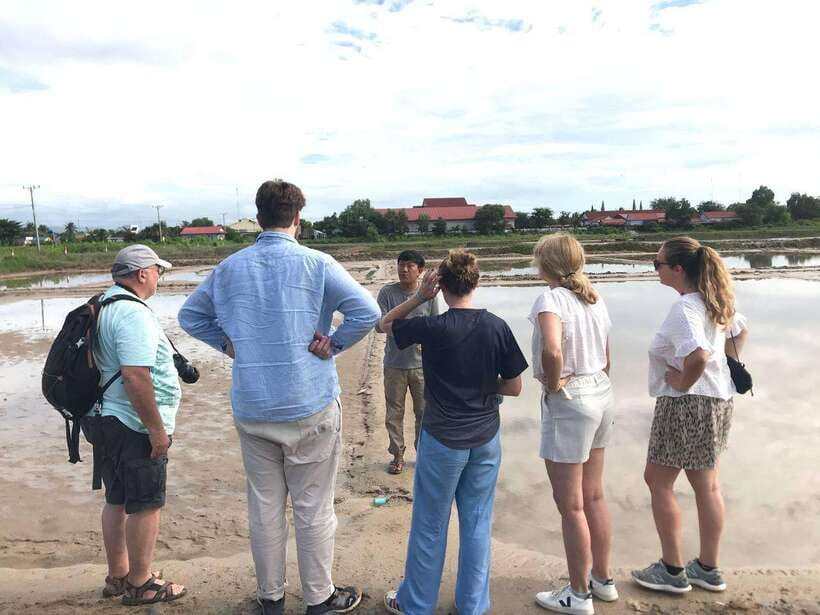
- Salt fields first: you start with photo-worthy walking time and a real look at harvest practices
- Brateak Krola Lake break: a quiet pause where your driver shares local context
- Organic pepper lessons at La Plantation: learn how Kampot pepper is grown and produced
- French support at the farm: ask for a French-speaking guide during the La Plantation stop
- Phnom Chhngok Cave with artifacts: limestone formations plus guided exploration
- Good value for $21: entrance fees and share-tuk-tuk transport are included
Salt fields in Kampot: where the day turns white and photogenic
The tour starts at your pickup point in Kampot Province, then you head straight to the salt fields, with a short scenic drive along the way. You get time for a first photo stop and a guided look at the harvesting process, plus a bit of walking once you’re there. This matters because salt farms are one of those places where it’s hard to guess what you’re looking at. With a guide, the scenery becomes a story, not just a view.
The big visual payoff is the contrast: pale salt flats against a big sky. Even if you’re not a serious photographer, you’ll still want your camera ready because the salt patterns create natural compositions. And if you enjoy learning how local work happens, the harvesting walk is the kind of small, practical detail that sticks with you later when you see Kampot pepper being produced the next stop.
Now the realistic note: the rainy season can change what you see. The salt may not be as visible, so if your main goal is the bright white look, timing matters. If you’re traveling in wetter months, focus less on expecting a postcard scene and more on enjoying the harvesting explanation and the unique environment.
You can also read our reviews of more tours and experiences in Kampot Province.
Brateak Krola Lake: calm nature time without a big production
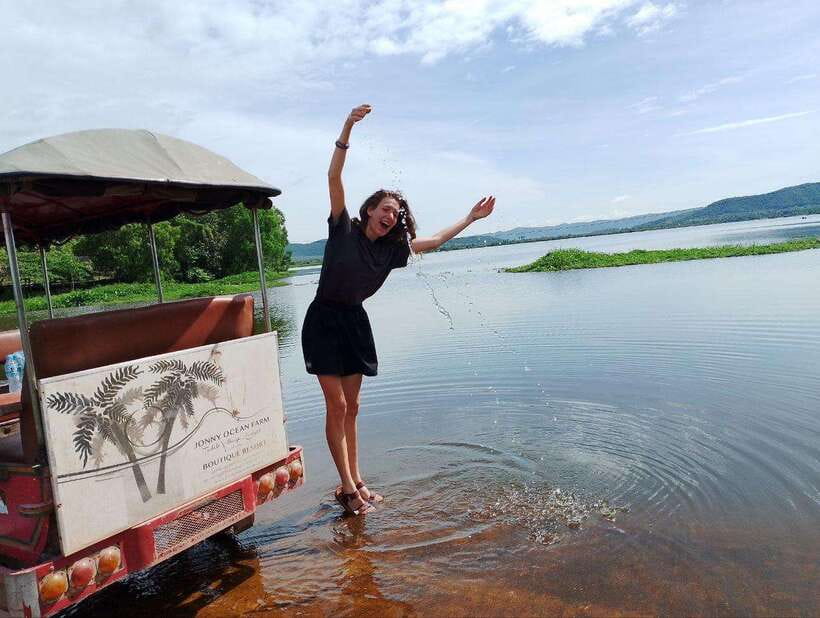
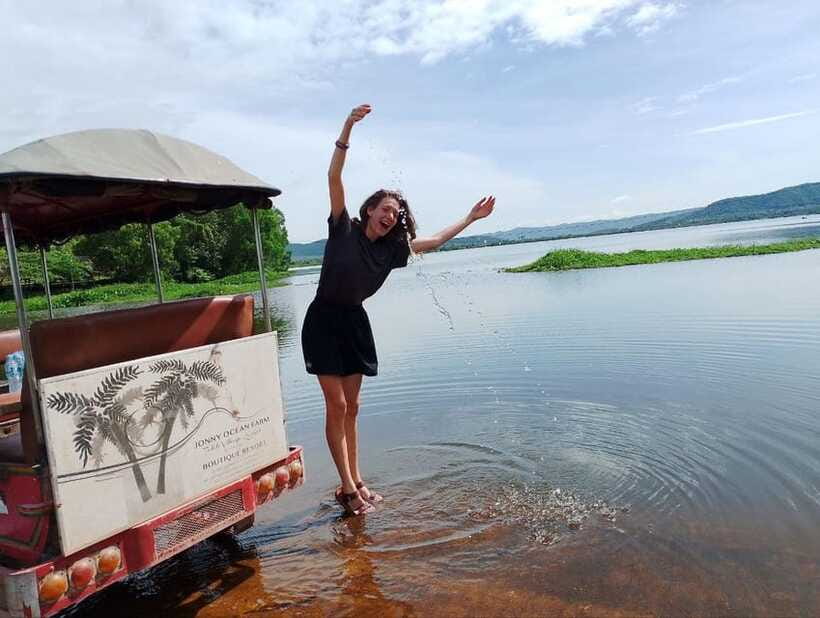
After the salt fields, you shift from working fields to quiet water. The stop at Brateak Krola Lake is described as tranquil and surrounded by lush nature, and it functions like a mental reset. This is where the tour slows down, and it’s not about ticking boxes.
You typically arrive, take in the views, and enjoy a peaceful break while your English-speaking tuk tuk driver (also your guide) shares insights about the area. That combination is smart. A lake like this is easy to ignore if you only rush through, but spending even a short, unhurried stretch there helps you understand why people like Kampot in the first place: it’s not only about famous sites.
If you’re the type who likes getting away from traffic and tour crowds, you’ll likely appreciate this break. And if you’re the opposite, meaning you like constant action, consider this your chance to recharge so you have energy for the more physical parts later (the walking and cave exploration).
La Plantation pepper farm: organic farming that makes Kampot pepper make sense
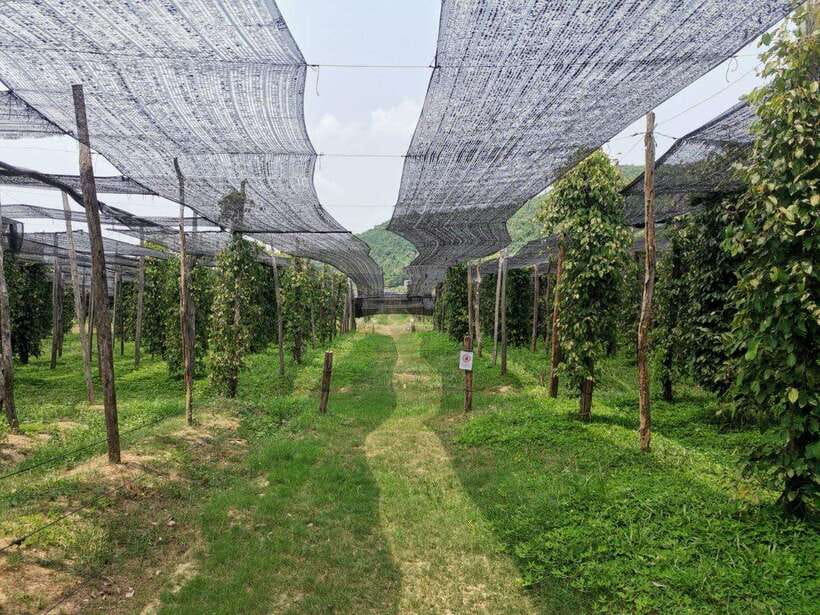
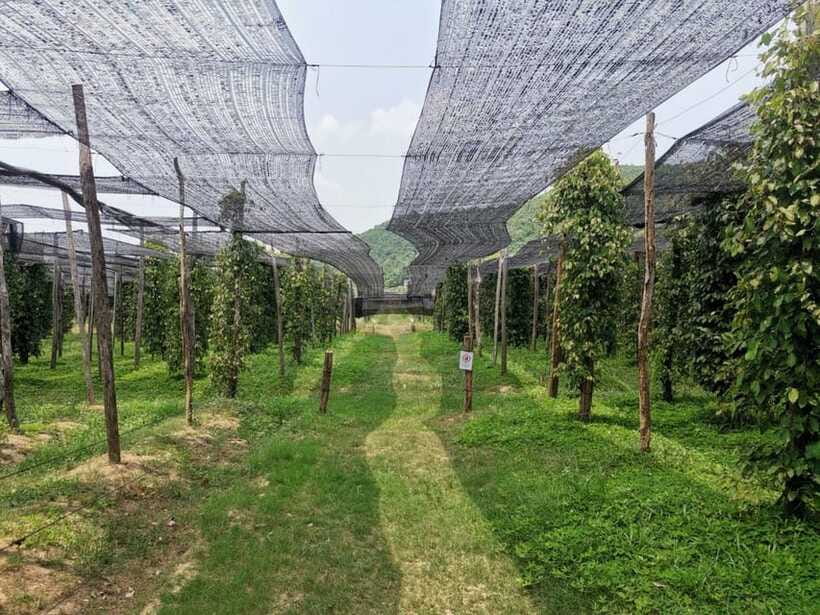
Next comes the La Plantation stop, where you learn organic farming and how Kampot pepper is produced. This is one of the most valuable parts of the day because it connects what you can buy in shops to what actually grows in the ground.
You’ll get a guided tour focused on the pepper farm process, including how organic practices fit into the cultivation and production steps. You’ll also have time for shopping, which is practical: if you end up loving what you learn, you can pick up pepper afterward while it’s still fresh in your mind.
A nice detail here is language flexibility. Your tour uses an English-speaking driver as your tour guide, but a French-speaking tour guide is available at La Plantation. If you want the pepper lesson fully explained in French, this is the moment to ask for it before you move on.
From the reviews, one standout theme is how much people appreciated the guide being friendly and clear—especially when they could get the farm explanation in the language they preferred. If you’re the kind of traveler who likes to understand what you’re buying, this stop is where the day justifies its price.
Phnom Chhngok Cave: limestone formations and ancient artifacts with a guide
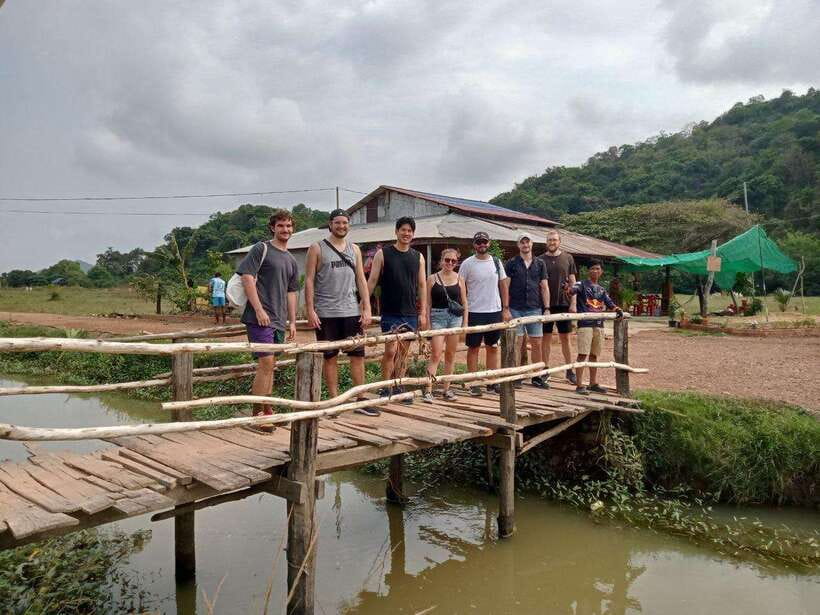
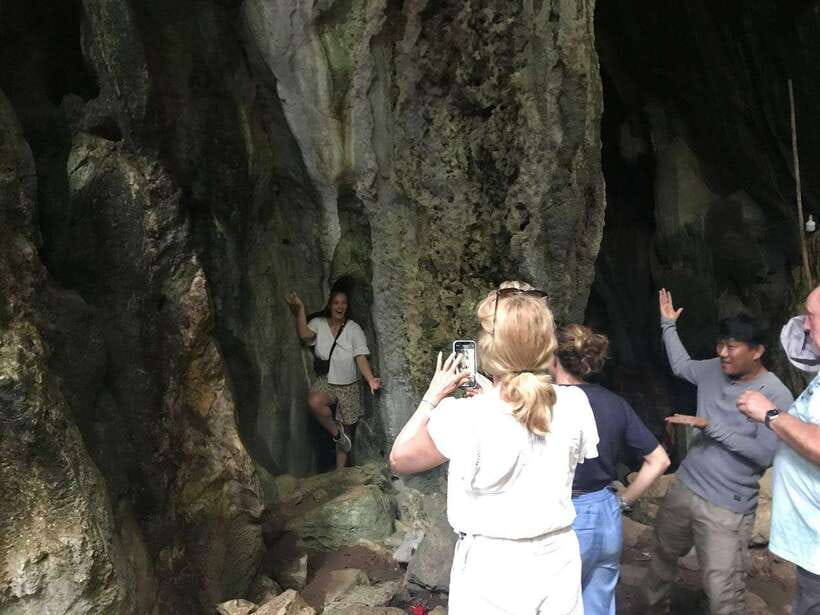
After La Plantation, the tour heads to Phnom Chhngok Cave. This is where the experience gets more dramatic. The cave is known for limestone formations, and what makes it more than a quick walk-in is the guided exploration of ancient artifacts inside.
Caves are also one of those places where you benefit from a guide’s pointers. Without that, you might walk past interesting features and miss why they matter. With a guide, the cave becomes a guided interpretation—what you’re seeing, and what it likely relates to historically.
You’ll also do some walking and hiking as part of the cave visit. That’s another reason the earlier lake stop is helpful. Save your legs for the underground parts, bring your best comfortable shoes, and expect a slower pace while you look up and around.
Practical thought: caves can feel cooler than the outdoors, but you still need sun protection beforehand. You’ll likely spend enough time out in daylight earlier that sunscreen and a hat are worth it, even if the cave is shaded.
The route, timing, and the included value of your $21
Let’s talk value, because this tour is priced at $21 per person for about 6 hours, and it includes a lot of the hard-to-guess costs.
What is included:
- Entrance fees
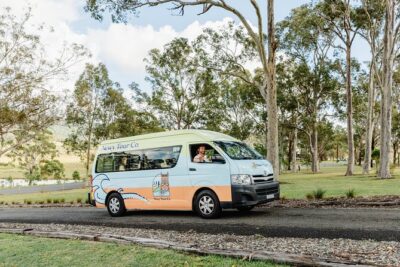
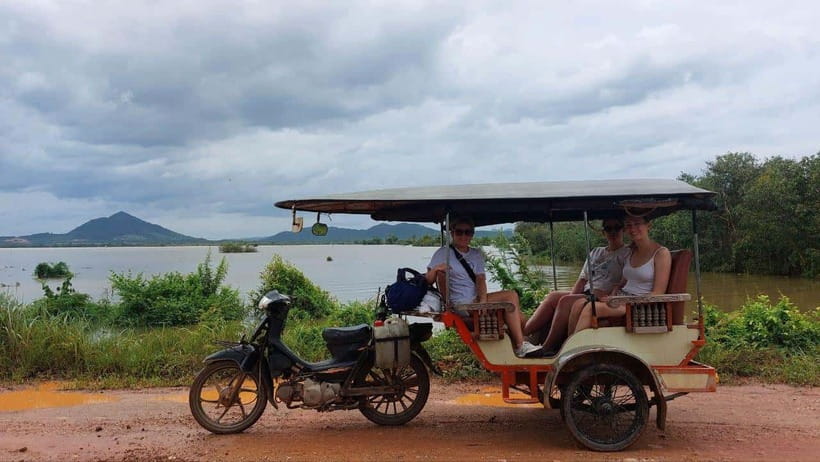
- Share transportation by tuk tuk
- Pickup and drop-off at hotels in town only
- An English-speaking driver who acts as your guide
- A French-speaking tour guide available at La Plantation
What you should watch for:
- Meals are not included. This is important because the tour runs long enough that you might want a plan for lunch snacks on your own.
- Your pickup zone is limited. There’s an extra charge of US$5 if your hotel is 3 km from Durian Roundabout.
There’s also an optional add-on: you can add the Crab market at Kep for US$10 per person. It’s not presented as a main part of the itinerary, so treat it as a flexible extra rather than a guaranteed component.
One unusual detail in the timing is a stop listed around 841 Santa Fe Dr, which includes a break plus photo time and some walking/hiking. Even if you’re not sure what that specific place is ahead of time, the key point is simple: you get a break during the day. That makes a 6-hour outing feel more human, especially when you’re moving from sun to shade to underground.
If you’re comparing options, the real “value” isn’t just the cost. It’s that you’re getting multiple distinct experiences—salt fields, lake, pepper farm, cave—without needing to coordinate separate transport or tickets.
What to pack and how to stay comfortable in Kampot heat
This tour involves photo stops, walks, and some hiking, plus time outdoors before the cave. So pack like you’re doing a half-day of active sightseeing, not a pure sit-and-stare excursion.
Bring:
- Comfortable shoes
- A hat
- Sunscreen
- Camera
- Water
Also consider: a small, reusable bottle. Hydration is a simple way to avoid a bad mood later in the afternoon.
Not allowed: smoking. So if you’re traveling with someone who smokes, it’s best to set expectations beforehand.
If it’s a hot day, you’ll appreciate the fact that the tour includes shaded and cooler sections like the lake and the cave. Still, the salt fields and farm stops are likely under strong sun, so your sunscreen and hat are not optional extras.
Who should book this tour (and who might want to choose something else)
This experience fits best if you like hands-on learning and want more than just a viewpoint. You’ll likely enjoy it if you:
- Want to see how salt harvesting works instead of just photographing salt
- Care about why Kampot pepper tastes different and how it’s produced
- Enjoy guided cave exploration with explanations about limestone features and artifacts
- Prefer a small, practical day plan without complicated logistics
It may not be the best fit if:
- You need step-free, low-mobility options, because the tour includes walking/hiking elements
- You’re traveling with children under 6, since it’s not suitable for that age group
If you’re the kind of traveler who likes friendly guides, this tour has that going for it. In the feedback, guides are repeatedly described as super nice, and people especially loved getting the pepper farm explanation in French when they asked.
Should you book the Kampot pepper farm tour?
I think you should book this tour if you want a balanced day that mixes work scenery (salt), quiet nature (Brateak Krola Lake), a product story (organic Kampot pepper at La Plantation), and a real underground stop (Phnom Chhngok Cave). For $21 with entrance fees included and hotel pickup in town, it’s a sensible value—especially if you’d otherwise have to pay for separate tickets and transport.
I’d be slightly more cautious if you’re visiting during the rainy season and your top priority is seeing dramatic white salt fields. The cave and pepper farm parts are still worth it, but the salt visuals may not match the sunny-season photos.
If you want, tell me when you’re going (month is enough) and where you’re staying in Kampot, and I can help you decide whether this tour’s timing is likely to suit your expectations.
FAQ
How long is the Kampot Pepper Farm Tour?
It runs for about 6 hours.
What is included in the $21 price?
Entrance fees are included, along with share transportation by tuk tuk, pickup and drop-off in town, and an English-speaking driver who serves as your guide. A French-speaking tour guide is available at La Plantation.
Are meals included?
No. Meals are not included.
Is the pickup included for every hotel in Kampot?
Pickup and drop-off are included only for hotels in town. There is an extra charge of US$5 if your hotel is 3 km from Durian Roundabout.
Can I get French guidance during the pepper farm visit?
Yes. A French-speaking tour guide is available at La Plantation, so you can ask for French during that stop.
Is this tour suitable for children or people with mobility issues?
It is not suitable for children under 6 years and is not recommended for people with mobility impairments.