REVIEW · AKAROA
Shamarra Alpaca Farm Tours
Book on Viator →Operated by Shamarra Alpaca Farm Tours · Bookable on Viator
Alpacas with Akaroa views are hard to beat. Shamarra Alpaca Farm Tours is a simple, hands-on stop where alpacas are right there for petting, feeding, and plenty of photos, and the Akaroa Harbour setting makes the whole visit feel extra special. I also like how the staff build the experience around learning how to interact respectfully, not just milling around.
One thing to plan for: the price covers entry, but transport is not included, so if you don’t have a car (especially from a cruise day), you’ll need to line up a ride ahead of time.
In This Review
- Key highlights to look for
- Where Shamarra Alpaca Farm fits in your Akaroa day
- Your 1-hour visit: how the farm experience is structured
- The alpaca lessons you’ll actually remember
- The Akaroa setting turns selfies into something better
- Pricing: is $38.26 good value?
- Who should book Shamarra Alpaca Farm Tours
- Should you book this alpaca farm tour?
- FAQ
- How long is the Shamarra Alpaca Farm Tours experience?
- What does the ticket price include?
- Is transport provided to the farm?
- Is the farm open year-round?
- Is it family friendly?
- What happens during the visit?
- What if weather is bad?
Key highlights to look for
- Close-up time with alpacas, including petting and hand-feeding
- Three distinct farm areas for a varied, not-stale-feeling visit
- Raising questions, getting answers: how alpacas live and how to interact safely
- Rain-ready staff who provide raincoats if weather turns
- Panoramic views from the slopes over Akaroa Harbour
- Star alpaca moments, including Rising Sun as a fan favorite
Where Shamarra Alpaca Farm fits in your Akaroa day
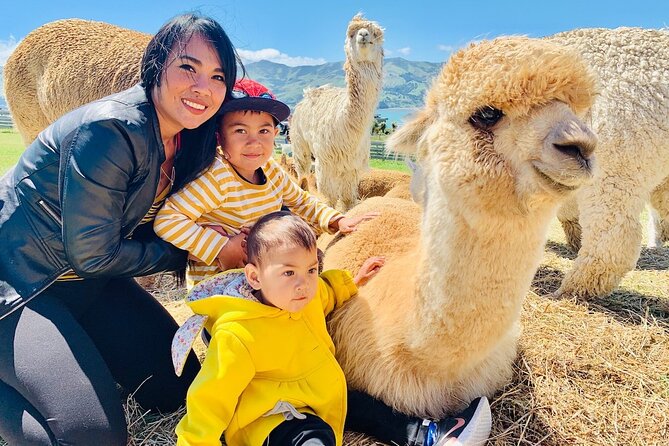
Shamarra Alpaca Farm Tours is based in Akaroa, with a setting that feels made for short trips: you’re close to town, but you’re also up on the slopes with wide views. It’s a bit of a drive from Christchurch Central (about 73 km), but for an Akaroa visit it’s a practical add-on.
Here’s what matters for planning: the experience does not include transport. You’re looking at self-drive, or arranging a provider directly. That sounds easy until you’re dealing with cruise timing or limited local rides. Akaroa is charming, but it isn’t set up like a big city with constant taxi availability.
If you’re coming from Christchurch, you can treat the farm as a half-day-friendly activity: drive in, enjoy the farm, then keep exploring Akaroa’s waterfront culture and architecture afterward. If you’re starting in Akaroa, the timing is easier—about a 20-minute trip—so you can more confidently stay flexible if the day runs long.
My practical tip: if you don’t already have wheels, confirm your ride plan early. If you’re trying to avoid last-minute stress, contacting the farm directly about transport options is the safest move. The farm has pointed people to transport providers and taxis depending on whether they arrive via Lyttelton or directly into Akaroa.
You can also read our reviews of more tours and experiences in Akaroa.

Your 1-hour visit: how the farm experience is structured
The visit is about an hour, and it’s paced well. You don’t feel rushed the whole time, but you also don’t get stuck in a long, slow tour. The experience flows through three areas, so you get variety: interaction, observation, then feeding.
First area: you meet the alpacas up close. This is the part that makes the whole trip worth it. You’ll be able to pet them and get comfortable with their personalities. The staff also guide you on how to approach calmly and interact respectfully, which matters because alpacas are curious, not machines. If you’ve never met one, this is a friendly “start here” zone.
Second area: you’ll see newborn alpacas. You can look, but you can’t pet them for obvious reasons. This section adds real educational weight. Watching tiny newborns from a distance helps the whole experience feel grounded in animal care, not just cuteness.
Third area: you feed the alpacas. You’re given grass in bowls, and you get the fun of watching them come in and eat. It’s a great photo moment and a great “my kids will remember this” moment, because it’s hands-on without being chaotic.
If the weather is bad, you’re not left holding a wet brochure. When it was raining on arrival, staff provided raincoats—so you can still do the visit without turning it into a miserable dash between shelters.
The alpaca lessons you’ll actually remember
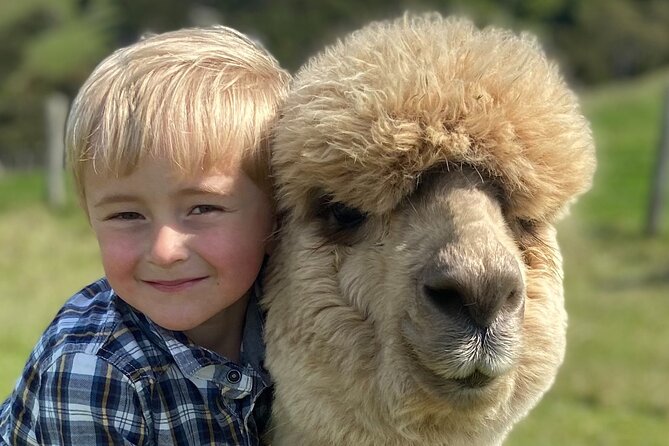
This is one of those animal experiences where the education doesn’t feel like homework. The staff share key points about how alpacas live, and they also help you understand how to interact.
You’ll learn the basics of alpaca care and their friendly nature, and you’ll get context on how alpacas differ from llamas. You’ll also hear practical info like temperament and how alpacas behave in different situations. Some of the most memorable bits are the small “how it works” topics: colors of fleece, the basics of the mating cycle, and how males and females can differ in behavior.
And yes, you might hear about spitting. It’s not scary, but it’s real alpaca behavior, and knowing that ahead of time makes it less of a surprise. The staff also encourage respectful interaction, including how to offer food and how close to get.
The guides make a difference, and names show up in people’s experiences. Jean is mentioned as a standout, especially when guiding visitors through what to do and what not to do. Another guide named I is also credited with being highly informative and encouraging hands-on interaction. Either way, the goal stays the same: you leave knowing that alpacas are animals with rules—not just props.
One more detail worth noting: Rising Sun is treated like a star alpaca. If you’re the kind of person who likes spotting “the main character” of an animal encounter, you’ll enjoy that extra attention.
The Akaroa setting turns selfies into something better
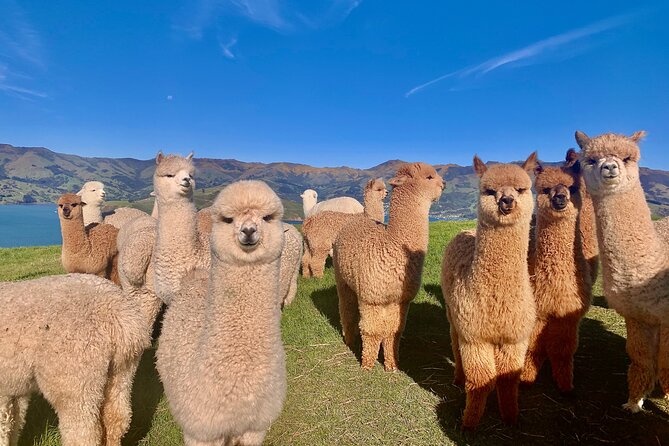
A farm visit is one thing. A farm visit with panoramic harbor views is another level. Shamarra’s location gives you an “up high” perspective over Akaroa Harbour, framed by rolling hills and craggy volcanic country. That means even between alpaca moments, you’re looking at a view worth pausing for.
This isn’t just about pretty scenery. The setting helps the whole experience feel calm and open. You’re not stuck in a parking-lot attraction. You’re on slopes with natural surroundings, and it makes the hour feel like more than a checklist stop.
Photo-wise, the best moments tend to happen in the interaction areas and feeding zone, because the alpacas come toward you and the background stays scenic. If you’re visiting with kids, they’ll love the “come look” factor, and you’ll love that you get photos without needing to herd anyone across a giant site.
Weather note: Shamarra says the farm is open year-round, and the scenery changes with each season. Still, the experience requires good weather, so check conditions for your day and be realistic if weather is rough.
Pricing: is $38.26 good value?
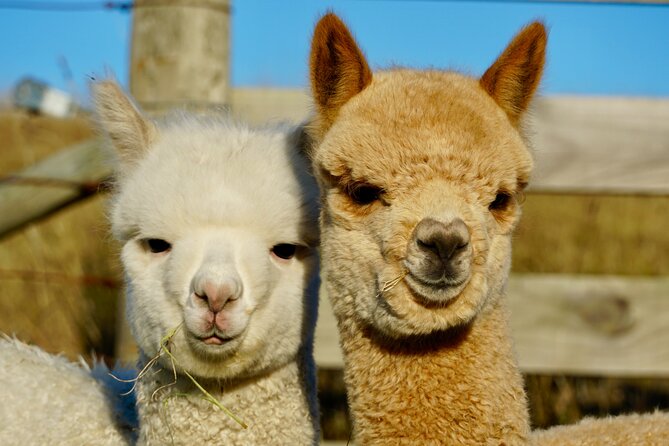
At $38.26 per person, this is priced like an actual experience with access time, guided interaction, and included entry. You’re not just paying to see alpacas from behind a fence.
Here’s what you get that supports the price:
- Admission tickets to the alpaca farm are included
- You get time to pet and feed alpacas
- You also get staff-led learning about care and behavior
- It’s about an hour, so it’s easy to fit into an Akaroa schedule without losing half your day
One reason it feels like good value is the mix. You’re getting interaction (petting), education (how they live and how to behave around them), and a simple payoff activity (feeding bowls). Many animal attractions only do one of those. Here, it’s bundled in.
Also, the farm environment helps. When it’s raining, raincoats are provided, which means you’re more likely to get the full experience rather than cutting it short.
If you’re deciding between multiple short stops in Akaroa, this is the one that delivers the most “direct contact” time for your money.
Who should book Shamarra Alpaca Farm Tours
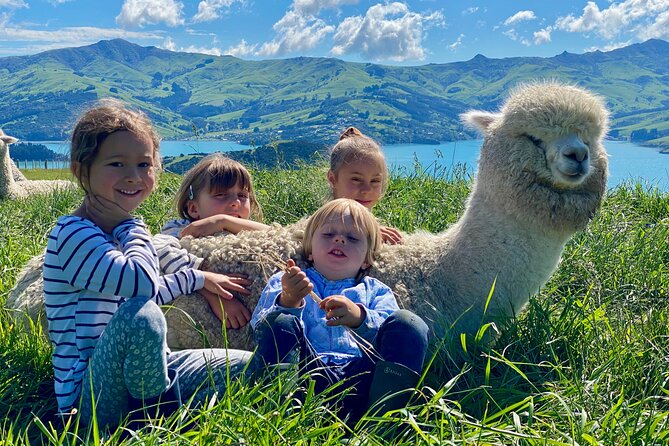
This is ideal for families. Kids and adults both get something: kids get the cuddles and feeding, while adults get the why behind the behavior—how to interact respectfully, what makes alpacas different, and how care works.
It’s also a strong choice for animal lovers who want close contact without a complicated setup. The visit is straightforward, and most people can participate.
If you’re traveling with grandparents or anyone who prefers not to hike, the one-hour format helps a lot. And because it’s open year-round, it can fit different trip styles—from spring scenery to colder-season calm.
The main fit issue is logistics. If you don’t have a car and you’re arriving on a cruise day with limited local ride options, you may need to plan transport early. This is not a reason not to book. It’s a reason to book smart.
Should you book this alpaca farm tour?
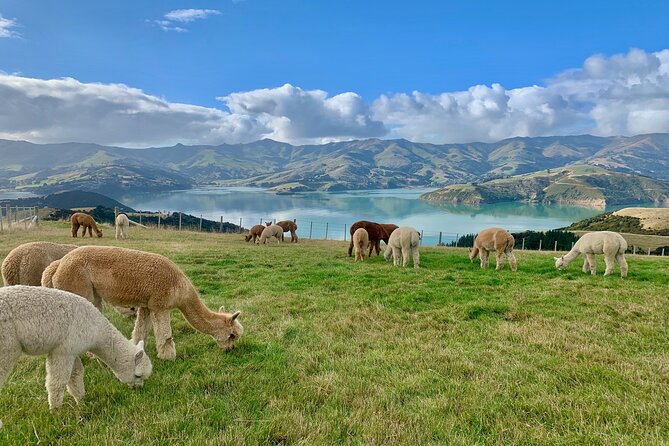
I think you should book Shamarra Alpaca Farm Tours if you want a high-value, hands-on hour in Akaroa: petting, feeding, and clear animal education in a scenic volcano-slope setting. It’s the kind of experience that works when you want something simple but memorable, especially if you’re traveling with kids.
Before you click confirm, do two quick checks:
- Can you get to the farm reliably without last-minute scrambling?
- Is your day likely to have decent weather, since the experience requires good conditions?
If you answer yes, this is an easy win for an Akaroa day. If you answer no on transport, still consider it—but arrange a ride plan first.
FAQ
How long is the Shamarra Alpaca Farm Tours experience?
Plan for about one hour to visit the farm.
What does the ticket price include?
Your ticket includes entry admission to the alpaca farm. GST is also included.
Is transport provided to the farm?
No. You’ll need to self drive or contact Shamarra Alpaca Farm Tours for transport providers.
Is the farm open year-round?
Yes, the farm is open year-round, with changing scenery across seasons.
Is it family friendly?
Yes. The experience is described as fun and family friendly, and it’s suitable for both kids and adults.
What happens during the visit?
The experience is run through three areas: petting time, viewing newborn alpacas (you can’t pet them), and a feeding area where you’re given grass in bowls.
What if weather is bad?
The experience requires good weather. If it’s canceled due to poor weather, you’ll be offered a different date or a full refund. Raincoats have been provided when it was raining on arrival.