REVIEW · ALAJUELA
Chocolate and Coffee Tour Farm Don Jorge
Book on Viator →Operated by Martin · Bookable on Viator
Cacao tastes better after the hike. At the Don Jorge Chocolate and Coffee Farm in Costa Rica’s Alajuela province, you get a close-up look at cacao and coffee in a way that feels personal, not factory-fast. Expect time on a working small-scale farm, lots of tasting, and a guide who explains how these crops go from plant to product.
I especially love the make-your-own part. You won’t just sip hot cocoa and move on. You’ll take part in hands-on chocolate making, and you’ll also get to taste coffee and other farm-grown treats while you learn the steps.
One thing to consider is that the experience is weather dependent. The property has a hike to a waterfall, and if conditions aren’t ideal you may need to adjust what you can do there, even if the tasting and farm time continue.
In This Review
- Key highlights to look for
- Where you’ll start in Alajuela (and why location matters)
- A 2-hour tour schedule that doesn’t rush your senses
- Cacao and chocolate making: more than hot cocoa
- Coffee production and tasting: from plant to cup
- Sugarcane, fruit, and the drink side of the farm
- The waterfall hike and swim spot on the property
- Guides who actually talk, teach, and joke with your group
- Price and value: $50 for a working farm meal-in-miniature
- Who should book Don Jorge (and who might prefer something else)
- Should you book the Chocolate and Coffee Tour Farm Don Jorge?
- FAQ
- How long is the Chocolate and Coffee Tour Farm Don Jorge?
- How much does the tour cost?
- Is the tour private?
- Where is the meeting point?
- Is it close to public transportation?
- Can I bring a service animal?
- What happens if the weather is bad?
Key highlights to look for
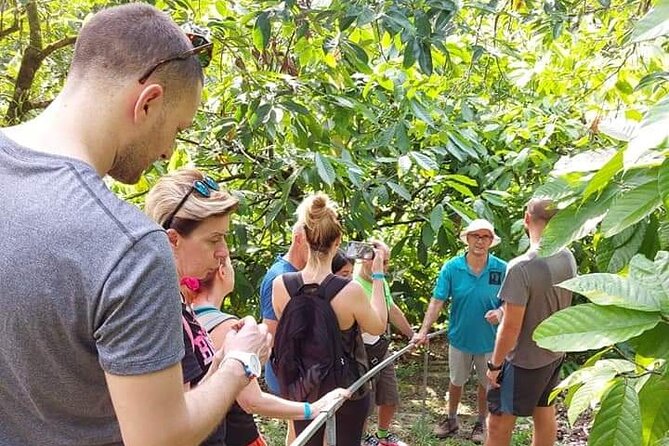
- Small family farm feel: the tour runs like a family operation, not a production line.
- Make chocolate yourself: you can participate in forming chocolate bars and tasting what you helped create.
- Coffee, cacao, and sugarcane tastings: expect multiple drink and food samples from the farm.
- Waterfall time on the property: a guided walk can lead to a swimming spot when conditions allow.
- Guides who work the group: names you may hear include Fabrizio/Fabricio, Alexis, and Gabriel, and they’re focused on keeping it interactive.
Where you’ll start in Alajuela (and why location matters)
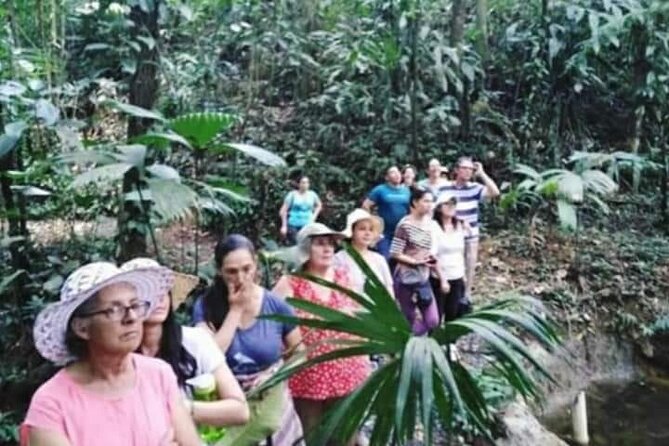
This tour is based in the Alajuela area of northern Costa Rica. The big idea here is farming in a region shaped by volcanic activity and lush growth—active volcano country, rainforest areas, and lowland swamps are part of the wider picture of the province. That matters because cacao and coffee don’t grow in a flat, uniform world. Soil, moisture, and microclimates all affect the crop.
You’ll meet at the location shown as C9HP+39 near Burrito in Alajuela Province, and the activity ends back at the same meeting point. That simple start-to-finish loop is one reason this works well for people who don’t want a long, complicated day of transfers.
It’s also set up as a private tour/activity, meaning only your group participates. That turns the whole vibe from group-school to real conversation. If you have kids who want to ask why something grows a certain way, or you just want details about how the processing works, this format gives you room to do that.
A 2-hour tour schedule that doesn’t rush your senses
The tour runs about 2 hours. In that short window, the team focuses on getting you the main story: coffee and cacao production, plus tasting what the farm makes along the way.
You should expect a steady rhythm: walk a bit, stop and explain, taste, then do a hands-on activity. Several guides in different groups are described as keeping things engaging and moving, and the hands-on parts are what make the time feel worthwhile instead of generic.
Because the schedule is tight, it helps to come ready to taste and participate. If you’re used to tours where you only watch, this one will feel more active. Even if you don’t make every product end-to-end, you’ll still get meaningful participation, not just a sample plate.
Cacao and chocolate making: more than hot cocoa
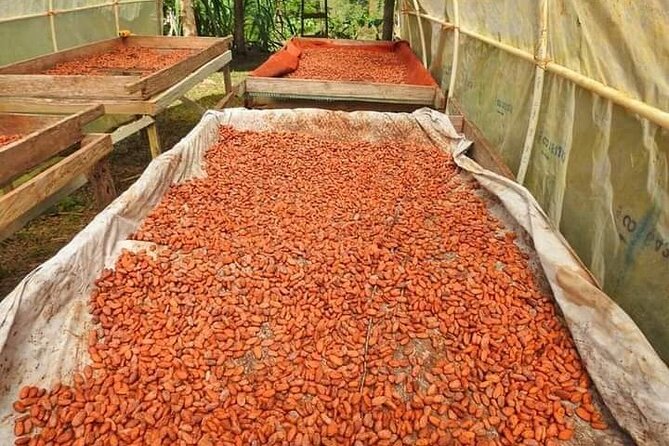
Cacao is the star, and you’ll get more than a background lecture. On this farm tour, you’ll see cacao plants and learn how cacao becomes the chocolate you recognize in stores.
The hands-on highlights are the main reason to book. You can make your own chocolate bars, and you can also participate in producing chocolate items that turn into tastings during the tour. One of the coolest details from the experience is that you may get to taste a cocoa bean straight from the pod, which gives you an immediate sensory comparison—earthy, intense, and nothing like the sweetness people expect.
Hot chocolate is treated as a real part of the process too. You’re not just handed a cup and sent away. Instead, you learn how traditional hot chocolate fits into cacao use, then you get to taste it as part of the story.
Practical tip: plan for sticky fingers. If you’re the type who hates mess while traveling, bring a few wipes. You’ll thank yourself when the chocolate-making part gets hands-on.
Coffee production and tasting: from plant to cup
Coffee is part of the walk and part of the drink line-up. You’ll get explanations of coffee’s journey—how it’s raised, harvested, and processed—paired with tastings. The guides use clear explanations and answer questions as you go, which is a big deal for coffee fans who want more than just a quick flavor description.
Tasting on this tour isn’t limited to one cup. Depending on the flow of your particular group, you might try farm coffee in a few forms, including something you drink while you’re on the property and maybe a refresher moment when the day’s pacing shifts.
If you’re planning to do other food tours in the area, keep this one early or mid-day. You’ll want your palate fresh for the cacao, coffee, and other samples that come with it. Coffee later in your trip can blur the differences if you’ve already had strong espresso-style drinks that morning.
Sugarcane, fruit, and the drink side of the farm
This is not a coffee-and-cacao-only tour. You’ll likely taste sugarcane juice and other farm foods along the way.
Sugarcane is a standout because it’s straightforward and fun. You might even participate in making sugarcane juice, then taste it as a fresh, bright drink. That’s a nice contrast to cacao, which can be darker and heavier.
Several groups also describe getting extra adult-leaning options, like sugarcane moonshine or a sip connected to traditional alcohol on the farm side. The key word is optional: you can decide if you want those samples. If you’d rather stick to non-alcoholic tastings, you can usually keep it simple and focus on coffee, hot chocolate, and fruit.
Fruit shows up too. One of the sweetest touches is that you may be served fresh pineapple from the farm. It’s a small thing, but it helps connect the dots: this isn’t a themed shop. It’s a real working property with multiple crops and a working rhythm.
The waterfall hike and swim spot on the property
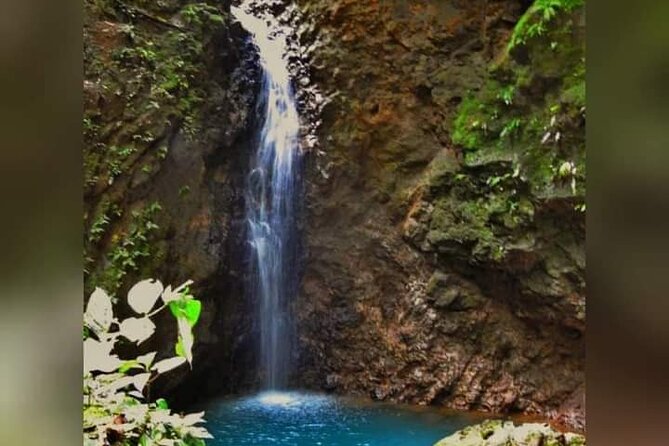
One of the most memorable parts is the walk down to a waterfall on the property. A guide may lead you along a jungle-style path, and the goal is the waterfall view and, when conditions allow, a swimming hole.
Bring the right gear. If you want the full experience, pack a bathing suit and water shoes. More than one group specifically calls out bringing these items, because the path isn’t a smooth sidewalk and the water portion can be uneven.
Weather can change what you do at the waterfall. The tour requires good weather, and if the path or swim conditions aren’t safe, you may end up enjoying the waterfall as a view rather than a swim. One group mentioned the path being affected due to recent conditions, but they still found a way to make the day work—so the main win stays the farm time and tastings.
Even if you don’t swim, the walk is part of why this feels real. You’re moving through the same environment the farm works inside, with birds and tropical plants around you. It’s harder to fake that than it is to sell chocolate in a shop.
Guides who actually talk, teach, and joke with your group
This tour lives or dies on the people running it. In this case, the guides are repeatedly praised for being engaging and good at explaining. Names that show up in different groups include Fabrizio/Fabricio, Alexis, and Gabriel, and you might also hear from family members involved in the operation.
What I like about this kind of guide style is that it turns questions into part of the tour. Instead of you trying to squeeze a question into a gap between stops, the guide answers while you’re walking, tasting, and making. Kids also get attention in a way that keeps them from fading out halfway through.
There’s also a practical side: guides help you understand what you’re tasting. Coffee becomes more than a brown liquid. Cacao becomes more than candy. You start to connect flavor with processing and growing, and that makes the experience stick long after the chocolate is gone.
Price and value: $50 for a working farm meal-in-miniature
At $50 per person for about 2 hours, this doesn’t feel like a “pay for a ticket and sample one bite” kind of deal. The value comes from doing multiple things with the same guide: tasting coffee, cacao, sugarcane juice, and farm-made items, plus participating in making chocolate.
Also, you may be able to take home chocolate that you made. That turns the tour from a temporary experience into something you get to repeat at your lodging later.
Is it a luxury day? Not really. Is it a solid, hands-on food and culture experience in Costa Rica? Yes. If you compare it to more commercial tastings where you mostly stand and watch, the difference is participation.
One more small value point: the format is private. That can matter a lot if you’re traveling with kids, older relatives, or just a group that wants to ask questions at a natural pace instead of waiting for a big tour rhythm.
Who should book Don Jorge (and who might prefer something else)
This tour is a great fit for:
- Families with kids who enjoy hands-on activities.
- Couples who want a memorable, food-focused morning or afternoon without a long drive.
- Solo travelers who like learning directly from the people who grow and process the products.
- Teenagers and adults who want real steps and real tastings, not a quick show.
If you’re the kind of traveler who hates hiking at all, you might still enjoy the farm portion, but the waterfall walk is a big part of what people rave about. For full value, plan to wear shoes that can handle a damp path.
If your travel window is short, consider booking sooner. On average, this experience is booked about 19 days in advance, so popular times can fill.
Should you book the Chocolate and Coffee Tour Farm Don Jorge?
I think you should book it if you want a hands-on food tour that treats cacao and coffee like real farm products, not just souvenirs. The biggest pull is the combination of making chocolate, tasting multiple farm items, and adding a guided hike to the waterfall area.
I’d hold off only if you’re traveling when weather is unreliable and you can’t handle the possibility of the waterfall segment being limited. Otherwise, this is one of those experiences where the time feels packed with meaning, and you’ll leave with better coffee and cacao questions than you started with.
If you want an authentic Costa Rican farm afternoon in the Alajuela region—less staged, more interactive—this is a very sensible pick.
FAQ
How long is the Chocolate and Coffee Tour Farm Don Jorge?
The tour lasts about 2 hours (approx.).
How much does the tour cost?
It costs $50.00 per person.
Is the tour private?
Yes. It’s a private tour/activity, and only your group participates.
Where is the meeting point?
You’ll meet at C9HP+39 near Burrito in Alajuela Province, Costa Rica, and the tour ends back at the same meeting point.
Is it close to public transportation?
Yes, it’s listed as near public transportation.
Can I bring a service animal?
Yes. Service animals are allowed.
What happens if the weather is bad?
The experience requires good weather. If it’s canceled due to poor weather, you’ll be offered a different date or a full refund.