REVIEW · BIG ISLAND OF HAWAII
Abalone Farm Tour
Book on Viator →Operated by Big Island Abalone · Bookable on Viator
Abalone is weirder than you think. This 1-hour visit turns Kona-area seafood into a real, hands-on lesson, with a guide explaining how abalone can be raised sustainably on a tropical island. You’ll be up close with the animals, not just looking at them from a distance, and the tour ends with included tastings.
I love the practical, tactile part—touching live abalone and seeing other sea creatures during the walk. I also like that you get abalone and seaweed tasting built into the experience, so the learning has a tasty finish instead of ending on an empty stomach.
One thing to consider: it’s an outdoor farm experience, so plan for sun and bring water and a hat. Also, this tour depends on good weather, so rain can change plans.
In This Review
- Key highlights at a glance
- Why an abalone farm tour makes sense in Kona
- Entering the working farm: the 1-hour walk around
- What you’ll likely notice as you go
- Touching live abalone and seeing sea life up close
- How abalone farming fits Hawaii’s tropical reality
- The tasting stop: abalone and seaweed samples
- If you want more than the included tasting
- Price and value: is $35 worth it?
- How to time it: a simple Kona day plan
- Who will enjoy this most (and who might not)
- What to bring and how to get the most out of it
- Should you book the Abalone Farm Tour?
Key highlights at a glance
- A working abalone farm: you’re seeing how the operation works, not a staged show
- Hands-on moments: you may be able to touch live abalone and other sea life
- Included tasting: abalone plus seaweed items, often with multiple samples
- Small group feel: capped at 20 people, so your guide can actually answer questions
- Family-friendly pace: mostly a walk around, with plenty of engagement for kids and adults
Why an abalone farm tour makes sense in Kona
When you visit the Big Island, most food tours feel like eating routes. This one is different. It’s a short, focused farm walk where you learn why abalone matters, how it’s raised, and what sustainable farming looks like in real saltwater conditions.
For me, the best part is the mix of science and storytelling. The guides explain not just the process, but the “why.” You’ll hear how abalone is farmed responsibly and why this kind of aquaculture matters for preserving the species. That context makes the tastings feel earned, not like a random snack stop.
It also helps that the tour is short. About an hour is enough time to learn a lot without eating up your whole day. And since the meeting point is in Kailua-Kona (73-357 Makako Bay Dr), it’s a convenient add-on if you’re timing around other plans.
You can also read our reviews of more tours and experiences in Big Island of Hawaii.
Entering the working farm: the 1-hour walk around
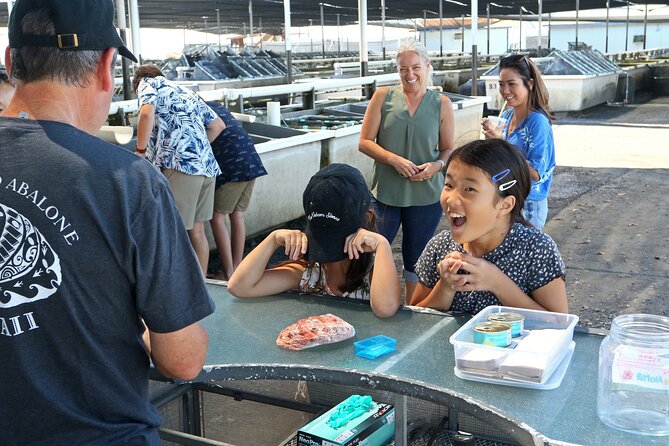
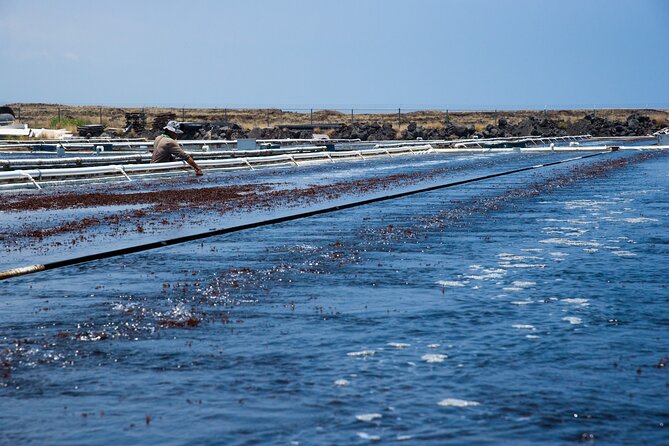
The tour’s main experience is a walk through Big Island Abalone’s farm, guided step-by-step. You’re not just standing in one spot. You move from area to area to see how the system works and how the animals fit into the broader ecology.
Expect an interactive format with lots of conversation. Guides talk through topics like how abalone grow, how the farming process supports the animals, and why the farm practices matter. You’ll also get the kind of small details that make the whole thing click—like how abalone behave and what you’re actually looking at when you’re near the tanks or holding areas.
Many groups report that the pace is manageable, including for older visitors using a cane and for families with toddlers. Most of the walk is outdoors, and shade can help, but you should still dress for the sun. If you’re visiting in a hot stretch of weather, planning water and hat is smart.
What you’ll likely notice as you go
- The farm setup is designed around sea-based growing needs, so everything looks purpose-built, not improvised
- The guide points out where and how things happen in the lifecycle
- You get regular opportunities for questions, not just a lecture
Touching live abalone and seeing sea life up close
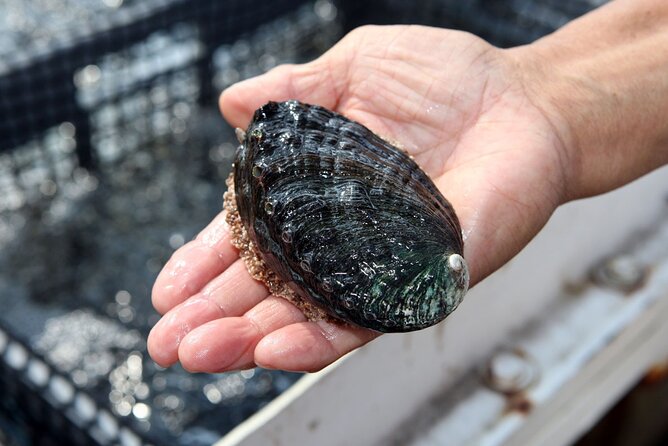
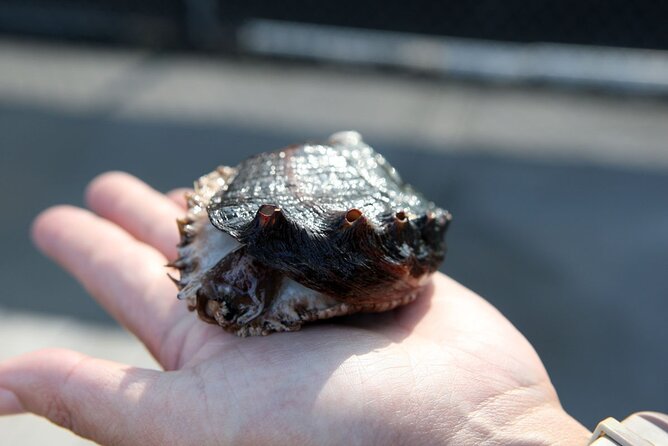
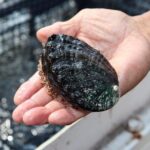
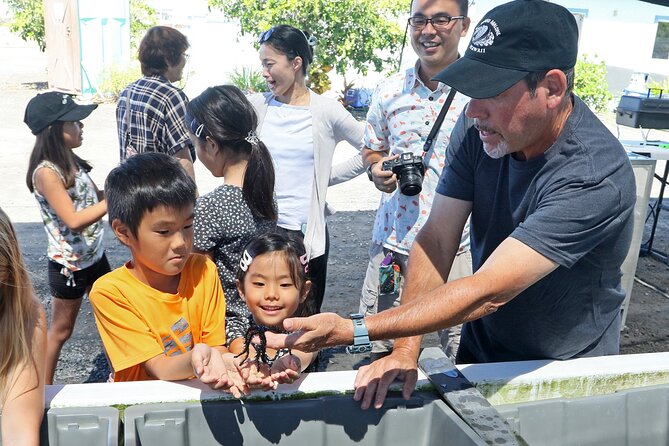
This is the moment that turns the tour from interesting to memorable. The experience includes chances for hands-on interaction, including touching live abalone and other sea creatures. You might hear descriptions that go beyond the shell—like what abalone’s body parts are and what you can observe up close.
In the reviews you’ll see people talk about holding abalone and noticing features like the eyes and the radula (the feeding structure). That type of detail is usually hard to get as a visitor. Here, the guide sets expectations and makes it a guided, respectful way to learn what the animal actually is.
A big practical plus: this interaction doesn’t require advanced physical ability. You’re not doing scuba gear or anything extreme. It’s more like guided up-close viewing and gentle handling, which makes it a rare opportunity for people who don’t normally get hands-on marine access.
One caution: the farm interaction depends on conditions and how your group is set up. So even though touch is often part of the plan, treat it as an included opportunity rather than a guarantee of every single minute of handling.
How abalone farming fits Hawaii’s tropical reality
The guide’s theme is often one simple idea: abalone farming can work on the Big Island, and it can be done sustainably. You’ll learn why the farm focuses on responsible raising and how the operation ties into preserving abalone populations.
Why does that matter to you as a traveler? Because it changes how you think about seafood. Instead of seeing abalone as a luxury item, you start seeing it as a species with survival stakes—plus a food ingredient that can come from better systems.
The tour frames abalone farming as both science and conservation-minded work. Guides also highlight that abalone are not just “seafood,” but an animal with a lifecycle that needs attention. When you understand that, the story behind the product becomes more meaningful when you taste it later.
And if you’re the type who likes asking questions, bring your curiosity. Different guides (Carlos, Kai, and Diana are named by visitors) tend to emphasize different parts of the process, but the consistent thread is clear explanations and lots of group participation.

The tasting stop: abalone and seaweed samples
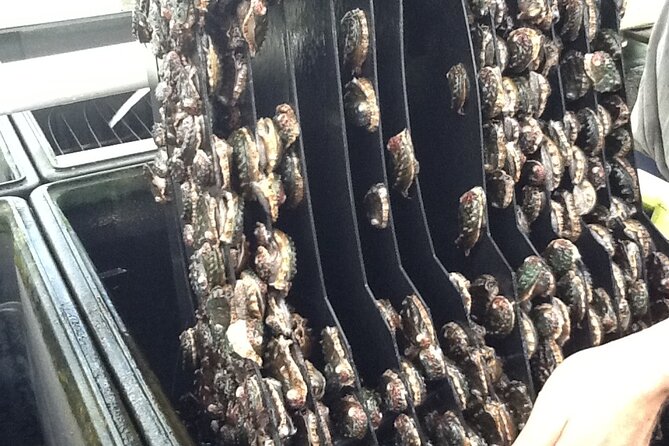
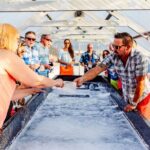
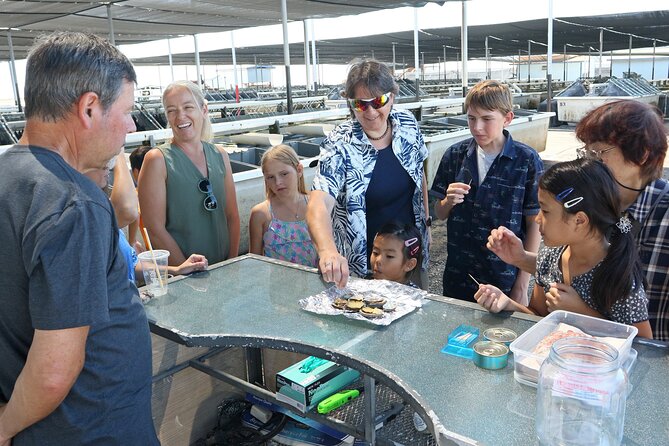
At the end, the tour includes tastings. This is one of the most praised parts of the experience because it turns learning into a real, sensory takeaway.
You’ll get abalone and seaweed items. Reviews mention tasting things like sea grapes and seaweed, with other sea superfoods such as dulse and sea peas also coming up. Some visitors note that the final tastings include a steamed abalone shell portion to eat, which adds a memorable element.
If you love food, here’s what to watch for: a farm tasting is typically about sampling, not replacing a full meal. Most people leave happy, but there’s at least one viewpoint that the samplers could be larger or more varied if you’re coming mainly for eating. My advice: go in expecting a guided taste-and-learn experience, then plan to eat more if you’re craving a full abalone meal.
If you want more than the included tasting
The farm property has an on-site food option. Visitors mention a food truck serving dishes like abalone poke and sushi, plus the chance to purchase fresh abalone. So after your tour, you can either stop with the included samples or extend the experience with more food.
Price and value: is $35 worth it?
At $35 per person, this tour sits in that sweet spot: affordable enough to try on a busy schedule, but focused enough that you get more than a quick photo stop.
Here’s why the value feels strong:
- You get admission plus included tastings (abalone and seaweed), so the price isn’t just for standing around
- Small group size helps you actually interact with the guide
- Hands-on moments are rare on island tours, especially with live sea animals
- It’s time-efficient: about an hour is easy to fit into Kona plans
If you’re traveling with kids, the value also improves. Families often say the tour works across ages, including toddlers and grandparents, because it’s interactive and not physically demanding.
If you’re strictly budget-driven and want only a food experience, you may prefer eating at the food truck and skipping the tour. But if you care about the story behind the ingredient—how abalone farming works and why sustainable practice matters—this is one of the more educational ways to spend money in Kona.
How to time it: a simple Kona day plan
Because the tour is about an hour, you can build a day around it without stress. It also helps that the meeting point is in Kailua-Kona, making it practical if you’re organizing around where you’re staying.
A useful approach:
- Slot the tour around a low-commitment window in the middle of the day
- Wear sunscreen and plan water for the walk
- Use the food truck after the tour if you want a full meal or extra abalone dishes
Some visitors mention they booked because they had extra time before leaving Kona. That’s a smart use of time—when you only have a short window, a focused farm tour beats a long-drive excursion.
Also, if your schedule is tight, keep the weather in mind. The experience requires good weather, and as an outdoor activity, it can be affected by conditions.
Who will enjoy this most (and who might not)
This tour is a great fit if you want:
- a hands-on learning activity instead of a passive visit
- a short, family-friendly outing that includes tastings
- a behind-the-scenes look at how a prized seafood item is grown responsibly
It’s also a strong option for people who don’t want strenuous activity. The walk is described as manageable, and groups report shaded time during the tour.
You might adjust expectations if:
- You mainly want a large meal. Included samples are meant to taste and teach.
- You’re hoping for a super long, detailed lab-style experience. This is about an hour, so you’ll get the highlights rather than an all-day course.
What to bring and how to get the most out of it
Since it’s outdoors, simple planning pays off. Bring:
- water
- a hat and sunscreen
- comfortable shoes for walking
If you’re traveling with kids, this is one of those activities where you can actually steer the experience. Ask questions like how abalone eat or why seaweed matters. The tour structure is built for discussion, so you’re not stuck with a one-way lecture.
If you’re an older traveler, ask your own pace. The tour is described as doable for visitors with mobility aids, but you’ll still want to choose shoes and set expectations for outdoor walking.
Finally, come hungry in a good way. The tastings are a highlight, and they make the tour feel complete.
Should you book the Abalone Farm Tour?
Book it if you want an hour of real learning with hands-on moments and included tasting. At $35, it’s hard to beat when you factor in the up-close animal interaction plus abalone and seaweed samples.
Pass or rethink it only if your main goal is a big food meal or you hate outdoor activities in variable weather. In that case, you might prefer eating at the nearby food truck area without the tour.
If your ideal trip includes small-group, practical experiences that connect food to sustainability, this one belongs on your Big Island list.