REVIEW · BIG ISLAND OF HAWAII
Kona Tour: Bee Farm, Kona Coffee, and National Historical Parks
Book on Viator →Operated by Wasabi Tours Hawaii · Bookable on Viator
Bee hives and sea turtles, in one day. I love how this history-first route feels grounded and local, and I also love the hands-on honey and coffee tastings that make the flavors make sense. One possible drawback: it is a long day with several walking stops, so you’ll want good shoes and a realistic pace.
You’ll ride in a comfortable minivan with a maximum of 12 people, plus you get round-trip hotel pickup in Kona and Kohala—so you can focus on the views instead of logistics. And yes, wildlife is part of the game plan: you’ll scan Honokohau Beach for green sea turtles and hope for a Hawaiian monk seal sighting.
The day ties together three big themes—ancient Hawaii, working farms, and the Kona coffee belt—without feeling like a rushed drive-by. Still, some stops depend on conditions and what guides/rangers can access at the moment, so keep expectations flexible.
In This Review
- Key highlights at a glance
- Why this Kona combo tour feels like the right kind of full day
- Kaloko-Honokohau National Historical Park: black rocks, fishponds, and shoreline wildlife
- Pu’uhonua o Honaunau: the city of refuge walk with real context
- Kona coastline viewpoints: Kealakekua Bay and the Captain Cook context
- Bay View Farm and the mid-day farm feel near the bay
- Big Island Bees: tasting honey with a real look at the hive
- Mokuaikaua Church and sacred-temple passing: small moments, big meaning
- Up the coffee belt: Kona coffee orchards, processing, roasting, and lunch
- Price and value for $198.17 per person with hotel pickup and tastings
- What it feels like on the ground: pacing, walking, and what to pack
- Who this Kona tour suits best (and who should skip)
- Should you book this Kona Tour: Bee Farm, Kona Coffee, and National Historical Parks?
- FAQ
- How long is the Kona tour?
- Does the tour include hotel pickup and drop-off?
- What does the lunch include?
- Are honey and Kona coffee tastings included?
- How big is the group?
- What kind of walking is involved?
- What should I wear?
Key highlights at a glance
- Kaloko-Honokohau petroglyphs among black volcanic rock, plus sea-life views at the shoreline
- Pu’uhonua o Honaunau city of refuge walk, with context for the ancient kapu system
- Big Island Bees tasting from an organic honey farm that has been operating since 1972
- Kealakekua Bay viewpoints tied to Captain Cook and the coastline’s early contact story
- Kona coffee belt orchard tour with growing-to-roasting education and a farm finish
Why this Kona combo tour feels like the right kind of full day
This is the kind of Big Island day that doesn’t just show you a few icons. It connects them. You start on the rocky, sacred side of the coast, then shift to working farms where people turn plants and insects into real products, and end in the cooler “coffee belt” where Kona coffee grows.
What makes it work for most people is the pacing. You’re not hiking miles. You’re moving from stop to stop with narration in the minivan, then getting small chunks of time to walk, look, taste, and ask questions. And with a group capped at 12, the guide can actually slow down when something catches your interest.
I also like the mix of “see it” and “understand it.” For example, the petroglyph stop isn’t just photo time. You get pointers for where to look. At the bee farm, you get tastings plus an explanation of why bees matter to the ecosystem. At the coffee plantation, you learn how harvesting, processing, and roasting shape what ends up in your cup.
The one thing to keep in mind: this is still about spending most of the day outdoors and in transit. If you want a short, low-walking tour, look for something shorter. If you’re good with a full day and you like connecting food to place, this one hits.
You can also read our reviews of more tours and experiences in Big Island of Hawaii.
Kaloko-Honokohau National Historical Park: black rocks, fishponds, and shoreline wildlife
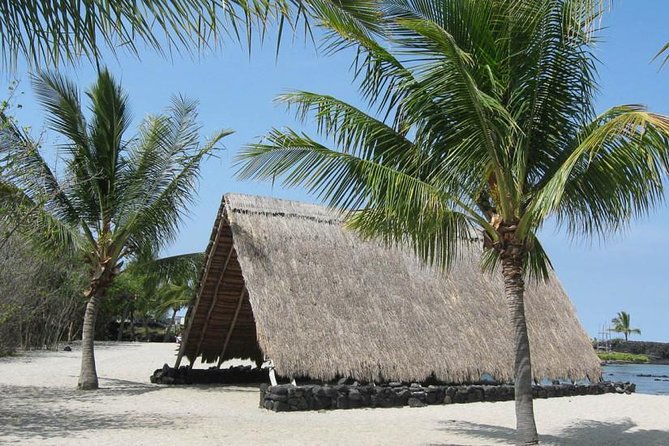
This stop sets the tone. You’ll head into Kaloko-Honokohau National Historical Park, where the black volcanic rock gives the area a dramatic look, and the history is tied directly to the ocean.
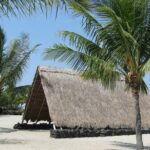
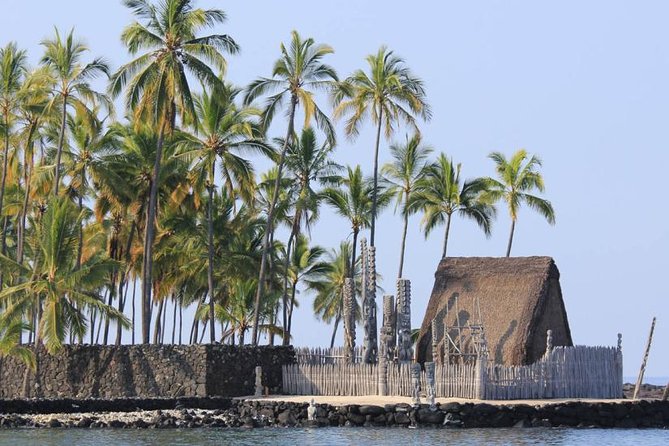
Expect your guide to point out petroglyph sites tucked among the rocks. You also get a sense of how people lived here for centuries, including handmade fishponds and seawalls along the beach. It’s the kind of explanation that helps you stop seeing ruins as “random rocks” and start seeing them as infrastructure.
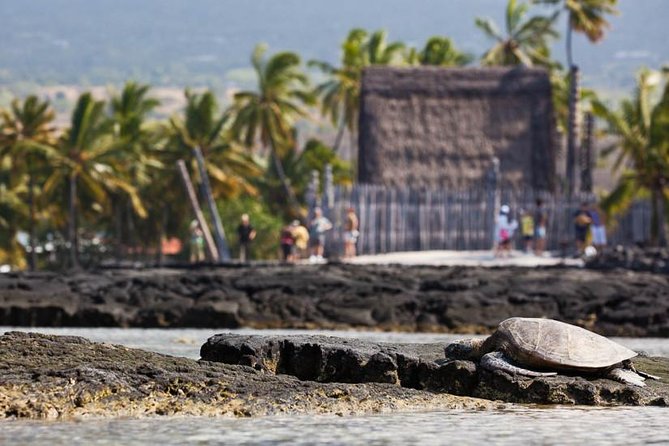
Then you get to stroll toward sacred temples and shoreline spots, which is when the wildlife scanning gets fun. The plan includes looking for green sea turtles at Honokohau Beach and, if luck is on your side, a Hawaiian monk seal. You’re also right to remember that you’re not booking a zoo. Wildlife shows up when it wants to.
Time-wise, it’s a moderate chunk—about 40 minutes on the ground—so you don’t feel trapped. Still, you’ll be walking on outdoor terrain. Closed-toe shoes are a must.
If you’re sensitive to crowds, there’s an extra benefit here: the tour group is small, and the walking portion doesn’t feel like you’re being herded through an attraction line.
Pu’uhonua o Honaunau: the city of refuge walk with real context
Next you go to Pu’uhonua o Honaunau National Historic Park. This isn’t just a scenic stroll. The big story is that this was a city of refuge for people who broke an ancient kapu (law).
Your guide leads a narrated walking tour, so you’re not standing around wondering what you’re looking at. You learn why this place mattered and how the old rules worked in real life, not in a textbook.
The practical upside: it’s guided. Even if your interest in Hawaiian history is basic, you’ll leave with a clearer mental picture. And if you like asking questions, this is a great stop for that. The topic naturally leads to conversations about how communities functioned and how the coastline shaped life.
This stop is about an hour. That’s enough time to take in the setting without turning into a long slog. Still, it’s outdoors walking, so wear your most reliable shoes.
Kona coastline viewpoints: Kealakekua Bay and the Captain Cook context
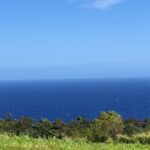
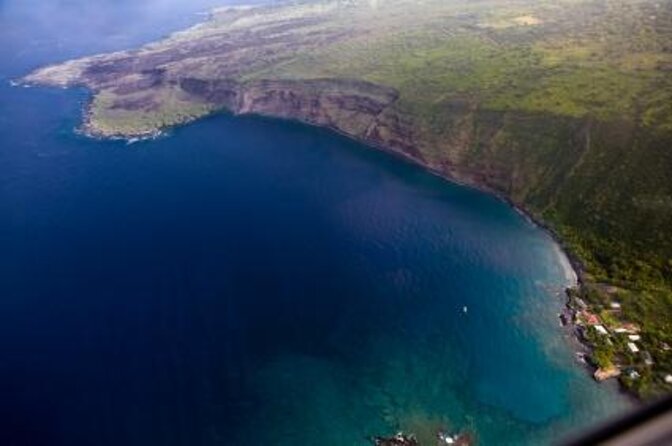
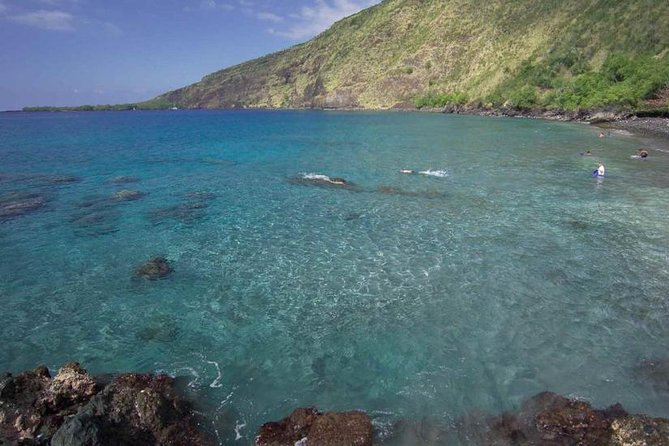
The day includes a scenic break at Kealakekua Bay, with time to look at the coastline and hear the story of Captain James Cook’s arrival—plus the tragic end tied to this area.
What I appreciate about this stop is that it’s not only about one famous ship. The narration also connects to the idea that there was an ancient village here when Cook first arrived. That’s a reminder that these coastlines weren’t empty stages for European history. They were home to Hawaiian communities.
It’s also a good place to slow down and soak in the ocean mood. Even when you don’t spot wildlife in that moment, you still get a feel for why sailors, fishers, and islanders all cared about this kind of bay.
You only spend about 15 minutes here, so it’s more of a “breather with context” than a deep dive. If you’re the kind of person who wants long viewpoint time, plan to save extra minutes for photos and still keep the pace of the tour.
Bay View Farm and the mid-day farm feel near the bay
At the Bay View Farm stop, you’ll walk through orchards and learn about harvesting and milling, plus get a warm cup of Kona-grown java. It’s a farm stop that fits the theme of “how things are made,” not just “what the product tastes like.”
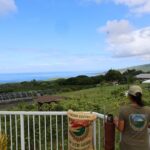
The ocean view component matters, too. Lunch is part of this stretch, with a picnic-style meal and snacks included, and the views are set over Kealakekua Bay. Food plus scenery is a simple combination, but it helps the whole day feel less like a checklist.
This is also one of those stops where you’ll benefit from asking questions. If you ever wondered why Kona coffee tastes different from other coffees, this is where you start connecting the dots between climate, growing methods, and processing decisions (even if you learn the deeper coffee details later in the plantation portion).
One drawback you should watch for: a farm stop still involves being outdoors. If the weather is hot and you’re someone who tires easily, bring water habits with you, even though bottled water is included.

Big Island Bees: tasting honey with a real look at the hive
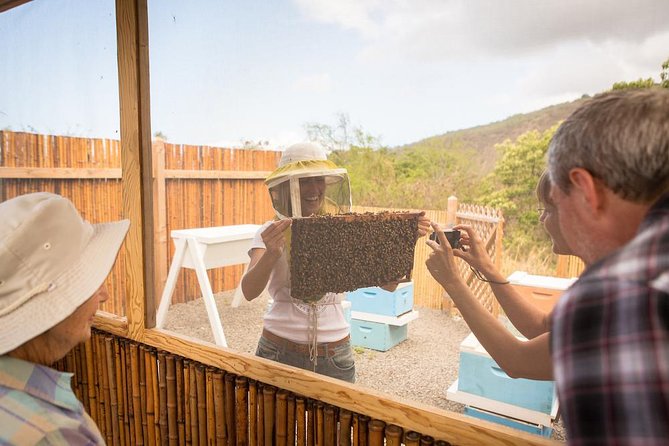
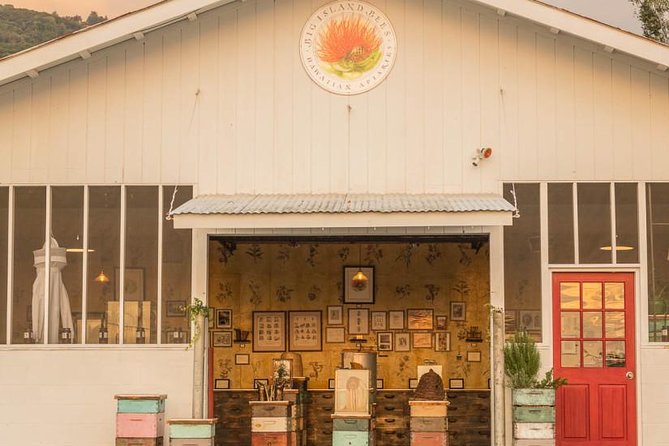
The bee farm visit is often the emotional high point of this tour, mainly because it turns honey from a product into a story. Big Island Bees has produced organic honey since 1972, and you’ll meet with the beekeeper to tour the property.
The viewing area is protected, which means you can get a close look without getting into risky behavior. You’ll see an open beehive with thousands of bees buzzing inside. It can be loud and visually intense—in a good way.
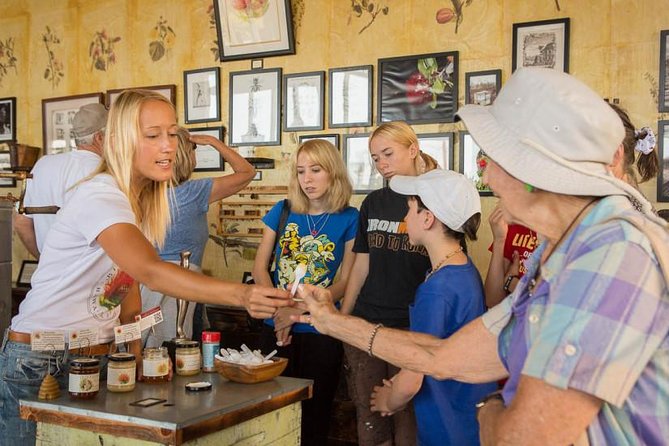
Then comes the part most people remember: honey tasting. You sample raw, organic honey and learn why bees are crucial to a healthy ecosystem. Your guide also shares the tricks and tools used to harvest honey and fill jars.
Here’s the balanced note: the bee farm experience can feel more like a guided demonstration than a hands-on “you suit up and do the work” situation. That can still be valuable, because the tastings and explanations are the payoff. If what you want most is hands-on labor, this may not match your expectations. If what you want most is learning and tasting safely, it does.
For me, the value is how the bee stop connects to the island’s bigger systems. Bees aren’t just making honey; they’re part of pollination and plant life. Once you understand that link, your coffee and fruit orchard stops land differently.
Mokuaikaua Church and sacred-temple passing: small moments, big meaning
In Kona, your route includes historic landmarks like Mokuaikaua Church, often noted as the oldest Christian church in Hawaii. You also pass by sacred Hawaiian temples on the way to the coastal stops.
These segments are brief, but they matter because they give you contrast: the coast holds layers of time. You’re not only seeing ancient life patterns or only seeing modern tourism culture. You’re seeing the overlap and change.
It’s also a good “reset” between stops that are heavier on walking and interpretation. Riding through town with narration keeps the drive from feeling like wasted time.
If you enjoy history that’s tied to specific places, you’ll likely like this part of the day. If you only want nature and food, it might feel like a short intermission. Either way, it’s not random. It keeps the story thread going.
Up the coffee belt: Kona coffee orchards, processing, roasting, and lunch
The final major phase is heading up toward the coffee belt. This is where the temperature shift tends to feel like a reward, with cooler air and mountain mists that can make everything feel calmer.
At the Kona coffee home/plantation portion, you explore coffee orchards and get a guided explanation of the entire Kona coffee journey: growing, harvesting, processing, and roasting. Then you finish with lunch on the farm and, of course, more Kona coffee.
This is the part that pays off if you’ve ever bought coffee as a souvenir and wondered what you were actually tasting. The plantation narration gives you language for flavor and process, so the coffee stops being just a drink and becomes a result of specific choices.
Also, a farm lunch is a good way to end a day like this. You’ve walked, tasted, and listened. Sitting with coffee in hand feels like a closer, not a trap.
One practical point: plantation days can be a bit cooler than the coast. Bring a light layer even in summer so you don’t get chilly after being in the sun earlier.
Price and value for $198.17 per person with hotel pickup and tastings
At $198.17 per person for about 7 hours, you’re paying for more than just entry into parks. You’re paying for a guided route that includes:
- round-trip hotel pickup by minivan in Kona and Kohala areas
- honey and coffee tastings
- a picnic-style lunch and snacks
- bottled water
- a professional guide
- admission coverage for specific stops where listed as included
When tours combine multiple categories—history sites, wildlife viewing areas, and agricultural tastings—cost can climb. Here, the value comes from how much is bundled and how the stops connect.
The small group size (up to 12) is part of that value too. It’s not a packed bus experience. You’re more likely to get answers and specific recommendations rather than just listening to a recording.
The only cost-related consideration is your own interest balance. If you’re the type who wants only pristine beaches or only museums, this mixed format might feel pricey. If you like a day that includes both learning and eating, the price starts to feel more fair.
What it feels like on the ground: pacing, walking, and what to pack
This tour calls for moderate physical fitness. That usually means: you’ll handle walking on trails and uneven outdoor ground, but you’re not doing a strenuous multi-hour hike.
What to pack is pretty clear from the day you’re signing up for:
- closed-toe shoes for trails and farm walking
- summer attire, plus a light layer if you run cold in the coffee belt
- water habits, even though bottled water is included
- sun protection for the coast segments
Plan for a full day. The stops are spread out, and the minivan rides are part of the experience because that’s where the guide’s context keeps stacking.
Also, accept that wildlife sightings are never guaranteed. Your best bet is to keep your eyes up and enjoy the hunt without building a fantasy that every photo will include a sea turtle or monk seal.
Who this Kona tour suits best (and who should skip)
This tour is a great match if you want a single day that covers:
- Hawaiian historical sites with guided interpretation
- farm-based tastings that explain what you’re eating and why it tastes that way
- Kona coffee education that goes beyond buying a bag
It’s also a strong pick for people who love guides who can explain the “why” at each stop. Recent feedback highlights guides like Derek, Dreu, Kai, Kala, and Nick as people who bring the day to life with extra Big Island context and easy friendliness.
You might want to skip or choose a different style if:
- you hate long days or don’t want multiple walking segments
- you’re strictly focused on one theme (only beaches, only coffee, or only museums)
- you expect a fully hands-on bee experience rather than a guided hive viewing and tasting format
Should you book this Kona Tour: Bee Farm, Kona Coffee, and National Historical Parks?
If you’re visiting Kona for the first time and you want a day that feels like the island—ancient, edible, and alive—this one is worth booking.
I’d book it when you:
- enjoy guided storytelling more than self-guided wandering
- like tasting local products tied to real places
- want a small-group day with hotel pickup so you don’t waste energy on driving
I’d hesitate if:
- you want a short, low-effort tour
- you’re sensitive to weather changes, since parts of the day are outdoors
- your interests are narrow and you don’t care about bees, orchards, or the coffee-making story
If you do book, wear good shoes, bring sun protection, and keep your expectations flexible for wildlife and access at parks. That mindset turns the day from a checklist into a real Kona experience.
FAQ
How long is the Kona tour?
It runs about 7 hours.
Does the tour include hotel pickup and drop-off?
Yes. You’ll get round-trip hotel transport by minivan in the Kona and Kohala area, with pickup options including major hotels and also the Kona Pier for cruise ship guests.
What does the lunch include?
The tour includes picnic-style lunch and snacks.
Are honey and Kona coffee tastings included?
Yes. You’ll have honey tastings at the bee farm and Kona coffee tastings during the coffee plantation part of the day.
How big is the group?
The tour is limited to a maximum of 12 travelers.
What kind of walking is involved?
You should have a moderate physical fitness level. There are walking portions at the historical parks and the farm stops, so closed-toe shoes are recommended.
What should I wear?
Wear closed-toe shoes and summer attire.