REVIEW · MONTEPULCIANO
Farm Tour: the Cinta Senese Tuscan pig
Book on Viator →Operated by Valdichiana Living · Bookable on Viator
Two-colored pigs make a Tuscan farm morning. This 2-hour stop near Montepulciano is built around the famous Cinta Senese pig—black coat, pink belt—and a hands-on visit to how they’re raised. You also get a short rural walk between vineyard and olive grove, plus a lesson on what makes the meat and salami worth paying attention to.
What I really liked was the close-up, no-screen time with the pigs, including the part where you get to interact with them right in the farm routine (yes, that can mean mud). I also liked the food learning angle: you’re taught how to recognize high-quality salami and what to look for in the pig’s fine meat.
One drawback to consider: the included lunch is described as light, and if you expect a big, restaurant-style meal, it may not feel like it matches the price. Ask what the lunch includes in practice when you book, so there are no surprises.
In This Review
- Key Things to Know Before You Go
- Arriving in Montepulciano’s Cinta Senese Country
- Vineyard and Olive Grove Walk: Why the Setting Matters
- Meeting the Cinta Senese Pigs Up Close
- The Raising System: Semi-Wild, Local Feed, DOP-Compliant Inputs
- Learning How to Recognize High-Quality Salami
- The Included Light Lunch: What It Is and What to Watch
- Price and Logistics: Is $91.39 Worth It?
- Who This Tour Fits Best (and Who Might Skip It)
- How to Make the Most of Your 11:00 am Start
- Should You Book the Cinta Senese Pig Farm Tour?
- FAQ
- What time does the tour start?
- How long is the Farm Tour: the Cinta Senese Tuscan pig?
- What’s included in the price?
- Is transportation included?
- Is this a private tour?
- What is the cancellation policy?
Key Things to Know Before You Go
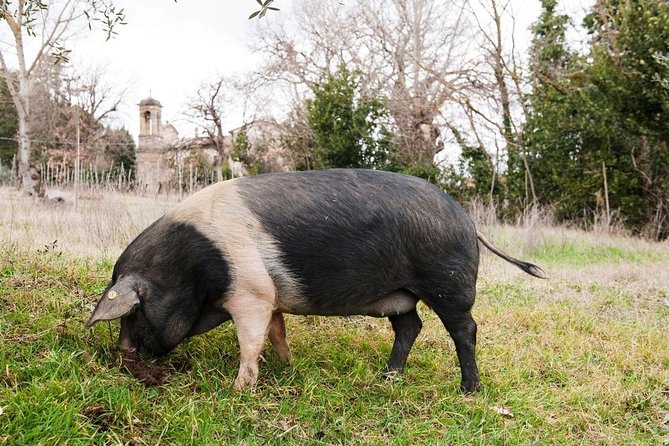
- Black coat, pink belt, ancient breed: You’ll learn what makes the Cinta Senese distinctive and where it comes from.
- Semi-wild farm raising: The pigs are bred in a semi-wild state with feed aligned with Italian DOP and local cereals.
- Vineyard-to-olive-grove walk: Plan for a short countryside walk as part of the farm experience.
- Mud-time pig interaction: You’ll likely get close enough to have fun in the mud with the domestic pigs.
- Salami quality lesson: You’re shown how to recognize higher-quality salami, not just how to taste it.
- Light lunch included: You’ll end with farm products, but it’s not positioned as a heavy meal.
Arriving in Montepulciano’s Cinta Senese Country
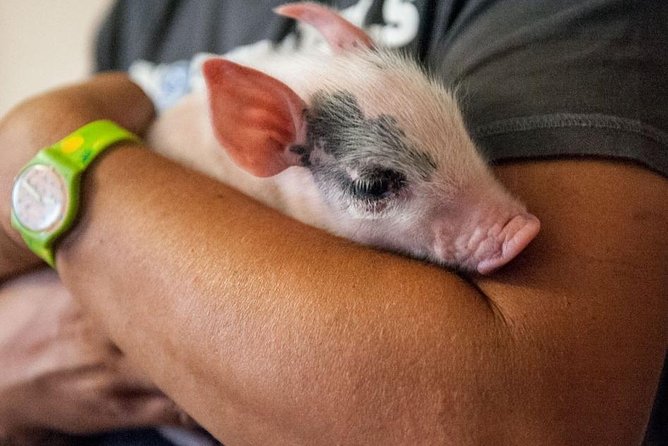
This experience starts at 11:00 am and runs about 2 hours. You’ll meet at 53045 Montepulciano, Province of Siena, Italy, and it ends back at the same meeting point. It’s a private tour, so it’s only your group, and the ticket is mobile—meaning you won’t be juggling paper.
If you’re basing yourself in or near Montepulciano, this works well as a late-morning plan: it’s long enough to feel like you went somewhere, but short enough that you can still enjoy the rest of the day in town. Valdichiana Senese farms are the setting here, which helps explain why the schedule is simple and focused: farm time comes first, not transportation tours or big detours.
If you arrive expecting a show, temper that. This is more about how the breeders raise pigs and what you can learn from the farm approach.
You can also read our reviews of more tours and experiences in Montepulciano.

Vineyard and Olive Grove Walk: Why the Setting Matters
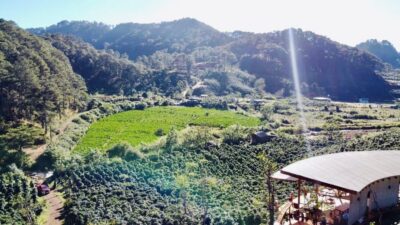
A major part of the experience is the walk between the vineyard and the olive grove. That may sound like scenery, but it matters because it matches the story of the pig’s diet and routine. The breeders raise the pigs in a semi-wild state, with feed that’s compliant with Italian DOP and cereals grown in the Tuscan countryside. Being out in the same agricultural zone makes the information feel less abstract.
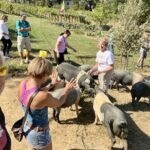
You’ll also get to enjoy the outdoors through the farm layout, and you’ll spend time interacting with the domestic pigs. The experience specifically includes fun in the mud, so don’t dress like you’re going to dinner. Bring closed-toe shoes you can tolerate on farm ground. If you hate getting dirty, you can still participate, but go into it with realistic expectations.
Practical tip: wear clothes you don’t mind if they get splashed, because pig interaction is part of the deal, not a quick photo stop.
Meeting the Cinta Senese Pigs Up Close
The headline is the Cinta Senese pig: an ancient breed from the Siena area. The defining look—black coat with a pink belt—means even if you don’t know pork genetics, you can identify what makes this breed famous. The breeders know their pigs one by one, which tells you this isn’t just a mass-farm presentation. You’re there to learn the logic behind the raising method.
During your visit, you’ll meet the pigs and get explanations about their breed. That’s the core value for animal-lovers and food-lovers alike. You’re not just tasting a product; you’re learning why the pig exists in this specific farm context.
One of the best parts is the way the experience connects the animal to the food. You’ll learn about the organoleptic properties of the fine meat—meaning you’ll talk about the sensory qualities that make this meat special. Even if you don’t leave with a science degree, you’ll leave with a more useful vocabulary for what you’re eating later.
The Raising System: Semi-Wild, Local Feed, DOP-Compliant Inputs
The tour explains that the pigs are bred in a semi-wild state. That detail isn’t just marketing language. It ties into the idea that you’re seeing a traditional, slower approach rather than a purely industrial system.
You’ll also hear that feed follows Italian DOP compliance, plus cereals cultivated in the Tuscan countryside. For you, this is helpful because it points toward a cause-and-effect way of thinking:
- The pig’s environment and feeding method feed into how the meat develops.
- The meat’s character then links to how the farm products like salami are made and judged.
I like this approach because it helps you avoid the common food-tour mistake: tasting first, meaning later. Here, meaning arrives during the farm visit.
Learning How to Recognize High-Quality Salami
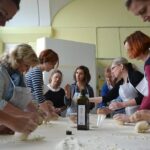
Food education is a big part of the experience. You’ll learn how to recognize high quality salami, which is a practical skill you can use long after you leave Montepulciano.
What you’re taught isn’t just a list of “good tastes good.” The tour frames salami quality through the Cinta Senese lens—because the pig’s fine meat is central to the product. That means your attention shifts from generic cured-meat guessing to more meaningful comparisons when you’re shopping back home.
You’ll also learn about the organoleptic properties of the meat, which supports this salami lesson. If you pay attention during the talk—smell, texture cues, and the overall eating experience—you’ll get a lot more out of the tasting portion later.
If you’re a foodie, this is where the value really comes through. If you’re more casual, still do yourself a favor and listen closely. The salami lesson can turn an included lunch into something more memorable.

The Included Light Lunch: What It Is and What to Watch
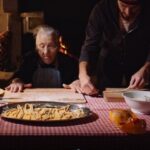
The experience ends with a lunch based on farm products, described as a light lunch. That could mean different things depending on the farm and day, but the key point is: it’s not positioned as a long, heavy meal.
This matters because the price is not tiny. At $91.39 per person, you’re paying for the pig access, the farm walk, the educational component, and then you’re also getting lunch. If you’re comparing it to a casual food stop, the lunch may feel too small. If you compare it to an animal-and-food education experience, it may feel fair.
One thing to be aware of: the experience includes farm products, and there’s a specific emphasis on cured meats and Cinta Senese. Still, if your expectations lean toward a big platter or multiple courses, it may disappoint. I’d treat the lunch as a tasting-and-farm-products closer, not a full midday reset.
Smart move when booking: clarify what the light lunch includes. Ask whether it’s more of a tasting plate or a fuller seated meal. Getting that straight reduces the chance of feeling shortchanged.
Price and Logistics: Is $91.39 Worth It?
Let’s talk value in plain terms. You’re paying $91.39 per person for about 2 hours, a private format, farm visit time with the pigs, a walk between vineyard and olive grove, and a light lunch included. Transportation is not included, though it’s available on request.
So your value equation depends on what you care about most:
- If you want pig interaction plus real food education, the price can make sense. You’re getting both sides: animal experience and what to do with that knowledge at the table.
- If you mainly want lunch or a long meal, the tour may feel overpriced for what you eat.
Also note the experience is typically booked about 21 days in advance on average. That’s a clue that time slots can fill when people plan their Tuscan food weeks. If you’re traveling in peak season, it’s worth booking ahead rather than rolling the dice.
As for getting there: since transportation isn’t included by default, plan how you’ll reach the meeting point near Montepulciano. If you’re trying to move around Tuscany with minimal hassle, arranging transport on request can be worth it, even if it adds cost.
Who This Tour Fits Best (and Who Might Skip It)
This tour is best for:
- People who want a hands-on look at how an ancient Tuscan pig breed is raised.
- Food travelers who like learning how products are made and how to evaluate quality.
- Anyone who enjoys animal interaction where it’s not just looking from behind a fence.
It may be less ideal for:
- You if you hate getting dirty and the idea of mud-time makes you wince.
- You if you’re expecting a long, heavy meal rather than a light farm lunch.
- You if you mainly want transportation and a passive sightseeing format. This is about the farm and the pigs first.
If you’re pairing it with a wine or olive-oil day in the area, it fits nicely because the walk is built around those themes already.
How to Make the Most of Your 11:00 am Start
The schedule is tight and simple: meet at 11:00 am, do the farm visit and walk, learn about the pig and salami, then finish with lunch. With a 2-hour window, you’ll get more out of it if you show up ready to focus.
Here’s how I’d approach it:
- Dress for mud and outdoor time, not just for photos.
- Come hungry enough to enjoy the included light lunch, but not so hungry that you rush the lesson. (The food education is part of the fun.)
- Listen during the salami quality explanation. You’ll enjoy the tasting more when you know what to look for.
And because it’s a private tour, you can likely ask more specific questions in the moment. If you care about what makes this pig breed special, ask. If you’re curious about salami quality, ask. The whole format supports interaction.
Should You Book the Cinta Senese Pig Farm Tour?
Yes, I’d book it if you want a genuine Tuscan farm experience centered on a specific breed—Cinta Senese—with a walk through agricultural countryside and a practical food lesson about salami quality. The combination of pig interaction, breed education, and a farm-products lunch is the core value.
I’d be cautious if your budget is tight or your expectations for lunch are restaurant-level portions. The tour is clear that the lunch is light, and at $91.39 per person you don’t want to feel like you paid mainly for food alone. If you confirm what the lunch includes and you’re in the mood for animals plus learning, you’ll probably feel good about the purchase.
If you’re the type who remembers details like diet, raising style, and what makes cured meat quality different, this tour is the kind you’ll talk about later.
FAQ
What time does the tour start?
The tour starts at 11:00 am.
How long is the Farm Tour: the Cinta Senese Tuscan pig?
It lasts about 2 hours.
What’s included in the price?
The tour includes a visit to the Cinta Senese breeding farm with meeting the pigs and an explanation about their breed, plus a light lunch made with the breeding farm’s products.
Is transportation included?
No. Transportation service is not included, but it’s available on request.
Is this a private tour?
Yes. It’s private, so only your group participates.
What is the cancellation policy?
You can cancel for free up to 24 hours in advance for a full refund. If you cancel less than 24 hours before the start time, you won’t get a refund.