REVIEW · MONTEPULCIANO
Montepulciano: Italian Cooking Class at a Tuscan Farm
Book on GetYourGuide →Operated by Valdichiana Living · Bookable on GetYourGuide
You start cooking before you know it. This Montepulciano-area farm class is an old-school way to learn Tuscan cooking through the dishes local families made for generations in Valdichiana Senese.
I love the hands-on pacing, where you’re not just watching. You’ll work through bruschetta and croutons first, then get into the dough for pici, make the sauce, and finish with a homemade dessert—while a glass of wine keeps showing up between steps.
One thing to plan for: there’s no transportation service, and the exact farmhouse address is only shared after your confirmation, so you’ll want your own ride and a little patience.
In This Review
- Key Things I’d Put on Your Shortlist
- The Tuscan Way of Eating (and Learning) in 3 Hours
- Welcome Drink and Farmhouse Start: Settle In Before You Chop
- Bruschetta and Croutons: The Classic Tuscan Base Layer
- Pici Pasta Dough: Why This Handmade Pasta Feels Different
- Sauce and Dessert: The Part That Turns Skills Into a Meal
- Wine and Lunch or Dinner: Eating What You Made
- Small Group Size: Why Max 10 Changes Everything
- Price and Value at $164.26 Per Person
- Who This Tuscan Farm Class Is Best For
- Good to Know: Where the Farm Is and How to Get There
- Should You Book This Montepulciano Cooking Class?
Key Things I’d Put on Your Shortlist
- Bruschetta plus croutons with tomato and basil and Tuscan extra virgin olive oil
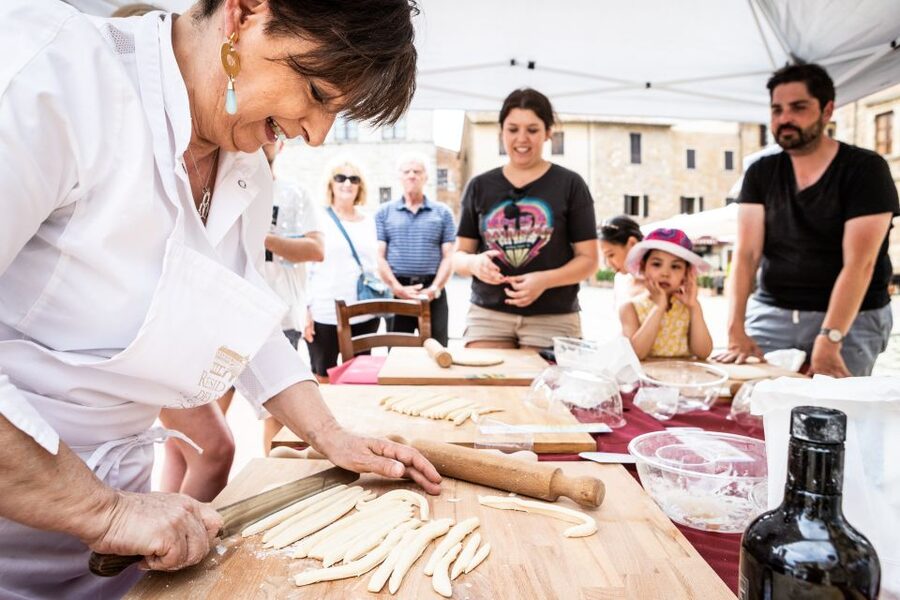
- Pici dough made the hands-on way, starting from water and flour
- Seasonal, local zero-miles ingredients built into the menu
- Wine breaks during prep, not just at the end of the meal
- A small group (max 10), so you can actually ask questions
- Lunch or dinner included, with the dishes you just cooked
The Tuscan Way of Eating (and Learning) in 3 Hours
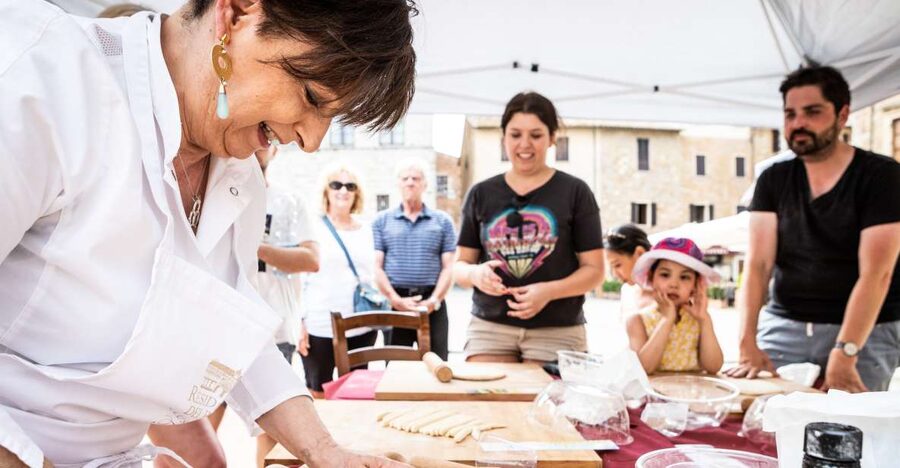
This isn’t a quick tasting. It’s a working cooking class that uses food to explain how people in this corner of Tuscany lived—simple, practical, and made with what was in season.
The format is built around moving from one task to the next. You’ll start with bread-based items, shift to handmade pasta preparation, then wrap things up with sauce and dessert. If you like learning by doing, you’ll get a lot out of the time.
You also get something hard to replicate later at home: the flow of Tuscan cooking as a social rhythm. Between steps, there’s a glass of wine, and you sit down to eat what you made with local wines.
You can also read our reviews of more tours and experiences in Montepulciano.

Welcome Drink and Farmhouse Start: Settle In Before You Chop
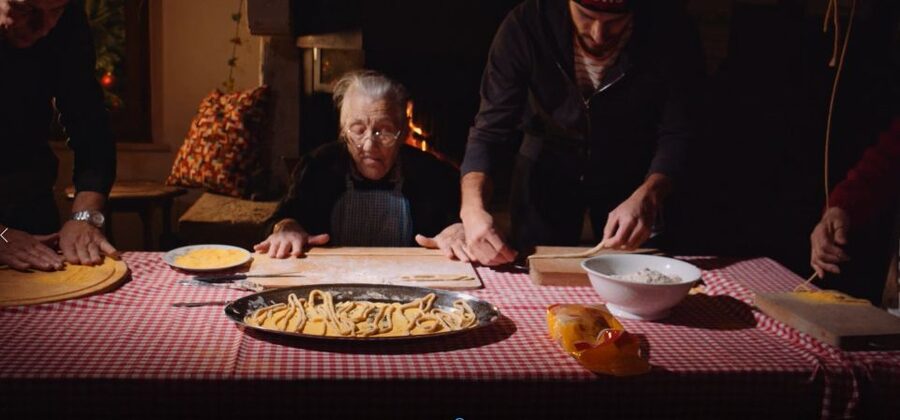
You’ll begin with a welcome drink, then meet your instructor/host at the farmhouse. The exact farmhouse location is communicated after booking confirmation, so don’t plan to arrive too early without the address.
This opening matters because it sets the tone. You’re not thrown into the kitchen with zero context. You’re eased in, then you get right to work: bread, tomatoes, olive oil, and the kind of straightforward technique that doesn’t need fancy gear.
Practical tip: dress for food work. You’ll be standing at a table and doing prep tasks. If you’re coming from walking around Tuscany all day, bring comfortable shoes.
Bruschetta and Croutons: The Classic Tuscan Base Layer
The first cooking session focuses on bruschetta and croutons. You’ll prep bread toppings in a Tuscan style—think tomato and basil, plus Tuscan extra virgin olive oil.
Why this part is worth your attention:
- It’s foundational. If you can nail simple bruschetta, you understand a big chunk of Tuscan flavor logic.
- It teaches you how ingredients work together without hiding behind heavy sauces.
- It moves quickly, so you get early wins and confidence.
In the kitchen, you’ll be doing the work, not just tasting. That’s the best way to learn local cooking: you see what goes where, feel the texture, and understand what changes if your timing is off.
If you’re the type who likes to return home and recreate meals, this is the easiest part to repeat later. You’ll have the flavor combinations already in your memory.
Pici Pasta Dough: Why This Handmade Pasta Feels Different
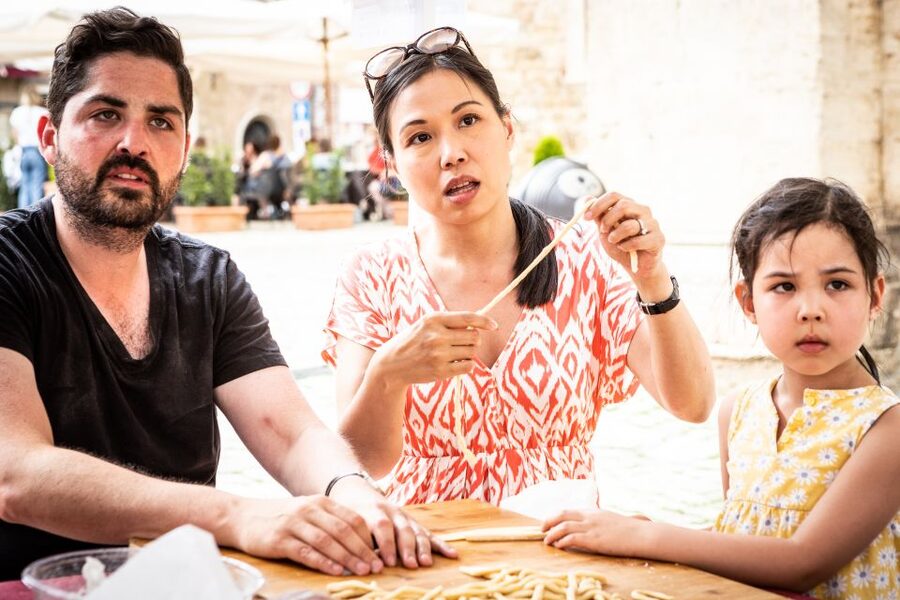
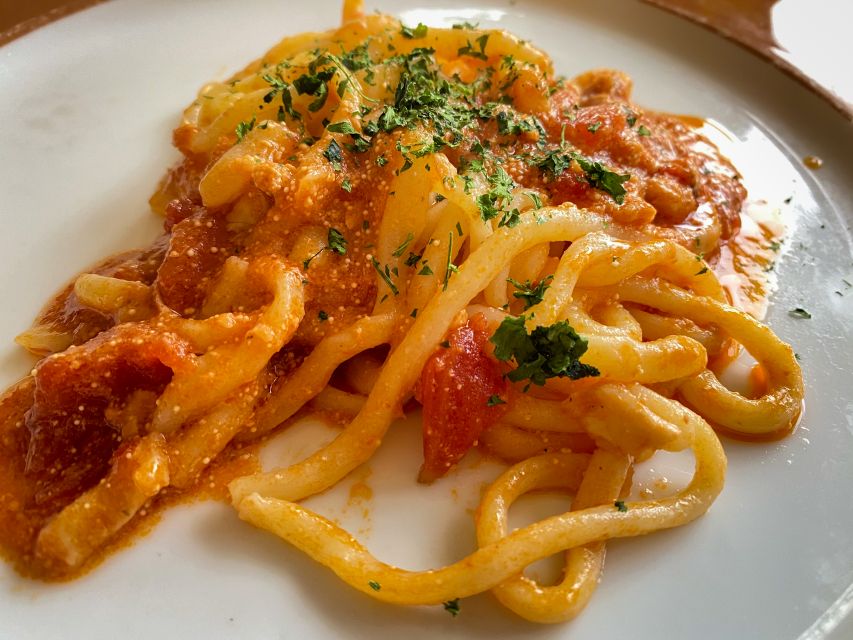
Next comes pici, a famous handmade pasta tied to the Province of Siena. The class has you mixing water and flour to make the pici—so you’re learning the start of the process, not just eating it at the end.
This step matters because it’s where the class becomes truly Tuscan and not just “Italian-inspired.” Pici is all about feel and consistency. Even without being taught through complicated theory, you can learn what the dough should be like by working it yourself.
You’ll then pair that pasta preparation with an excellent sauce. The goal is a simple meal that tastes like it belongs to the farm table—made for comfort, not performance.
If you tend to get intimidated by dough work, don’t. The class is set up for regular people. The approach is practical and hands-on, with guidance you can follow as you go.
Sauce and Dessert: The Part That Turns Skills Into a Meal
After the pasta portion, you move into sauce—described as an excellent sauce prepared during the course. You’re working toward a full plate, so the sauce isn’t an afterthought. It’s built to fit the pasta you’re preparing.
Then you’ll finish with a delicious homemade dessert.
This is a key reason this class is better than many “just eat and watch” experiences. You get a complete arc:
1) starter flavors (bruschetta and croutons)
2) the main structure (pici)
3) the binding flavor (sauce)
4) something sweet to close it out
That structure is also why the class lands well even if you’re not a serious cook. You still walk away with a clear sense of how Tuscan meals are assembled, step by step.
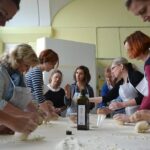

Wine and Lunch or Dinner: Eating What You Made
Between preparation steps, a glass of wine will always be present. By the time you sit down, you’re not just hungry—you’re also already in the mood, because you’ve been tasting and smelling the food as it comes together.
After cooking, the table is set for you. You’ll taste the dishes you made, paired with local wines. Whether you get lunch or dinner depends on the class timing, but either way, the meal is included.
What I like about this setup is the balance. You do the work, you learn the basics, and then you get to enjoy the results in a farm-trattoria mood that feels real—not staged.
Small Group Size: Why Max 10 Changes Everything
This class is limited to 10 participants. That’s not a small detail. It affects everything:
- you get more direct guidance
- you can ask simple questions without waiting for your turn
- the pace stays manageable
- you don’t feel like a number in a production line
The host or greeter speaks English and Italian, which helps if you’re not fluent. You’re more likely to catch instructions and understand what you’re doing.
If you want a class you can actually participate in, this size is a big part of the value.
Price and Value at $164.26 Per Person
At $164.26 per person for a 3-hour class, the price looks steep if you’re only comparing it to a casual meal. But here’s what you’re paying for: a guided cooking session that includes the full experience of welcome drink + cooking class + lunch or dinner, plus wine during the course and local wines at the meal.
You’re also paying for something restaurants usually don’t give:
- ingredient-driven teaching (including seasonal, zero-miles choices)
- structured step-by-step learning (bruschetta, pici, sauce, dessert)
- a small-group setting where your questions matter
If your goal is to leave with a couple repeatable dishes and a better sense of how Tuscan ingredients pair together, this price can feel fair. If your main goal is just to eat, you might find cheaper options. But if you want skills and a farm-table story to go with your photos, this is the kind of activity that justifies itself.
Who This Tuscan Farm Class Is Best For
I’d say it fits best if you:
- enjoy hands-on cooking and want practical guidance
- want to learn Tuscan staples like bruschetta and pici
- like food that follows the seasons and local production
- prefer smaller group activities over crowded tours
You might not love it if:
- you’re not interested in cooking at all
- you need transport provided door-to-door (since transportation service isn’t included)
- you want a longer, slow-paced experience rather than a 3-hour practical workshop
Good to Know: Where the Farm Is and How to Get There
Your meeting point starts at the farmhouse of the cooking class, but the exact location is only sent after confirmation. The activity ends back at the meeting point.
Because there’s no transportation service included, plan your timing around your own travel method. If you’re driving or taking local transport, double-check you can reach the farmhouse without stress.
Also plan your day around the 3-hour duration. You’ll be in the cooking flow, eating your meal, and then done—no extra wandering required.
Should You Book This Montepulciano Cooking Class?
I’d book it if you want a genuine Tuscan cooking experience focused on real dishes: bruschetta and croutons, handmade pici preparation, sauce, and dessert, all built from seasonal local ingredients. The small group size and hands-on style make it worth it, even if you’re a beginner.
Skip or think twice if you don’t have an easy way to get to the farmhouse, or if you’re only looking for food without doing any cooking yourself.
If you’re traveling in the Montepulciano area and you want one meal that teaches you something, this is a solid bet.