REVIEW · CABO SAN LUCAS
Los Cabos: Azteca Cactus Taco Farm to Table Cooking Class
Book on GetYourGuide →Operated by Dharma Expeditions · Bookable on GetYourGuide
Nopal cactus turns dinner into a lesson. This Los Cabos farm-to-table cooking class pairs a hands-on harvest with homemade tortillas, spicy salsa, and a sunset walk along the Pacific. I like the real sense of place here, from meeting ranch goats north of Cabo to learning why nopal shows up at so many Mexican tables.
My favorite part is that you don’t just watch cooking—you make tortillas and turn your own harvest into cactus tacos with a guide like Danny. The one thing to think about is comfort and footing: the ranch and natural beach walk are outdoors, and the tour isn’t suitable for mobility impairments (and it’s not for children under 4).
In This Review
- Key highlights that make this tour worth your time
- A 4.5-hour farm-to-table day north of Cabo San Lucas
- Meeting the ranch crew: goats, local life, and guide Danny
- Harvesting nopal cactus: why it shows up on Mexican plates
- From harvest to tacos: tortillas, spicy salsa, and hands-on cooking
- The ranchero family meal: hospitality you can feel
- Natural beach walk and your Pacific sunset finale
- Price and value: what $95 really buys in Cabo
- Who this tour fits best (and who should skip it)
- Should you book the Los Cabos Azteca Cactus Taco Farm to Table class?
- FAQ
- What’s the duration of the cooking class?
- How much does it cost?
- Is hotel pickup included, and where does it operate?
- What do you do during the class?
- What’s included in the price?
- Is it suitable for children and people with mobility needs?
Key highlights that make this tour worth your time
- Small group (up to 6) means more hands-on cooking and easier conversation with your guide
- Nopal cactus harvest class ties food to everyday life in Baja California Sur
- Hands-on tacos: you help process, cook, and then taste your own work
- Tortilla-making + spicy salsa lets you personalize your meal instead of following steps
- Ranchero family meal keeps the focus on hospitality, not a showroom production
- Pacific sunset walk gives you a calm send-off after the cooking and learning
A 4.5-hour farm-to-table day north of Cabo San Lucas
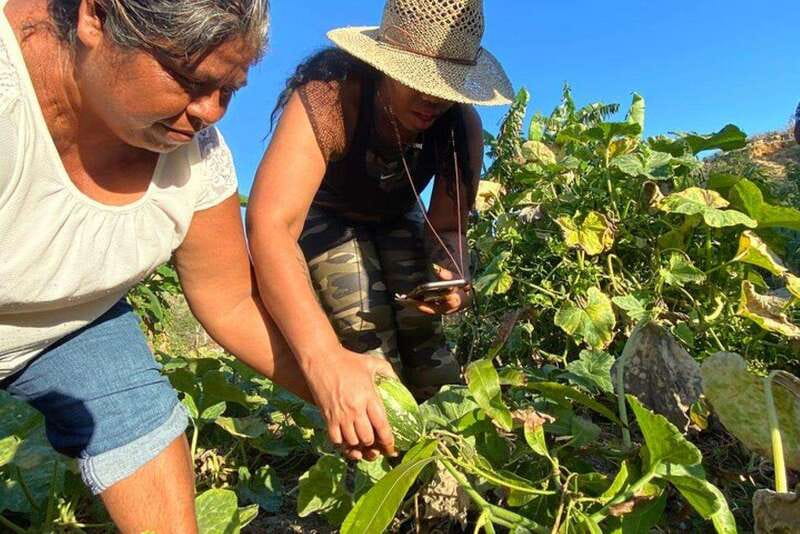
This is a 4.5-hour experience built around one simple idea: food you eat should start with the place it comes from. You’ll get hotel pickup and drop-off if you’re staying in the Cabo San Lucas area, then head about 35 miles north to a local ranch. The drive matters because it shifts the day away from resort life and into real working land.
The price is $95 per person, which is in the middle range for Cabo food experiences. Where it feels like good value is what’s included: entrance to the ranch, a cooking class, an instructor, all materials, and bottled water. Drinks aren’t included, so if you like sipping something while you eat, plan on buying it on your own.
You should also note this isn’t a long day of stop-and-go sightseeing. It’s a compact, focused block of time that goes heavy on ranch work, food prep, and walking.
Meeting the ranch crew: goats, local life, and guide Danny
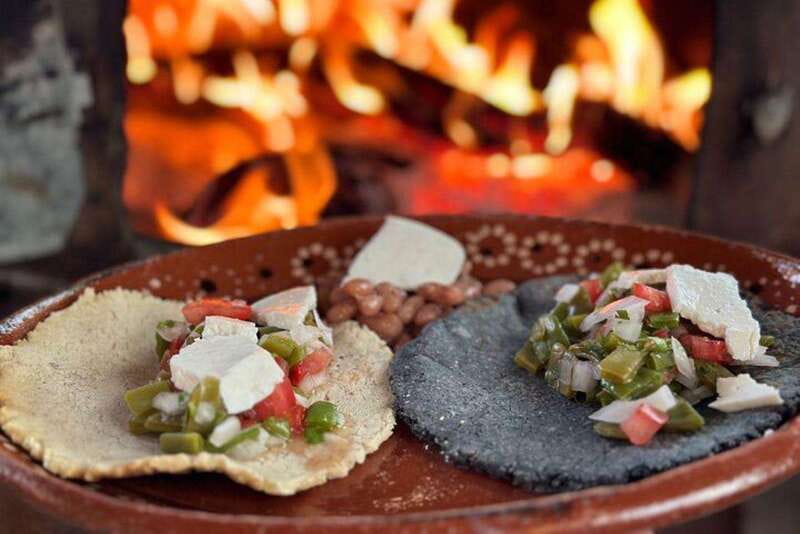
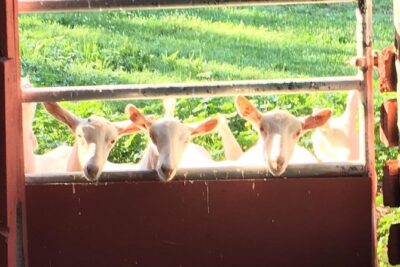
The tour starts with a morning/afternoon shift from your hotel to the farm. Once you arrive, you get to interact with animals—specifically goats—and see how the ranch supports the ingredients and rhythm of the day.
This is also where your guide really sets the tone. In the English/Spanish experience, Danny comes up again and again in descriptions of the day: funny, friendly, and the kind of person who can explain what you’re seeing without making it feel like a lecture. You’ll get live narration in Spanish or English, depending on your group, and you’ll hear local history connected to what’s growing and how people use it.
A small group helps here. With only up to 6 participants, you’re not waiting your turn to hold a tool, ask a question, or translate what you’re tasting. It feels more like being invited into a family rhythm than being marched through a set of stations.
Harvesting nopal cactus: why it shows up on Mexican plates
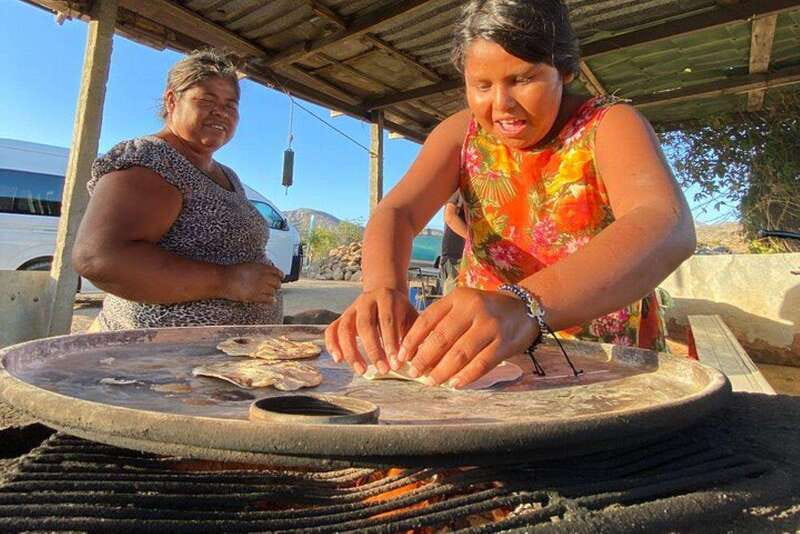
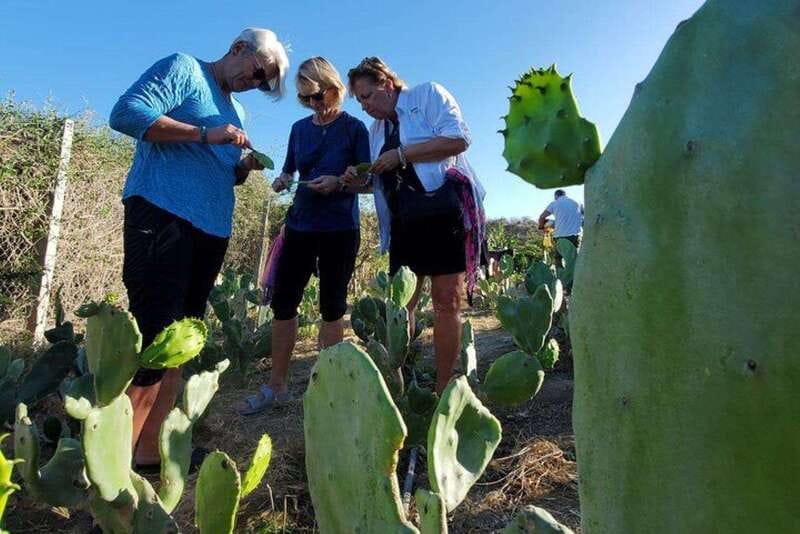
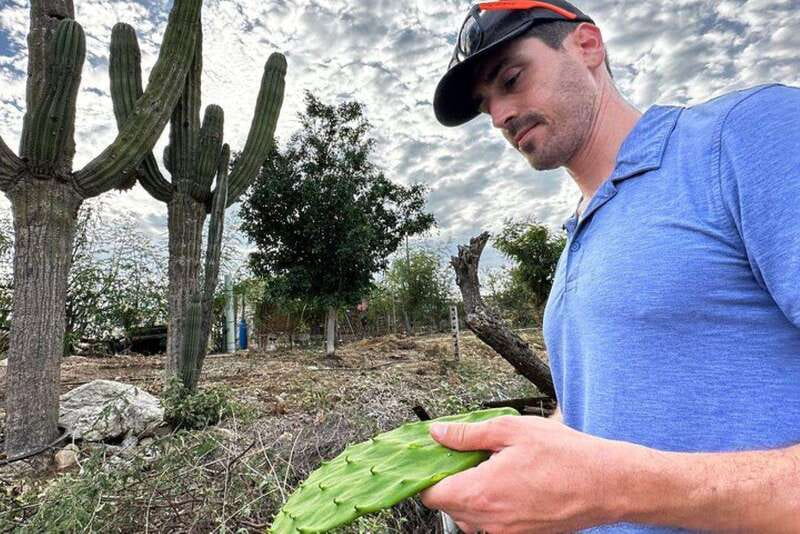
The star of the day is nopal cactus (the prickly pear cactus). You’ll do a harvest-style class at the ranch and learn why it’s such an important plant in Mexican cuisine. The point isn’t just to know the name. You’ll learn how it fits into real cooking—what parts are used and what makes it worth eating.
Right after harvesting, there’s a history lesson built around this plant. You’ll hear how people have relied on nopal for a long time, and why it belongs in the conversation about Mexican identity and local nature. The plant isn’t treated like a gimmick ingredient. It’s presented as a dependable part of the landscape and the diet.
Then you’ll connect that knowledge directly to the next step: turning it into food. A Baja chef guides the cooking process, so you’re not stuck guessing what to do with your harvested cactus. This is where the tour earns its “farm-to-table” label.
From harvest to tacos: tortillas, spicy salsa, and hands-on cooking
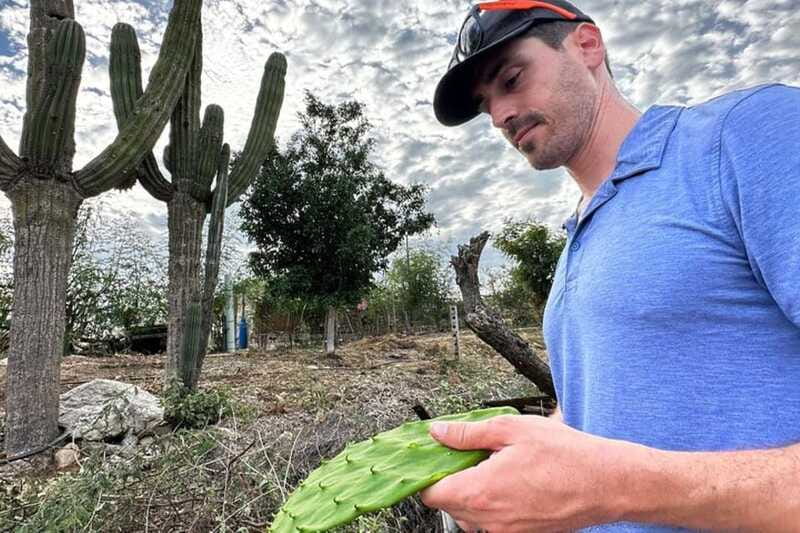
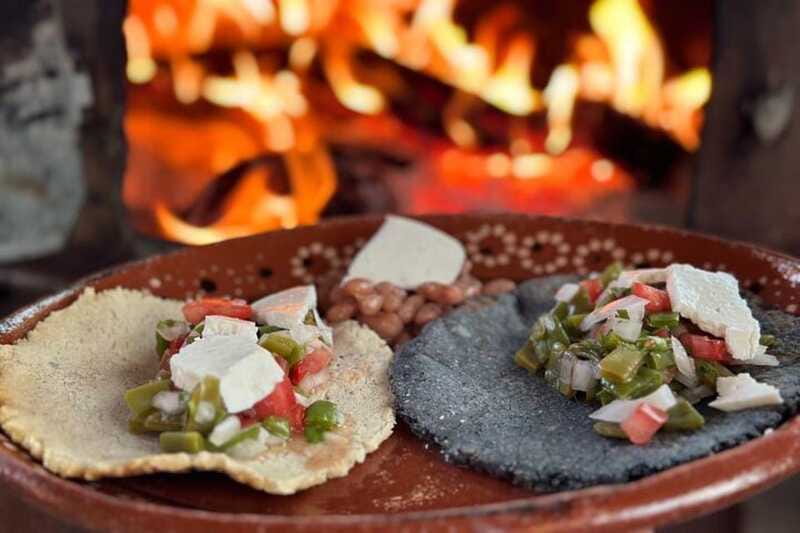
Now for the fun part: cooking your own cactus tacos. After the harvest and the brief lesson, you’ll work with a chef to turn the nopal into something you can actually eat, not just admire.
Here’s what you can expect in the kitchen time:
- You’ll help with the process of turning the harvested nopal into taco filling.
- You’ll taste handmade tortillas that you help craft—so the meal feels personal, not generic.
- You’ll make or work with spicy salsa to add heat and adjust the flavor to your taste.
- The chef and instructor keep things moving so everyone gets a chance to participate.
One detail that makes this feel worth doing in Cabo: cactus tacos can sound weird until you see and smell what’s happening. By the time you’re sitting down, it’s not “trying something unfamiliar.” It’s learning how Mexican cooks work with local plants and transform them into comfort food.
And yes, you’ll eat what you made. That’s the big difference between a talk and a class.
The ranchero family meal: hospitality you can feel
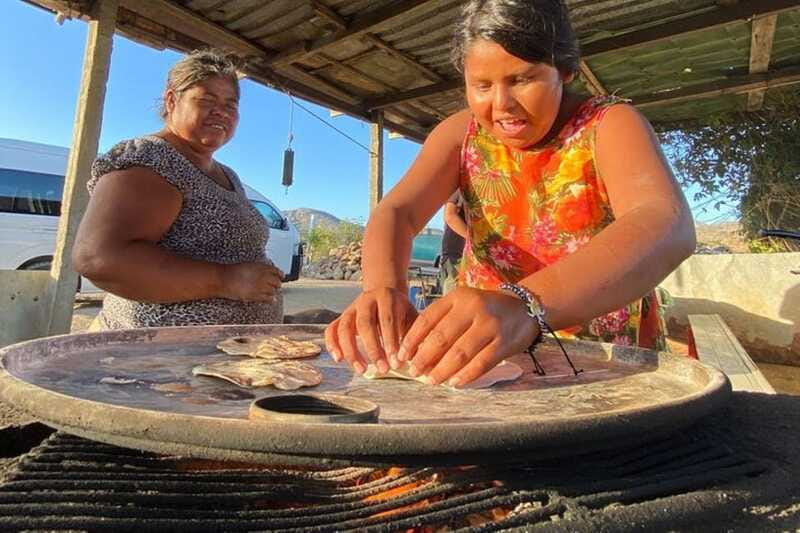
After cooking, you’ll sit down with the Ranchero Family as the meal is served. This is one of those parts where the value shows up beyond the menu. You’re not just fed—you’re introduced to the people behind the ingredients.
The focus stays on everyday life: farm work, local plants, and how recipes live in a community, not just in a cookbook. In descriptions of the day, the hospitality shows up as a major reason people give this tour top marks. It’s warm, not performative.
If you’re traveling with food questions—Why this plant? How do you prepare it? How does your family use it?—this is where you’ll get answers that feel real. It’s also a reminder that community-based tourism can mean more than checking a box. It puts money and attention into the local ranch environment instead of pulling everything back to resort brands.
Natural beach walk and your Pacific sunset finale
After lunch and cooking time, you’ll shift from ranch to nature with an interpretive beach walk. You’ll learn about local flora and fauna, and how people have valued the area’s plants and animals since ancient times. The walk ties back to the cooking theme: nature isn’t separate from food culture here. It’s the source material.
Then comes the best kind of ending: a sunset walk along the Pacific coast. The day slows down. You’re reflecting on what you learned—how nopal fits into cuisine and identity—while the light changes over the water.
This is a practical moment too. You’ll want comfortable shoes and a light layer if you get breezy near the coast. You’re walking outdoors at the end of a hands-on class, so skip anything that pinches or rubs.
Price and value: what $95 really buys in Cabo
At $95 per person, you’re paying for a small-group experience that includes:
- Hotel pickup and drop-off (within Cabo San Lucas area)
- Ranch entrance
- Cooking class with an instructor
- All necessary materials
- Bottled water
- A guide who works in Spanish and English
What’s not included: drinks. That’s normal, but it’s worth planning for if you like a beverage with lunch.
Is it “cheap”? No. But Cabo has lots of experiences that cost similar money and give you less direct value. Here, you’re getting multiple outputs:
1) you learn a specific local food ingredient (nopal),
2) you make parts of the meal (tortillas and salsa, plus cooking work),
3) you eat with the people running the place,
4) you finish with a scenic walk.
That combination is where the value lands.
Who this tour fits best (and who should skip it)
This tour is a strong match if you like:
- real ranch life over shopping and staged shows
- hands-on cooking you can repeat at home
- learning about local ingredients in a grounded way
- smaller groups where your questions get answered
It’s also great if you want an evening that doesn’t start and end in a resort bubble. The ranch north of Cabo plus the beach sunset gives the day shape.
Skip it if you:
- need mobility-friendly access (the tour isn’t suitable for mobility impairments)
- are traveling with kids under 4 (not suitable)
If you’re sensitive to prickly plants, don’t worry—this is structured so you learn what to handle and how it’s processed—but it’s still a hands-on farm setting. Wear practical clothes and expect outdoor walking.
Should you book the Los Cabos Azteca Cactus Taco Farm to Table class?
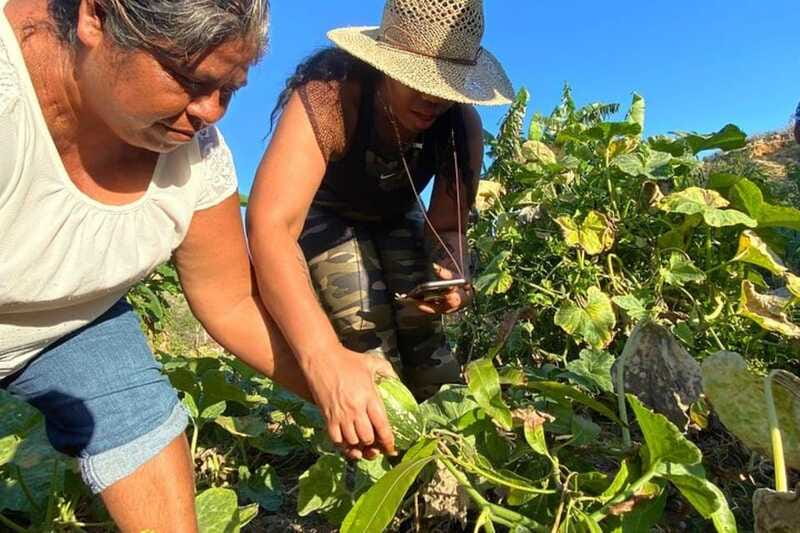
If your Cabo plan includes good food and you want to feel connected to the place you’re visiting, I’d book this. The best reason is simple: you don’t just taste nopal tacos. You harvest, learn, cook, and eat in a way that actually explains the ingredient.
It’s especially compelling when you want something off the common resort track, with a guide like Danny bringing energy and local context. The sunset walk is the kind of finish that makes the day feel complete, not rushed.
Book it if you’re comfortable with an outdoor ranch + beach day, and you’re okay buying drinks separately. If mobility is an issue or you’re traveling with a very young child, choose another Cabo option.
FAQ
What’s the duration of the cooking class?
The experience runs about 4.5 hours.
How much does it cost?
It costs $95 per person.
Is hotel pickup included, and where does it operate?
Yes—hotel pickup and drop-off are included, but pickup is for the Cabo San Lucas area.
What do you do during the class?
You take part in a harvest-focused class centered on nopal cactus, then cook cactus tacos with guidance, including making tortillas and working with spicy salsa.
What’s included in the price?
Included are hotel pickup/drop-off, ranch entrance fee, the cooking class and instructor, all necessary materials, and bottled water.
Is it suitable for children and people with mobility needs?
It’s not suitable for children under 4 years and it isn’t suitable for people with mobility impairments.