REVIEW · BIG ISLAND OF HAWAII
Hawaiian Salt Farm Tour in Kona
Book on Viator →Operated by Kona Sea Salt - The Farm · Bookable on Viator
Salt can be surprisingly fun. This Kona tour takes you to the only Hawaiian salt farm hand-harvesting salt from the ocean, with an easy walk through the stages and a guided explanation of how it all works. I especially liked the oceanfront setting and the fact that you’re not just looking at a display.
I also loved the salt tasting at the end. You’ll sample different varieties made on-site, which makes the whole lesson feel useful right away—salt isn’t abstract once you can actually taste the differences.
One possible drawback: if you’re the type who likes slow explanations and lots of back-and-forth questions, you may want to speak up early. A few people felt the guide’s pace could be hard to follow and that salt options at tasting weren’t always spelled out clearly.
In This Review
- Key Points You’ll Care About
- Entering Kona’s Oceanfront Salt Farm (What Makes It Different)
- Your 45-Minute Walk-Through: How the Salt Gets Made
- 1) Water source and why it matters
- 2) Salt harvesting areas and the hand-harvest concept
- 3) The step-by-step harvesting process
- 4) Salt tasting at the end
- Salt Tasting: Comparing Varieties Instead of Just Sampling
- How to get the most from the tasting
- Who the Guides Are (And What Their Style Adds)
- What About the Foot Soak and Other Mineral Products?
- Price and Value: Is $27 Worth It?
- Practical Tips for a Sun-and-Ocean Experience
- Weather and Timing: Plan Around Hawaii’s Outdoors
- Should You Book This Hawaiian Salt Farm Tour in Kona?
- FAQ
- FAQ
- How long is the Hawaiian Salt Farm Tour in Kona?
- What does the tour cost?
- Where do I meet for the tour?
- Is the tour in English?
- Is a mobile ticket provided?
- How big is the group?
- Does it include salt tasting?
- Does the tour run in any weather?
- What is the cancellation policy?
- Are service animals allowed?
Key Points You’ll Care About
- Only Hawaiian salt farm in operation, focused on hand-harvesting from seawater
- Oceanfront grounds where you can see salt drying and the process in action
- Salt tasting included, with multiple salt varieties to compare
- Small group size (max 20), which generally makes questions easier
- Guides bring local context, from salt history to Hawaii and ocean details
- Weather matters, because this is an outdoor farm experience
Entering Kona’s Oceanfront Salt Farm (What Makes It Different)
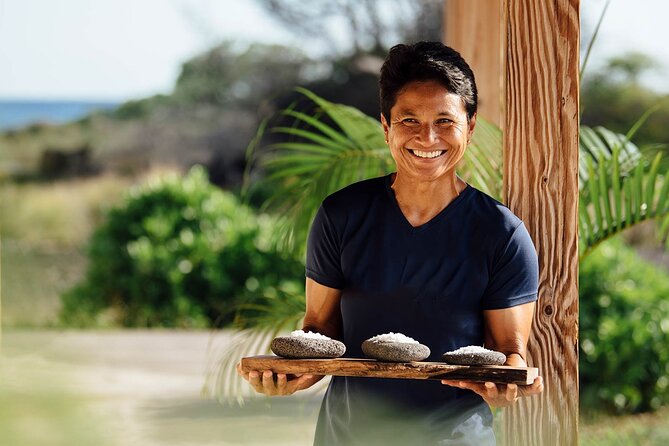
If you’ve already done the classic Big Island stops, this is the kind of activity that resets your brain. Instead of a viewpoint and a photo, you get something hands-on and sensory: salt. Not a brand label in a shop. Actual salt making steps you can see along the farm’s ocean edge.
The whole premise is simple and smart: Hawaiian sea salt is hand-harvested from ocean water, then processed into different products. The farm’s setting is part of the appeal. You’re out where the process happens, with the ocean as your backdrop, so the explanation lands faster.
You’ll meet your Salt Farm Manager at the office in Kailua-Kona at 73-907 Makako Bay Dr. From there, the tour is guided and walk-through style—plan on staying outdoors for most of it, moving between a few key areas as the manager explains what you’re looking at.
You can also read our reviews of more tours and experiences in Big Island of Hawaii.

Your 45-Minute Walk-Through: How the Salt Gets Made
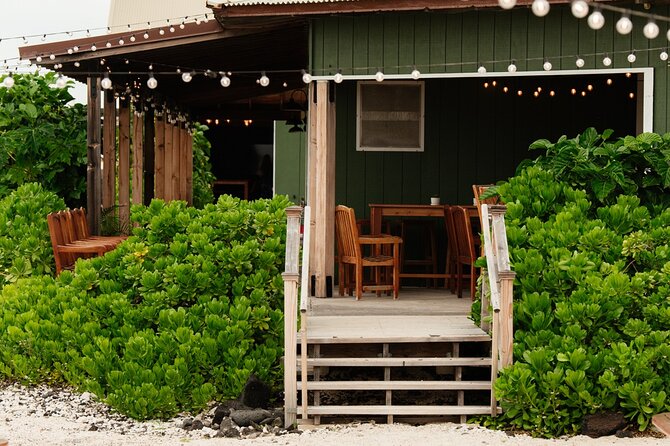
This experience runs about 1 hour total, with the guided portion around 45 minutes. You’re not stuck listening in one spot the whole time. You move through the farm and follow the logic of the process step by step.
Here’s what to expect during that main walkthrough:
1) Water source and why it matters
You’ll get a clear explanation of where the water comes from and how it connects to the minerals in the final product. One of the most useful parts of the tour is that it doesn’t treat salt as a single thing. It frames salt as an ocean-based product shaped by method, timing, and conditions.
2) Salt harvesting areas and the hand-harvest concept
You’ll be shown salt-harvesting areas so the words actually connect to what your eyes see. Hand-harvesting isn’t just a marketing phrase here—it’s presented as a deliberate process tied to how the salt forms and dries.
3) The step-by-step harvesting process
The manager explains the stages in a way that helps you picture what happens between ocean water and the crystals you’d recognize at the table. You’ll also hear about other deep-ocean mineral products made through the same general idea.
One small note: pace can vary by guide and group. If you’re the kind of person who asks lots of questions, bring your curiosity to the front of the line. Several guides named in feedback—like Candee/Candy and Ipolani (spelling varies)—were praised for turning the tour into more than a script.
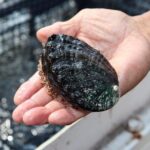

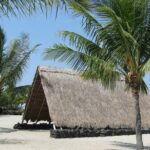
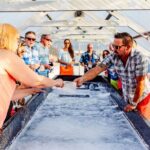
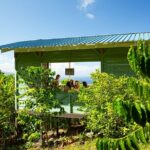

4) Salt tasting at the end
The walkthrough ends with tasting. This is the moment where the whole “process” becomes real. You can connect what you learned to what you taste, and that’s where the tour’s value really clicks.
Salt Tasting: Comparing Varieties Instead of Just Sampling
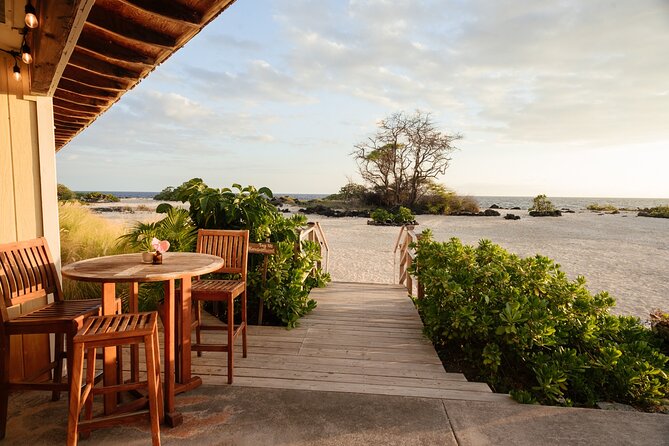
Salt tasting is included, and it’s one of the most consistently praised parts of the experience. The tasting isn’t framed as a single salty bite—it’s an opportunity to compare different salts made from the farm’s work.
From the feedback, you can expect a range of flavors and types. Some people mentioned tasting around 15 different flavors with foods like fruits and veggies as part of the comparison. Whether you get that exact range on your date may vary, but the intent is consistent: tasting different salts so you can notice how they differ, not just “try something.”
How to get the most from the tasting
- Ask the guide to point out which salts came from the farm if anything feels unclear.
- Take a second to reset between tastes (water and pace matter here).
- If you cook, think of what type of salt you’d actually use at home. Tasting becomes way more fun when you’re already imagining your next meal.
If you’re sensitive to fast talk, don’t hesitate to ask for slower clarification during the walk-through, before the tasting starts. One mixed comment said the tasting labels weren’t always clear and the guide seemed annoyed about questions; I’d rather you avoid that by getting clarity early.
Who the Guides Are (And What Their Style Adds)
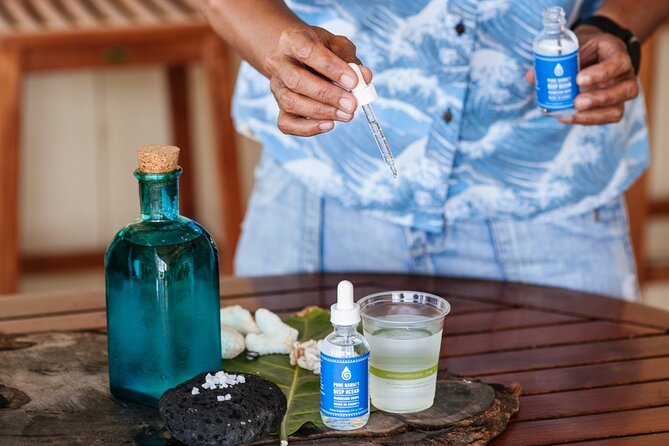
This is one of those tours where the person leading you can change the feel a lot. Many feedback highlights call out guides like Candee, Candy, Mari, and Ipolani as standouts for both knowledge and presentation.
What I’d take from that, for your planning, is this: you’re not just watching a process. You’re learning a point of view. Several comments mention extra context beyond salt—things like Hawaii and ocean history, and even tidbits that connect salt farming to earlier Hawaiians’ methods and broader island life (one person even mentioned language-related context).
If you like explanations tied to place, you’ll likely enjoy the way these guides connect salt to the ocean and the island’s story.
What About the Foot Soak and Other Mineral Products?
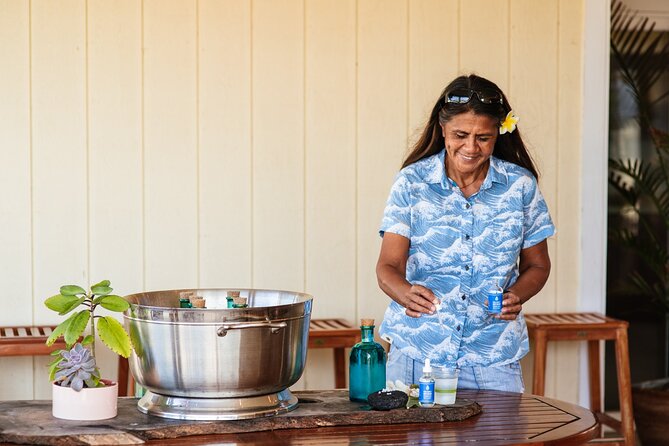
The main tour includes learning and tasting. Some people also add a deep ocean foot soak as an extra. In feedback, the foot soak is described as very cold but refreshing, with notes about magnesium and even receiving a jar of magnesium to use in the water.
One thing to keep in mind: because the foot soak sounds like an add-on, it may not be included in every booking. If that’s important to you, ask when you confirm your time slot or at the start of the visit. If you’re prone to cold-water discomfort, it’s worth considering too.
Even without the foot soak, the tour does mention other deep ocean mineral products as part of the overall explanation. So if you’re curious about salt beyond the kitchen, you’ll have something to connect the tasting to.
Price and Value: Is $27 Worth It?
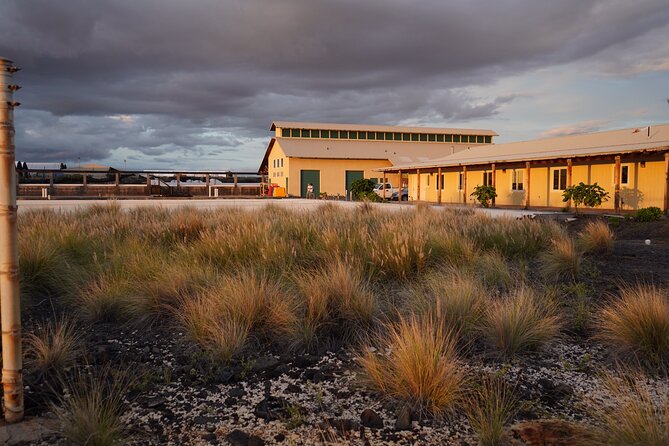
At $27 per person, the tour is priced for a high-value half-day feel. It’s short, it’s small-group, and it includes the best “proof” of a food-based experience: tasting.
Here’s how I’d judge the value:
- You’re paying for access to a working process, not a staged exhibit.
- Tasting is included, so you leave with sensory knowledge, not just photos.
- The group size caps at 20, which is a big deal on an outdoor farm tour. You’re not lost in a crowd.
- You also get practical context—how salt forms and how the farm operates—which makes the shop purchases (if you choose to buy salts) feel more intentional.
If you’re looking for a cheap pass-through activity, this might feel like “just salt.” But if you like learning how things are made—especially food and ocean products—you’ll likely find it good value.
Practical Tips for a Sun-and-Ocean Experience
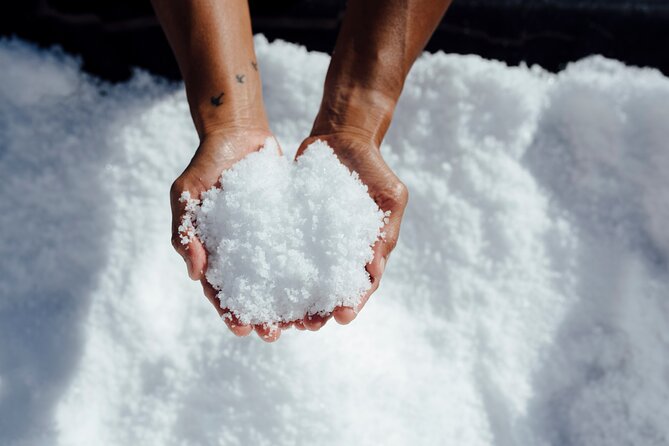
This is an outdoor oceanfront farm. That means simple comfort choices matter.
- Bring sunscreen and consider a hat. People explicitly mention sunscreen and hats in feedback.
- Expect strong sun exposure. Umbrellas may be available to block sun, but don’t count on it as your only shade.
- Wear shoes you don’t mind getting a little dusty. It’s a walk-around farm setting.
- If you’re sensitive to cold water, think about whether you want the optional deep ocean foot soak later.
Also, since the tour ends back at the meeting point, plan to stay in the Kailua-Kona area afterward without needing a car immediately.
Weather and Timing: Plan Around Hawaii’s Outdoors
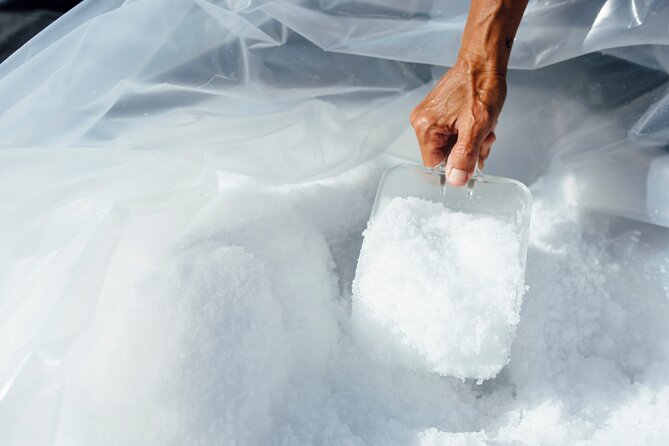
This experience requires good weather. That’s not a small detail. It matters because oceanfront farm activity can’t be the same if conditions are rough.
If your schedule is tight, I’d book early and keep one flexible option in your mind. When weather is poor, you’ll be offered a different date or a full refund.
Timing is another practical point. Most people do this as part of a travel day, even close to the airport. Since the tour is about an hour, it can work well as a last Kona stop—especially if you want something meaningful that isn’t another long drive.
Should You Book This Hawaiian Salt Farm Tour in Kona?
I’d book it if you want a real-world food process in about an hour—hand-harvested Hawaiian salt, an oceanfront setting, and an included tasting that helps you understand the differences between salt varieties.
Skip it or go in with expectations if you:
- need lots of downtime in a fully shaded indoor setting,
- hate outdoor walking,
- or only want a very light, no-explanation experience. This tour is still primarily about learning the process, even though it feels friendly and easy.
One last thought: if you’re picky about communication, arrive a bit early, settle in, and ask your questions while you still have time before the tasting.
If you want something on the Big Island that’s uncommon, not cookie-cutter, and tied to the coast in a concrete way, this is one of the better bets for your Kona day.
FAQ
FAQ
How long is the Hawaiian Salt Farm Tour in Kona?
It’s about 1 hour (approximately), with the guided portion listed at around 45 minutes.
What does the tour cost?
The price is $27.00 per person.
Where do I meet for the tour?
You start at 73-907 Makako Bay Dr, Kailua-Kona, HI 96740, USA. The activity ends back at the meeting point.
Is the tour in English?
Yes. The tour is offered in English.
Is a mobile ticket provided?
Yes, it’s listed as a mobile ticket.
How big is the group?
The tour has a maximum of 20 travelers.
Does it include salt tasting?
Yes. The tour ends with a salt tasting of different salts.
Does the tour run in any weather?
No. It requires good weather. If it’s canceled due to poor weather, you’ll be offered a different date or a full refund.
What is the cancellation policy?
You can cancel for a full refund up to 24 hours in advance. If you cancel less than 24 hours before the start time, the amount paid isn’t refunded.
Are service animals allowed?
Yes, service animals are allowed.