REVIEW · BIG ISLAND OF HAWAII
Award Winning Farm Tour: Coffee, Chocolate and Unique Gifts
Book on Viator →Operated by Kona Natural Soap · Bookable on Viator
A farm tour with coffee, chocolate, and soap beats the usual stop-and-shop. Here you get the views over Kona at about 1,200 feet, then a guided walk on a working plantation that explains how biodiverse farming shapes what ends up in your cup and on your bar of soap. If you’re lucky enough to be hosted by Greg Colden, expect jokes along with the real-world details.
What I like most is the mix of hands-on learning and actual taste. You’ll sample on-site Kona coffee and chocolate, and you’ll also see how their natural soap is made, not just hear about it. A second big win: the farm is positioned to make the walk feel like an outdoor experience, with rainforests, tropical plants, and the dormant Hualālai volcano showing up in the scenery.
One thing to consider is group size. The tour caps at 30, and because it’s a walking experience on a working farm, it’s not built for little kids (it’s not recommended under 12).
In This Review
- Key things to know before you go
- Three Hours on a Working Kona Farm That Actually Feels Worth It
- Start Point Views Above Holualoa (And Why That Matters)
- Coffee and Cacao Walking Tour: Learning Without Making It Complicated
- The Tastings: Kona Coffee and Award-Winning Chocolate in Real Portions
- Natural Soap Factory Demo: The Unexpected “Hands-On” Advantage
- Gift Shop Finds: Coffee, Chocolate, Soaps, and More Than You Expected
- Price and Value: Why $50 Can Feel Like a Bargain Here
- Who Should Book (and Who Might Prefer Something Else)
- Quick FAQ: What You Need to Know
- FAQ
- How long is the tour?
- How much does it cost?
- Where do I meet the tour?
- What day and time does it run?
- Is there a group size limit?
- Is it suitable for children?
- Is the tour weather-dependent?
- Should You Book This Kona Coffee, Chocolate, and Gifts Tour?
Key things to know before you go
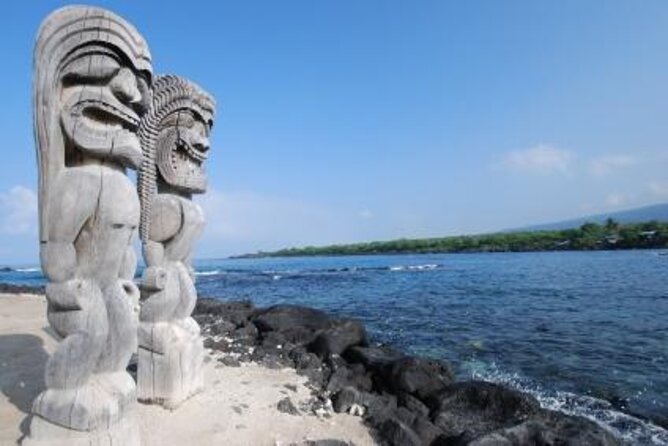
- Pacific Ocean views from 1,200 feet above Kona set the tone right away
- Coffee and chocolate tastings made on-site are part of the 3-hour flow
- Natural soap factory demo adds a practical “how it’s made” stop
- Free parking, but the entrance can be rocky—drive carefully
- Max 30 travelers, so plan for a livelier group atmosphere
- Guides matter here; Greg Colden and the team bring humor and Q&A time
Three Hours on a Working Kona Farm That Actually Feels Worth It
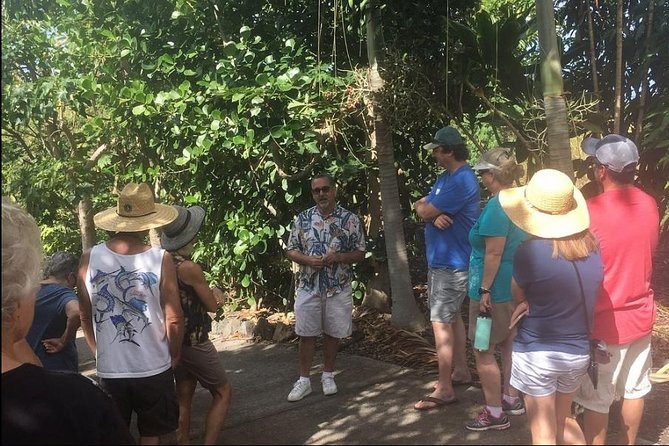
This tour is built for people who want more than a postcard. In about three hours, you’re guided through a real farm that grows coffee and cacao, then you move into production—soap-making—before ending at a shop where the gifts aren’t random. It’s not just entertainment. It’s a peek at how a small operation tries to do things the careful way.
The best part is the pacing. You start high above Kona with big scenery, then you walk and learn in a way that stays human-sized. You’re not racing from one “photo spot” to another. And you’re not sitting through a lecture-only experience either.
The tour also has a clear sweet spot: it’s for adults and older teens who like food you can trace back to the ground it came from. If you’re in Kona for just a short time, this is one of the better ways to spend a morning without feeling like you missed the good stuff.
You can also read our reviews of more tours and experiences in Big Island of Hawaii.
Start Point Views Above Holualoa (And Why That Matters)
The meeting point is 78-6749 Mamalahoa Hwy in Holualoa, and the tour runs Tuesday from 9:00 AM to 12:00 PM. From the moment you arrive, the farm’s location does a lot of the work for you.
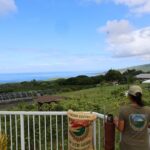
You begin with breathtaking Pacific Ocean views from roughly 1,200 feet above Kona. On a clear morning, that coastline panorama helps you understand why volcanic islands like this can be so productive. You also get glimpses of Hualālai, the dormant volcano above the area. It’s not just scenery—it’s the reason for the volcanic soil that supports the crops.
Then the drive/walk route includes stretches through lush rainforests and tropical plants. That’s a big part of what makes the tour feel authentic: you’re experiencing the same climate factors the farm deals with every day. If you’re the type who likes to connect your food to the environment, this opener sets you up for the rest.
Practical note: parking is free, but the entrance area can be rocky. Take it slow. If you’re renting a car, consider driving cautiously and not treating it like a highway pull-off.
Coffee and Cacao Walking Tour: Learning Without Making It Complicated
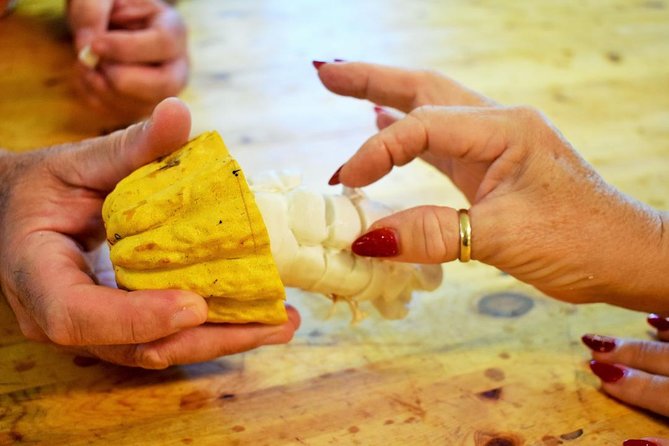
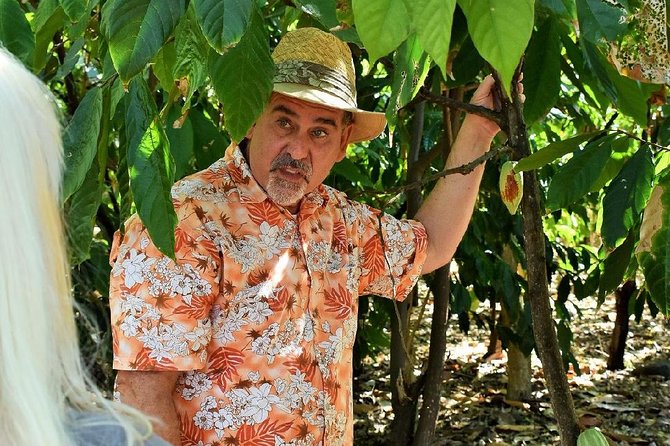
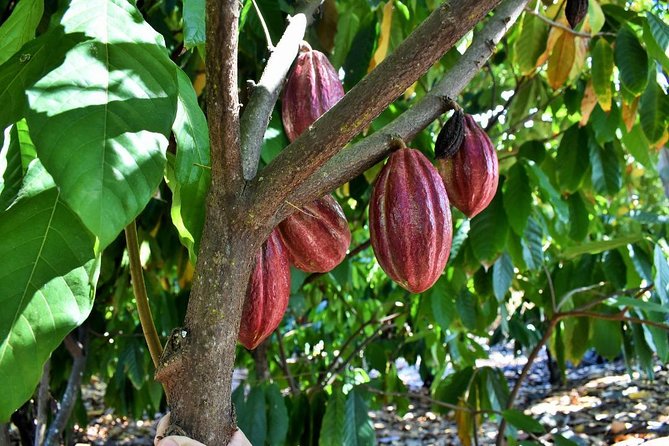
Once you’re on the property, the tour becomes a walking explanation of how coffee and cacao fit into a broader farming system. You’re not just shown plants. You’re guided through what those plants need and how the farm thinks about its land.
One theme that keeps showing up in how this tour is described is biodiversity. You’ll hear how farming coffee and cacao isn’t only about one crop. It’s about creating a more stable system where different plants and natural relationships help support the farm over time.
This is where the guide’s style makes a difference. Many visitors highlight Greg Colden (the owner) as funny, personable, and comfortable answering questions. That matters because on a working farm, questions don’t always fit a script. When your guide can roll with it, you leave with real takeaways instead of a blur.
A fair caution: if you’re looking for a super technical, coffee-only deep-dive, this tour is not positioned that way. It covers cacao and natural soap too, and one person noted it leaned more toward cacao and soap. If your #1 goal is coffee agronomy at a high level, you might feel the split. On the other hand, if you want an overall Kona farm picture—from trees to taste—it hits the mark.
The Tastings: Kona Coffee and Award-Winning Chocolate in Real Portions
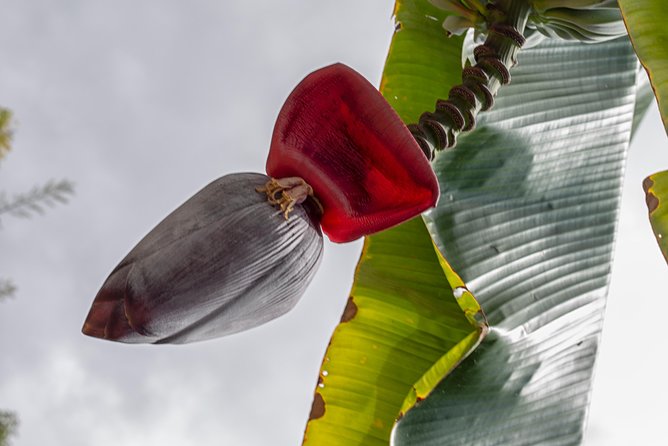
The tastings are one of the clearest reasons this tour gets near-universal praise. You have the chance to taste delicious chocolate and coffee made on-site. And it’s not just one tiny sample you barely notice while looking for the next stop.
What I like about this format is that it turns the education into something you can remember. You hear about cultivation and processing, then you immediately taste what that care produces. That connection is what makes the information stick.
You’ll typically taste Kona coffee and chocolate from their production, and some visitors mention chocolate nibs along with coffee tasting. Either way, plan on leaving with a better sense of what “Kona” means in the context of quality and craft, not just the word on a label.
If you’re a non-coffee drinker, this is still a good bet. One review-style experience described the tour as convincing even a coffee skeptic after tasting their Kona coffee. The chocolate tasting alone is also a win if you’re more of a cocoa person.
Food and scent note: unless you have an allergy to a plant (lavender and similar scents were mentioned as examples), the scents you might notice in their factory are described as entirely plant-based. If you’re sensitive to fragrance or essential oils, it’s worth mentioning before you start.
Natural Soap Factory Demo: The Unexpected “Hands-On” Advantage
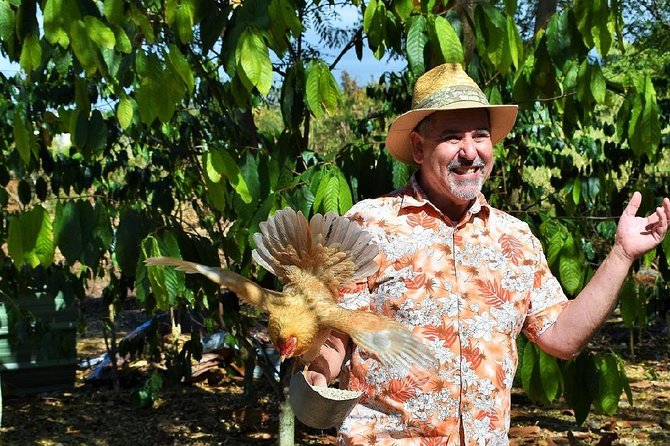
A lot of farm tours stop at plants and products. This one adds something more practical: you see soap making and you learn how their natural soaps come together. Visitors often call this part of the tour a highlight, and it makes the whole experience feel less one-note.
The soap side also changes how you shop afterward. Instead of buying gifts that look nice, you can connect them to process and ingredients. People mention soaps and essential sprays as part of what they ended up buying, and some describe switching to the farm’s soap because it feels gentle.
You’ll also find that the soap-making stop gives you a different angle on sustainability and craft. It’s still part of the same farm story, but it moves from what grows to what gets made—and you see how those worlds connect.
A quick pacing note: this is still a farm tour, so you’ll want to expect a mix of walking and factory-style time. If you need frequent seating breaks, plan ahead. One visitor mentioned there weren’t always a lot of places to sit at each stop. It’s not described as a marathon, but it is not purely stroller-friendly.

Gift Shop Finds: Coffee, Chocolate, Soaps, and More Than You Expected
The tour ends back at the meeting point, but the shopping happens on the farm. This is one of those experiences where the gift shop feels connected to the tour instead of pasted on as a sales stop.
What you can expect to shop for includes homemade gifts and souvenirs, plus their coffee and chocolate. Many visitors also talk up the soap selection, including bars and products like essential sprays. Some mention ceramics/pottery as an added bonus, along with island or farm-themed souvenirs.
If you’re buying gifts, here’s how I’d approach it: taste first, then shop. If you know what you liked during the tasting, you’ll make quicker decisions in the store, and you’ll have a real reason behind the purchase beyond branding.
Also ask about shipping if you’re sending items home. One person noted a flat-rate shipping experience to the US address, but it’s smart to confirm current rates when you check out.
Price and Value: Why $50 Can Feel Like a Bargain Here
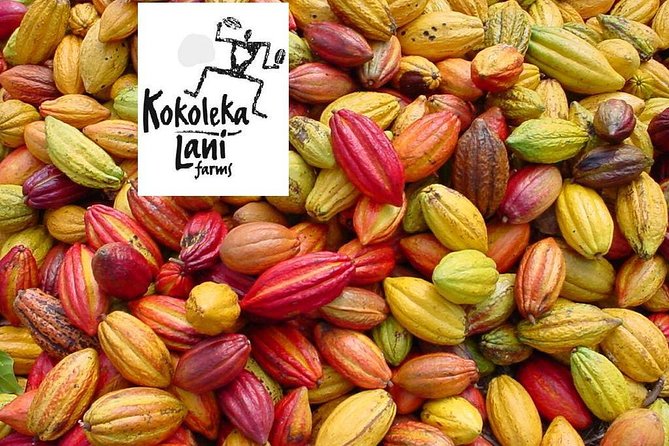
At $50 per person for about three hours, this tour lands in that sweet spot where you’re paying for real guidance, tastings, and a behind-the-scenes product demo. The value isn’t only in the price. It’s in what you get: multiple parts of the farm operation, plus tastings that let you judge quality right then.
Because it’s a small operation with a maximum of 30 travelers, you generally get a more personal experience than larger factory-style tours. And the guide-led Q&A style matters. Many descriptions emphasize that the guide encourages questions and keeps the energy up without turning it into a sales pitch.
Let’s also talk timing. People often book about 53 days in advance on average. That tells me demand is steady in-season. If you’re traveling during busier periods, book early so you’re not scrambling for a morning slot.
Who Should Book (and Who Might Prefer Something Else)
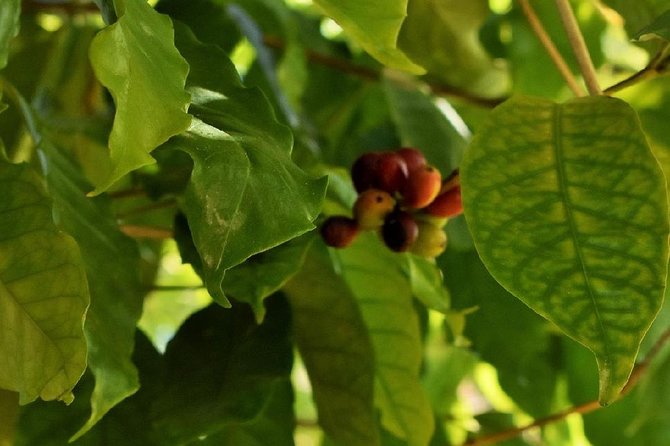
This is a great choice if you want an easy-to-follow Kona morning with:
- a guided farm walk,
- coffee and chocolate tastings you can actually savor,
- and a natural soap factory stop that adds practical context.
It also works well for families with older kids, as long as the group can handle the pacing. The tour is described as not recommended for travelers under 12, and children are expected to stay supervised and guided. If there are disruptions, families may be asked to step aside or leave so the rest can enjoy the experience.
If you’re traveling with mobility needs, note that it is described as easily accessible and there’s plenty of free parking. But it’s still a walking tour on a working farm, so bring realistic expectations about uneven ground and outdoor conditions.
And if you’re very sensitive to plant scents, take the allergy note seriously. The scents are described as plant-based, but allergies still don’t care about good intentions.
Quick FAQ: What You Need to Know
FAQ
How long is the tour?
It runs about 3 hours.
How much does it cost?
The price is $50.00 per person.
Where do I meet the tour?
The meeting point is 78-6749 Mamalahoa Hwy, Holualoa, HI 96725, USA.
What day and time does it run?
It’s offered Tuesdays, 9:00 AM to 12:00 PM.
Is there a group size limit?
Yes. The tour has a maximum of 30 travelers.
Is it suitable for children?
It is not recommended for travelers under 12 years old, and children should stay supervised during the tour.
Is the tour weather-dependent?
Yes. It requires good weather, and if it’s canceled due to poor weather you’ll be offered a different date or a full refund.
Should You Book This Kona Coffee, Chocolate, and Gifts Tour?
I’d book it if you want a morning that mixes farm walking, real tastings, and a product-making stop, all with a guide who brings energy and answers. The value is strongest when you care about what you’re eating and using, not just taking photos.
Skip it (or compare options) if you want a coffee-only experience with very deep coffee farming detail, or if you’re traveling with small kids who can’t handle a supervised walking format. And if you’re booking last-minute, remember it depends on good weather, so build in some flexibility.
Overall, this is the kind of tour that earns its reputation: a Kona farm story you can taste, shop, and remember.
![[Perfect Private Tour] Nami island, Petite France and Organic Strawberry Farm - Hotel pickup and an English-speaking driver: the stress-remover](https://4.farmtouring.com/wp-content/uploads/perfect-private-tour-nami-island-petite-france-and-organic-strawberry-farm-400x267.jpg)