REVIEW · BIG ISLAND OF HAWAII
Hamakua Coast Farm Small-Group Walking and Tasting Tour
Book on Viator →Operated by NAKIHALANI FARM · Bookable on Viator
If you like fruit you can taste, you’ll like this. The Hamakua Coast Farm small-group walk at Nakihalani Farm pairs lilikoi and mamaki tea tastings with a real restoration story—out on the property you’re walking through. You’ll stroll through working fields, orchards, and growing structures, then finish with sweet farm flavors and tea.
I especially love the small group feel (up to 8 people), because you can actually hear the host and ask questions. I also like that the tasting is built around the farm’s own products, from lilikoi sweets to mamaki tea and sugar cane juice. One consideration: it’s about a leisurely walking loop plus tastings, not a long, rugged hike, and it does depend on good weather.
In This Review
- Key highlights worth making space for
- Why Nakihalani Farm’s small-group walk works so well in Hilo
- What you’ll taste: lilikoi, mamaki tea, and sugar cane juice
- Entering a plantation that’s been reclaimed
- The walking loop: what “leisurely pace” feels like
- Stop focus: Nakihalani Farm’s crop mix and growing structures
- After the tour: linger for farm-made food and take-home treats
- Getting there and timing: start at 10:00 am in Hilo
- Price and value: what $49 buys you on the Big Island
- Weather, small-print realities, and how to prepare
- Who this tour is best for (and who should skip it)
- Should you book? My practical take
- FAQ
- How much does the Hamakua Coast Farm Small-Group Walking and Tasting Tour cost?
- How long is the tour?
- What time does the tour start?
- Where is the meeting point?
- What is the group size?
- What tastings are included during the tour?
- Can I stay after the tour for food?
- Is there a fitness requirement?
- Is the tour in English, and do I get a ticket on my phone?
- What happens if the weather is bad or I cancel?
Key highlights worth making space for
- Tastings you can connect to what you see: lilikoi treats, hot and cold mamaki tea, and sugar cane juice
- A restoration story on the ground: you’ll learn what changed when a plantation-era property was reclaimed
- Walking at an easy pace through orchards and new fields
- Lots of crop diversity in one stop: pineapple, grapes, citrus, avocado, sugar cane, and more
- A finishing table with take-home favorites like lilikoi syrup and tea cakes
- A host-led, question-friendly group size capped at 8 people
Why Nakihalani Farm’s small-group walk works so well in Hilo
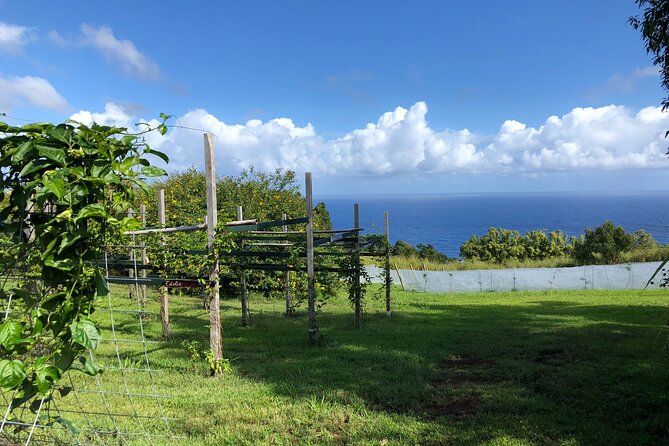
On the Big Island, you’ll find plenty of tours that point at farms. This one works differently. You’re not just watching from the road. You walk the property at a relaxed pace, then you taste what that property produces.
The value is in the connection. The host talks about how the land and growing choices came back from ruin. Then you sample lilikoi-based specialties and mamaki tea right after you’ve toured the fields and structures. That rhythm makes the flavors easier to understand, not random “free samples.”
Because the group is limited to a maximum of 8, the experience doesn’t feel rushed. It also means the host can tailor answers as you go. If you care about how crops actually get grown in Hawaii—what works, what’s harder—this format fits.
You can also read our reviews of more tours and experiences in Big Island of Hawaii.
What you’ll taste: lilikoi, mamaki tea, and sugar cane juice
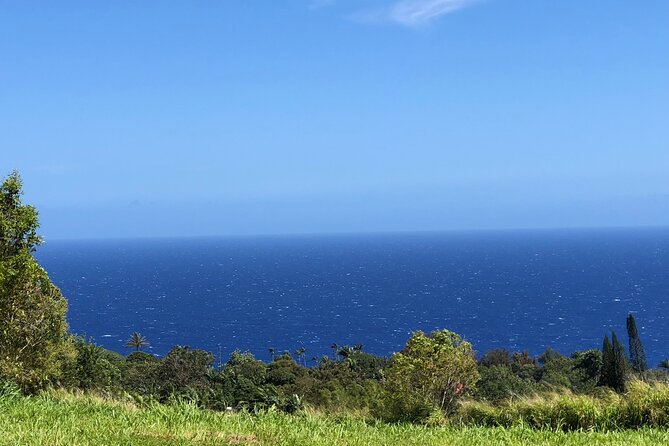
This tour is a tasting tour first, but not in a gimmicky way. The flavors are tied to the farm’s focus crops and to the way the property has been restored.
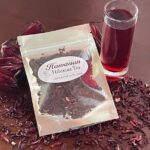
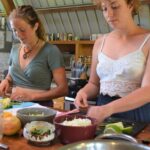
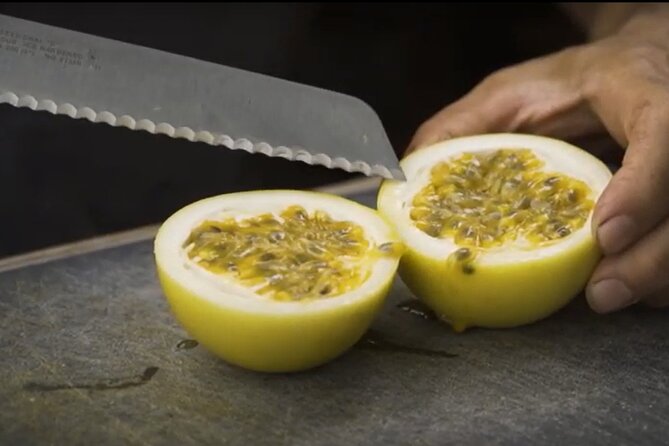
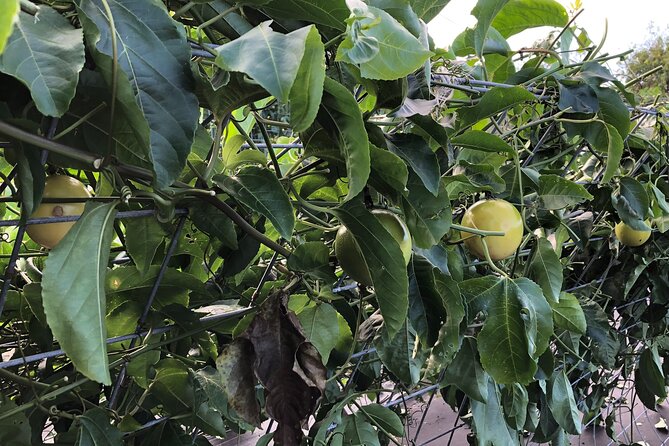
You start with Hawaiian lilikoi and mamaki tea as the centerpiece. Lilikoi is Hawaiian passion fruit, and here it shows up in multiple forms: you’ll also finish with sweet specialties made with lilikoi, not just one quick sip. Mamaki tea is made from the mamaki plant, and you’ll get both hot and cold versions—so you can judge it both ways, like a proper tea nerd.
Then there’s sugar cane juice, plus sweet farm-style items such as pastries and house-made products. One review noted house-made syrup, honey, and pastries made with fruit from the farm. That matches the overall setup: you leave with the sense that you didn’t just try flavors, you tried the farm’s way of processing them.
A practical tip: go into this with some room in your stomach. If you’re coming from breakfast, take it easy. The tastings are the main event, and they’re meant to feel satisfying, not tiny.
Entering a plantation that’s been reclaimed
The farm walk is built around a restoration story tied to the plantation era. You’ll learn about the history of the area—both the old and the newer phase—then you’ll hear the owner’s story about reclaiming the property from ruin.
That matters, because it turns agriculture from a postcard into a reality check. Crops in Hawaii aren’t just “tropical.” They’re shaped by land health, water needs, growing structure, and long-term care. Even if you’re not a horticulture expert, you’ll walk away with a clearer sense of the tradeoffs behind fruit and tea production.
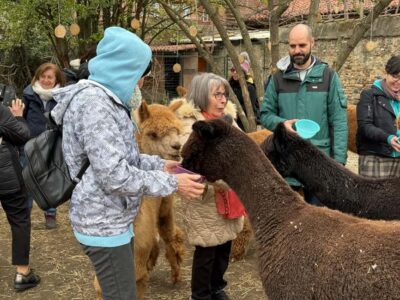
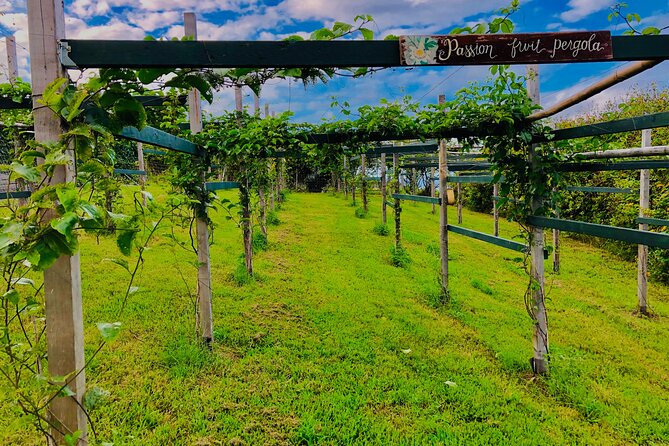
As you move through the property, you’ll see how the farm is set up for different plants. The tour includes orchards and fields plus diverse custom growing structures for lilikoi. You’ll also notice small details like flowers and herbs throughout, and you may see sheep on site as part of the farm rhythm.
It’s the kind of tour where the scenery is functional. Everything you see is part of growing the crop—shade structures, plantings, and the overall layout that helps the farm keep producing.
The walking loop: what “leisurely pace” feels like
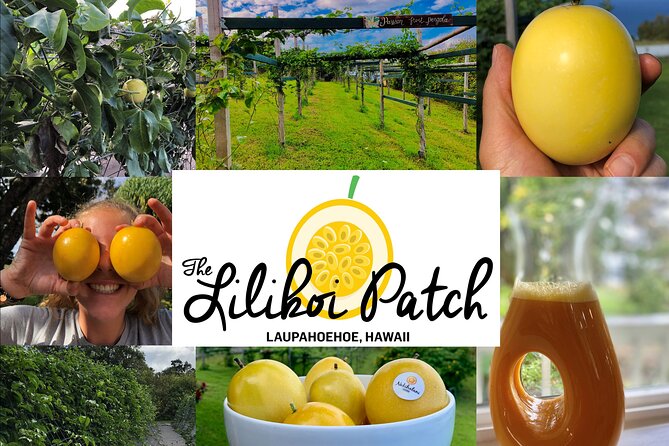
The walking portion is designed for moderate physical fitness. That phrasing is important. You’re not dealing with technical terrain described in the details, but you are moving around a working farm property. Think comfortable walking shoes and the willingness to take slow stops for explanations.
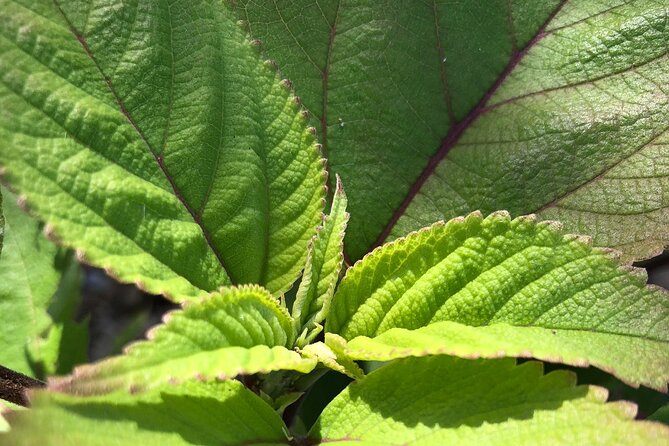
You’ll wander through new fields and orchards with a mix of crops such as pineapple, grapes, citrus, avocado, sugar cane, and mamaki tea. You’ll also pass by custom Lilikoi growing areas and see the scale of growing setups used for this fruit.
What I like about this pacing is that it leaves time to enjoy the place. This isn’t a sprint through photo points. You can actually listen, taste, and absorb. You also have time to look at the herbs and flowering spots as part of the overall tour flow.
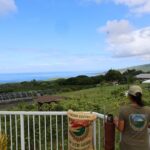
If you’re expecting a long hike or lots of dramatic viewpoints, adjust your expectations. This is about agriculture and restoration, not summit views. The reward is in understanding what you’re eating.
Stop focus: Nakihalani Farm’s crop mix and growing structures
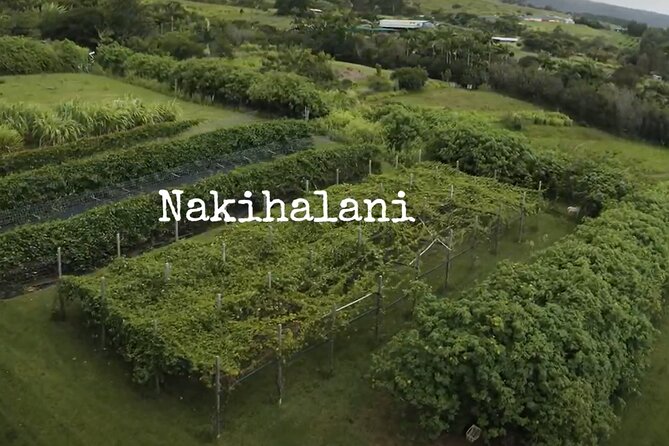
This tour centers on one main stop: Nakihalani Farm. Everything ties back to the owner’s story and the farm’s working fields.
The crop list is what makes it interesting. Lilikoi and mamaki tea take the spotlight, but the farm also grows pineapple, grapes, citrus, avocado, sugar cane, and more. That diversity matters because it helps explain why a farm might choose different crops or growing systems over time, especially on land that has been rebuilt.
You’ll also spend time with the farm’s largest custom growing structures for lilikoi in the Hawaiian Islands, according to the tour description. Even without getting technical, you can grasp the idea: lilikoi needs intentional structure and planning to produce well. You’re seeing the “why” behind the fruit focus.
A final practical plus: the tour includes take-home purchases. That means you’re not forced to decide on the spot if you only want to taste. You can taste first, then buy what you actually want for later.



After the tour: linger for farm-made food and take-home treats
One of the best ways to stretch value on a farm tour is what you do right after. This experience explicitly allows you to stay longer after the walking and tasting portion.
Some food items may be available for purchase for breakfast or lunch. The note is to check ahead, since availability can change. The key point is that you’re already on the property, so a quick extra stop for food makes sense if you’re hungry.
You’ll also have the option to purchase famous items such as lilikoi syrup, tea cakes, and mamaki tea, plus other farm-made products. That’s a nice way to turn a short experience into something you can keep using at home.
What to do: if you’re unsure what you’ll like, start with the tasting. Then, after you’ve walked the property and learned the story, buy the product that feels most connected to what you saw. For many people, that ends up being lilikoi syrup or mamaki tea.
Getting there and timing: start at 10:00 am in Hilo
The tour starts at 10:00 am and returns to the same meeting point. The meeting address is 35-218 Kihalani Homestead Rd, Hilo, HI 96720.
Because it runs about 2 hours, plan your day around it like a half-day block. If you’re staying in Hilo, this is a good fit when you want something calm and hands-on without losing the whole morning.
The experience uses a mobile ticket. You’ll get confirmation at booking time, which helps you feel set once you lock in your spot.
Price and value: what $49 buys you on the Big Island
$49 per person for a 2-hour, small-group walking and tasting tour can feel like a “you’re paying for the experience” price. The good news is that the experience is doing real work for that money.
You’re paying for three things that matter:
- A guided walk through a working farm, not just a tasting counter
- Multiple tastings built around lilikoi and mamaki tea, plus sugar cane juice and sweet specialties
- A focused owner-led restoration narrative, which makes the food tastings feel earned
You’re also paying for access. A group capped at 8 means more attention and less time waiting around. The tastings are central, and the option to buy take-home items means you can turn the experience into actual supplies, not just memories.
One thing to consider: if you’re not interested in tea, fruit syrups, or farm products, the value will feel different. But if you like understanding how food gets made and you want to taste something you can actually buy afterward, this price starts to make sense fast.
Weather, small-print realities, and how to prepare
This experience requires good weather. If conditions are poor, you’ll be offered a different date or a full refund. Since this is a walking tour, that matters for comfort and safety.
You should also have a moderate physical fitness level. That’s the right call for a farm stroll where you’ll be moving around enough to earn your tastings.
What I recommend you do before you go:
- Wear shoes you’re happy to walk in on farm ground
- Expect to be outside and plan for sun and light rain changes
- Keep your schedule flexible enough to enjoy lingering after the tour if you want food on-site
Also, bring the expectation that you’ll be tasting. If you’re on the fence about eating earlier, err on the lighter side.
Who this tour is best for (and who should skip it)
This is a strong match for you if:
- You want a short, guided farm experience tied to food you can buy afterward
- You care about how Hawaiian crops grow, not just the flavors
- You like small groups and conversation with the host
- You enjoy lilikoi products and are curious about mamaki tea
You might want to choose another option if:
- You’re looking for a long hike or dramatic scenery
- You’re not interested in tea or fruit-forward tastings
- You need a highly fast-paced, instruction-light activity (this tour leans guided and story-based)
Should you book? My practical take
Book this tour if you want a calm, guided farm walk where the tastings make sense. The combination of a restoration story, a crop-forward tour, and lilikoi and mamaki tea sampling gives you something more useful than a generic food stop.
Don’t book it if your main goal is views or a big adventure hike. This is about agriculture, flavor, and learning. If that’s your kind of day, you’ll likely enjoy it a lot.
One more decision helper: if you plan to buy lilikoi syrup, tea cakes, or mamaki tea anyway, tasting first is a smart move. This tour sets you up to choose with confidence.
FAQ
How much does the Hamakua Coast Farm Small-Group Walking and Tasting Tour cost?
It costs $49.00 per person.
How long is the tour?
The tour is about 2 hours.
What time does the tour start?
The start time is 10:00 am.
Where is the meeting point?
The tour meets at 35-218 Kihalani Homestead Rd, Hilo, HI 96720, USA.
What is the group size?
The maximum group size is 8 travelers.
What tastings are included during the tour?
You’ll sample Hawaiian lilikoi and mamaki tea, plus sweet specialties made with lilikoi. You’ll also have hot and cold mamaki tea and sugar cane juice. Take-home items for purchase may include lilikoi syrup, tea cakes, and mamaki tea.
Can I stay after the tour for food?
Yes, visitors are welcome to stay longer after the tour. Some food items may be available for purchase for breakfast or lunch, but it’s advised to check ahead.
Is there a fitness requirement?
You should have a moderate physical fitness level.
Is the tour in English, and do I get a ticket on my phone?
The tour is offered in English, and you’ll receive a mobile ticket.
What happens if the weather is bad or I cancel?
The tour requires good weather. If it’s canceled due to poor weather, you’ll be offered a different date or a full refund. You can also cancel for a full refund up to 24 hours before the experience’s start time.