REVIEW · LEFKADA
Traditional Greek Cooking Class @ Lefkada Micro Farm
Book on Viator →Operated by Lefkada Micro Farm · Bookable on Viator
A wood-burning oven and a working farm usually mean food with a story. Here, you start with the soil and end at a shared meal, guided by Andreas and a team that keeps the pace relaxed. The two things I really liked: you learn where ingredients come from before you cook them, and the food tastes like it was made for that exact moment, not for show.
The main thing to consider is weather. This experience depends on good conditions, and if it gets canceled, you’ll either switch dates or get a refund.
In This Review
- Key highlights you’ll care about
- A farm-to-table class that starts in the soil, not the recipe
- Getting to Lefkada Micro Farm (and what happens the moment you arrive)
- The open-air museum part: learning what regenerative farming means for your meal
- The open-air kitchen: where Greek basics meet wood-fired heat
- Bread in the wood oven: the first taste of the day’s theme
- Tzatziki, Greek salad, and briam: building a Greek plate piece by piece
- Tzatziki: creamy, tangy, and tied to the farm
- Greek salad: not complicated, but it needs quality
- Briam: slow-roasted comfort with wood-oven character
- The Farmer’s Table meal: eating what you made, together
- Price and value: is $152.58 worth it?
- Who this experience suits best (and who might want something else)
- Tips to get the best day out of it
- Should you book Lefkada Micro Farm’s Greek Cooking Class?
- FAQ
- Is this Traditional Greek Cooking Class offered in English?
- How long is the cooking class?
- Where do I meet for the experience?
- What dishes are included in the menu?
- Does the price include the meal?
- What’s the maximum group size?
- Is there a mobile ticket?
- Are service animals allowed?
- What if I have allergies or dietary restrictions?
- What’s the cancellation and weather situation?
Key highlights you’ll care about
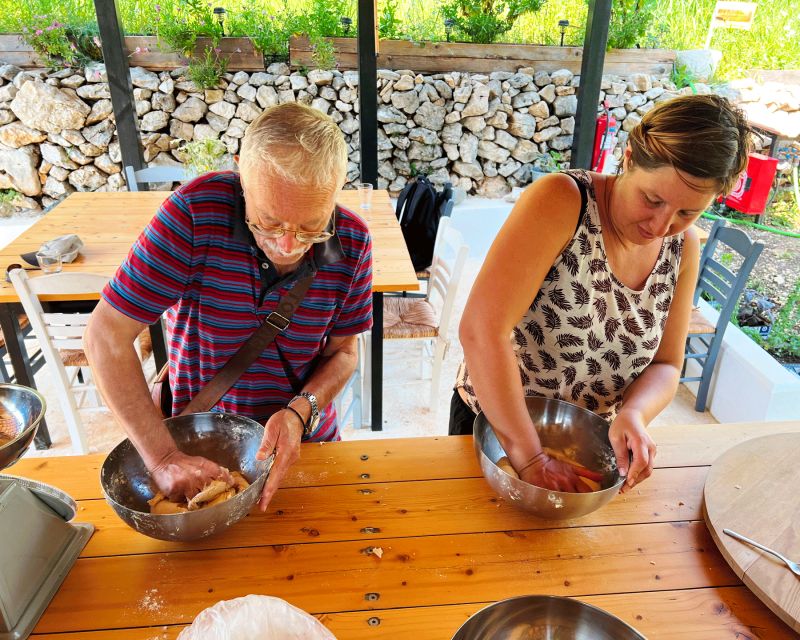
- Small group (max 10): more hands-on time and easier questions while cooking
- Farm tour first: regenerative farming practices, then seasonal harvests for your meal
- Wood-burning oven cooking: especially for bread, plus roasting vegetables like briam
- Simple Greek flavors, done right: tzatziki, Greek salad, and a big role for Extra Virgin Olive Oil
- Farmer’s Table-style meal: eat together outdoors right after cooking
- Friendly arrival energy: coffee, fresh fruit, and cakes before you start cooking
A farm-to-table class that starts in the soil, not the recipe
This is a Traditional Greek Cooking Class built around a very practical idea: if you understand the ingredients, you cook better. You’ll walk onto Lefkada Micro Farm and follow the flow of the day from farm to plate, with a slow-living pace that doesn’t feel precious or forced.
I like that it’s not a showy, complicated cooking workshop. The emphasis is freshness, seasonality, and simplicity, so even if you’ve never made Greek food before, you’ll have a clear path from raw ingredients to finished dishes.
You can also read our reviews of more tours and experiences in Lefkada.
Getting to Lefkada Micro Farm (and what happens the moment you arrive)
You’ll meet at Lefkada Micro Farm, located at Ε.Ο. Νυδριου Βαυκερής Ράχη, Nidri 311 00, Greece. Plan to arrive with time to spare. The rhythm of the experience is easier when you’re not rushing.
If you’re early, you can get pulled into the farm atmosphere right away. One of the most memorable arrival moments: you may be able to feed the animals, plus there’s time for coffee, fresh fruit, and cakes before the farm tour begins. That pre-cooking break matters because it sets a friendly tone, and you’ll be thinking like a farmer by the time you pick ingredients.
The group stays small (up to 10 people), and the class runs about 4 hours in total, in English. It’s structured enough to feel like a real lesson, but relaxed enough that you won’t feel herded.
The open-air museum part: learning what regenerative farming means for your meal
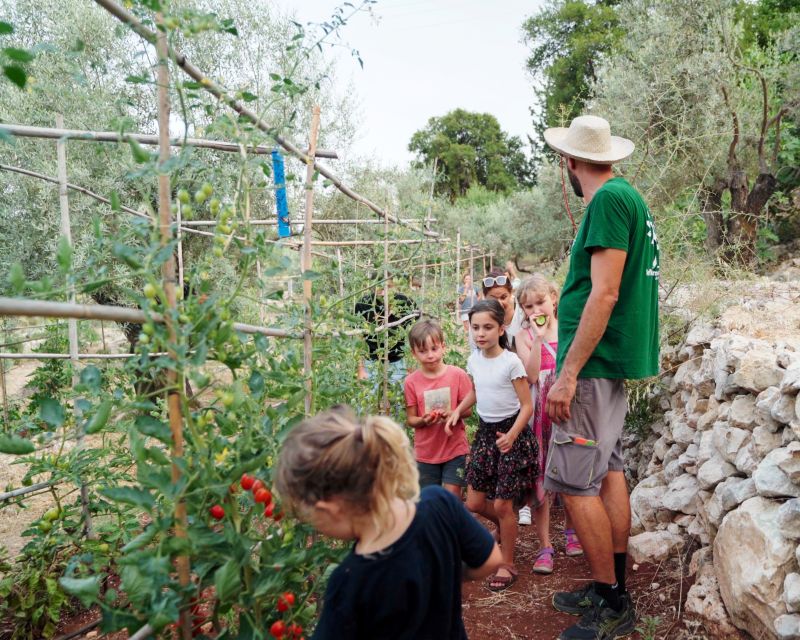
The first stop is the Lefkada Micro Farm area, described as an open-air museum. This is where the day gains context. You’re not just looking at beds of herbs and vegetables; you’re learning the regenerative farming practices used to keep the ecosystem healthy.
For me, this is where the experience becomes more than cooking. When you understand what the farm is doing—how it cares for soil and living systems—you get a better sense of why the ingredients taste the way they do. You can often taste the difference between food that’s grown with intention and food that’s grown fast.
You’ll also see how the day’s seasonal, organic ingredients become your meal. That matters, because Greek food is built on timing: when the vegetables are at their best, the cooking is simpler and the flavor comes through on its own.
The open-air kitchen: where Greek basics meet wood-fired heat
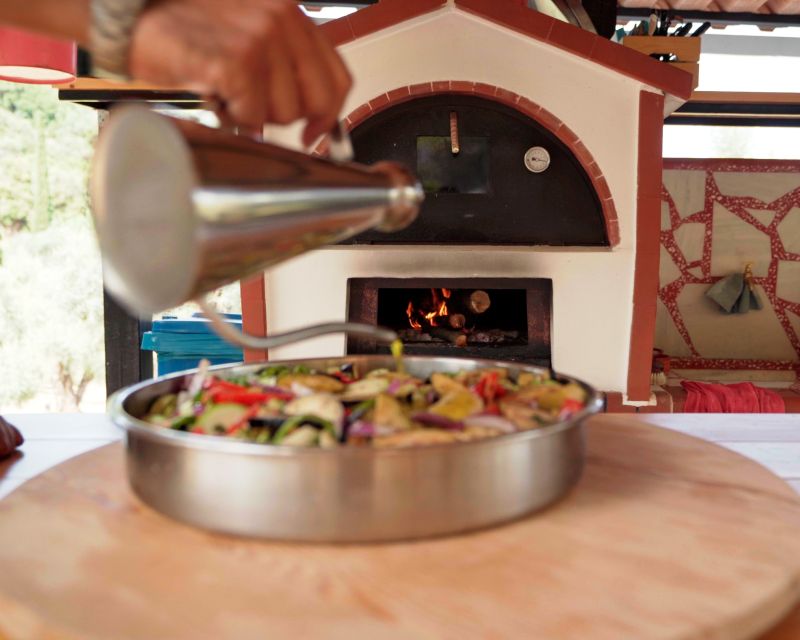
After the farm walk, you move into the open-air kitchen setup. This is one of the best parts for practical cooking interest, because the environment supports the method: a wood-burning oven and a hands-on kitchen rhythm designed for real Greek home cooking.
Rather than teaching advanced techniques for their own sake, the focus stays on direct connections—ingredient to prep, prep to heat, heat to flavor. You’ll learn by doing, but you won’t get overwhelmed with step-by-step jargon.
One extra detail that I think you’ll feel in the finished dishes: their Extra Virgin Olive Oil is a big deal here. The class frames it as more than a condiment. It’s treated like a foundation ingredient, the way it is in Greek kitchens when the oil is truly good.
Bread in the wood oven: the first taste of the day’s theme
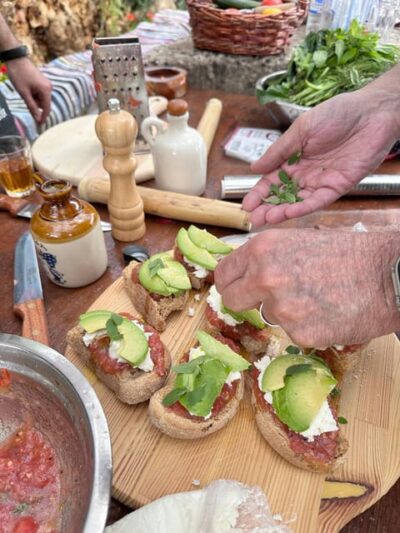
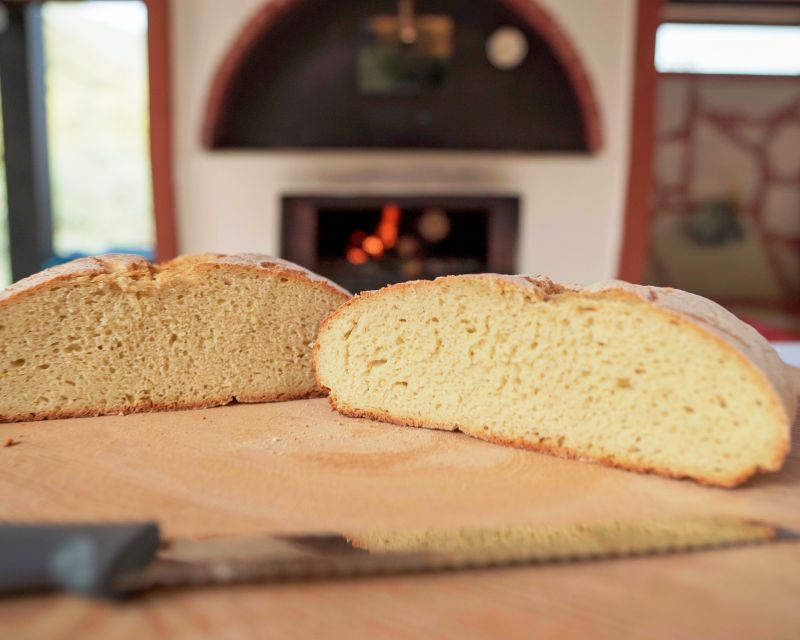
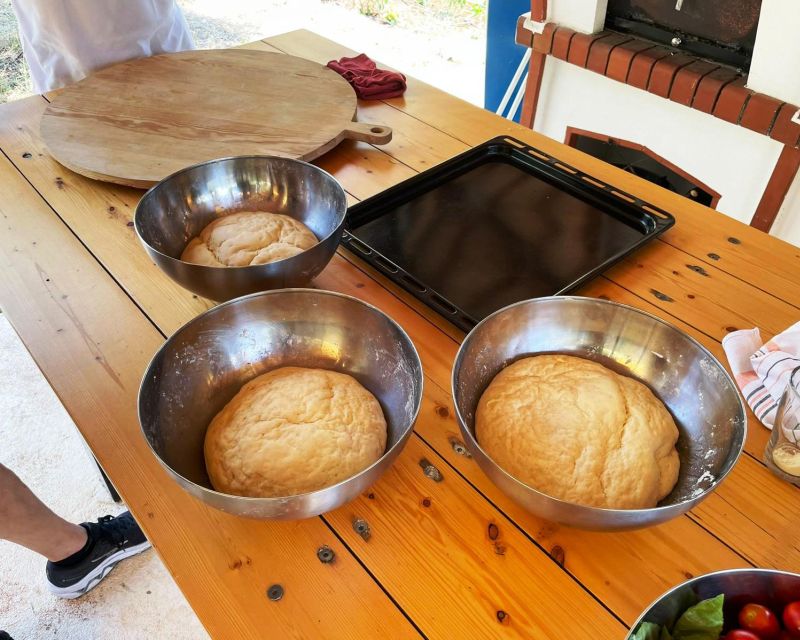
Your bread course is baked in the wood-burning oven. That alone sets expectations. Bread cooked this way tends to have that warm, earthy aroma, and it makes the rest of the meal feel even more grounded.
It also gives you an early win. Even if you don’t consider yourself a confident baker, the bread section reminds you that Greek cooking often shines through simple steps and the right heat.
Think of this as your reset. Once you taste what the oven is doing, you’re ready for the dairy-and-vegetable classics that follow.
Tzatziki, Greek salad, and briam: building a Greek plate piece by piece
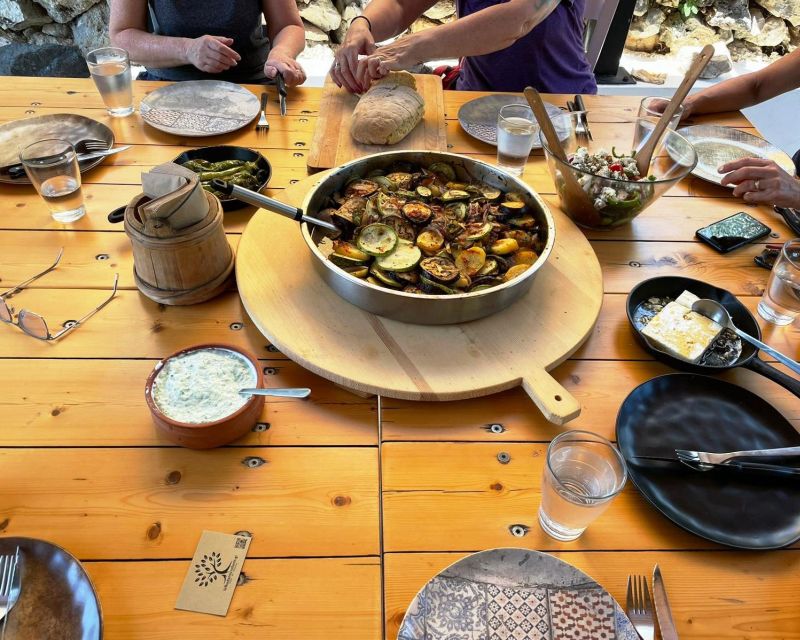
This class’s menu is focused and classic. You’re making:
- Tzatziki (with farm-to-table vegetables and sheep’s yoghurt)
- Greek Salad (with farm-to-table vegetables, goat cheese, oregano, and Extra Virgin Olive Oil)
- Briam (mixed vegetables roasted in the wood-burning oven)
Tzatziki: creamy, tangy, and tied to the farm
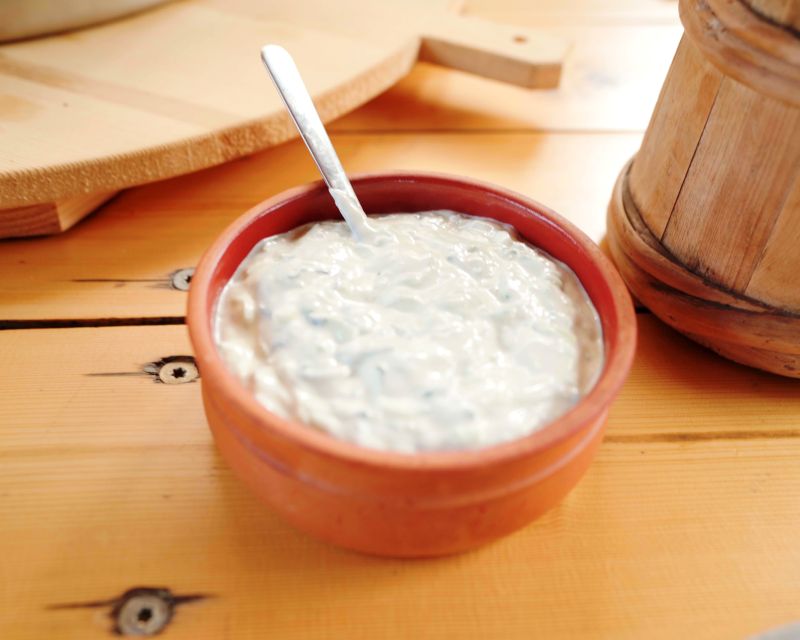
Tzatziki is one of those dishes that can taste bland or amazing depending on the yoghurt and the freshness of the vegetables. Here, the farm-to-table approach matters. Sheep’s yoghurt brings a distinct richness, and the vegetables keep everything bright.
What I like about including tzatziki early is how it teaches balance. You’re not just cooking; you’re learning how dairy and vegetables work together. If you want to replicate this at home, this course gives you a clear starting point.
Greek salad: not complicated, but it needs quality
Greek salad is sometimes treated like a basic. Here it’s handled like a core skill. Your ingredients include farm-to-table vegetables plus goat cheese, oregano, and their Extra Virgin Olive Oil.
The practical takeaway: with Greek salads, your job is mainly to respect ingredient quality. The herbs and oil do most of the heavy lifting. If you taste the salad and think, wow, that’s good, that’s because the flavor starts before the knife even touches the vegetables.
Briam: slow-roasted comfort with wood-oven character
Briam is mixed vegetables roasted in the wood-burning oven. This is where the class shows its strongest flavor logic: roasting concentrates sweetness and makes vegetables feel hearty without needing heavy sauces.
You’ll likely notice that the wood oven gives a different character than a standard home oven. Even if you don’t try to mimic the wood heat later, the idea transfers well: roast until vegetables develop flavor, then let the dish be itself.
The Farmer’s Table meal: eating what you made, together
Once the cooking is done, you gather for the meal at a Farmer’s Table. This is the point of the whole experience: you share what you created as a group, with the relaxed feel of family meals.
I find this part important for memory. Cooking classes sometimes end with a recipe sheet. This one ends with real eating—where you can compare flavors, ask questions while everyone’s still there, and enjoy the full process from farm to plate.
It also keeps the group dynamic friendly. Since the class is capped at 10 people, you’re more likely to talk, not just sit silently.
Price and value: is $152.58 worth it?
At about $152.58 per person for roughly 4 hours, the price is not cheap, so you should judge it by what’s included and how personal it is.
Here’s the value logic:
- You get a farm tour focused on regenerative practices and seasonal ingredients, not just a quick walkthrough
- You cook multiple dishes (bread, tzatziki, Greek salad, briam) using a wood-burning oven setup
- You eat the meal you made, and there’s a farm-arrival refreshment moment (coffee, fresh fruit, cakes)
- The group stays small, which improves how much you actually do rather than just watch
If your goal is authentic Greek food with context—food grown nearby, cooked with care, then eaten together—this price makes sense. If you want a hands-on class with real farm grounding and not just a cooking demo, this is the kind of experience that justifies the cost.
Who this experience suits best (and who might want something else)
This is a strong fit if you:
- like hands-on cooking more than watching
- want Greek food that’s tied to the ingredient story
- prefer small groups and a calm pace
- enjoy farm visits but don’t want a purely “walk and look” day
It may be less ideal if you’re after fast, checklist-style sightseeing or if you’re hoping for a high-energy nightlife vibe. This is about slow living and food rhythm, not rushing from stop to stop.
Also, because the class relies on good weather, it’s smart to match it with a more flexible part of your Lefkada schedule.
Tips to get the best day out of it
A few practical moves can help:
- Wear shoes you don’t mind using on uneven farm paths.
- Bring a layer. Open-air cooking can shift with the breeze.
- If you have dietary restrictions, let the team know ahead of time, so they can guide you safely.
- If you can, arrive early for the animal-feeding moment and the coffee/fruit/cakes break—those small pauses make the whole pace feel better.
Should you book Lefkada Micro Farm’s Greek Cooking Class?
I’d book it if you want Greek cooking with real grounding. The farm-to-table flow, the wood-burning oven cooking, and the specific menu built around olive oil, yoghurt, and roasted vegetables make it feel cohesive. And with a small max group size, you’re more likely to learn by doing instead of hovering in the background.
If you hate outdoor activities in uncertain weather, or you’re looking for purely technical cooking instruction, you might want to compare it with more indoor options. But for most people who travel for food and want a day that feels honest and calm, this is a very solid choice.
FAQ
Is this Traditional Greek Cooking Class offered in English?
Yes. The class is offered in English.
How long is the cooking class?
It runs for about 4 hours.
Where do I meet for the experience?
You’ll meet at Lefkada Micro Farm, Ε.Ο. Νυδριου Βαυκερής Ράχη, Nidri 311 00, Greece.
What dishes are included in the menu?
The sample menu includes bread baked in their wood-burning oven, tzatziki, Greek salad, and briam (mixed vegetables) roasted in the wood-burning oven.
Does the price include the meal?
Yes. After cooking, you eat the meal you prepared together at the Farmer’s Table.
What’s the maximum group size?
The class has a maximum of 10 travelers.
Is there a mobile ticket?
Yes. A mobile ticket is provided.
Are service animals allowed?
Yes, service animals are allowed.
What if I have allergies or dietary restrictions?
Let them know of any allergies or dietary restrictions, so the team can guide you appropriately.
What’s the cancellation and weather situation?
You can cancel for a full refund up to 24 hours in advance. The experience requires good weather, and if it’s canceled due to poor weather, you’ll be offered a different date or a full refund.