REVIEW · GREECE
Chania Area: Cooking Class at a Farm in Stylos Village
Book on GetYourGuide →Operated by Veggera - live the experience · Bookable on GetYourGuide
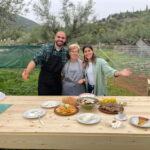
This Chania-area cooking class in Stylos village isn’t just about recipes. It’s a full farm morning that starts with walking the grounds and ends with a sit-down meal you helped make.
I especially like the hands-on cooking on a wood fire and the fact that you gather fresh herbs and ingredients from the farm and garden. If you want a class that feels more like being welcomed into a Cretan home than following a script, this fits. One consideration: since cooking is done on wood only (no electricity), you should expect heat, smoke smell, and a more rustic pace than a modern kitchen.
In This Review
- What makes it work so well
- Key highlights you’ll feel right away
- Stylos Village Farm: why this Cretan class feels personal
- The welcome start: coffee, raki, and settling in
- The garden walk: herbs, fresh ingredients, and better flavor
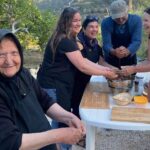
- The cooking on wood fire: learning real Cretan technique
- Dishes you’ll make during the class
- What “exercise in farm” usually means
- Lunch you actually want to stay for
- Price and value: is $129 fair for 5 hours?
- Who this cooking class suits best (and who might pause)
- What to bring and how to plan your day
- Should you book this Chania-area farm cooking class?
- FAQ
- What is the duration of the cooking class?
- How much does it cost?
- What’s included in the price?
- What dishes will we cook?
- Do you cook with electricity?
- Is hotel transfer included?
- What should I wear or bring?
- Is it wheelchair accessible?
- What is the cancellation window?
What makes it work so well
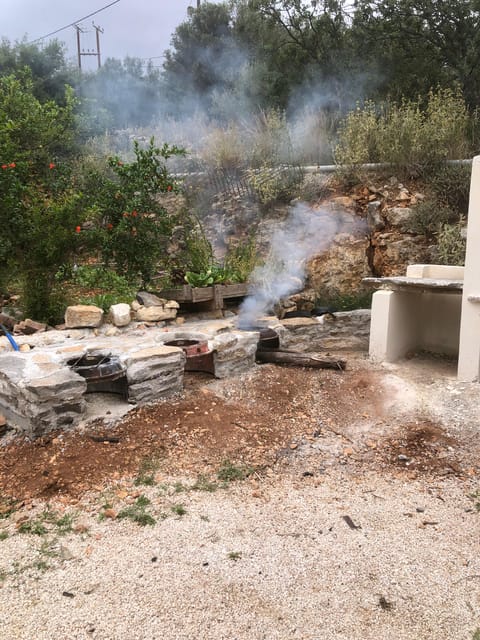
This experience is built around old-school Cretan cooking taught with personal care. You’ll make multiple dishes in a group setting, with plenty of chances to learn techniques rather than just copy steps. And because the ingredients are described as biological, you’re cooking with food that’s meant to taste like itself.
Key highlights you’ll feel right away
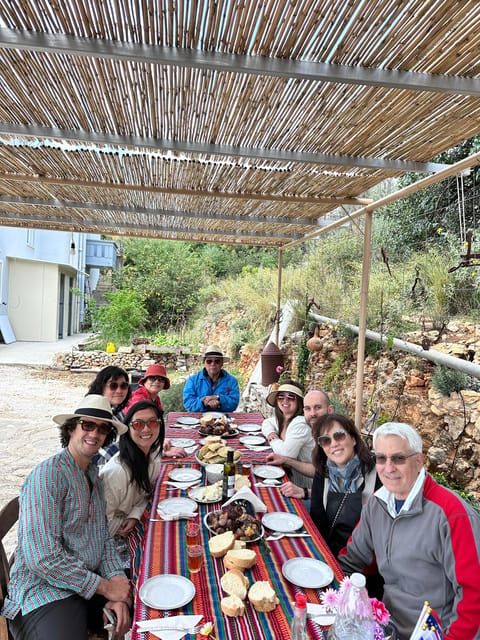
- Farm-to-plate ingredient picking: you gather items from the farm and garden before cooking
- Wood-fire, planet-friendly method: cooking is done only in woods, with no electricity
- You learn multiple classic dishes: tzatziki, Cretan salad, gemista, cheese pies, and more
- A real meal, not just samples: lunch includes local wine along with the food you prepare
- Family-style welcome: the tone is warm and relaxed, with conversation woven in
- You’ll walk and get involved: the day includes farm activity, so comfortable shoes matter
You can also read our reviews of more tours and experiences in Greece.

Stylos Village Farm: why this Cretan class feels personal
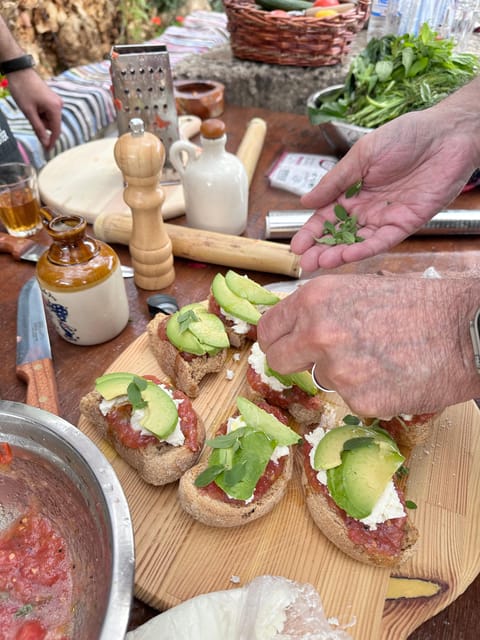
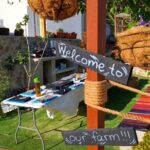
Stylos is the kind of place where cooking makes sense. Food here isn’t a “theme.” It’s daily work, passed down through families, and you can feel that in how the day is organized. Instead of rushing you straight to the cutting board, you start by arriving into the rhythm of the farm.
I like that the experience is not trying to impress you with fancy equipment. It leans into simple, traditional technique. Wood fire. Garden herbs. Cretan staples. Even the “lesson” part feels practical, like someone is showing you how they actually cook at home.
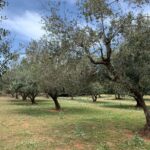
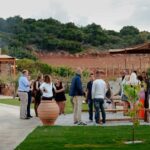
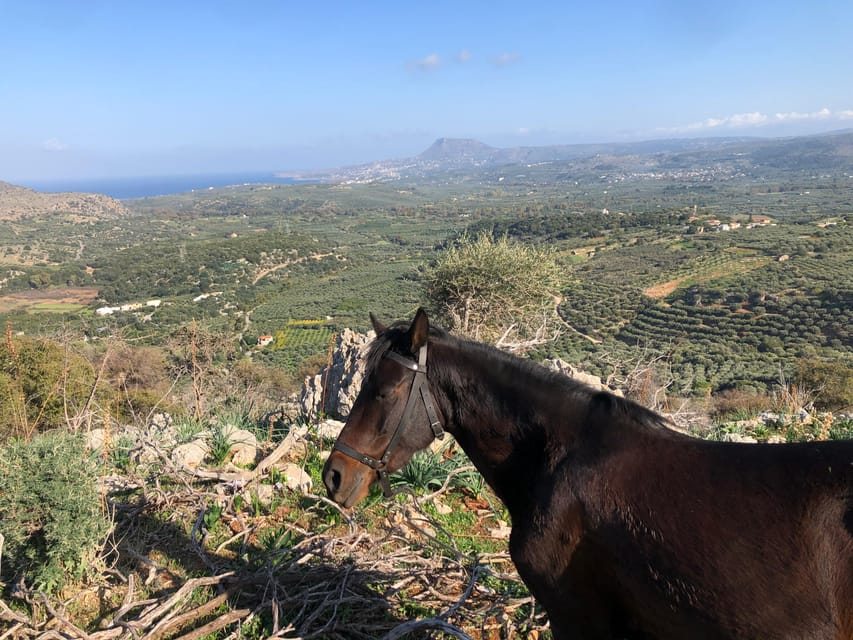
You’ll also get incredible farm views while you’re around the property. It’s the kind of background that makes you slow down. Not for long, but enough to reset your pace before you start cooking.
The welcome start: coffee, raki, and settling in
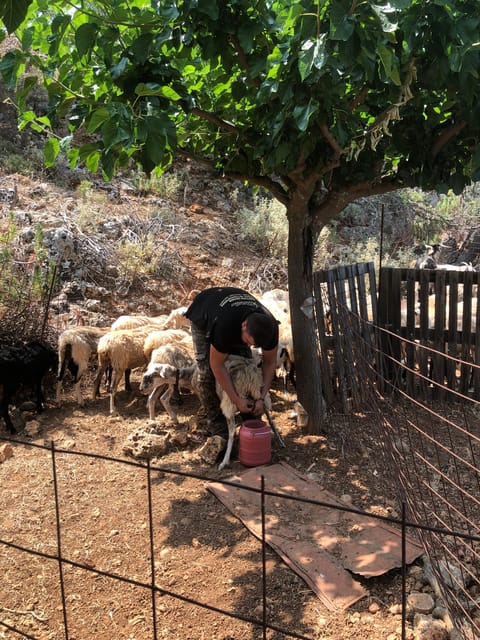
The first stretch is about comfort. When you arrive in the village, you’re offered traditional delicacies along with coffee and homemade lemonade. It’s a friendly way to get everyone into the same mood before you start working.
Then comes the social part that makes the class more than a skill workshop. People describe being welcomed in a natural way and included as part of the evening-like family atmosphere. In practice, that means you’re not just watching and waiting. You’re talking, asking, and learning why each dish matters.
As the day goes on, you’ll also have drinks with the meal. Coffee is part of the start, and raki and house wine are included later. It’s a nice touch, because it turns “lunch” into a proper Cretan break rather than a quick meal between activities.
The garden walk: herbs, fresh ingredients, and better flavor
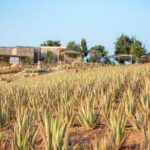
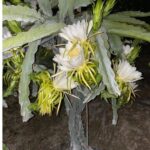
Before you cook, you gather. You stroll in the garden to pick the necessary ingredients, including aromatic herbs that will go into your dishes. This is one of the best parts of the experience because it changes how you cook.
When you harvest the ingredients yourself, you pay closer attention. You notice which herbs smell stronger in the sun. You understand what “fresh” means in a salad or in a yogurt sauce. That knowledge sticks when you’re back home trying to recreate the meal.
You’ll also be cooking with ingredients described as biological. That matters because Cretan cooking relies on straightforward flavors: olive oil, herbs, vegetables, yogurt, cheese. When the base ingredients taste alive, the whole dish improves without needing complicated tricks.
Practical tip: put sunscreen on early and wear shoes you don’t mind getting a little farm-dust on.
The cooking on wood fire: learning real Cretan technique
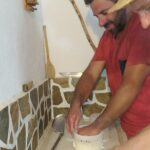
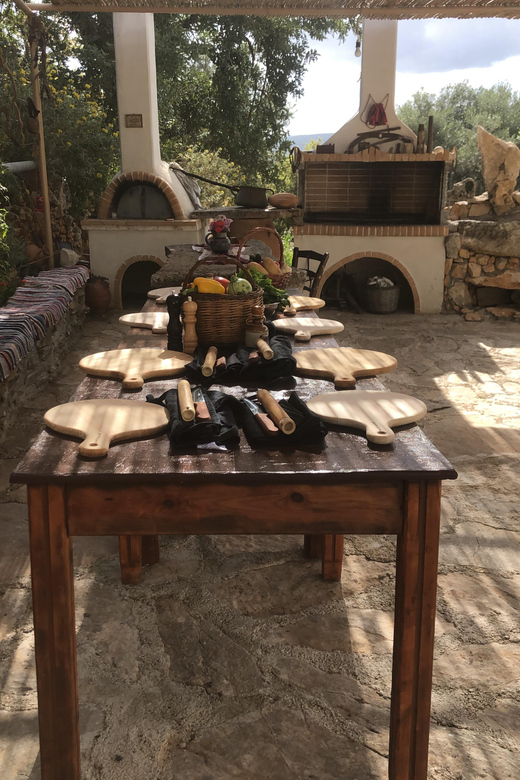
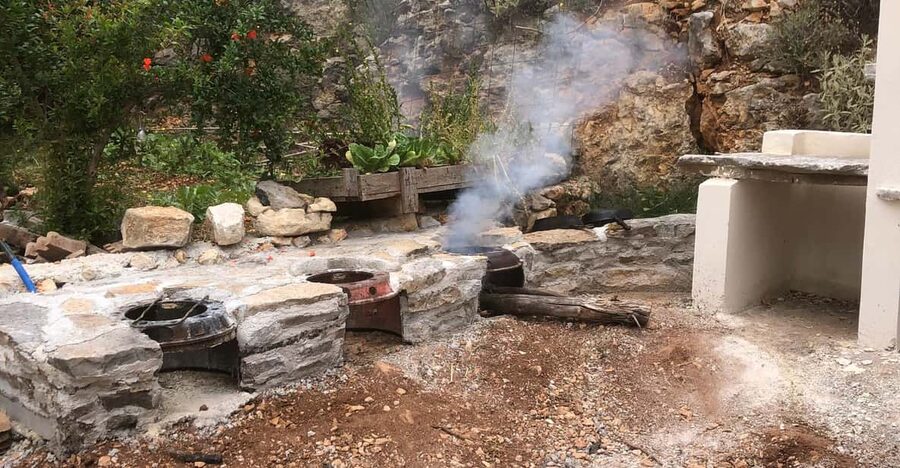
This is the heart of the day. Cooking is described as planet friendly: no electricity, and cooking is done only in woods. That single detail changes the whole experience. Wood-fired cooking has a different heat and a different rhythm. Things don’t always cook at the same speed as a stovetop at home.
So instead of just following steps, you learn how to manage cooking with live heat. You learn to adjust, taste, and keep moving. If you enjoy the process and can handle a rustic setup, you’ll probably love this part.



Dishes you’ll make during the class
The menu is classic and varied, which is great because you cover both sauces and main dishes. Based on what’s described, you’ll prepare:
- Tzatziki: yogurt-based with fresh herbs and flavors that need balance
- Dak(o): a traditional dish included in the teaching list
- Cretan salad: vegetables plus herbs and local oil style
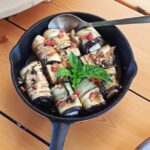
- Gemista: stuffed vegetables, part of the “comfort food” side of Crete
- Tsigariasto lamp: a lamp dish prepared as part of the cooking session
- Fresh fried potatoes in wood-fire heat
- Traditional cheese pies: a satisfying end-of-workday kind of food
The lineup matters because it teaches you multiple techniques. You’re not only chopping and mixing. You’re also working with cooking methods that create flavor through heat, not just seasoning.
What “exercise in farm” usually means
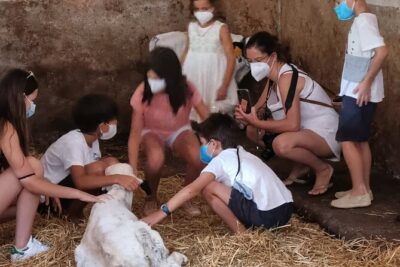
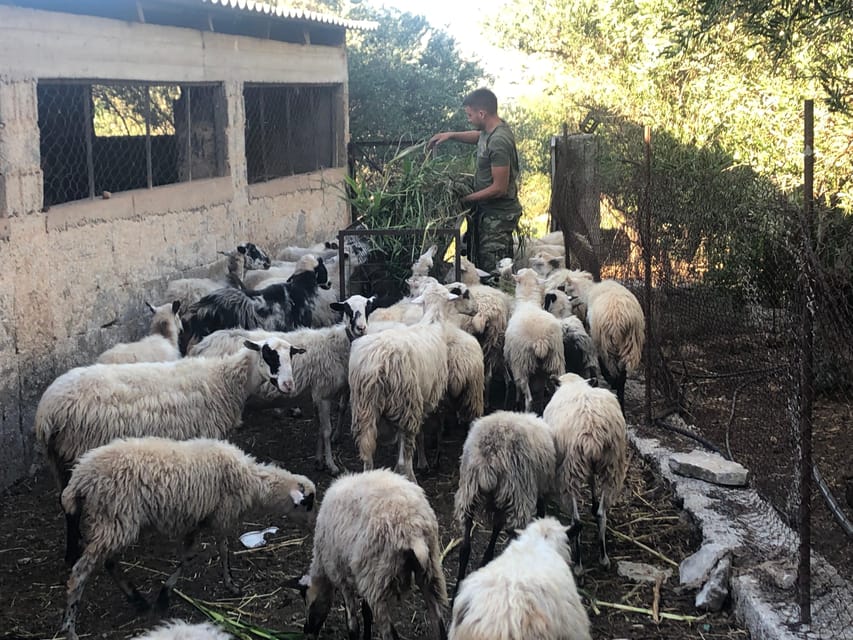
The experience includes farm activity. The exact level isn’t described, but the day’s structure clearly has walking and getting involved. Plan on moving around the property, not just standing by a counter.
That’s a good thing for most people. It also means you’ll want comfortable shoes, especially if the ground is uneven.
Lunch you actually want to stay for
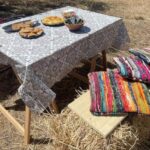
After the cooking session, you sit down for lunch with a local wine pairing. Since the meal includes what you made (and not only a tasting), it feels like a finish line you earned.
You’ll eat what’s listed on the day: tzatziki, Cretan salad, gemista, cheese pies, plus the wood-fired potatoes and other dishes prepared during the class. It’s a full Cretan spread, the kind that turns a “lesson” into a real meal experience.
Also, drinks are included: raki and house wine, along with the coffee earlier. That’s part of why the class is worth it. You’re not paying only for a cooking workshop. You’re paying for a full, satisfying lunch that matches the effort you put in.
One more practical benefit: you get a sense of portioning and sequence. In Cretan home cooking, it’s not just what you cook, it’s how you pace the meal. Eating right away while flavors are fresh helps you remember the “why,” not only the “what.”
Price and value: is $129 fair for 5 hours?
$129 per person sounds steep until you break it down like a food day costs. You’re paying for a 5-hour experience that includes:
- a cooking class
- a full meal
- coffee, raki, and house wine
- time in the farm setting, including ingredient gathering and farm activity
For a hands-on, multi-dish Cretan cooking experience on a real farm (not a demo kitchen), it starts to look like good value. Especially because the format is not just hands-off. You’re participating: gathering ingredients, learning cooking tricks, and then eating what you prepared.
Also, the wood-fire and biological ingredient focus adds real texture to the day. This isn’t a generic “Greek cooking class” where you make one dish and move on. The variety (sauces, salads, stuffed vegetables, pies, and wood-fired cooking) is a meaningful chunk of learning for your time.
If your priority is only one quick dish with minimal cooking, this may feel like more than you need. But if you want a proper food day with multiple techniques and a full table meal, the price becomes much easier to justify.
Who this cooking class suits best (and who might pause)
This class is a strong match if you:
- like learning by doing, not just watching
- want a real taste of Cretan home food
- enjoy conversations and being part of a relaxed group atmosphere
- care about traditional cooking methods, including wood-fire cooking
You might pause if you:
- dislike smoke or heat from wood-fired cooking
- want a purely indoor, modern kitchen setup
- prefer a low-walking experience (the day includes farm exercise and movement)
Based on how the hosts are described, the experience leans warm and family-style. So if you get energized by that kind of attention, you’ll probably have an easier time enjoying the full 5 hours.
What to bring and how to plan your day
You don’t need a backpack full of gear. But do plan like you’re going to a working farm.
Bring:
- sun protection cream
- comfortable shoes
Also plan on:
- appetite, since it’s a full meal day
- a willingness to get a little involved, since there’s farm activity and ingredient gathering
- transport to the meeting point, because hotel transfer is not included
If you’re visiting the Chania area and want something that’s more than a one-note activity, this is one of those days that actually feeds you in more ways than one.
Should you book this Chania-area farm cooking class?
I’d book it if you want a hands-on Cretan cooking experience tied to the farm itself: garden ingredient gathering, wood-fired cooking, and a full lunch where you eat what you made. The best part isn’t just the dishes. It’s the way the day is structured so you learn cooking tricks in context, then sit down and enjoy the results.
I’d skip it if you’re looking for a sleek, electricity-and-precision kind of class, or if you don’t want to deal with the realities of wood-fire cooking and farm movement.
FAQ
What is the duration of the cooking class?
The class runs for 5 hours.
How much does it cost?
It costs $129 per person.
What’s included in the price?
You get the cooking class, coffee, raki, house wine, and a full meal, plus exercise in the farm.
What dishes will we cook?
The day includes making tzatziki, dak(o), Cretan salad, gemista, tsigariasto lamp, fresh fried potatoes cooked in wood fire, and traditional cheese pies.
Do you cook with electricity?
No. The experience says cooking is done only in woods and that they don’t use electricity.
Is hotel transfer included?
No. Hotel transfer is not included.
What should I wear or bring?
Wear sun protection cream and comfortable shoes.
Is it wheelchair accessible?
Yes, it’s listed as wheelchair accessible.
What is the cancellation window?
You can cancel up to 24 hours in advance for a full refund.
If you share your travel dates and whether you’ll have a car or need public transport, I can suggest the easiest way to plan getting to Stylos Village for a smooth start.