REVIEW · QUEENSLAND
One Hour Coral Farm Tour, Discover Australia’s Marine Life
Book on Viator →Operated by Monsoon Aquatics Coral Farm Tours · Bookable on Viator
Coral farms teach reef science fast. This one-hour guided tour at Monsoon Aquatics Coral Farm shows how coral is grown and why it matters to Australia’s marine future, with up-close viewing that feels made for curious minds. You stay on land, yet you still get that reef-style wow from tanks packed with coral life.
I like the behind-the-scenes feel more than a typical “look and leave” stop. You learn coral cultivation through demonstrations, and the guides bring it to life, including friendly names like Megan, Nyki, and Indie. I also love that you get a special phone lens filter for the tour, so your coral photos come out with brighter color and clearer detail.
One thing to consider: it’s a working aquaculture site, so the floors can be wet. That means you’ll want non-slip closed shoes and you should be ready to walk around the farm spaces at a relaxed but active pace.
In This Review
- Key things to know before you go
- Bundaberg’s coral farm tour: what makes it worth an hour
- Monsoon Aquatics timing and meeting point for a smooth start
- Stop 1: Monsoon Aquatics coral farm behind-the-scenes tour
- What you’ll see in the tanks
- The hands-on demonstrations
- The phone lens filter for coral photos
- Guide energy matters
- Why coral farming is more than a science lesson
- Photos, shoes, and the wet-floor reality
- Who should book this one-hour coral farm tour
- Value for the price: what $22.95 gets you
- Should you book this coral farm tour in Bundaberg
- FAQ
- What is the duration of the One Hour Coral Farm Tour?
- Where does the tour meet in Bundaberg?
- How much does the tour cost?
- What time does the tour start?
- Is the tour available in bad weather?
- What’s included in the ticket price?
- What should I wear?
- How many people are in the group?
- Are service animals allowed?
Key things to know before you go
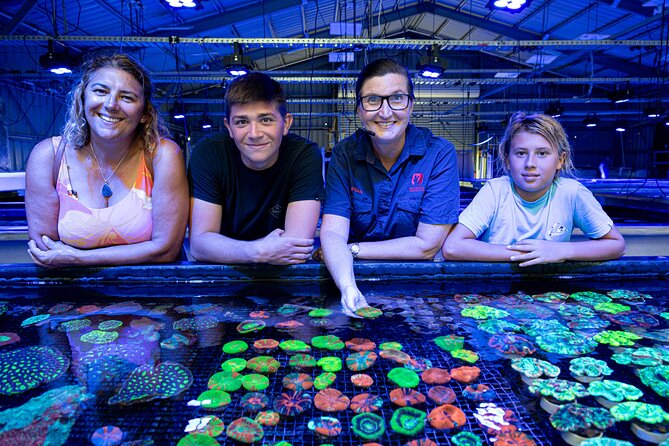
- Australia’s largest coral farm: you’ll see coral grown for conservation, not just display tanks
- Over 200 coral species from across Australia’s coast: a lot to spot in a short time
- Live feeding and propagation demos: this is reef science you can watch, not just read about
- Phone lens filter loan: improves close-up shots without needing special gear
- Small groups (max 16): easier to hear the guide and get your questions answered
- Tours run in all weather: good for planning while you’re in Bundaberg
Bundaberg’s coral farm tour: what makes it worth an hour
If you’re chasing Great Barrier Reef magic, this tour gives you a different route to the same goal. You won’t be on a boat. You won’t be in the salt or sand. Instead, you get coral growing steps that are hard to see anywhere else on land.
The main appeal is that you’re not only looking at coral. You’re watching the logic behind how coral is cultivated and supported. That matters because reef health is more than scenery. Coral is the building block for whole ecosystems. When conditions shift, a healthy recovery plan needs hands-on work, and a coral farm is one part of that plan.
You’ll also get a strong “you are here” feeling because the tour is designed for people to look closely. Coral isn’t just one color or one shape. You’ll see patterns, textures, and different growth forms. That makes the hour feel like more than a checklist stop.
You can also read our reviews of more tours and experiences in Queensland.


Monsoon Aquatics timing and meeting point for a smooth start
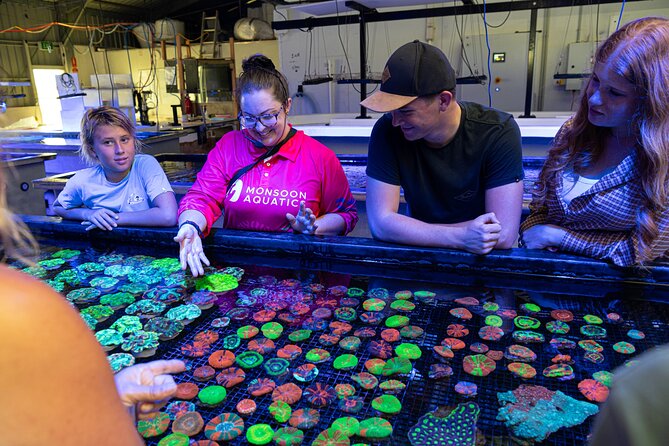
This tour starts at 10:00 am and runs about 1 hour 15 minutes. It’s offered from a single daily slot, so it’s smart to lock it in early while you’re planning your Bundaberg days.
Your meeting point is 145 Buss St, Burnett Heads QLD 4670. Plan to arrive a few minutes early so you can get settled before the group starts moving.
A couple practical notes help you feel ready:
- It’s a working farm, with wet areas possible. Wear non-slip closed shoes.
- You’re in a small group (maximum 16), so you’ll likely spend less time waiting and more time looking around tanks.
- You’ll use a mobile ticket, so have it easy to access on your phone.
The experience also runs in all weather, which is a big plus if you’re dealing with Queensland conditions and want a plan that doesn’t collapse when clouds roll in.
Stop 1: Monsoon Aquatics coral farm behind-the-scenes tour
This is where the time goes. The tour is centered at Monsoon Aquatics Coral Farm Tours in Bundaberg, and the whole point is to show coral from the ground level: how it’s sourced, cared for, and reproduced.
What you’ll see in the tanks
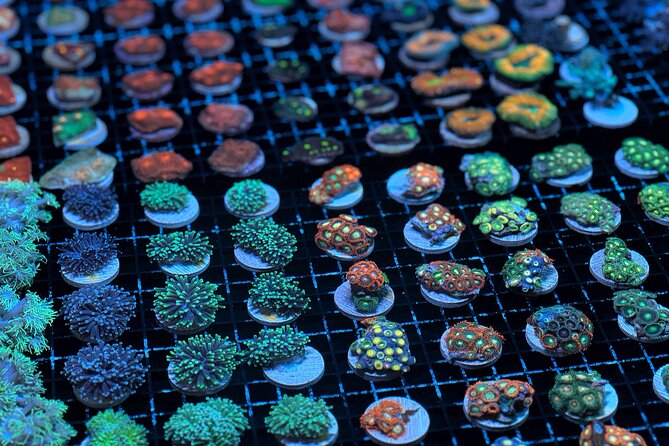
You’ll get close up to over 200 coral species sourced from all around Australia’s coast. That’s a lot in 75 minutes. The value here is not just volume. Each species has its own growth style, shape, and look. Watching them side by side helps you understand coral diversity beyond the postcard version.
You’ll learn that coral isn’t a single animal. It’s a community and a process. You’ll also hear how cultivation supports reef restoration and helps with marine ecosystem preservation. Even if you don’t consider yourself a marine person, the explanations are meant to be followed in real time as you look at the living structures.
The hands-on demonstrations
Two standout moments are the live coral feeding and the propagation demonstrations. These are the parts that turn the tour from visual to educational. Feeding shows you how caretakers support coral needs. Propagation shows how coral can be grown further and used for restoration work.
If you’re going with kids or someone who learns by watching, these demo moments usually land well. You’re not just hearing facts. You’re seeing actions that connect to those facts.
The phone lens filter for coral photos
Here’s a genuinely useful included perk: Monsoon Aquatics loans you a special lens filter to attach to your phone camera during the tour. The goal is simple. Coral is close-up and detailed, but phone cameras can struggle with color and texture indoors. The filter helps you capture more of what you’re seeing.
That’s great for two reasons. First, it helps you document the trip without spending money on gear. Second, it encourages you to slow down and actually look, because your eye is then matching what your phone is trying to record.
Guide energy matters
The quality of interpretation is often the difference between a “nice visit” and a “I’m glad we did that.” The tour has a reputation for strong guidance, with names that come up often like Megan, Nyki, and Indie. You’ll usually feel the guide steering attention toward the features you’d miss on your own, like why certain corals are kept in particular setups and what the staff is focusing on in restoration terms.
Why coral farming is more than a science lesson
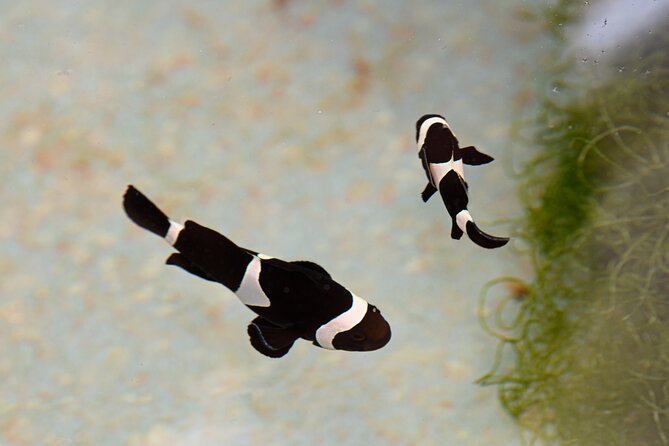
It’s easy to treat coral as scenery. But coral is infrastructure for marine life. It offers shelter, feeding space, and living habitat. When coral struggles, everything that depends on it has problems too.
A tour like this helps you connect the dots between what you see on the reef and what you need for recovery efforts. You’re learning about:
- coral growth as a managed process
- preservation of marine ecosystems
- restoration work and ongoing research
Even though you’re on land, the message is practical: reef protection needs both environmental thinking and active steps. Coral farms represent one active step because they can support propagation and help maintain coral lines while restoration efforts continue elsewhere.
It’s also a good antidote to “reef fatigue.” If you’re already planning other reef-adjacent activities, this tour changes the angle. You’re still reef-focused, but you’re not repeating the same visual setup.
Photos, shoes, and the wet-floor reality
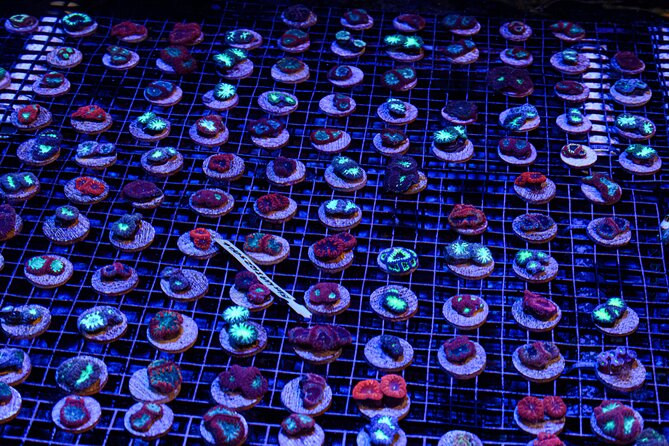
Let’s talk comfort. You’re on a working site. That means you may walk through areas that can be damp. The tour specifically asks you to wear non-slip shoes.
That’s not just safety talk. Good footwear changes how you experience the tour. If you’re thinking about slipping, you’ll focus less on coral details. If your feet feel stable, you’ll actually enjoy looking and leaning in for photos.
And about photos: lighting inside tanks can make coral look different than it does with your own eyes. The phone lens filter helps bridge that gap. It also encourages you to take photos as you go, so you don’t end up with the classic problem of only trying at the last minute.
Quick tip: treat the hour like a slow scroll. Stop at each tank segment. Look at one coral type at a time. Then move on. The included phone filter makes that process easier because you’ll want to check results as you switch viewing points.
Who should book this one-hour coral farm tour
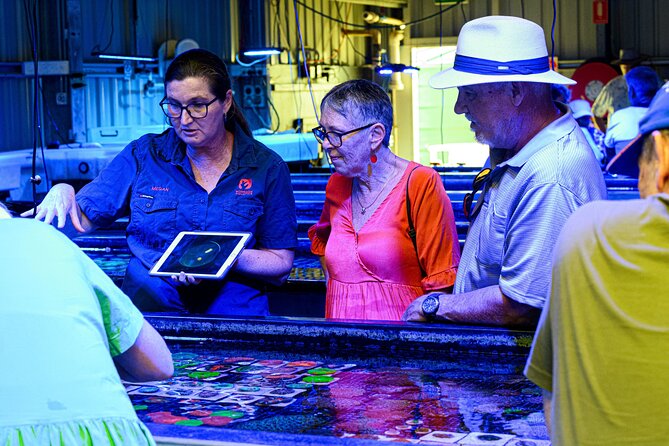
This tour fits best if you want reef understanding without a huge time commitment. It also works well for people who like a structured experience with a clear timeframe.
You’ll likely enjoy it if:
- you love nature and want real explanation tied to what you’re seeing
- you want a family-friendly activity in the Bundaberg area
- you like hands-on moments like feeding and propagation demos
- you’re the type who enjoys learning the “how” behind conservation
It can also work well for groups of mixed interests because coral farming gives you something visual plus something educational. If someone in your group is there for photos, the coral lens filter helps. If someone else is there for science, the cultivation and restoration focus gives them something to chew on.
One consideration is physical comfort. The activity calls for a moderate physical fitness level. It’s not described as extreme, but you should assume you’ll be moving around the farm spaces on your feet for much of the tour. Service animals are allowed, which helps if you need that support.
Value for the price: what $22.95 gets you
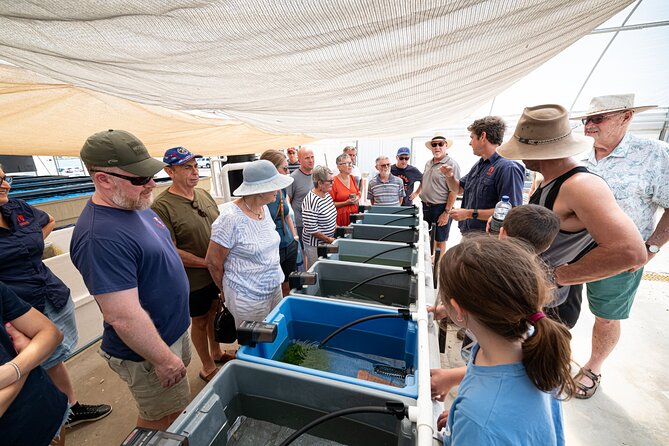
At $22.95 per person, this tour is priced like an affordable activity with a real educational payoff. The value comes from three “included” factors:
- a guided tour for about 75 minutes
- a loan of a phone lens filter for better coral photos
- demonstrations like coral feeding and propagation
Many paid activities either focus on scenery or focus on talking. Here you get both, and you get them in a small-group format with a max of 16 people. For the time, that’s a fair trade.
It also helps that the farm supports conservation-minded work. You’re not paying just to see coral. You’re paying to understand coral cultivation and why it’s tied to reef restoration and marine ecosystem preservation.
If you’re trying to plan a day in Bundaberg efficiently, this is the kind of stop that doesn’t swallow your schedule. One hour is enough to feel satisfied without needing a half-day commitment.
Should you book this coral farm tour in Bundaberg
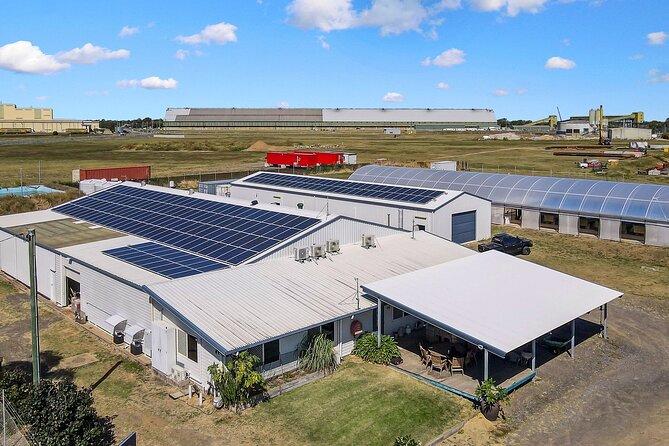
Book it if you want a short, guided way to understand coral growth and reef restoration, with plenty of close-up viewing and hands-on demonstrations. The small group size and the phone lens filter add real value for both adults and kids.
Skip it or reconsider if wet indoor/outdoor farm floors make you uneasy and you’re not comfortable wearing stable closed shoes. Also, if you’re only interested in being on the ocean itself, this is firmly an on-land experience.
If you’re in the Bundaberg area and you want something conservation-focused that doesn’t require advanced snorkel planning, this is a smart fit.
FAQ
What is the duration of the One Hour Coral Farm Tour?
The tour runs for about 1 hour 15 minutes.
Where does the tour meet in Bundaberg?
You’ll meet at 145 Buss St, Burnett Heads QLD 4670, Australia. The activity ends back at the meeting point.
How much does the tour cost?
The price is $22.95 per person.
What time does the tour start?
The start time listed is 10:00 am.
Is the tour available in bad weather?
Yes. Tours run in all weather.
What’s included in the ticket price?
You’ll get a guided tour of the coral farm, and you’ll be loaned a special lens filter that attaches to your phone camera for taking coral photos.
What should I wear?
Wear non-slip shoes because the floors may be wet as it is a working aquaculture farm.
How many people are in the group?
The tour has a maximum of 16 travelers.
Are service animals allowed?
Yes, service animals are allowed.