REVIEW · HERAKLION
Traditional Olive Grove and Dragon Fruit Farm Tour
Book on GetYourGuide →Operated by Alex Alexakis IKE · Bookable on GetYourGuide
A dragon fruit stop in an olive grove sounds odd. It works, because you learn how Crete grows olive trees and a newer crop side by side. I like the hands-on farm feel, and I love the generous tasting spread after the walk. One thing to consider: it’s a working property, so it’s not a “sit and watch” tour—you’ll be walking on uneven ground.
The host, Alex Alexakis, guides the experience in English and Greek, with a style that mixes clear explanations and warm hospitality. You’ll see cultivation and harvesting details up close, touch the tools, and then sample olive oil with local bread. There’s also a dragon fruit segment where you can even harvest your own fruit if supplies allow.
If you’re looking for a big-ticket attraction with lots of parking-lot crowds, this won’t be it. But if you want real food, real farming, and a short schedule that still feels complete, this is a strong value play in Crete.
In This Review
- Key Highlights You’ll Actually Remember
- Why This Olive Grove + Dragon Fruit Combo Works in Crete
- Meeting at the Farm Sign and Getting Into the Trees Quickly
- The Olive Grove Walk in Agiou Alexandrou: Trees, Tools, Harvesting
- The Patio Break: Coffee or Dragon Fruit Tea and a Real Tasting Table
- Dragon Fruit Up Close: A New Crop That’s Taking Hold
- Olive Oil Tasting: How to Make the Sample Count
- Price and Time: What $9 Buys You (And Why It’s Fair)
- Who This Farm Tour Suits Best (And Who Might Want Another Plan)
- Should You Book This Traditional Olive Grove and Dragon Fruit Farm Tour?
- FAQ
- How long is the Traditional Olive Grove and Dragon Fruit Farm Tour?
- Where is the meeting point and is parking available?
- What languages is the tour guide speaking?
- What is included in the price?
- Can I pick dragon fruit during the tour?
- Is the group private?
- What drink options do I choose from?
- Can I cancel and get a refund?
Key Highlights You’ll Actually Remember
- Hands-on olive tree learning, including cultivation and harvesting details you can see up close
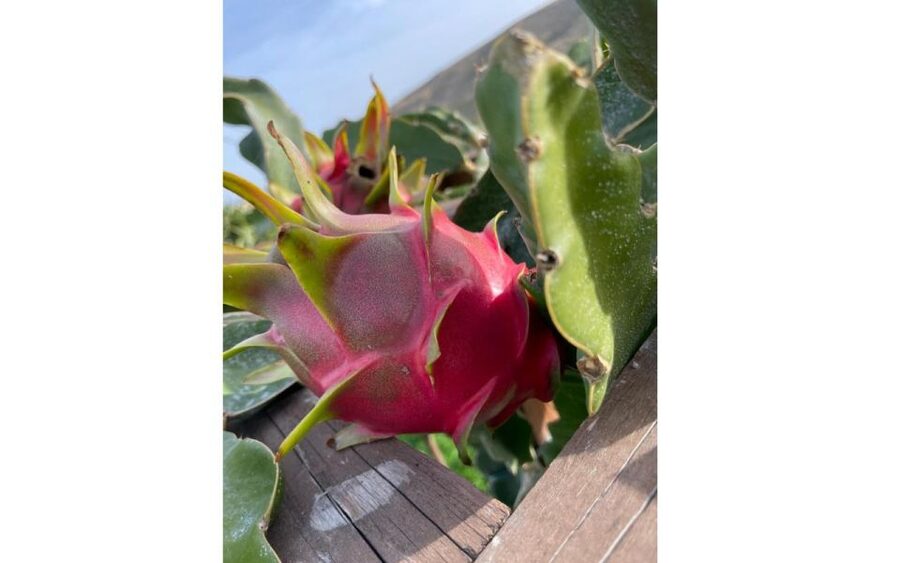
- Dragon fruit farm visit on the same property, with a chance to pick fruit if available
- Olive oil tasting with local bread, not just a sip-and-guess situation
- Generous homemade samples (bread, spreads, yoghurt, honey, and more from the tasting table)
- Alex’s family-farm storytelling, which makes the science of farming feel human
- A short 90-minute format that includes a guided walk plus a patio break
Why This Olive Grove + Dragon Fruit Combo Works in Crete
Crete is famous for olive oil, but most olive tours stop at olives. Here, you get a second crop—dragon fruit—grown on the island too. That pairing changes the feel of the visit. Instead of a single-theme walk, you see how farming evolves: what Crete has mastered for decades, and what new plants can still find a foothold.
The farm itself is described as more than five generations old, and you can feel that in the way the tour is paced. It’s not overly theatrical. It’s grounded. You move between trees, you get explanations while you’re standing right there, and then you end with tasting that doesn’t feel like a token add-on.
I especially like that this isn’t just about learning facts. You learn the process behind the liquid gold—cultivation, harvesting, and how olive oil extraction ties back to what you do in the grove. Then you get to compare that to dragon fruit, which shows up as a newer, more “oriental” crop that’s still becoming part of Crete’s farming picture.
One more point: the farm is home to a big olive collection—one review notes about 2,500 olive trees onsite. That scale matters. It’s not a tiny hobby plot. It’s serious enough that you’ll understand why locals care so much about the harvest.
You can also read our reviews of more tours and experiences in Heraklion.

Meeting at the Farm Sign and Getting Into the Trees Quickly
Your start is simple: look for their sign on the right of the road as you drive up. Parking is free and right next to the meeting area, which is a big quality-of-life win in Crete.
The property also uses a separate entrance, so you’re not stuck waiting behind other lines. Once you arrive, you wait in a shaded area (yes, that matters when the sun is doing its job). Then Alex welcomes you and pulls you into the day’s flow.
This is listed as a private group. In practice, that usually means you’re not squeezed into a big tour herd. You can ask questions, and you’ll get answers that fit your interests, whether you’re asking about olive cultivation details or why dragon fruit grows here at all.
And one more practical note: you’re on a working farm. The activity rules explicitly say no bare feet and no alcohol/drugs. So wear shoes you trust on outdoor ground. It’s not a deal-breaker—just the kind of detail that keeps the experience smooth for everyone.
The Olive Grove Walk in Agiou Alexandrou: Trees, Tools, Harvesting
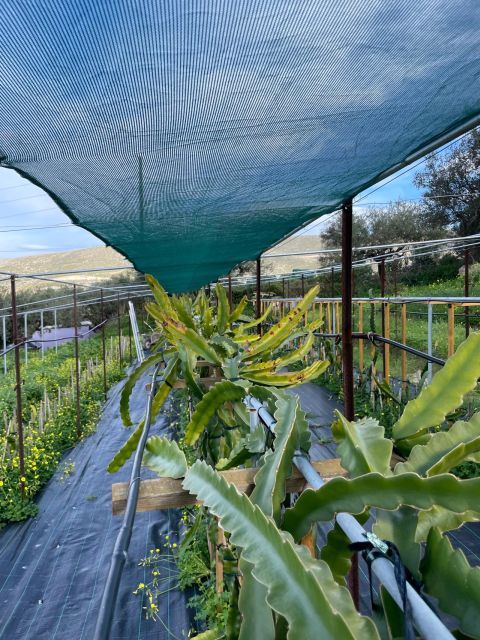
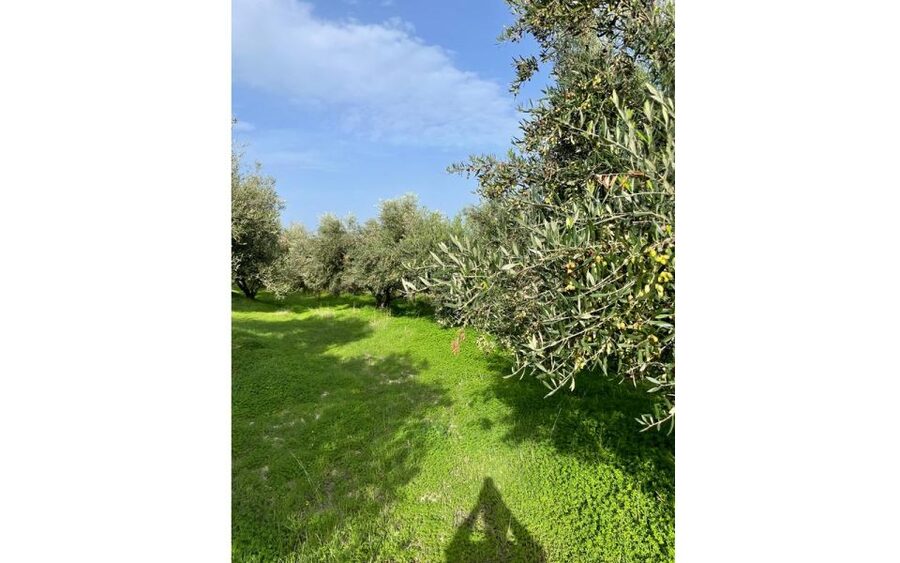
The guided portion runs about an hour. You’ll start at the grove and then move through the Agiou Alexandrou area of the property with Alex. This is the heart of the tour because it’s where farming becomes real.
Here’s what makes this part work for you: you’re not just told about olive trees. You’re shown. The tour includes time to wander among the trees, and you’ll learn how cultivation practices and harvesting fit together. You’ll also see tools up close—and you can touch them.
That might sound small, but it changes everything. When you handle the tools yourself, the job stops being abstract. You start connecting the dots: how the grove is managed, what happens at harvest time, and why olive oil extraction depends on what the trees and harvest processes produce.
Olives in Crete aren’t an accessory. They’re an economy and a tradition. The tour leans into that with the family-farm story—more than five generations of growing olives for over five decades, tied to a living property rather than a museum display.
If you’re thinking about what to wear, plan for some outdoor walking. Also, be ready to listen while standing in the shade one moment and in brighter light the next. The tour is designed around that rhythm.
The Patio Break: Coffee or Dragon Fruit Tea and a Real Tasting Table
After the guided walk, you get a break—about 30 minutes—right there at the farm. This is where the tour shifts from learning to enjoying.
Included drinks depend on your preference: you can choose an espresso or Greek coffee, or opt for a dragon fruit and local Cretan herb infused tea. If you’re curious about the dragon fruit crop, this tea is a clever way to taste it without waiting for dessert mode.
Then comes the food. The tasting is one of the most praised parts of the experience, and the word “generous” keeps showing up for a reason. People mention bread and spreads, olive oil samples, olives, yoghurt, and items like honey or marmalade. One review highlights an arrival drink, then a spread with bread, jams and oils, olives and yoghurt—followed by a bigger dragon fruit tasting platter.
That matches the farm vibe here: you don’t just sample one tiny drop of olive oil and move on. You dip local bread into the olive oil and taste it like people actually do—slow enough to notice the differences and layered enough to feel like a proper snack.
A small practical consideration: because this is a farm tasting, you may not get an “air-conditioned restaurant experience.” You’re outside, on a patio. If that’s your jam, great. If you hate outdoor seating, you might find this part more challenging during peak sun or heat.
Dragon Fruit Up Close: A New Crop That’s Taking Hold
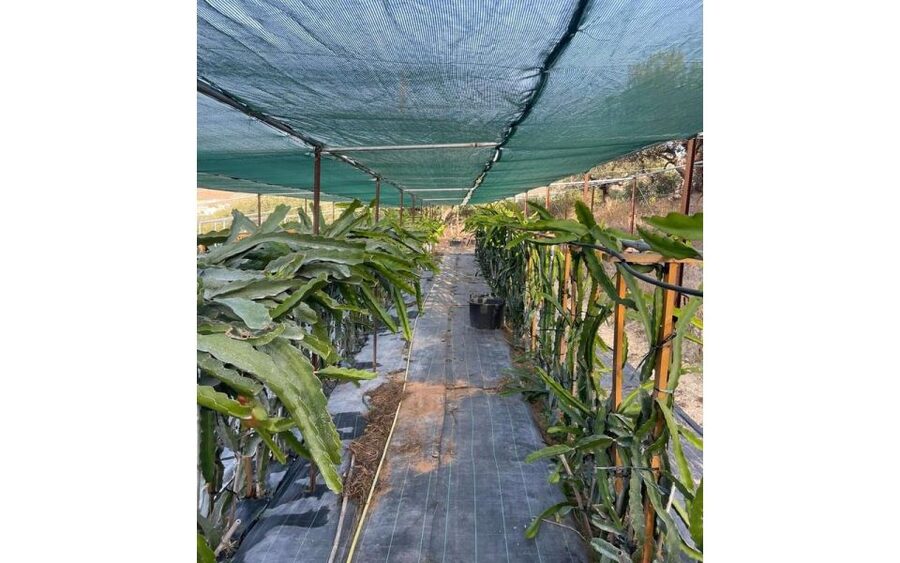
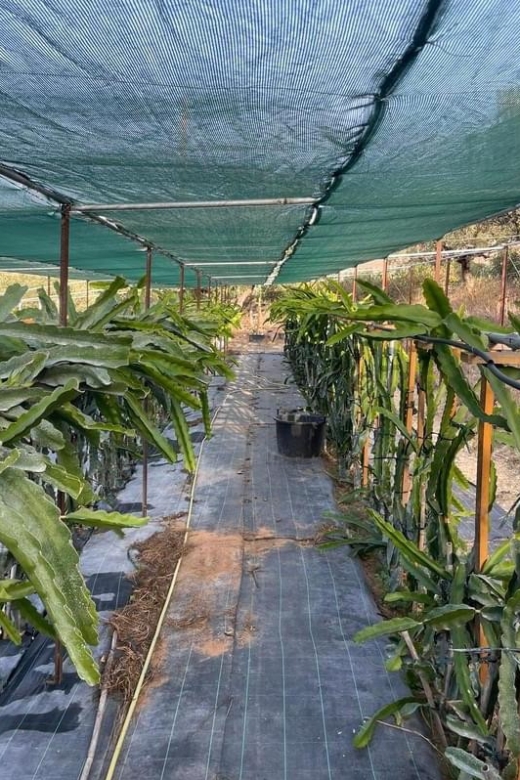
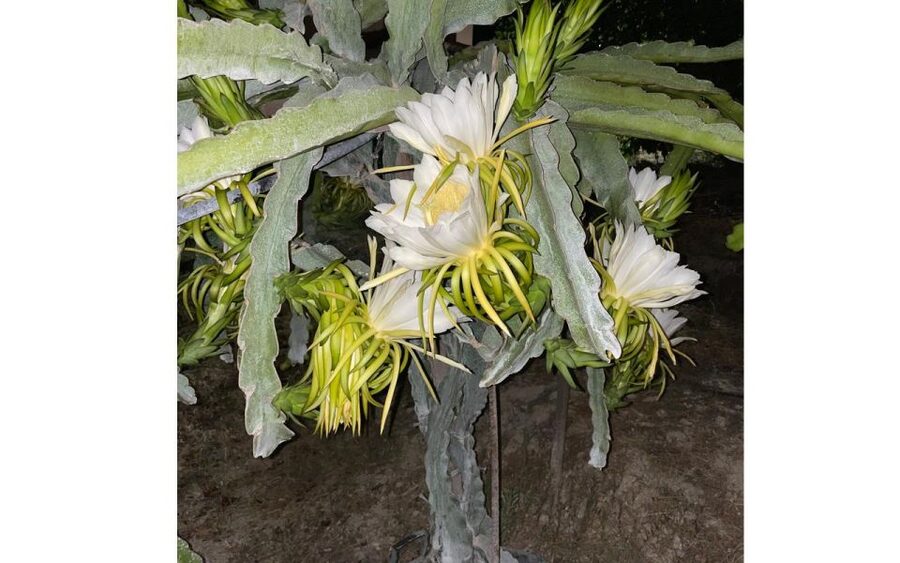
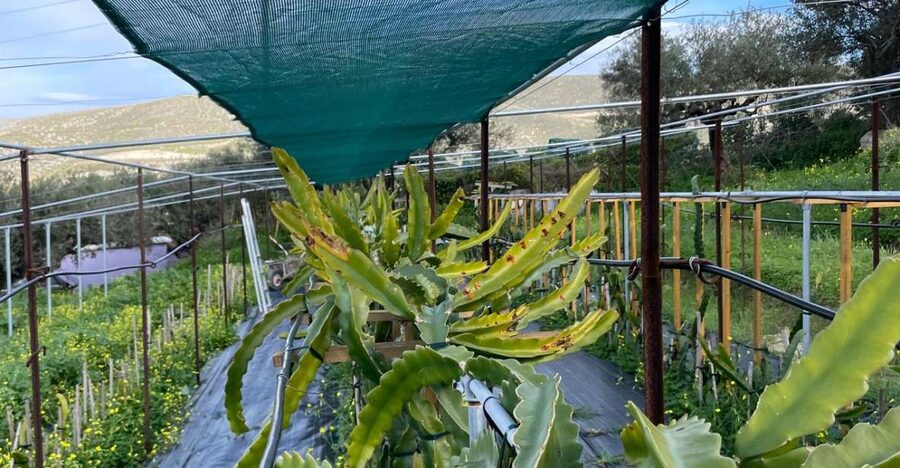
The dragon fruit visit happens as part of the same outing, not as a separate stop. You’ll see the plants up close, learn about how dragon fruit cultivation works in Crete, and get a feel for why this crop is becoming important on the island.
This is also where you get that “why does this exist here?” moment. Dragon fruit is often linked to other climates, but Crete’s version is finding its footing. The tour explains that story in plain terms as you walk among the growing areas.
Another big advantage: this segment doesn’t just stay visual. You can harvest your own dragon fruits if you want, based on availability. That turns the experience from informational into personal. Even if you only pick one fruit, you leave with a small souvenir that wasn’t bought in a shop queue.
Also, the dragon fruit tasting is a highlight in the reviews. People mention tasting dragon fruit products, including tea and fresh fruit as part of the wider spread. If you’re the type who likes trying the product right after you learn how it’s grown, this pacing fits you.



Olive Oil Tasting: How to Make the Sample Count
Olive oil tasting is included, and it’s done in a way that helps you actually taste—not just “perform tasting.”
The method is simple: you dip local bread and taste the olive oil. That’s practical because bread is a neutral base. It also gives you something to chew while you focus on the oil’s flavor and character. If you’re used to buying olive oil at home and judging it only by price or label, this is a better way to train your palate.
One reason people get excited here is that the olive oil quality is strongly praised. Several reviews call it among the best they’ve tasted, and the tastings are described as generous and abundant. When olive oil is treated like something worth slowing down for, the whole farm tour feels more meaningful.
After tasting, there’s an obvious option to purchase olive oil and olives that are specially packed. The tour itself doesn’t push sales, but it’s set up so you can take something home if you want. Purchases aren’t included in your admission, but the tasting makes it easy to decide.
If you’re going to bring bottles back, plan ahead. The tour doesn’t provide shipping details here, so just be mindful about your luggage and how you’ll store them safely during travel.
Price and Time: What $9 Buys You (And Why It’s Fair)
At $9 per person and 90 minutes total, this is priced like an easy local stop, not a high-end attraction. The value comes from combining three things that usually cost more separately:
- a guided farm walk through olive trees and harvesting processes,
- a dragon fruit farm segment,
- and an included tasting with drinks.
The experience is also timed well. You get roughly an hour of guided touring and about half an hour to pause, eat, and drink. That’s long enough to learn without dragging you through the day. It’s short enough that you can fit it between other Crete plans.
One of the best value signals is the tasting volume. Multiple reviews mention plentiful samples—bread, spreads, yoghurt, olives, honey/marmalade, dragon fruit products, and a full platter-style tasting moment. When that happens, your price doesn’t feel like you’re paying just to be shown around a few plants.
So the best way to think about it is this: you’re paying for an educational farm walk plus a real snack experience, with the bonus of being in a family-run property that cares about how the tour feels.
Who This Farm Tour Suits Best (And Who Might Want Another Plan)
This is a good match if you:
- like food-focused travel that’s rooted in how products are made,
- want something smaller and more personal than museum-style tourism,
- enjoy olive oil tasting and don’t mind outdoor walking,
- are curious about dragon fruit in Crete and want the story, not just a photo.
It’s not a great match if you want luxury comfort or a fully indoor program. You’re outdoors in a working grove environment.
There are also clear restrictions. It’s not suitable for babies under 1 year and not for people over 95 years. The activity rules also specify no bare feet and prohibit alcohol/drugs.
If you travel with kids, the reviews show the tour works for a wide age range—from teens to older adults. For families, the hands-on vibe and tasting component are usually what land best.
Should You Book This Traditional Olive Grove and Dragon Fruit Farm Tour?
Book it if you want a short, affordable Crete experience that feels authentic and food-forward. This tour’s strongest points are the combination: olive grove education, a real dragon fruit farm visit, and an included tasting that people describe as plentiful and delicious. With Alex Alexakis hosting in English and Greek, the experience also stays approachable, not stiff.
I’d skip it only if you’re chasing a large spectacle or you’re set on a fully indoor, no-walking format. If you’re okay with outdoor farm ground and you’re excited to taste what you learn, this is an easy yes.
FAQ
How long is the Traditional Olive Grove and Dragon Fruit Farm Tour?
The duration is listed as 90 minutes, with about 1 hour of guided touring followed by a 30-minute break.
Where is the meeting point and is parking available?
Meet at their sign on the right side of the road as you drive up. Parking is free and next to the meeting area.
What languages is the tour guide speaking?
The live tour guide speaks English and Greek.
What is included in the price?
Your admission includes the farm tour (about 1–2 hours), an espresso or Greek coffee or a dragon fruit and local Cretan herbs infused tea (based on preference), and an olive oil tasting with local bread.
Can I pick dragon fruit during the tour?
You can harvest your own dragon fruits if you want, based on availability.
Is the group private?
Yes, it’s listed as a private group.
What drink options do I choose from?
You can choose espresso or Greek coffee, or a dragon fruit and local Cretan herbs infused tea.
Can I cancel and get a refund?
Yes. Free cancellation is available up to 24 hours in advance for a full refund.