REVIEW · KALAMATA
Kalamata: Farm-to-Table Experience with Cooking
Book on GetYourGuide →Operated by MamaGaia · Bookable on GetYourGuide
A working farm, plus dinner you help create. In Messinia at Mama Gaia, you harvest ingredients, meet goats and chickens, and learn cheesemaking before cooking classic dishes; I especially like that you use what you pick. One thing to plan for: you walk on uneven ground, so wear supportive shoes and expect some farm steps.
This is the kind of day where your questions make sense. You’ll hear why each dish works in Greek kitchens, and you’ll get hands-on time rather than standing on the sidelines, with hosts such as Nicole and Porta setting the tone.
Best fit: food lovers who want something real in the Peloponnese, not just another meal out. And it’s not a good match if you have an animal allergy, back issues, or need wheelchair-friendly access, since the route is farm-walking.
In This Review
- Key highlights to know before you go
- Mama Gaia farm-to-table cooking: what you’re really paying for
- First step onto the farm: views, animals, and the welcome
- Harvesting in the potager: tomatoes, herbs, eggs, and seasonal extras
- Sfela and Anthotyro cheesemaking: the goat-milk to cheese lesson
- Cooking classic Messinian dishes: Kagianas, tzatziki, beef, and salad
- Kagianas: eggs, tomatoes, and local cheese
- Grilled free-range beef patties and homemade tzatziki
- Greek salad: olive oil and the essentials
- Wood-fired bread: baked flavor you can’t fake later
- The farm feast under olive trees: what you’ll actually eat
- Price, timing, and getting there from Kalamata
- What to bring and how to make the most of the day
- Who should book this cooking day in Messinia
- Should you book this Mama Gaia experience?
- FAQ
- Where does the experience take place?
- How long is the experience?
- How large is the group?
- What languages are offered?
- What cheesemaking will you learn?
- What ingredients will we harvest?
- What dishes do you cook during the class?
- What’s included in the price?
- What should I bring, and is there anything not allowed?
Key highlights to know before you go
- Harvest-and-cook flow: pick garden produce, collect eggs, then turn it into lunch-style dishes on the spot
- Two local cheeses: hands-on Sfela (semi-hard, brined) and Anthotyro (soft, creamy)
- Goats are part of the story: you learn how the milk connects to the cheesemaking routine
- Real Messinian plates: expect recipes like Kagianas, plus Greek salad, tzatziki, and wood-fired bread
- Small group energy: limited to 10 participants, so you get actual coaching
- Outside table dining: the meal is shared in the open air among olive trees and farm sounds
Mama Gaia farm-to-table cooking: what you’re really paying for
At $141 per person for a 1-day experience, the price only makes sense if you care about process, not just results. What you’re paying for is the whole chain: farm tour, ingredient harvesting, cheesemaking, cooking lessons, and then the meal that you helped create. And since equipment and ingredients are included, you’re not quietly hit with add-ons once you arrive.
I also like that the day isn’t built around a single photo moment. You do the work in steps—garden to kitchen, kitchen to table—so the food feels earned. The hosts (including Nicole and Porta) aim to make it practical, and the vibe is welcoming rather than performative.
First step onto the farm: views, animals, and the welcome
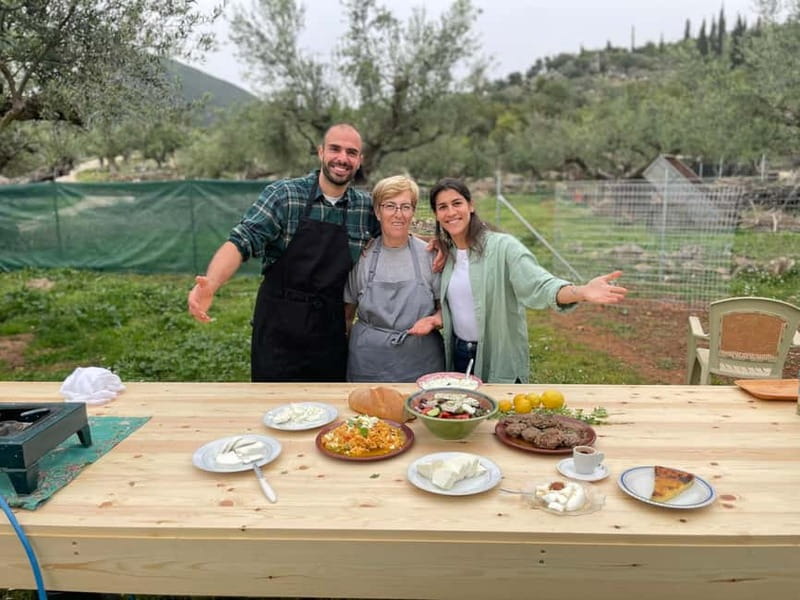
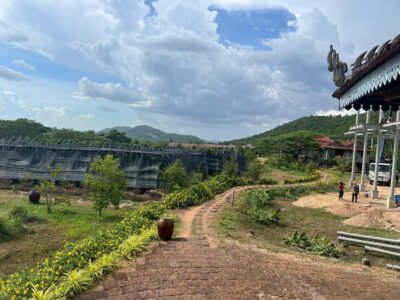
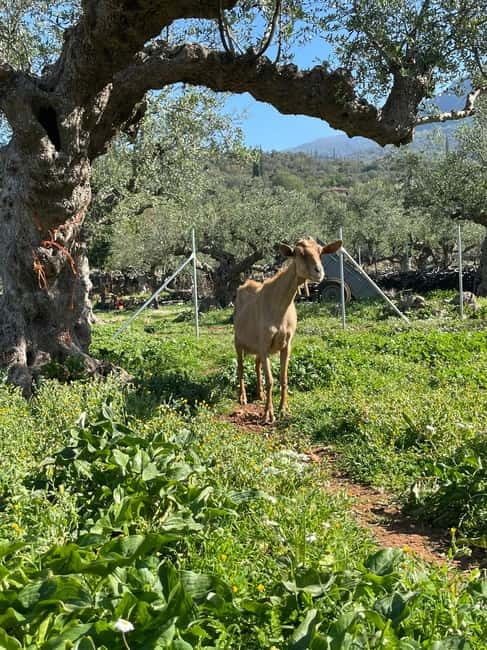
You’ll start with a warm welcome from the hosts, and the setting does the heavy lifting right away. Messinia’s countryside view is part of the experience, with olive trees stretching around the farm and a peaceful, rural rhythm that makes the day feel slower in a good way.
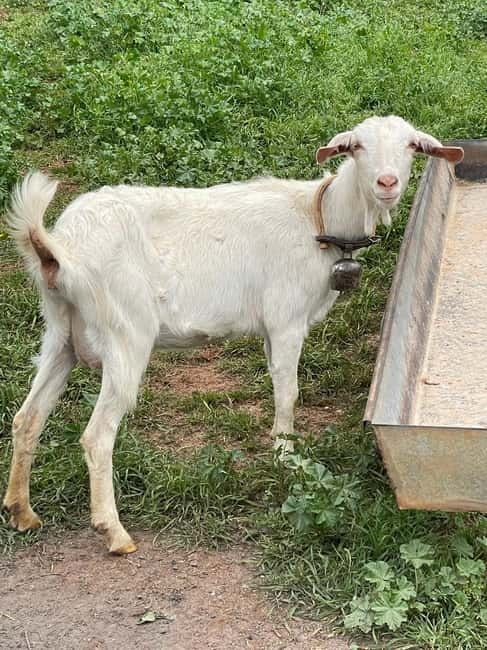
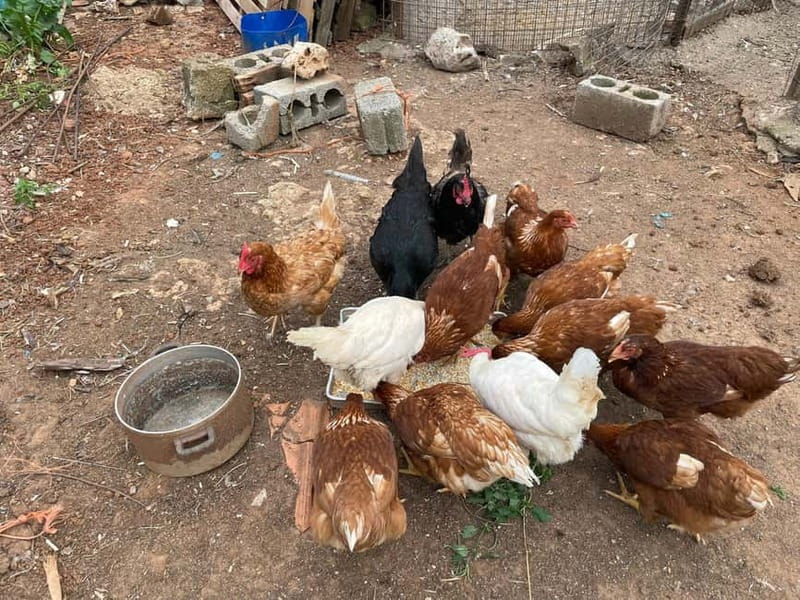
Then you meet the farm animals because they’re not decoration. Goats provide the milk for the homemade cheese, free-range chickens lay the eggs you’ll collect, and the dogs happily follow along during parts of the farm exploration. One review focus stood out to me: people really loved the goats, and it’s easy to see why—this is the living link between how the cheeses are made and what ends up on your plate.
Just keep expectations realistic. This is a working farm. You’ll want to be comfortable moving around and standing during explanations.
Harvesting in the potager: tomatoes, herbs, eggs, and seasonal extras
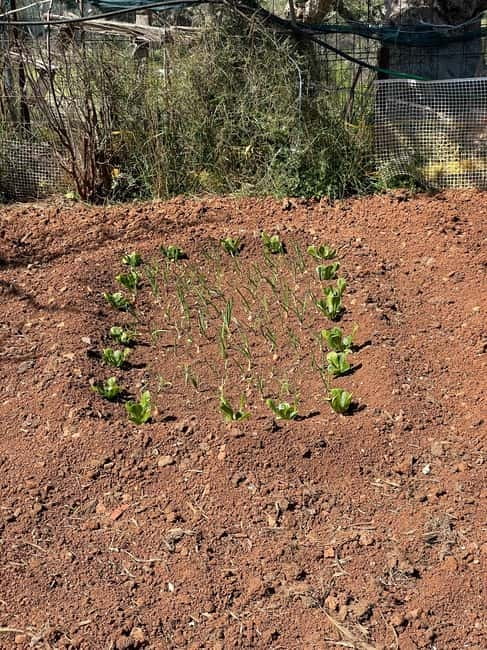
The heart of the day is the hands-on harvesting. You’ll walk through the farm’s vegetable garden and pick ingredients that will become part of your meal—think tomatoes, peppers, herbs, and other seasonal produce. Even if you’ve cooked Greek food at home, it’s a different experience when the tomatoes and herbs are the ones you just gathered.
You’ll also collect fresh eggs from the coop. That detail matters because you’re not only learning recipes; you’re learning what makes certain dishes taste right—especially the ones built around eggs and fresh dairy.
Depending on the season, you might also taste other local products that fit Messinia’s Mediterranean growing conditions, like olives or figs. That seasonality is part education, part flavor. If you’re the kind of traveler who reads menus and wants to understand why they look that way, you’ll enjoy the practical connection.
Sfela and Anthotyro cheesemaking: the goat-milk to cheese lesson
The cheesemaking workshop is one of the main reasons this tour earns a strong reputation. You’ll learn the art of traditional Greek cheesemaking with two regional styles:
- Sfela, a semi-hard, brined cheese
- Anthotyro, a soft, creamy cheese
You won’t just get a lecture. The day is designed so you can work through the steps under guidance, which is exactly what you want if you’re trying to bring something home that isn’t just a recipe card. You’ll also connect the dots between farm life and kitchen life, since the goats are the milk source.
A big plus here is that the hosts focus on technique, not mystique. You learn what you’re doing and why, which helps you recreate parts of the process later. And even if cheesemaking isn’t your hobby, it gives the meal context: these dishes aren’t separate events; they’re built on the same ingredients and skills.
Cooking classic Messinian dishes: Kagianas, tzatziki, beef, and salad
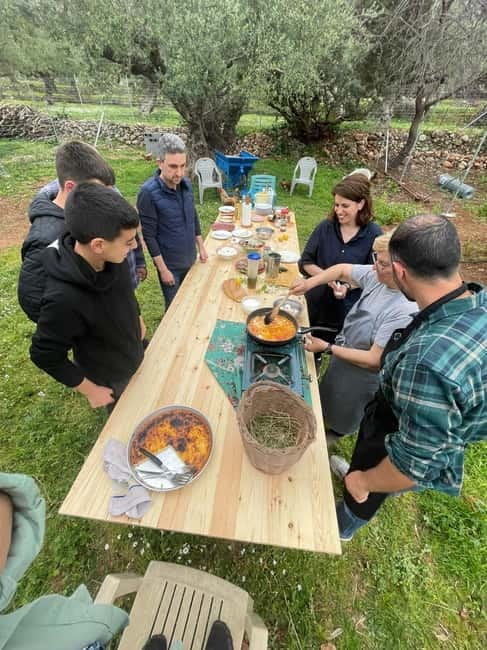
After the cheesemaking and harvesting, you move into the rustic outdoor kitchen and start cooking together. This is where the farm-to-table theme becomes real, because you’re using what you gathered and the cheeses you made.
Kagianas: eggs, tomatoes, and local cheese
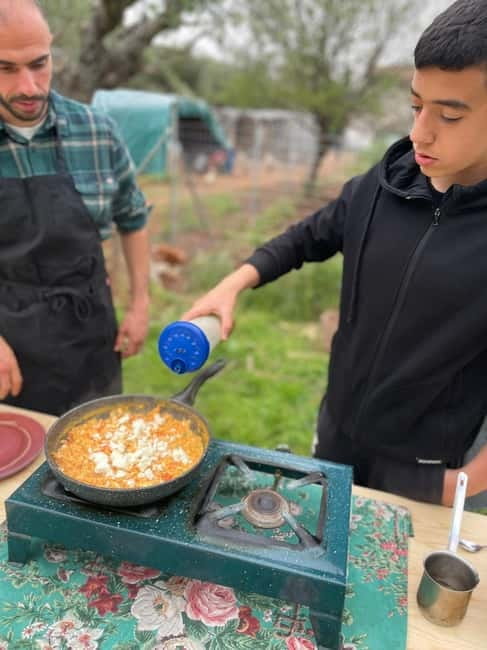
You’ll prepare Kagianas, a rustic dish built around eggs, fresh tomatoes, and local cheese. This is a great dish for learning, because it teaches you timing and texture—how quickly eggs set, how tomatoes release flavor, and how cheese ties everything together.
Grilled free-range beef patties and homemade tzatziki
Next comes a plate that feels like a proper Greek meal: grilled free-range beef patties served with fresh garden greens and homemade tzatziki. If you’re looking for a dish you can translate at home, tzatziki is the kind of recipe where technique matters, and the garden greens add a seasonal freshness that you can taste immediately.
Greek salad: olive oil and the essentials
You’ll also make Greek salad: tomatoes, cucumbers, onions, olives, and feta, finished with extra virgin olive oil. This is not the watered-down, chopped-into-a-bowl version you might find elsewhere. The point here is balance—how the ingredients taste when they’re fresh and not sitting around too long.
Wood-fired bread: baked flavor you can’t fake later
Bread is baked in a traditional wood-fired oven as part of the experience. That alone can be worth the day, because bread from a wood-fired oven carries a scent and flavor you don’t recreate with the same kind of shortcut. It also rounds out the meal so you eat like you’re truly in a farm kitchen, not just sampling dishes.
The farm feast under olive trees: what you’ll actually eat
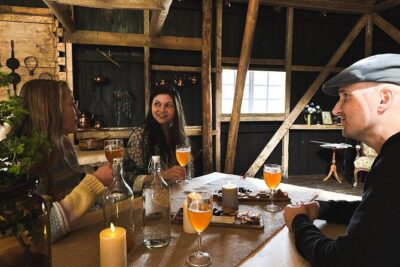
When the cooking wraps, you’ll gather around a beautifully set table outdoors, surrounded by olive trees and the sounds of nature. This part is simple but meaningful: the meal is shared, and you’re eating food that has gone through every step you just learned.
Expect a spread that includes:
- The cheeses you made (Sfela and Anthotyro) as part of the meal
- Kagianas made with your harvested ingredients
- Grilled beef patties with garden greens
- Greek salad with olive oil and feta
- Freshly baked bread from the wood-fired oven
- Tzatziki made at the farm
The cultural context is baked in too. Hosts explain the significance of each dish and the cooking techniques, so the meal becomes a mini-course in Messinian and Greek food logic. You end up understanding not just what to make, but how cooks think about ingredients and timing.
And yes, the vibe is genuinely “worth every penny” if your idea of a great day includes learning and eating well without feeling rushed.
Price, timing, and getting there from Kalamata
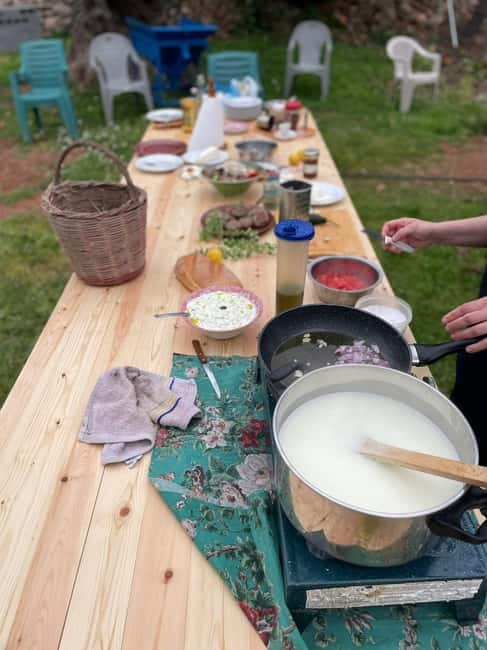
This experience is priced at $141 per person for a 1-day format, with the biggest value being that the day’s costs are folded into the ticket. You get guided farm time, hands-on cheesemaking, cooking instruction, and the farm-to-table meal, plus all equipment and ingredients.
The one cost you’ll need to plan for is transportation. Transfer to and from the farm isn’t included, and that can affect your true total. If you’re staying in the Kalamata area, figure out how you’ll get there before you book, because you don’t want to lose a slice of the day on logistics.
Timing-wise, you’ll want to check starting times since the day runs within a schedule (availability determines what’s offered). The experience also depends on weather and may be rescheduled if conditions are poor, so keep flexibility.
What to bring and how to make the most of the day
Bring:
- Comfortable shoes (farm ground can be uneven)
- Hat
- Sunscreen
- Water
- Camera
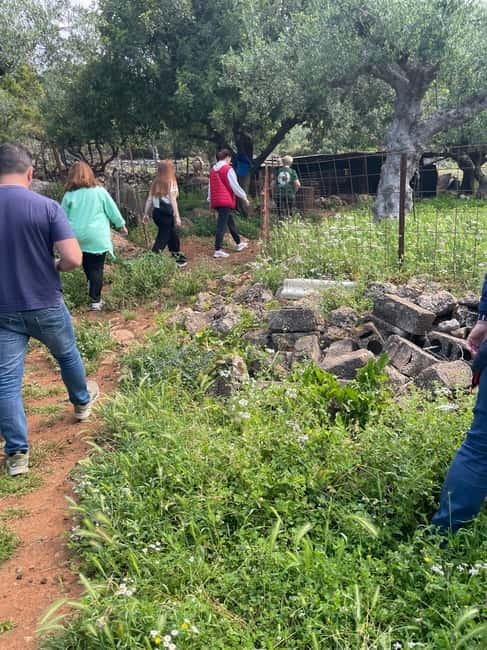
Wear comfortable clothing suited for walking outdoors. This matters because the day includes walking the property, moving through garden areas, and spending time in the outdoor kitchen.
A small but important note: smoking isn’t allowed during the experience. And if you have dietary restrictions or allergies, you should inform the hosts in advance so they can handle it properly.
Who should book this cooking day in Messinia
This tour is a strong fit if you want:
- Real hands-on cooking, not just tasting
- A farm-based food story that connects animals, ingredients, and technique
- Small-group attention (it’s limited to 10 participants)
- A chance to learn about Greek cheese and traditional dishes you can actually repeat later
It may not be for you if:
- You have back problems or mobility limits, since the experience involves walking
- You need wheelchair-friendly access
- You have an animal allergy
Language support is available in English, Greek, and Spanish through the host/greeter, which helps if you’re more comfortable in one of those.
Should you book this Mama Gaia experience?
Book it if you want a full-value food day where you learn, cook, and eat what you made in a small group setting. The cheesemaking (Sfela and Anthotyro) plus the practical cooking lessons are the backbone, and the animal connection makes it feel grounded in real farm life.
Skip it if you dislike outdoor walking on uneven ground or if your health or allergies make farm animals a problem. And do plan transportation ahead since that part isn’t included.
If you’re traveling in the Peloponnese and you’re even slightly serious about Greek cooking, this is the kind of day that tends to stick with people for the right reasons: you leave with skills, not just memories.
FAQ
Where does the experience take place?
It takes place on the Mama Gaia farm in Messinia, in the Peloponnese region of Greece.
How long is the experience?
The duration is 1 day.
How large is the group?
It’s a small group limited to 10 participants.
What languages are offered?
English, Greek, and Spanish are supported by the host or greeter.
What cheesemaking will you learn?
You’ll learn to make Sfela (a semi-hard, brined cheese) and Anthotyro (a soft, creamy cheese).
What ingredients will we harvest?
You’ll pick seasonal produce from the farm garden, including items like tomatoes, peppers, and herbs. You’ll also collect fresh eggs, and depending on the season you may taste olives or figs.
What dishes do you cook during the class?
You’ll cook dishes such as Kagianas, grilled free-range beef patties with garden greens and homemade tzatziki, Greek salad, and you’ll also have wood-fired oven bread as part of the meal.
What’s included in the price?
Included are the guided farm tour, hands-on cheesemaking workshop, cooking class with locals, the farm-to-table meal, and all necessary cooking equipment and ingredients.
What should I bring, and is there anything not allowed?
Bring comfortable shoes, a hat, camera, sunscreen, and water. Smoking is not allowed. If you have dietary restrictions or allergies, you should inform the hosts in advance.